How to Improve Personal Hygiene: Daily Routine & Tips

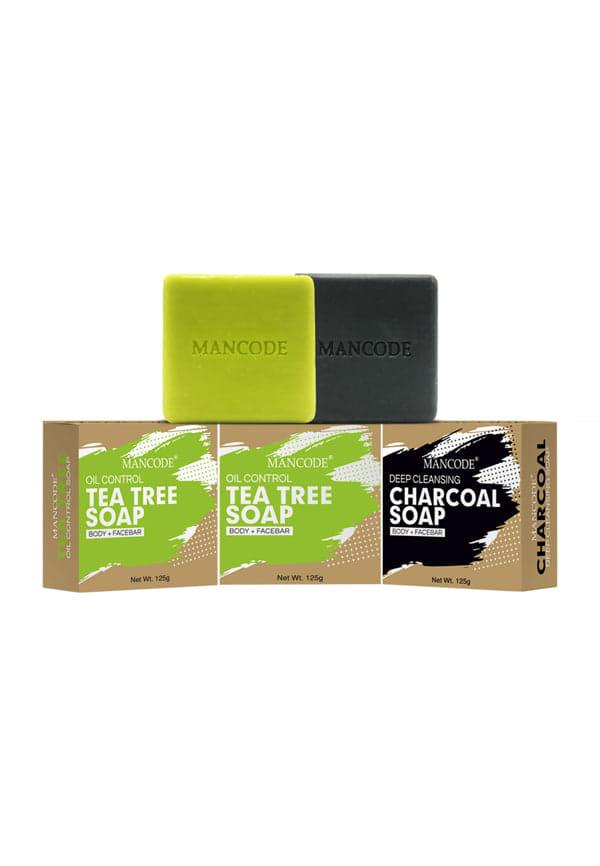
Tea Tree Oil Control, Tea Tree Oil Control And Charcoal Deep Cleansing Soap
Let's be real—personal hygiene isn't just about smelling good (though that's definitely a bonus). It's your daily armour against germs, your confidence booster, and honestly, your ticket to feeling properly put-together. Whether you're rushing through uni mornings or navigating those post-gym moments, knowing how to improve personal hygiene can be a total game-changer. From mastering the perfect handwashing technique to building a daily hygiene routine that actually sticks, we're diving into everything you need to know. Plus, with platforms like Smytten making it easier to trial different hygiene products before committing to full sizes, there's never been a better time to upgrade your routine. Think of this as your complete guide to staying fresh, healthy, and confident—because good hygiene habits are worth obsessing over.
Personal hygiene involves seven key areas: body, oral, hand, hair, intimate, clothing, and respiratory hygiene
A solid daily hygiene routine includes morning essentials (face wash, teeth brushing, deodorant) and evening wind-down (shower, skincare, oral care)
Body odor control comes down to proper product selection, understanding your skin type, and maintaining consistent habits
Common mistakes include over-washing, using wrong products for your skin type, and sharing personal items
Building healthy habits for hygiene gradually works better than trying to overhaul everything at once
Personal hygiene is basically your daily self-care routine focused on maintaining cleanliness and preventing illness. It covers everything from how often you wash your hands to your oral hygiene practices and skin care hygiene habits. But here's the thing—it's not just about avoiding awkward social situations (though that's definitely part of it).
Good hygiene habits literally keep you healthier by reducing your exposure to harmful bacteria and viruses. Studies show that proper handwashing techniques alone can reduce respiratory infections by up to 20%. Beyond the health benefits, maintaining cleanliness seriously boosts your confidence and mental well-being. When you feel fresh and clean, you naturally feel more comfortable in social situations and professional settings.
Understanding the different types of personal hygiene helps you build a comprehensive routine that covers all your bases. Think of these as your hygiene essentials checklist.
This covers your daily shower or bath routine, including proper soap selection and body odor control. The key is finding products that work with your skin type—whether that's sensitive, oily, or combination skin.
Beyond just brushing your teeth, this includes flossing, tongue cleaning, and maintaining fresh breath. Your mouth is literally the gateway to your body, so keeping it clean prevents loads of health issues.
Proper handwashing techniques are your first line of defence against illness. This also includes nail care and keeping your hands moisturised to prevent cracking.
Regular washing, proper conditioning, and scalp care keep your hair healthy and fresh. The frequency depends on your hair type and lifestyle—some people need daily washes, others can go several days.
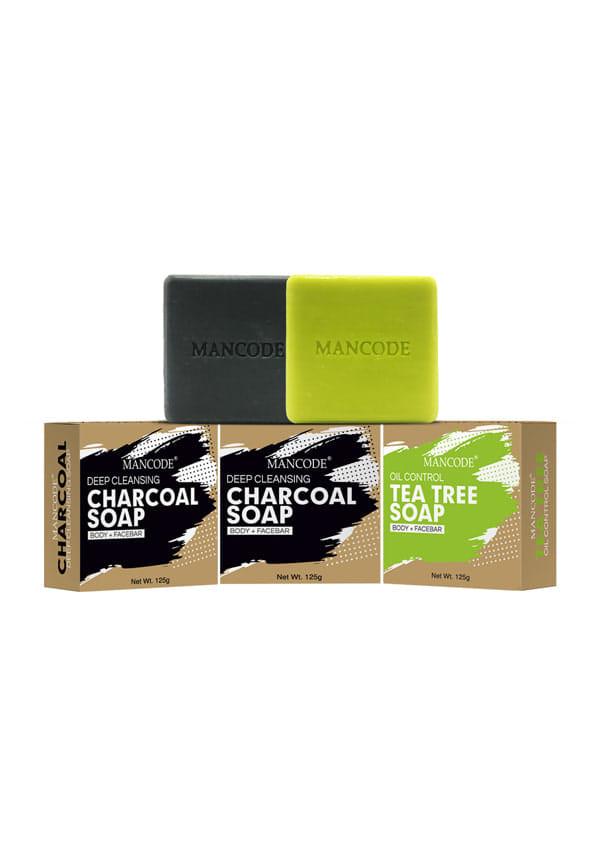
Charcoal Deep Cleansing, Charcoal Deep Cleansing And Tea Tree Oil Control Soap
Gentle, appropriate care for intimate areas using pH-balanced products. This is crucial for preventing infections and maintaining comfort.
Clean clothes, fresh undergarments daily, and proper laundry habits. Your clothes can harbour bacteria and odours, so this step is often overlooked but super important.
Proper cough and sneeze etiquette, including covering your mouth and nose. This protects both you and others from spreading illness.
Building a consistent daily hygiene routine doesn't have to be complicated. The trick is creating habits that fit seamlessly into your lifestyle and actually stick.
Start with face washing using a cleanser appropriate for your skin type. Follow up with a two-minute teeth brushing session—set a timer if you need to. Apply deodorant or antiperspirant while your skin is completely dry for maximum effectiveness. Quick hair care and styling, plus selecting clean clothes, rounds out your morning prep.
Your evening routine is where the real magic happens. A proper shower focuses on body odor control and removing the day's buildup. Follow up with thorough oral hygiene practices, including brushing and flossing. A simple skincare routine and basic nail maintenance prepare you for the next day. This is also when you can prep clean clothes and toiletries for tomorrow.
Your hygiene needs change based on your lifestyle, environment, and activities. Here's how to adapt your routine for different situations.
Living in dorms or shared accommodations requires extra attention to preventing illness with hygiene. Keep personal items separate, invest in shower shoes, and maintain a basic hygiene kit. Budget-friendly options include multi-purpose products and buying in bulk.
If you're hitting the gym regularly, your hygiene routine needs to work harder. Shower immediately after workouts to prevent bacteria buildup. Keep body wipes handy for quick freshening up, and consider antimicrobial clothing for intense training sessions.
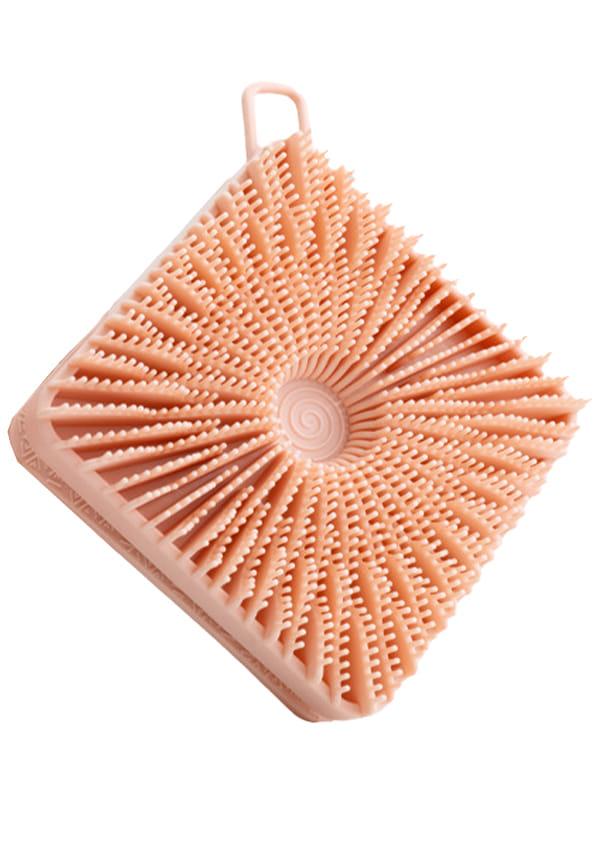
Bath Brush and Shampoo Brush, Body Scrubber and Scalp Massager
Workplace hygiene goes beyond just smelling good—it's about presenting yourself professionally. This includes maintaining fresh breath throughout the day, keeping hands clean (especially if you're shaking hands frequently), and ensuring your appearance stays polished from morning meetings to evening networking events.
Maintaining cleanliness while travelling requires strategic planning. Pack travel-sized versions of your essentials, keep hand sanitiser accessible, and don't skip your routine just because you're in a different environment. Trial-sized products are perfect for this—they're TSA-friendly and let you test new products without committing to full sizes.
Understanding what causes body odor helps you tackle it more effectively. It's not actually sweat that smells—it's the bacteria breaking down sweat that creates those unwanted odours.
Proper handwashing techniques involve the 20-second rule with soap and warm water, covering all surfaces including between fingers and under nails. For body odor control, choose antiperspirants over deodorants if you sweat heavily—antiperspirants actually reduce sweating, while deodorants just mask odour.
Your skin type determines which products will work best. Sensitive skin needs fragrance-free, gentle formulas. Oily skin can handle stronger cleansers, while dry skin requires moisturising ingredients. Don't be afraid to trial different products to find your perfect match.
What you eat affects how you smell. Garlic, onions, and spicy foods can influence body odour, while staying hydrated helps your body naturally detoxify. If you notice persistent body odour despite good hygiene habits, it might be worth consulting a healthcare provider.
Even with the best intentions, it's easy to fall into hygiene habits that aren't actually helping. Recognising these mistakes can seriously upgrade your routine.
Over-washing is surprisingly common and can actually make things worse by stripping your skin's natural protective barrier. This leads to irritation, dryness, and sometimes even increased oil production. On the flip side, under-washing allows bacteria and dead skin cells to accumulate, leading to odour and potential skin issues.
Using products that aren't right for your skin type is like wearing the wrong size shoes—uncomfortable and ineffective. Sharing personal items like razors, toothbrushes, or towels might seem harmless, but it's actually a quick way to spread bacteria and infections.
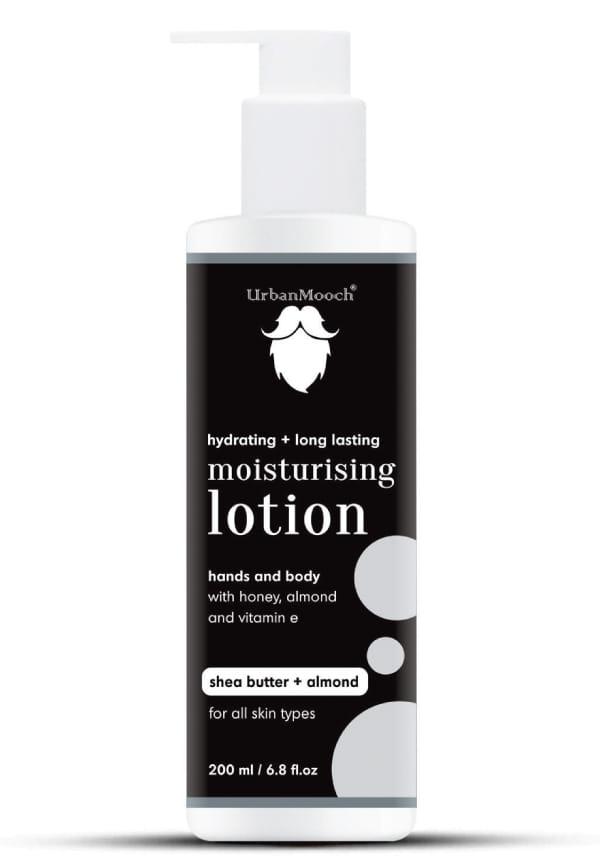
Body Lotion
The key to maintaining cleanliness long-term is building healthy habits for hygiene gradually. Start with one or two changes rather than overhauling your entire routine overnight. Create accountability systems—whether that's setting phone reminders or pairing hygiene habits with existing routines.
The top 10 include: daily showering, proper handwashing techniques, regular teeth brushing and flossing, using deodorant, washing hair regularly, keeping nails clean and trimmed, wearing clean clothes, maintaining intimate hygiene, covering coughs and sneezes, and getting adequate sleep for overall health.
Most people benefit from daily showers, especially if you're active or live in a hot climate. Hair washing frequency depends on your hair type—oily hair might need daily washing, while dry or curly hair can often go 2-3 days between washes.
Warning signs include persistent body odour, bad breath, dirty or unkempt hair, visible dirt under nails, wearing the same clothes repeatedly, and frequent illness due to poor hand hygiene.
Focus on multi-purpose products, buy basics in bulk, and trial products before investing in full sizes. Many effective hygiene products are available at affordable prices—you don't need expensive brands for good results. Platforms like Smytten offer trial packs that let you test products affordably before committing to full-size purchases.
Regular soap is actually just as effective as antibacterial soap for most daily hygiene needs. Antibacterial soaps can sometimes be too harsh for regular use and may contribute to antibiotic resistance when overused.
Identify whether your skin is oily, dry, sensitive, or combination, then look for products specifically formulated for your type. Start with gentle, fragrance-free options if you're unsure, and introduce new products gradually.
Improving your personal hygiene isn't about perfection—it's about building sustainable habits that work for your lifestyle. Focus on the seven essential types of hygiene, create a daily routine that you can actually stick to, and don't be afraid to adjust as needed. Remember that good hygiene is an investment in your health, confidence, and overall well-being.
The most important thing is consistency. Small, daily actions compound over time to create significant improvements in how you feel and how others perceive you. Whether you're dealing with specific concerns like body odor control or just want to upgrade your overall routine, the key is finding products and habits that work specifically for you.
Personal hygiene is deeply personal, and what works for your mate might not work for you. That's where trial and discovery become invaluable. Smytten is India's largest product discovery and trial platform, connecting consumers with top lifestyle, beauty, wellness, and grooming brands. With curated trial packs from over 1,500 trusted brands such as Cetaphil, Dot & Key, Love, Beauty & Planet, and Bella Vita, you can explore and experience hygiene products before committing to full-size purchases. Each mini is linked with Trial Points, and users can get up to 8 minis for just ₹249, plus 100% cashback on trials redeemable for future orders. This makes building your perfect hygiene routine both affordable and rewarding. After all, why settle for 'maybe' when you can try before you buy and find exactly what works for your unique needs?
