How to Identify and Treat Post-Acne Skin Marks
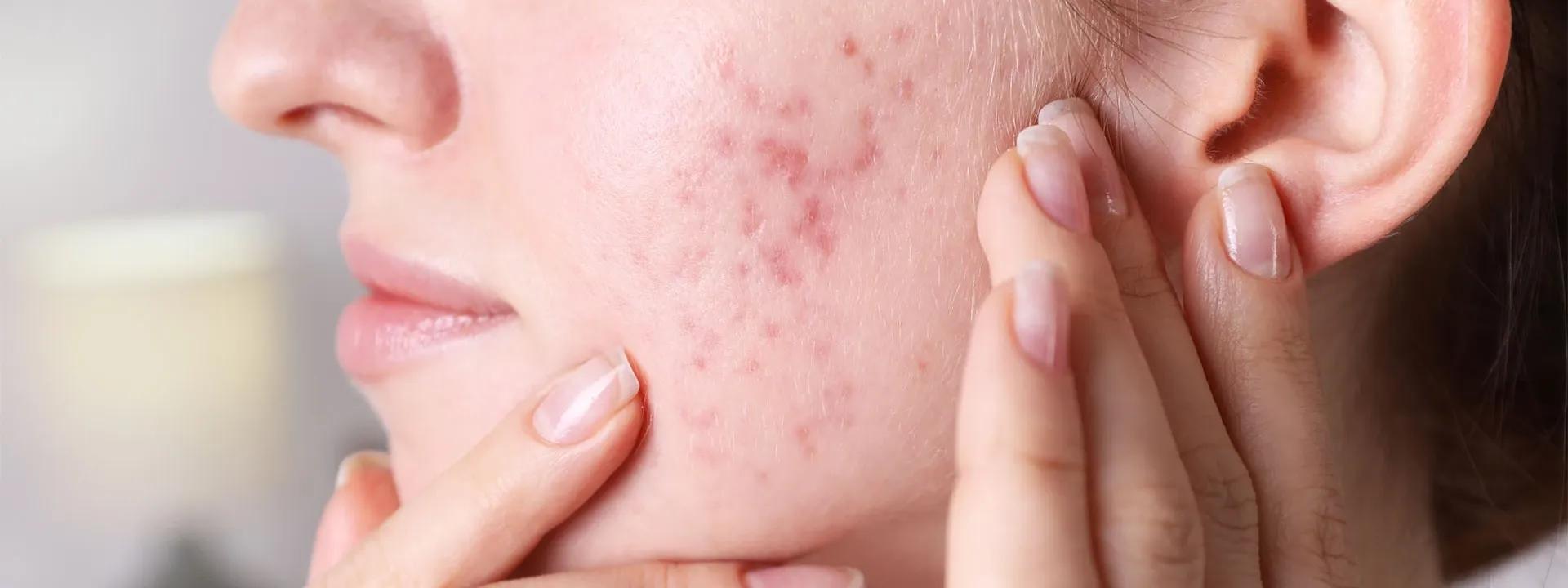

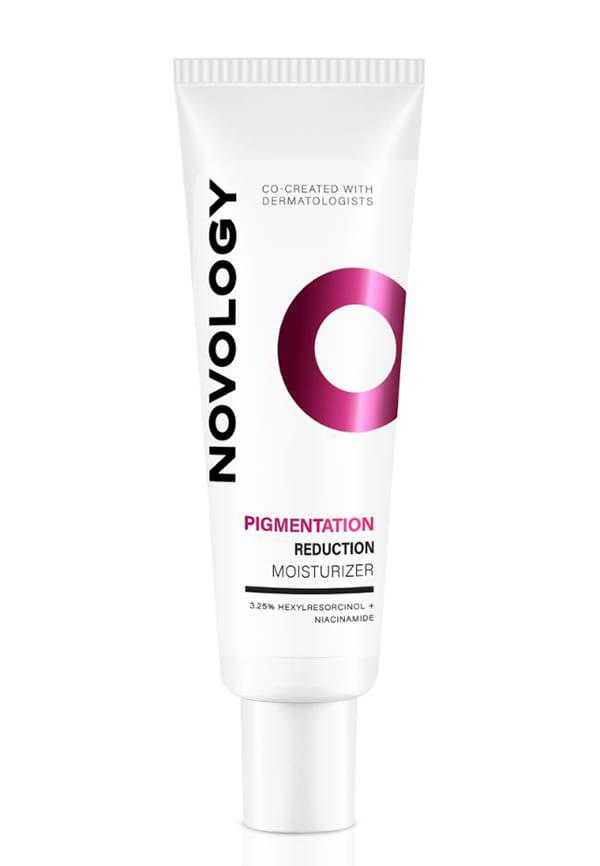
Pigmentation Moisturiser, Face Cream for Hyperpigmentation & Dark Spots
Dealing with post-acne marks can feel like fighting a battle that never ends. Just when you think your skin is finally clear, those stubborn dark spots and textured areas remind you of breakouts past. But here's the thing—not all post-acne marks are created equal. Understanding the difference between post acne hyperpigmentation vs scars is your first step towards choosing the right treatment and finally getting the clear skin you deserve. Let's break down what you're actually dealing with and how to tackle each type effectively.
Real talk—if you've ever stared at your reflection wondering whether that mark is going to fade or stick around forever, you're not alone. The confusion between acne scars vs hyperpigmentation is incredibly common, but knowing which one you're dealing with changes everything about your treatment approach.
Post inflammatory hyperpigmentation (PIH) is essentially your skin's way of overreacting to trauma. When acne causes inflammation, your skin produces excess melanin in response, creating those flat, darkened areas that can range from light brown to deep purple-black depending on your skin tone. The good news? PIH is temporary. These dark spots from acne typically fade naturally within 6-12 months, though the timeline varies based on your skin tone, the severity of the original inflammation, and how well you protect your skin from sun damage. On lighter skin tones, PIH often appears as red or pink marks, while on deeper skin tones, it shows up as brown or black spots.
Here's where the detective work begins. The main difference lies in texture—hyperpigmentation is completely flat and smooth to the touch, whilst true acne scars involve actual changes to your skin's structure. Think of hyperpigmentation as a temporary stain on your skin's surface, whilst scars are permanent alterations to the skin tissue itself. Scars can be either raised (hypertrophic) or depressed (atrophic), and they don't fade on their own like hyperpigmentation does. The formation process is different too—whilst PIH results from melanin overproduction, scarring after acne occurs when the healing process goes awry, either producing too much collagen (raised scars) or too little (depressed scars).
Wondering how to identify acne scars versus other types of marks? The answer literally lies at your fingertips. The touch test is your most reliable method for distinguishing between different types of post-acne marks.
Gently run your finger across the affected area. If you feel any texture changes—whether it's a depression, raised bump, or uneven surface—you're likely dealing with scarring. Smooth, flat discoloration indicates hyperpigmentation. Atrophic scars come in three main varieties: ice pick scars (deep, narrow pits), boxcar scars (wider depressions with defined edges), and rolling scars (broad depressions with sloping edges). Hypertrophic scars, on the other hand, feel raised and firm to the touch. Each type requires different treatment approaches, so proper identification is crucial.
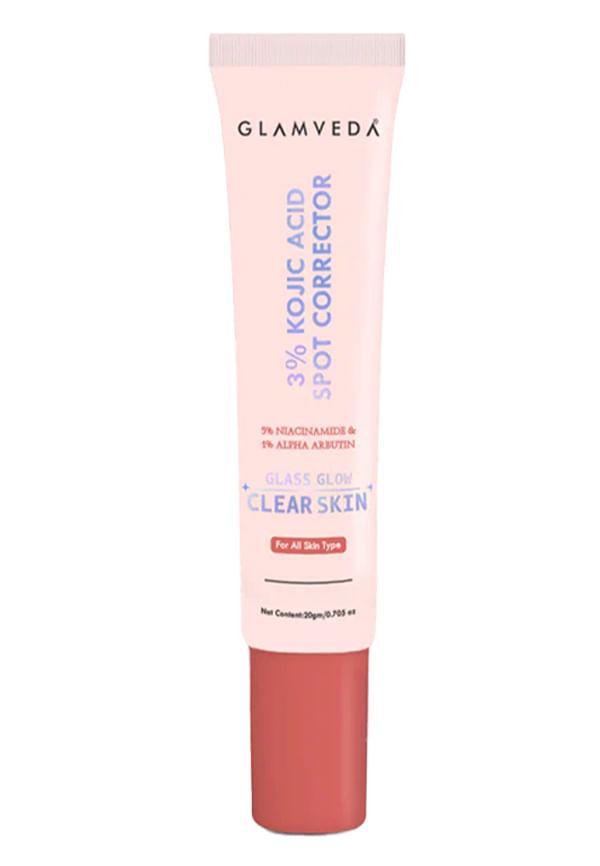
3% Kojic Acid Spot Corrector Gel Reduces Acne Scars & Dark Spots
The timeline of mark development also offers clues. Hyperpigmentation typically appears immediately after the acne lesion heals, whilst true scarring becomes more apparent as the initial inflammation subsides. Marks that have been present for over a year without any fading are more likely to be scars rather than hyperpigmentation. Your skin type plays a role too—those with oily, acne-prone skin are more susceptible to both types of marks, but deeper skin tones are particularly prone to post inflammatory hyperpigmentation.
Now that you've identified hyperpigmentation, let's talk solutions. The best hyperpigmentation treatment combines consistent at-home care with professional interventions when needed.
Vitamin C serums are your first line of defence against dark spots. This powerful antioxidant not only helps fade existing pigmentation but also prevents new spots from forming. Look for stable forms like magnesium ascorbyl phosphate or sodium ascorbyl phosphate. Niacinamide deserves a special mention here—this form of vitamin B3 is brilliant for hyperpigmentation treatment. It works by inhibiting melanin transfer to skin cells and has anti-inflammatory properties that prevent future PIH. Products with 10-20% niacinamide concentration show the best results. Retinoids accelerate cell turnover, helping to shed pigmented cells faster whilst promoting the growth of new, evenly-toned skin. Start with over-the-counter retinol or prescription tretinoin, but introduce them gradually to avoid irritation. Sun protection isn't optional—it's essential. UV exposure can darken existing hyperpigmentation and create new spots. Use broad-spectrum SPF 30 or higher daily, even indoors.
Chemical peels offer faster, more dramatic results for stubborn hyperpigmentation. Glycolic acid, salicylic acid, and TCA peels work by removing the top layers of pigmented skin, revealing fresher, more evenly-toned skin underneath. Laser treatments and IPL (Intense Pulsed Light) therapy target melanin directly, breaking up pigment clusters for faster fading. These treatments are particularly effective for deeper or more resistant hyperpigmentation. Microneedling stimulates collagen production whilst creating micro-channels that enhance product penetration. When combined with vitamin C or other brightening serums, it can significantly accelerate hyperpigmentation fading.
Scarring requires a different approach entirely. Whilst hyperpigmentation responds well to topical treatments, true scars need interventions that can remodel the skin's structure.
Laser resurfacing is the gold standard for treat acne scars. Fractional CO2 lasers create controlled micro-injuries that stimulate collagen production, gradually improving scar texture and depth. Multiple sessions are typically needed, but results can be dramatic. For depressed scars, dermal fillers offer immediate improvement by literally filling in the depressions. Hyaluronic acid fillers are temporary but safe, whilst longer-lasting options like Sculptra stimulate your own collagen production. Punch techniques work well for ice pick scars—the scar is surgically removed and the area is either sutured closed or filled with a skin graft. It sounds intense, but for deep, narrow scars, it's often the most effective approach.
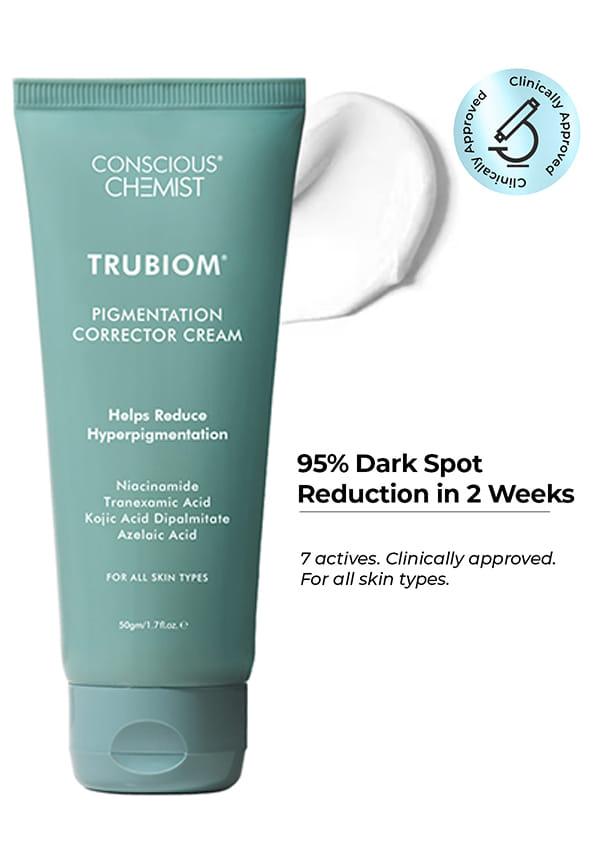
Pigmentation Corrector Moisturiser For Dark Spots
Whilst professional treatments offer the best results for true scarring, consistent at-home care can improve mild textural issues. Retinoids remain your best bet for acne mark removal at home, as they promote collagen synthesis and skin remodelling over time. Silicone-based scar treatments can help with raised scars by keeping the area hydrated and creating an optimal healing environment. These work best on newer scars but can provide some improvement for older ones too. The key is consistency and realistic expectations. At-home treatments for scarring work slowly—think months to years rather than weeks.
Building an effective routine for post-acne marks requires strategic layering of active ingredients and consistent daily habits. Your routine should address both prevention of new marks and treatment of existing ones.
Start with a gentle, non-stripping cleanser that won't irritate healing skin. Follow with a vitamin C serum to protect against environmental damage and fade existing pigmentation. Layer on a lightweight moisturiser to maintain your skin barrier, then finish with broad-spectrum SPF—this step is non-negotiable. The order matters: cleanser, vitamin C serum, moisturiser, then sunscreen. Allow each product to absorb before applying the next.
Evening is when the real treatment happens. Double cleanse if you wear makeup or sunscreen, then apply your treatment actives. Alternate between retinoids (for cell turnover and collagen stimulation) and other actives like niacinamide or AHA/BHA exfoliants. Always follow actives with a nourishing moisturiser to support your skin barrier. Consider adding a weekly treatment mask with ingredients like kojic acid or arbutin for extra brightening power.
The best treatment for post-acne marks is preventing them in the first place. This means addressing acne promptly and properly to minimise inflammation and subsequent marking.
Treat active acne aggressively but gently. The longer inflammation persists, the more likely it is to leave marks behind. Avoid picking, squeezing, or otherwise traumatising your skin—this mechanical trauma significantly increases the risk of both hyperpigmentation and scarring. Maintain a consistent skincare routine that keeps your skin barrier healthy. Compromised skin is more prone to inflammation and slower healing, both of which contribute to mark formation.
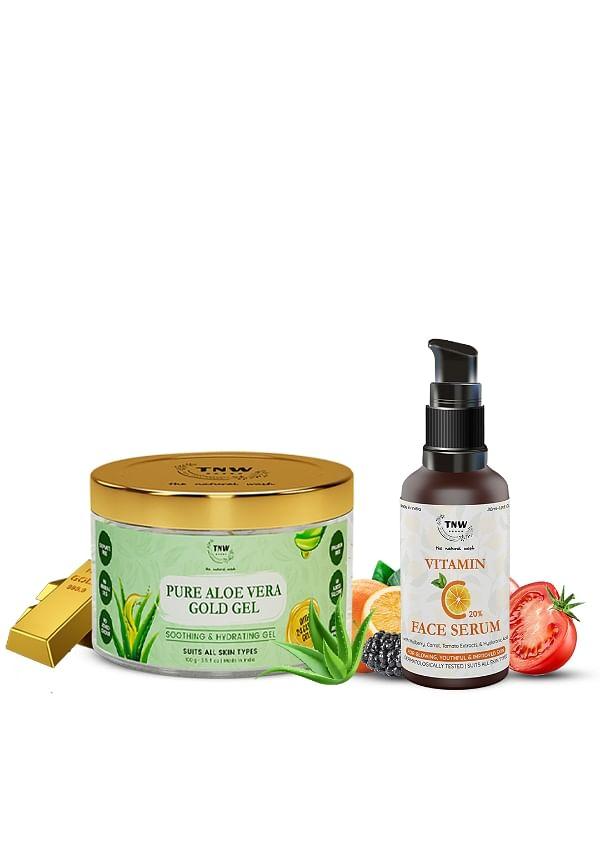
Vitamin C Face Serum and Pure Aloe Vera Gold Gel | Skin Clearing Serum & Pure Aloe Vera Gold Gel for Glowing Face | No Harmful Chemicals, Natural Ing
Seek professional help if your marks haven't improved after 6-12 months of consistent at-home treatment, if you have deep or extensive scarring, or if new marks continue to form despite proper acne management. Combination therapy often yields the best results—professional treatments to address existing damage combined with medical-grade at-home products for maintenance and prevention. This is where platforms like Smytten become invaluable. With access to trial packs from over 1,500 trusted brands including Cetaphil, Dot & Key, and other dermatologist-recommended options, you can test different treatments without committing to full-size products. Getting up to 8 minis for just ₹249 with 100% cashback makes it affordable to experiment with various hyperpigmentation and scar treatments until you find what works for your skin.
Use the touch test—run your finger gently across the affected area. Scars will have texture changes (raised bumps or depressions), whilst hyperpigmentation appears as flat, discoloured areas without any texture changes.
PIH typically fades naturally within 6-12 months, though this varies based on skin tone, mark severity, and sun protection habits. Darker skin tones may take longer to fade.
Yes, but use them at different times—vitamin C in the morning and retinol in the evening. This prevents potential irritation whilst maximising the benefits of both ingredients.
When performed by qualified professionals, chemical peels are safe and effective for hyperpigmentation. Start with lighter peels and gradually increase strength as your skin tolerates them.
Atrophic scars are depressed or sunken areas where tissue has been lost, whilst hypertrophic scars are raised areas where excess collagen has formed during healing.
Understanding the difference between post acne hyperpigmentation vs scars is crucial for choosing the right treatment approach. Whilst hyperpigmentation responds well to topical treatments and fades naturally over time, true scarring requires more intensive interventions to see significant improvement. The key to success lies in proper identification, consistent treatment, and realistic expectations. Remember that treating post-acne marks is a marathon, not a sprint—results take time, but with the right approach, clearer skin is absolutely achievable. With Smytten's extensive range of trial packs from trusted skincare brands, you can explore different treatment options without the financial commitment of full-size products. Whether you're dealing with stubborn dark spots or textured scarring, there's a solution out there that's worth trying. After all, why settle for marked skin when you can discover what works best for you and achieve the clear, confident complexion you deserve?
