How to Harness the Cleansing Power of Soap: Unlocking Its Secrets

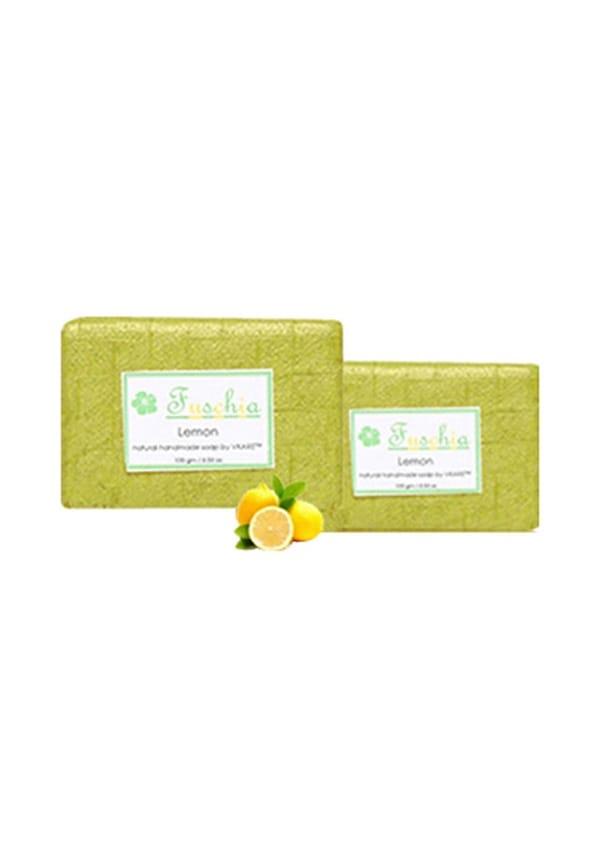
Lemon Natural Handmade Glycerine Soap
Ever wondered how soap works its magic? You're not alone. The cleansing action of soap isn't just about bubbles and fresh scents—it's a fascinating dance of molecules that's been happening every time you wash your hands, body, or dishes. Real talk, understanding how soap actually cleans can transform how you choose and use cleaning products. From the tiniest dirt particles to stubborn oils, soap's molecular structure makes it a cleaning powerhouse that's worth understanding. Let's dive into the science that makes soap one of humanity's most reliable cleaning allies.
Here's where things get properly interesting. Soap molecules are like tiny cleaning superheroes with a split personality. Each molecule has two distinct ends that work together to create the cleansing action of soap we rely on daily.
One end of a soap molecule loves water (hydrophilic), while the other end despises it and prefers oils and fats (hydrophobic). This isn't just chemistry trivia—it's the foundation of soap cleansing properties that make effective cleaning possible.
Water naturally forms a protective film on surfaces due to surface tension. Soap molecules disrupt this tension, allowing water to spread and penetrate areas it couldn't reach before. This breakthrough moment is when the real soap cleaning action begins.
When soap concentration reaches a certain point, molecules cluster together forming micelles—tiny spherical structures with oil-loving tails pointing inward and water-loving heads facing outward. These micelles become dirt-trapping vehicles that showcase soap surfactant properties at their finest.
The cleansing action of soap unfolds like a perfectly choreographed sequence. Understanding each step helps explain why soap remains unmatched in its cleaning effectiveness across various applications.
When soap meets dirty surfaces, the hydrophilic ends immediately bond with water molecules while hydrophobic ends seek out oils, grease, and dirt particles. This dual attraction demonstrates the remarkable soap detergent qualities that make thorough cleaning possible.
As soap molecules surround dirt particles, they essentially "wrap" them in a protective layer. The oil-loving tails grab onto greasy substances while water-loving heads face outward, creating a suspended particle that water can now carry away.
The soap emulsifying power becomes evident as oil and water—normally incompatible substances—mix together. Soap acts as a mediator, allowing these opposing elements to coexist temporarily until rinsing removes them entirely.
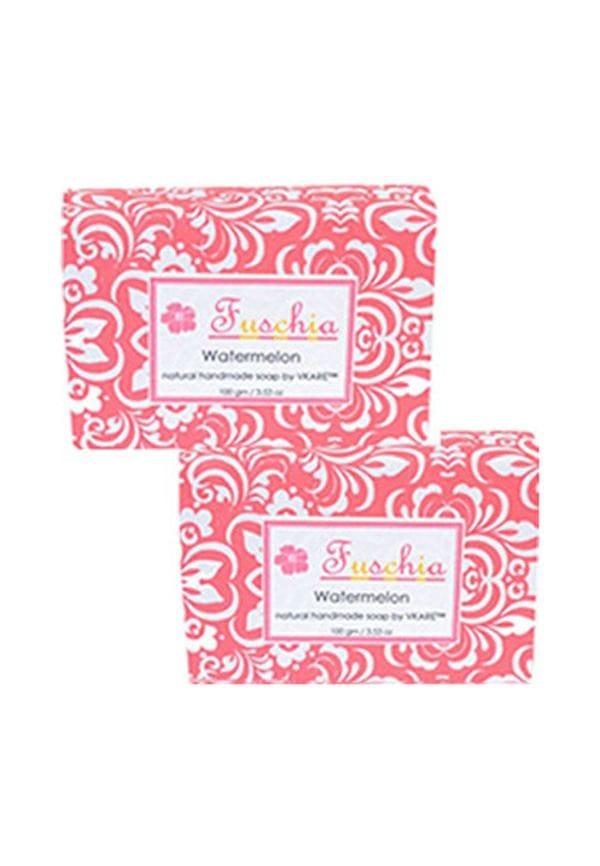
Watermelon Natural Handmade Glycerine Soap
During rinsing, water carries away the soap-encased dirt particles. This final step completes the cleaning cycle and showcases why proper rinsing is crucial for maximising soap cleansing effectiveness.
Not all soaps clean equally. Various formulations offer distinct advantages depending on the cleaning challenge at hand. Understanding these differences helps optimise soap cleaning performance for specific needs.
Made through saponification of fats and oils, traditional soaps offer reliable cleaning power. Their soap foaming capacity varies based on ingredients, but they consistently deliver effective cleansing action across most applications.
Liquid soaps often contain synthetic detergents alongside traditional soap ingredients. This combination enhances soap surfactant properties and provides more consistent performance in various water conditions.
From antibacterial formulations to moisturising variants, specialised soaps target specific cleaning needs while maintaining the fundamental cleansing action of soap that makes them effective.
Even the most effective soap faces obstacles that can reduce its cleaning power. Recognising these challenges helps explain why soap cleansing effectiveness varies in different situations.
Minerals in hard water react with soap molecules, forming insoluble precipitates that reduce cleaning efficiency. This reaction directly impacts soap cleaning action and explains why some areas require different cleaning approaches.
Extreme pH levels and cold temperatures can affect soap's molecular behaviour. Understanding these limitations helps optimise soap detergent qualities through proper usage conditions.
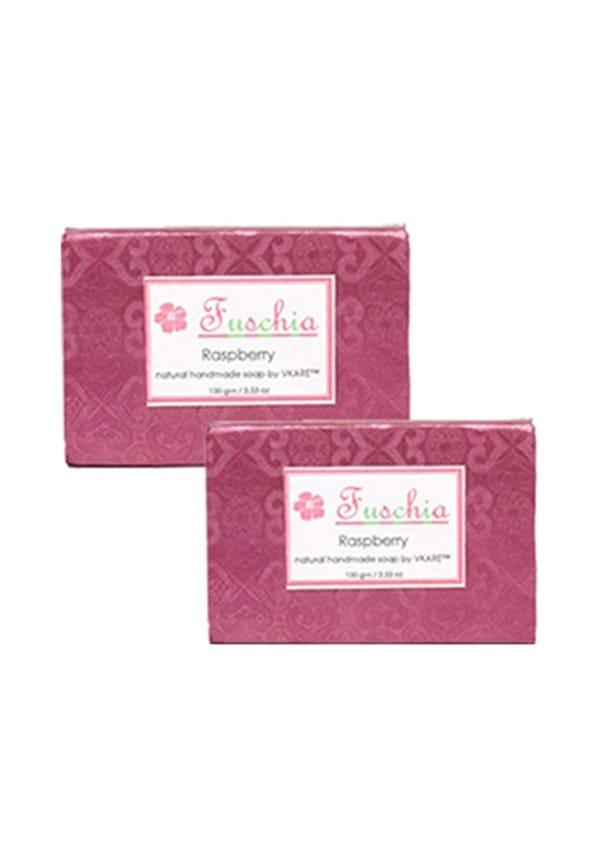
Raspberry Natural Handmade Glycerine Soap
Strategic approaches like pre-treating stains, adjusting water temperature, and selecting appropriate soap types can maximise soap purifying action even in challenging conditions.
Modern soap science extends far beyond basic cleaning. Advanced formulations leverage sophisticated chemistry to enhance every aspect of the cleansing action of soap.
Contemporary soaps incorporate multiple surfactants that work synergistically. This approach amplifies soap surfactant properties and delivers superior cleaning across diverse applications.
While bubbles aren't essential for cleaning, controlled soap foaming capacity provides visual feedback and helps distribute cleaning agents evenly across surfaces.
Modern formulations enhance soap emulsifying power through carefully balanced ingredient combinations that tackle specific types of dirt and grime more effectively.
Understanding the cleansing action of soap translates into practical benefits across numerous applications. From personal care to household cleaning, this knowledge empowers better product choices.
Body soaps, face cleansers, and hand washes all rely on the same fundamental soap cleaning performance principles while addressing specific skin needs through targeted formulations.
Dish soaps, laundry detergents, and multi-purpose cleaners showcase how soap cleansing properties adapt to tackle everything from delicate fabrics to stubborn kitchen grease.
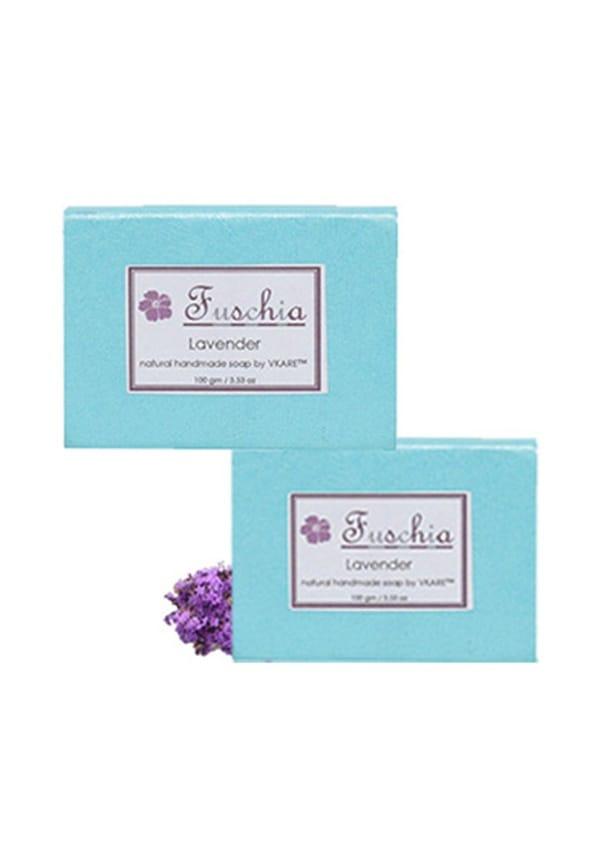
Lavender Natural Handmade Glycerine Soap
Commercial cleaning operations rely on enhanced soap purifying action to maintain hygiene standards in hospitals, restaurants, and manufacturing facilities.
Speaking of discovering the right cleaning products, platforms like Smytten make it incredibly easy to explore different soap formulations through trial-sized products. With over 1,500 trusted brands available, you can test various soap cleansing effectiveness options before committing to full-size purchases—because why settle for maybe when you can try it all?
Soap's effectiveness comes from its unique molecular structure featuring both water-loving and oil-loving ends. This dual nature allows soap to bridge the gap between water and oily dirt, creating the fundamental cleansing action of soap that enables thorough cleaning.
Soap molecules surround dirt and oil particles by positioning their hydrophobic tails toward the grime and hydrophilic heads toward water. This creates micelles that suspend dirt in water, demonstrating the remarkable soap emulsifying power that makes rinsing effective.
Hard water contains calcium and magnesium ions that react with soap molecules to form insoluble precipitates. These precipitates reduce the number of active soap molecules available for cleaning, directly impacting soap cleaning performance and requiring more product for effective results.
No, different soap formulations offer varying soap cleansing effectiveness based on their ingredients, surfactant combinations, and intended applications. Factors like pH level, moisturising agents, and specialised additives all influence overall cleaning performance.
Not necessarily. While soap foaming capacity can indicate product activity, cleaning effectiveness depends on the soap's ability to reduce surface tension and form micelles rather than bubble production. Some highly effective cleaners produce minimal foam.
The cleansing action of soap represents one of chemistry's most practical applications in daily life. From the molecular dance of hydrophilic and hydrophobic interactions to the formation of dirt-trapping micelles, soap's cleaning power stems from sophisticated science made simple.
Understanding these mechanisms helps you make smarter choices about cleaning products, whether you're selecting a gentle face cleanser or a powerful dish soap. The same fundamental soap surfactant properties that remove makeup also tackle kitchen grease—it's all about matching the right formulation to your specific needs.
Next time you watch bubbles swirl down the drain, remember the incredible molecular choreography happening at microscopic levels. Each soap molecule is working tirelessly to grab dirt, suspend it in water, and carry it away—a process that's remained fundamentally unchanged for centuries while continuously evolving through modern science.
With platforms like Smytten offering trial sizes from over 1,500 brands, exploring different soap formulations has never been easier. You can discover which soap cleaning action works best for your specific needs without the commitment of full-size purchases. After all, understanding the science is just the beginning—finding your perfect match is where the real magic happens.
