How to Get Rid of Thigh Chafing: Quick Relief & Prevention

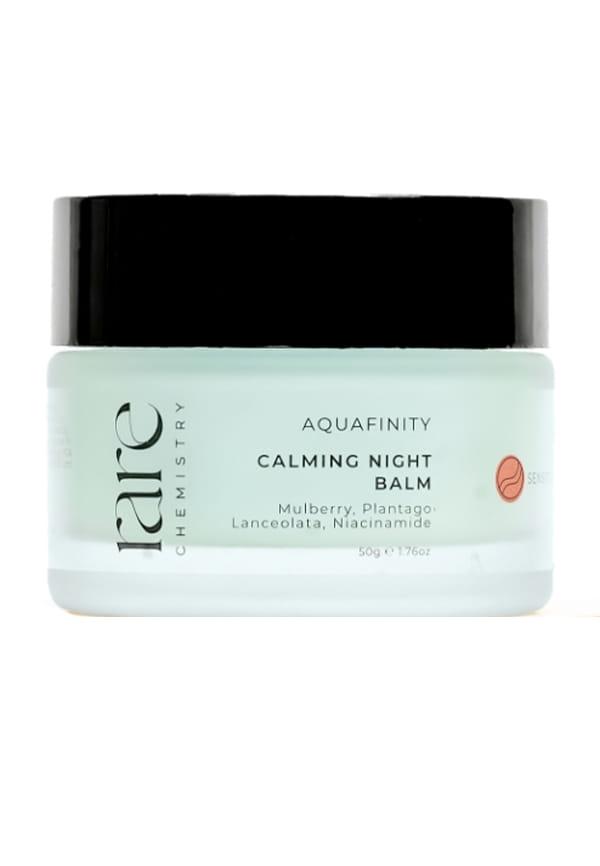
Aquafinity Calming Night Balm
That uncomfortable burning sensation between your thighs after a long day out? You're not alone. Thigh chafing affects millions of people, especially during warmer months or when wearing certain fabrics. Whether you call it chub rub or inner thigh irritation, this common skin issue can turn a great day into an uncomfortable experience. The good news is that learning how to get rid of thigh chafing doesn't have to be complicated. From immediate relief solutions to long-term prevention strategies, there are proven methods that actually work. Plus, with platforms like Smytten offering trial-sized skincare and body care products, you can test different anti-chafing solutions without committing to full-size purchases. Let's dive into everything you need to know about treating and preventing this pesky problem once and for all.
TL;DR
Thigh chafing happens when skin rubs against skin, causing friction, redness, and irritation
Immediate relief involves gentle cleaning, applying petroleum jelly or aloe vera, and avoiding further friction
Prevention is key: use anti-chafing products, wear moisture-wicking fabrics, and choose proper-fitting clothes
Healing typically takes 2-7 days depending on severity, but overnight relief is possible
See a doctor if you notice signs of infection or persistent chafing that won't heal
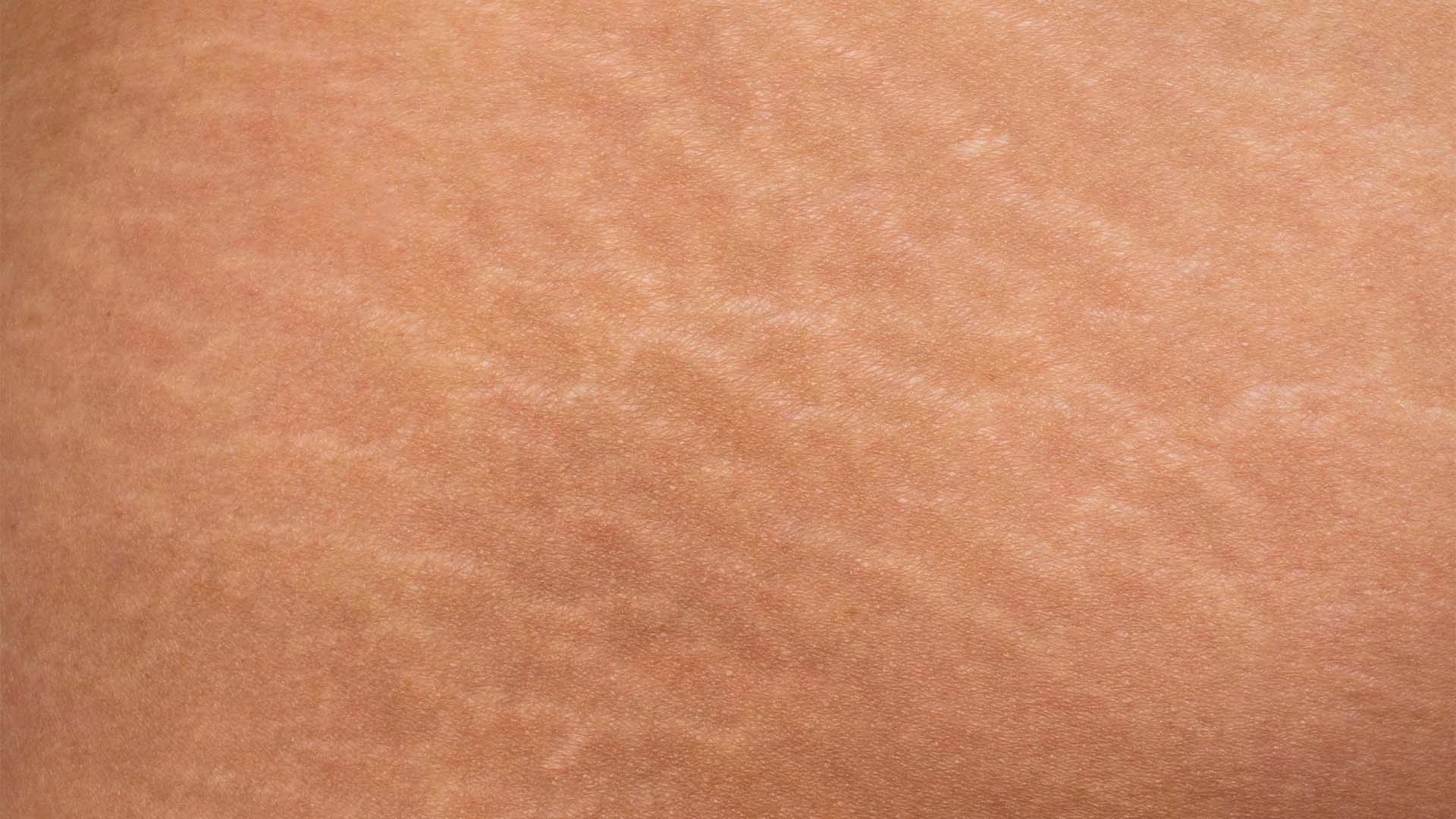
Thigh chafing, often called chub rub, occurs when the skin on your inner thighs rubs together repeatedly, creating friction that leads to irritation, redness, and sometimes painful raw patches. This chafing between thighs isn't just about body size—it can happen to anyone whose thighs touch while walking, regardless of weight or fitness level.
The main culprits behind inner thigh irritation include friction from skin-on-skin contact, moisture from sweat or humidity, heat that makes skin more sensitive, and clothing that doesn't fit properly or is made from rough fabrics. Hot weather, long walks, exercise, and wearing dresses or skirts without proper protection are common triggers. Even something as simple as a day of shopping or walking around a festival can lead to uncomfortable chafing if you're not prepared.
When you're dealing with active chafing, quick action can prevent the situation from getting worse and start the healing process. The key is being gentle while addressing both the irritation and any underlying moisture or bacteria.
Start by gently cleaning the affected area with lukewarm water and a mild, fragrance-free soap. Avoid scrubbing or using harsh products that could further irritate already sensitive skin. Pat the area completely dry with a clean towel—never rub, as this can worsen the irritation and potentially cause more damage to the skin barrier.
Several proven thigh chafing remedies can provide immediate relief and promote faster healing. Petroleum jelly creates a protective barrier that prevents further friction while allowing the skin to heal. It's particularly effective because it stays put even when you're moving around.
Aloe vera gel offers natural anti-inflammatory properties that can reduce redness and soothe burning sensations. Look for pure aloe vera without added fragrances or alcohol, which could sting damaged skin. Zinc oxide, commonly found in nappy rash creams, accelerates skin repair and provides excellent protection against moisture.
While complete healing takes time, you can achieve significant overnight relief with proper care. Apply a thick layer of petroleum jelly or healing balm before bed, wear loose, breathable clothing, and avoid any activities that might cause additional friction. Mild chafing often feels much better by morning, though complete healing typically takes 2-7 days depending on severity.
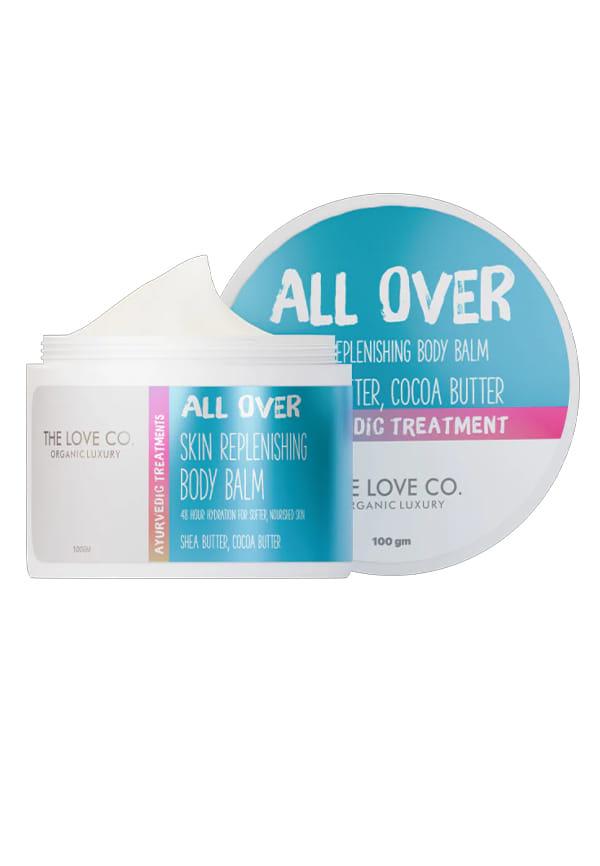
All Over Skin Replenishing Body Balm
The right anti-chafing products for thighs can make all the difference in both treatment and prevention. Understanding which products work best for different situations helps you choose the most effective solution for your needs.
Body glide for thighs remains one of the most popular choices among athletes and everyday users alike. These stick-on balms create a invisible, long-lasting barrier that reduces friction without feeling greasy or sticky. Similar products include specialised anti-chafing sticks that contain ingredients like dimethicone or petrolatum.
When choosing a chafing cream for thighs, consider whether you prefer natural or synthetic formulations. Natural options often include shea butter, coconut oil, or beeswax, while synthetic versions may offer longer-lasting protection and better water resistance.
Cornstarch-based powders can help absorb excess moisture and reduce friction, making them excellent for prevention. However, avoid using powders on already broken or raw skin, as they can cause stinging and may actually increase irritation. Baby powder containing talc should be avoided entirely due to health concerns.
Prevention is always better than treatment when it comes to thigh chafing. By making smart choices about clothing, skincare, and lifestyle habits, you can significantly reduce your risk of developing chub rub in the first place.
Moisture-wicking compression shorts are your best friend for preventing chub rub. These fitted garments create a smooth barrier between your thighs while drawing sweat away from your skin. Look for seamless options made from synthetic blends that won't bunch up or roll during movement.
Cotton might feel comfortable, but it actually makes chafing worse because it holds moisture against your skin and can become rough when wet. Instead, choose fabrics like polyester, spandex, or synthetic blends that stay smooth and dry. Anti-chafe bands or bike shorts under dresses provide protection without adding bulk.
Staying properly hydrated helps maintain healthy skin that's more resistant to friction and irritation. Well-hydrated skin is more elastic and less likely to crack or tear when subjected to rubbing. Regular moisturising with a good body lotion can also help maintain skin barrier function.
Pink Mania AHA BHA Purifying & Oil Control Face Mudd With Turmeric & Green Tree
If you're dealing with recurring chafing, consider modifying your exercise routine during healing periods. Swimming is an excellent low-friction alternative to running or walking, and yoga can help maintain flexibility without causing additional irritation.
While the basic principles of treating and preventing thigh chafing remain the same, certain factors can make some people more susceptible to this issue or require slightly different approaches.
Hormonal fluctuations throughout the menstrual cycle can affect skin sensitivity, making some women more prone to chafing at certain times of the month. During pregnancy, weight gain and changes in body shape can increase the likelihood of thigh rubbing, requiring extra attention to prevention strategies.
When wearing dresses or skirts, consider anti-chafe shorts or bands specifically designed to be invisible under clothing. These products have come a long way in terms of comfort and effectiveness, with many options now featuring lace edges or seamless construction.
Men who experience thigh chafing often do so during athletic activities or in professional settings where they're walking extensively. Longer-leg boxer briefs made from moisture-wicking materials can provide excellent protection without being obvious under work clothes.
For athletes, compression shorts designed for specific sports often offer the best protection. Running shorts with built-in compression liners eliminate the need for separate undergarments while providing optimal chafe protection.
While most cases of thigh chafing heal on their own with proper care, certain warning signs indicate you should seek medical attention. Watch for signs of infection including increased redness that spreads beyond the original chafed area, warmth to the touch, pus or unusual discharge, red streaks extending from the affected area, or fever.
If your chafing isn't improving after a week of proper treatment, or if you develop painful boils or cysts in the affected area, it's time to consult a healthcare provider. They can prescribe stronger treatments or investigate underlying conditions that might be contributing to persistent skin problems.
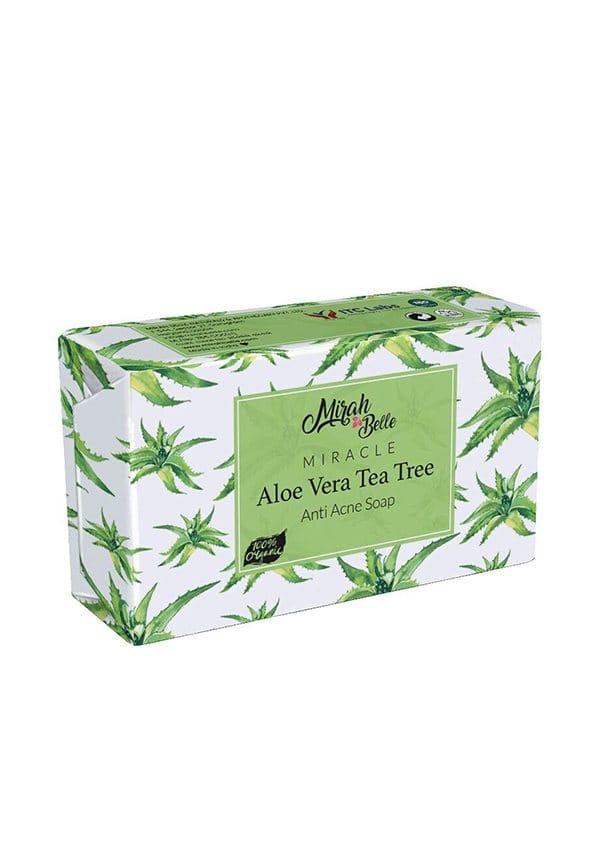
Miracle Aloe Vera & Tea Tree Anti Acne Soap
Clean the area gently with mild soap and water, pat dry, then apply petroleum jelly or a healing balm. Avoid further friction by wearing loose clothing or protective barriers. Most mild chafing improves within 2-3 days with proper care.
Mild chafing typically heals in 2-3 days, moderate cases take 5-7 days, and severe chafing may need 1-2 weeks. The healing time depends on the severity of the irritation and how well you protect the area from further friction.
While complete healing takes several days, you can achieve significant overnight relief by cleaning the area, applying a thick layer of petroleum jelly or aloe vera gel, and wearing loose, breathable clothing to bed.
Use anti-chafing products before activities, wear moisture-wicking compression shorts or anti-chafe bands, choose synthetic fabrics over cotton, maintain proper hygiene, and stay hydrated to keep skin healthy.
Smytten offers trial sizes of various body care products including anti-chafing balms and moisturisers from trusted brands. You can test different formulations to find what works best for your skin before committing to full-size purchases.
Thigh chafing is a common but manageable problem that responds well to both immediate treatment and long-term prevention strategies. The key to success lies in acting quickly when chafing occurs, using the right products for your specific needs, and making smart clothing choices to prevent future episodes.
Remember that what works for one person might not work for another, so don't be discouraged if the first solution you try isn't perfect. Whether you prefer natural remedies like aloe vera or commercial anti-chafing products, consistency in application and protection is what matters most. With the right approach, you can enjoy all your favourite activities without worrying about uncomfortable chub rub.
Finding the right solution for thigh chafing often involves trying different products to see what works best for your skin and lifestyle. Smytten makes this process easier and more affordable by offering trial-sized versions of skincare and body care products from over 1,500 trusted brands. Instead of investing in full-size products that might not suit you, you can test various anti-chafing balms, moisturisers, and healing treatments through their curated trial packs. With 100% cashback on trial purchases and the convenience of PAN-India delivery, you can discover your perfect chafe-prevention routine without the guesswork. After all, when it comes to comfortable, chafe-free living, why settle for maybe when you can try it all and find exactly what works for you?
