How to Control Excessive Sweating Naturally: Home Remedies

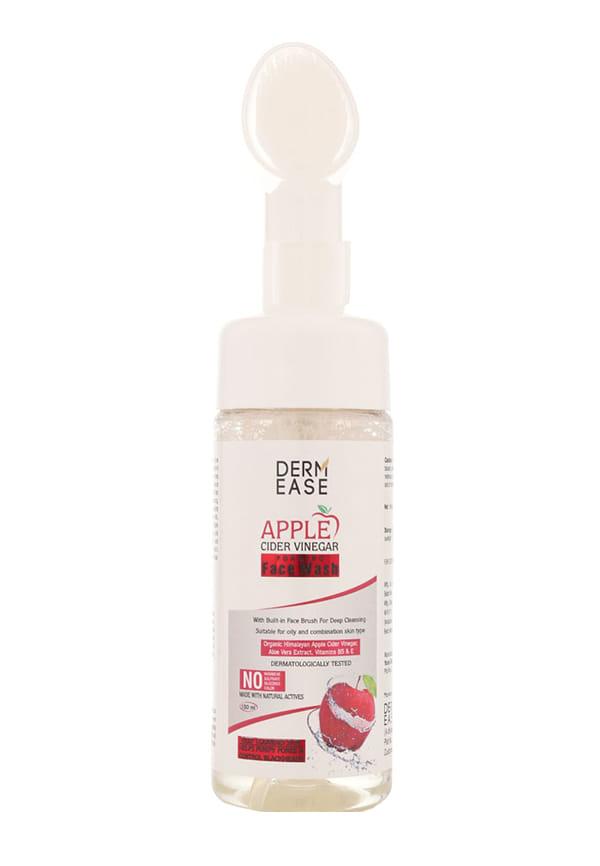
APPLE CIDER VINEGAR FOAMING FACE WASH
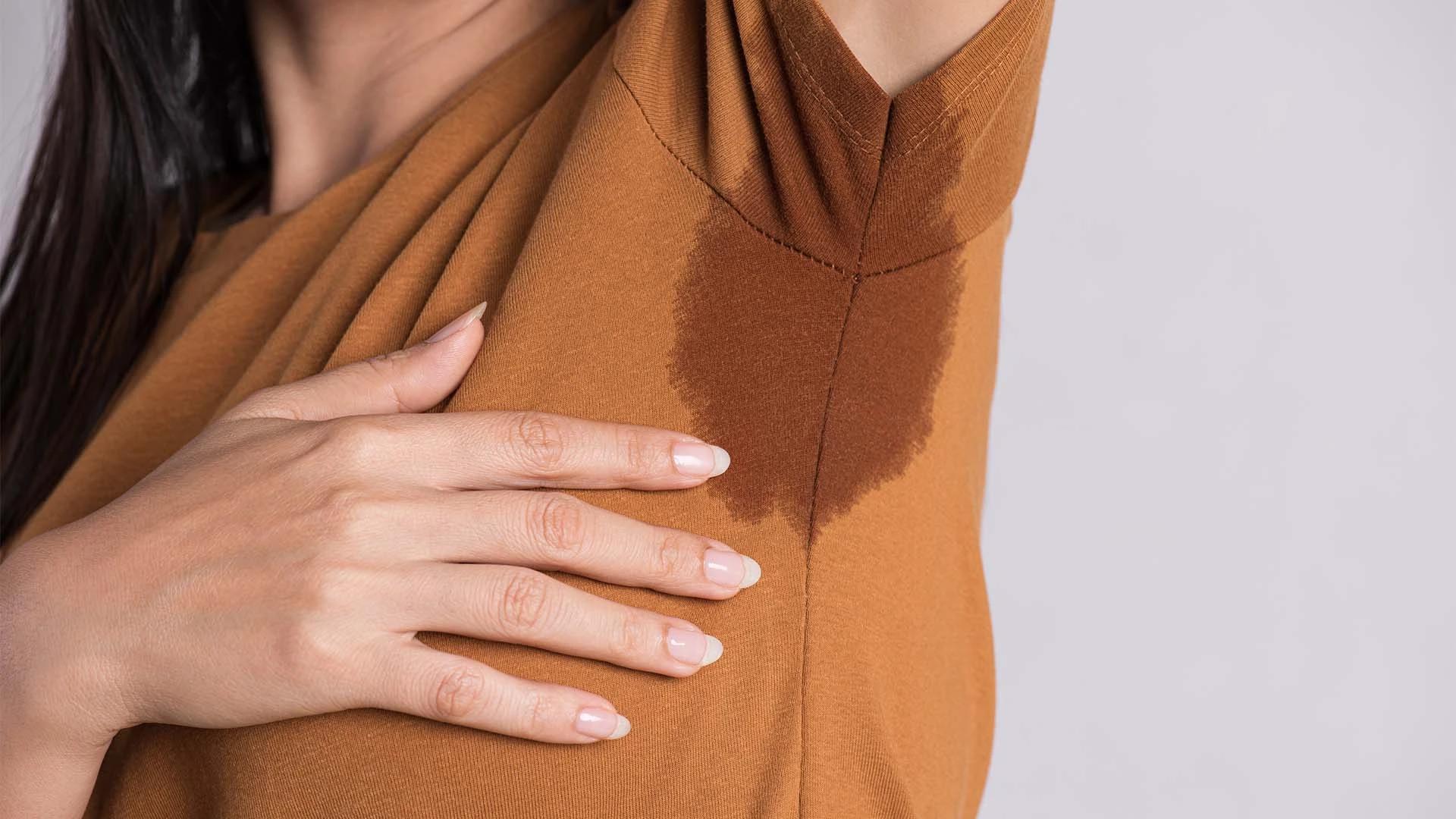
Dealing with excessive sweating can feel like a constant battle, especially when you're trying to stay fresh and confident throughout the day. While commercial antiperspirants promise quick fixes, many people are turning to natural remedies for hyperhidrosis that work with your body rather than against it. The good news? There are plenty of ways to control body odor from sweat and reduce sweating without antiperspirant using ingredients you probably already have at home. Whether you're dealing with underarm sweat, sweaty palms, or general hyperhidrosis, natural solutions can offer genuine relief without harsh chemicals. From dietary tweaks to herbal treatments for excessive sweating, these time-tested approaches help you manage sweat glands naturally while addressing the root causes. Smytten's extensive collection of natural bath and body products makes it easier than ever to discover gentle, effective solutions that work for your specific needs.
TL;DR
Natural remedies like aloe vera for sweating and apple cider vinegar for sweat can effectively reduce excessive perspiration
Diet for reducing sweat includes avoiding caffeine, spicy foods, and processed items while increasing hydrating foods
Home remedies for underarm sweat include baking soda, cornstarch, and DIY natural deodorants
Lifestyle changes like stress management, proper clothing choices, and sleep hygiene significantly impact sweat production
Combining multiple natural approaches typically shows results within 2-8 weeks of consistent use
Excessive sweating, medically known as hyperhidrosis, affects millions of people worldwide and goes far beyond normal perspiration. While everyone sweats to regulate body temperature, hyperhidrosis causes sweating that's disproportionate to heat or physical activity. Understanding the difference between primary and secondary hyperhidrosis helps determine whether natural remedies are your best bet.
Primary hyperhidrosis typically affects specific areas like underarms, palms, feet, or face without an underlying medical condition. This type responds particularly well to natural treatments since it's often related to overactive sweat glands rather than serious health issues. Secondary hyperhidrosis, on the other hand, results from medications, medical conditions, or hormonal changes and might require medical intervention alongside natural support.
Most people notice excessive sweating in their underarms, which is why home remedies for underarm sweat are so popular. However, facial sweating, sweaty palms, and foot perspiration can be equally challenging. Natural solutions work best when you're dealing with mild to moderate hyperhidrosis and are willing to be patient—most natural remedies take 2-8 weeks to show significant results, but the benefits are often longer-lasting than quick chemical fixes.
Your diet plays a massive role in how much you sweat, and making strategic food choices is one of the most effective ways to stop sweating naturally. What you eat directly affects your internal body temperature, blood sugar levels, and nervous system—all factors that influence sweat production.
Hydrating foods are your secret weapon against excessive sweating. Cucumber, watermelon, and leafy greens contain high water content that helps regulate your body temperature from within. These foods also provide essential electrolytes that support proper sweat gland function without overwhelming your system.
Whole grains deserve a spot on your plate because they help maintain stable blood sugar levels. When your blood sugar spikes and crashes, your body works harder to regulate itself, often triggering stress-related sweating. Oats, quinoa, and brown rice provide steady energy without the internal heat that comes from processing refined foods.
Caffeine and alcohol are major culprits when it comes to excessive sweating. Both substances stimulate your nervous system and can trigger your fight-or-flight response, leading to increased perspiration. If you can't eliminate them completely, try reducing your intake gradually and avoid consuming them during particularly stressful periods.
Spicy foods might be delicious, but they're designed to make you sweat. Capsaicin in chilli peppers literally tricks your body into thinking it's overheating. Similarly, processed foods require more energy to digest, raising your internal temperature and triggering sweat production.
Proper hydration is crucial for managing sweat glands naturally, but it's not just about drinking more water. The timing and type of fluids you consume matter just as much as the quantity. Aim for 8-10 glasses of water daily, but spread this intake throughout the day rather than chugging large amounts at once.
Herbal teas, particularly sage tea, have been used for centuries to reduce sweating. Sage contains compounds that help regulate your body's temperature control system. Green tea also offers antioxidants that support overall sweat gland health while providing a gentler caffeine alternative.
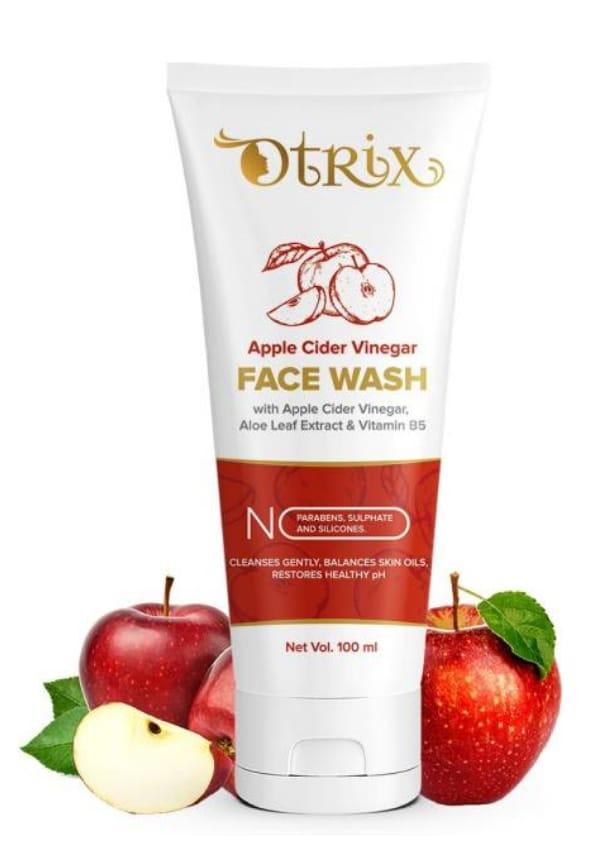
Apple Cider Vinegar Face Wash
Nature offers some incredibly effective solutions for hyperhidrosis, and herbal treatments for excessive sweating have been used across cultures for generations. These remedies work by addressing different aspects of sweat production—from cooling your skin to balancing your nervous system.
Aloe vera for sweating is particularly effective because of its natural cooling properties and ability to soothe irritated skin. Fresh aloe gel can be applied directly to clean, dry skin and left to absorb completely. The plant's natural astringent properties help tighten pores while providing a cooling sensation that lasts for hours.
Apple cider vinegar for sweat works by balancing your skin's pH levels and creating an environment that's less hospitable to odour-causing bacteria. Mix one part apple cider vinegar with two parts water and apply with a cotton pad to clean skin. The acetic acid helps tighten pores naturally while the antimicrobial properties keep you fresh.
Sage tea is probably the most researched herbal remedy for excessive sweating. Studies suggest that sage can reduce sweat production by up to 50% when consumed regularly. Steep one teaspoon of dried sage in hot water for 10 minutes and drink 2-3 cups daily for best results.
Chamomile and valerian root address stress-related sweating by calming your nervous system. Since anxiety and stress are major triggers for excessive perspiration, these herbs tackle the problem at its source rather than just masking symptoms.
Sometimes the most effective natural remedies for hyperhidrosis aren't what you apply to your skin, but how you live your daily life. Small lifestyle adjustments can make a huge difference in your overall sweat production and comfort levels.
Your wardrobe choices directly impact how much you sweat and how noticeable it becomes. Natural fibres like cotton, linen, and bamboo allow air to circulate around your skin, helping moisture evaporate quickly. These materials also tend to be less likely to trap odours compared to synthetic fabrics.
Loose-fitting clothes create air pockets that promote cooling, while tight clothing traps heat and moisture against your skin. Dark colours might seem like they'd hide sweat stains, but they actually absorb more heat from sunlight, making you sweat more in the first place.
Stress-induced sweating is incredibly common, and learning to manage your stress response can dramatically reduce overall perspiration. Deep breathing exercises activate your parasympathetic nervous system, which helps regulate your body's temperature control mechanisms.
Regular meditation practice has been shown to reduce both stress hormones and excessive sweating over time. Even five minutes of mindful breathing daily can help reset your nervous system and reduce sweat triggers.
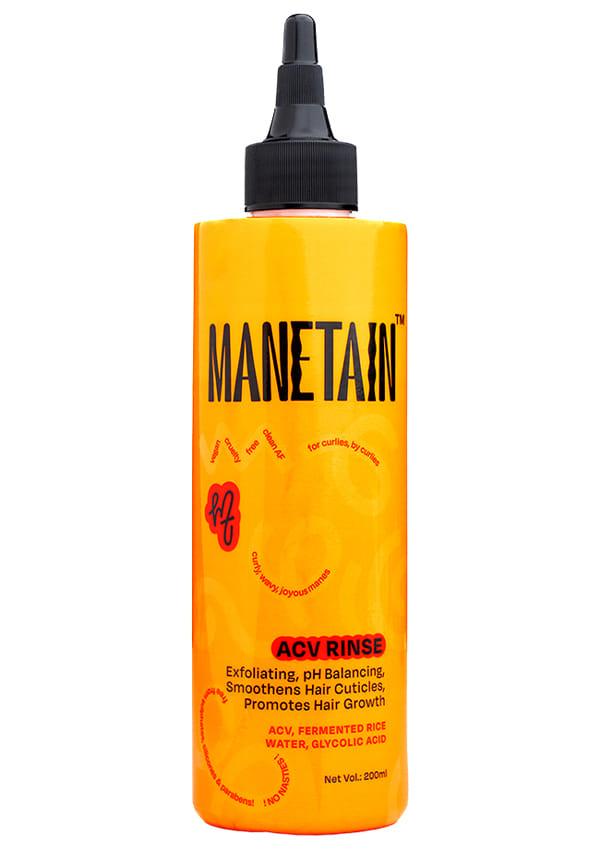
Apple Cider Vinegar Hair Rinse
Effective for Dandruff
 5
5“it helped with my dandruff so much”
Poor sleep quality can disrupt your hormonal balance and make you more prone to excessive sweating the following day. Keep your bedroom cool (around 18-20°C) and invest in breathable bedding materials like cotton or bamboo sheets.
Night sweats often indicate that your body's temperature regulation is off-balance. Creating a consistent bedtime routine that includes cooling activities like a lukewarm shower can help reset your internal thermostat.
When it comes to ways to control body odor from sweat, the underarm area requires special attention since it's where most people notice excessive perspiration first. Fortunately, your kitchen probably contains several effective natural deodorants and antiperspirant alternatives.
Baking soda is incredibly effective at neutralising odour-causing bacteria and absorbing moisture. Create a paste with baking soda and water, apply to clean underarms, and rinse after 10-15 minutes. Start with shorter applications to test your skin's sensitivity, as baking soda can be irritating for some people.
Cornstarch works as a natural moisture absorber and can be dusted onto clean, dry skin as a powder. It's gentler than baking soda and works particularly well for people with sensitive skin who still want effective sweat control.
Creating your own natural antiperspirant gives you complete control over ingredients while avoiding aluminium and other harsh chemicals. A simple recipe combines coconut oil, cornstarch, and baking soda with a few drops of essential oils for fragrance.
The key to successful DIY antiperspirants is proper application timing. Apply to completely clean, dry skin before bed to allow the ingredients to work overnight. This gives natural astringents time to tighten pores without interference from daily activities.
Consistent daily habits often make the biggest difference in managing sweat glands naturally. These routines work cumulatively, building up your body's natural ability to regulate temperature and moisture over time.
Shower temperature matters more than you might think. While hot showers feel relaxing, they raise your core body temperature and can trigger sweating that continues long after you've dried off. Lukewarm water cleanses effectively while helping maintain your body's natural temperature balance.
Choose antibacterial soaps that don't strip your skin's natural protective barrier. Harsh soaps can actually increase sweating as your skin works to restore its natural pH balance. Look for gentle, pH-balanced formulas that cleanse without over-drying.
Regular exercise actually helps reduce excessive sweating over time by improving your body's efficiency at temperature regulation. However, the type and timing of exercise matter. Low-impact activities like swimming, yoga, or walking generate less internal heat while still providing cardiovascular benefits.
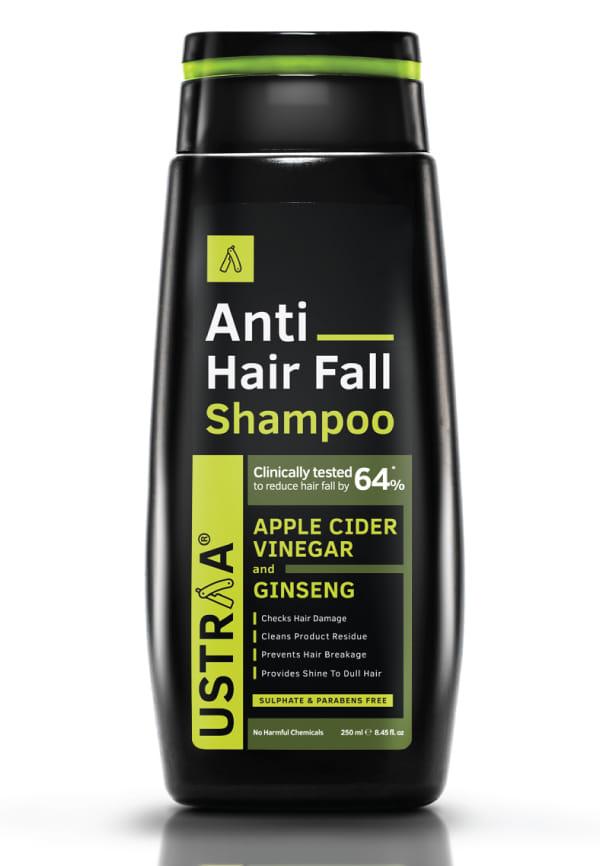
Anti Hair Fall Shampoo with Apple Cider Vinegar
Post-exercise cool-down routines are crucial for preventing prolonged sweating. Gradually reduce your activity level rather than stopping abruptly, and use cool (not cold) water to help your body temperature return to normal without shocking your system.
Natural remedies can significantly reduce excessive sweating for many people, but complete elimination isn't always realistic or healthy. Sweating is a normal bodily function, so the goal is to reduce it to comfortable levels rather than stopping it entirely. Most people see 50-70% reduction in sweating with consistent natural treatment approaches.
Most natural remedies for hyperhidrosis require 2-8 weeks of consistent use before showing significant results. Topical treatments like aloe vera or apple cider vinegar might provide immediate cooling relief, but long-term sweat reduction takes time as your body adjusts to new habits and treatments.
Natural treatments are generally safer than chemical alternatives, but some people may experience skin irritation from ingredients like baking soda or essential oils. Always patch test new topical treatments and start with lower concentrations. If you're trying natural remedies available on Smytten, you can test small amounts before committing to full-size products.
Apple cider vinegar and witch hazel typically provide the quickest results for underarm sweating, often showing improvement within a few days of regular use. These astringent solutions help tighten pores immediately while building longer-term benefits with continued application.
Diet plays a significant role in sweat production, but it's most effective when combined with other natural approaches. Eliminating sweat-triggering foods like caffeine and spicy dishes can reduce sweating by 30-40%, but combining dietary changes with topical treatments and lifestyle modifications typically yields the best results.
Natural approaches to controlling excessive sweating offer genuine, sustainable relief without the harsh side effects of chemical treatments. The most effective strategy combines multiple approaches: dietary modifications, herbal treatments, lifestyle changes, and consistent hygiene practices. Remember that natural remedies require patience and consistency—most people see significant improvement within 4-6 weeks of dedicated effort.
Start with the easiest changes first, like adjusting your diet and trying simple topical treatments like aloe vera or apple cider vinegar. As these become routine, gradually add more comprehensive approaches like stress management techniques and exercise modifications. The key is finding the combination that works best for your specific triggers and lifestyle.
Managing excessive sweating naturally is absolutely achievable with the right combination of remedies and patience. Whether you're dealing with stress-related perspiration or general hyperhidrosis, these natural solutions work with your body's systems rather than against them. Smytten's extensive collection of natural bath and body products makes it easier than ever to discover gentle, effective solutions for your specific needs. With trial packs available from trusted brands, you can explore different natural deodorants, herbal treatments, and soothing skincare products without committing to full-size purchases. The platform's 100% cashback on trials means you can experiment with various natural approaches risk-free, helping you build the perfect routine for managing sweat naturally. After all, why settle for harsh chemical solutions when you can try it all and find what works best for your body?
