How to Choose the Right De-Tan Soap for Your Skin Type

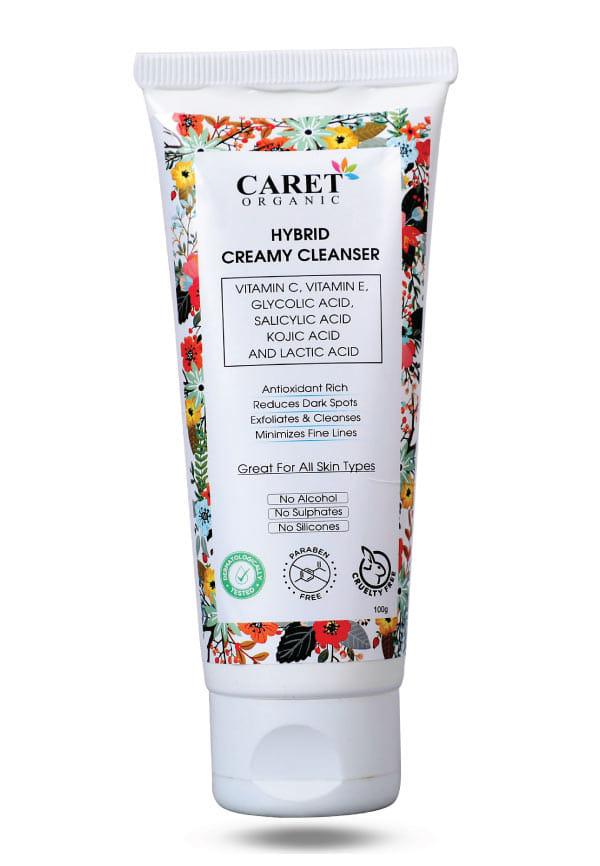
Hybrid Creamy Cleanser Face Wash With Vitamin C, E, Glycolic Acid, Salicylic, Kojic Acid - No Sulphate, Paraben, Alcohol Or Silicone
Summer holidays, beach trips, and outdoor adventures might give you amazing memories, but they often leave behind an unwelcome souvenir—a stubborn tan that just won't budge. If you've been scrolling through endless product reviews trying to figure out how to choose the right de-tan soap, you're not alone. With so many options promising miraculous results, finding the perfect match for your skin can feel overwhelming. The truth is, not all de-tan soaps work the same way, and what works for your friend's oily skin might leave your sensitive skin feeling irritated. That's where platforms like Smytten come in handy—letting you trial different products before committing to full sizes, so you can discover what actually works for your unique skin needs.
TL;DR
Choose de-tan soap based on your specific skin type—oily, dry, sensitive, or combination skin all need different formulations
Look for key ingredients like papaya enzymes, turmeric, kojic acid, and vitamin C for effective tan removal
Natural de-tan soaps with moisturising components work best for sensitive and dry skin types
Proper application technique and realistic expectations are crucial for seeing results within 2-4 weeks
Always patch test new products and avoid over-exfoliation to prevent skin damage
Let's be real—de-tan soap isn't just regular soap with fancy packaging. These specialised cleansers are formulated with active ingredients that target melanin buildup in your skin, which is what causes that stubborn tan. When your skin is exposed to UV rays, it produces more melanin as a protective mechanism, leading to darker pigmentation. De-tan soap benefits include gentle exfoliation to remove dead skin cells, brightening agents to fade existing pigmentation, and moisturising elements to keep your skin healthy throughout the process.
The science behind how anti-tan soap works is pretty straightforward. Most effective formulations combine exfoliating agents that slough off the top layer of tanned skin with brightening ingredients that inhibit melanin production. Unlike harsh chemical peels or expensive salon treatments, a good skin tan removal soap works gradually and gently, making it perfect for regular use at home.
Before diving into ingredient lists and product reviews, you need to know your skin type. This isn't just beauty guru advice—it's the foundation of choosing a de-tan soap that actually works without causing irritation or breakouts.
If your T-zone gets shiny by midday and you're constantly battling enlarged pores, you've got oily skin. De-tan soap for oily skin should include oil-controlling ingredients like neem, tea tree oil, or salicylic acid. Look for formulations that won't clog your pores while still providing effective tan removal. Clay-based de-tan soaps work brilliantly for oily skin types as they absorb excess sebum while gently exfoliating away tanned skin cells.
Dry skin feels tight after cleansing and might show flaky patches, especially during winter months. For this skin type, choosing a de-tan soap with hydrating ingredients is crucial. Look for soaps containing glycerin, shea butter, or natural oils like coconut or almond oil. These ingredients ensure your skin doesn't become more dehydrated while working to fade your tan.
Sensitive skin reacts quickly to new products, often with redness, itching, or burning sensations. Natural de-tan soap options work best here—think gentle ingredients like oatmeal, aloe vera, and chamomile. Avoid soaps with strong fragrances, sulfates, or harsh exfoliating beads that might trigger reactions.
Got an oily T-zone but dry cheeks? Combination skin needs a balanced approach. Look for de-tan soaps that are gentle enough for dry areas but effective enough to handle oilier zones. Mild formulations with natural fruit enzymes often work well for this skin type.
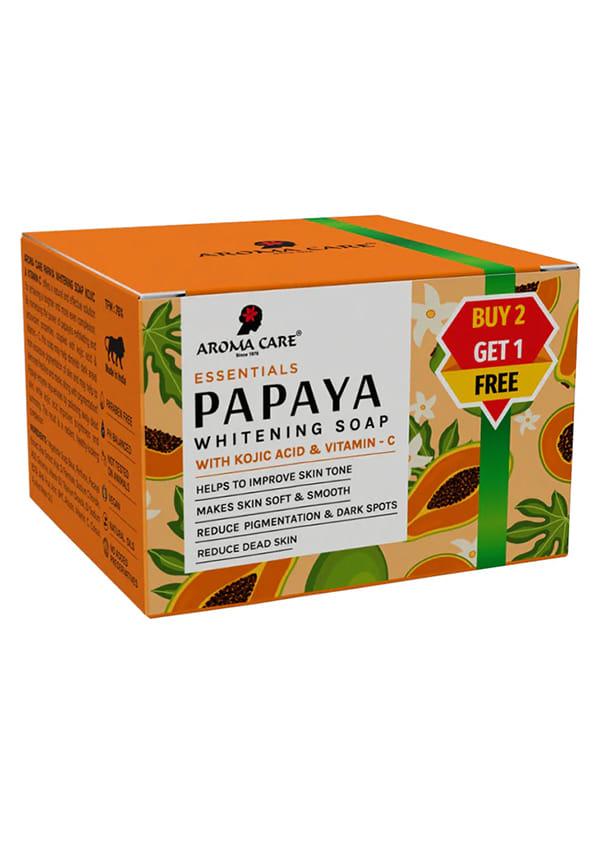
Papaya with Kozic Acid & Vitamin-C Whitening Soap
Now comes the fun part—ingredient detective work. The best de-tan soap formulations combine multiple active ingredients that work together to fade tans safely and effectively.
Papaya enzymes are absolute game-changers in tan removal soap ingredients. They gently dissolve dead skin cells without the harsh scrubbing that can irritate your skin. Turmeric brings anti-inflammatory properties while naturally brightening your complexion—it's been used in Indian skincare for centuries for good reason.
Orange peel extract provides vitamin C along with gentle exfoliation, making it perfect for sensitive skin types who still want effective results.
Glycerin and hyaluronic acid are your skin's best friends when it comes to maintaining hydration during the de-tanning process. Shea butter and natural oils like jojoba or argan oil provide deep moisturisation without feeling heavy or greasy. Oatmeal not only soothes irritated skin but also provides gentle physical exfoliation.
Kojic acid is a gentle yet effective ingredient for targeting pigmentation and dark spots. Vitamin C brightens skin while providing antioxidant protection against future sun damage. Alpha hydroxy acids (AHAs) like lactic acid or glycolic acid help speed up cell turnover, revealing fresher, less tanned skin underneath.
Having the right product is only half the battle—knowing how to use de-tan soap properly makes all the difference between seeing results and wasting your money.
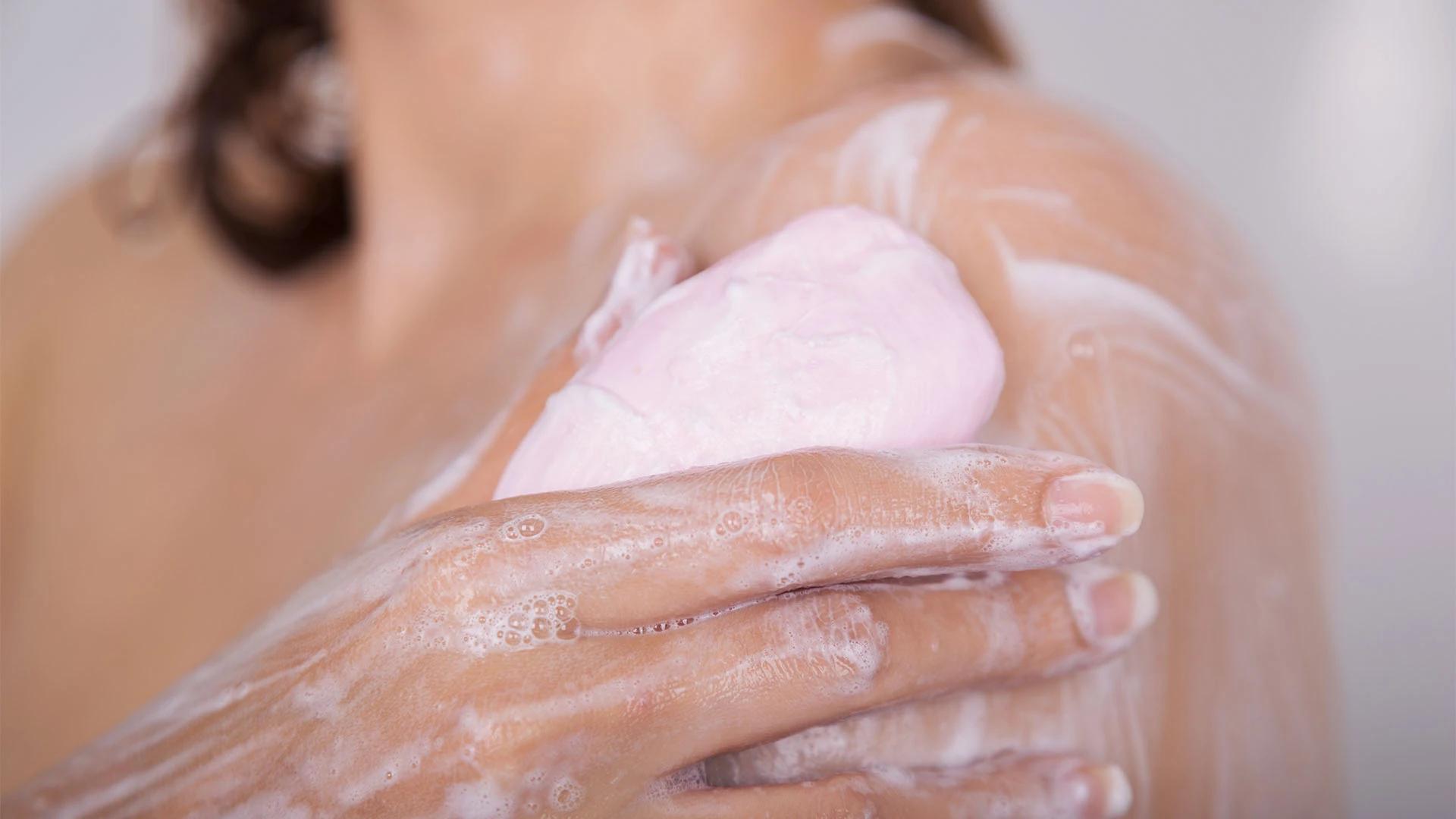
Start by wetting your skin with lukewarm water—hot water can strip natural oils and make your skin more sensitive. Work the soap into a rich lather in your hands before applying it to your skin. Gently massage in circular motions for 30-60 seconds, paying extra attention to heavily tanned areas. Rinse thoroughly with cool water to close your pores.
For best results, use your de-tan soap 2-3 times per week initially, then adjust frequency based on how your skin responds. Always follow up with a good moisturiser to keep your skin hydrated.
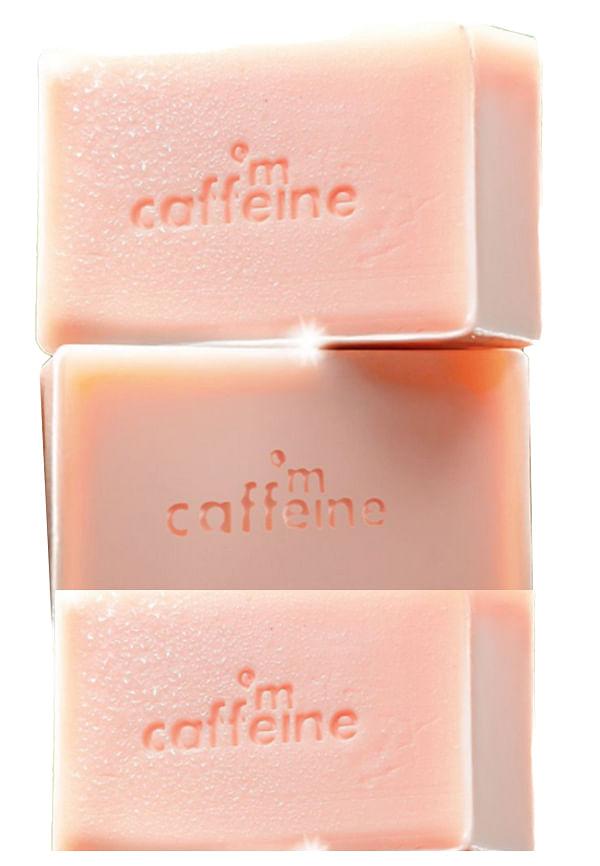
Brightening Tan Removal Soap - 1% Kojic Acid & Glutathione
When using de-tan soap for face, be extra gentle. Facial skin is more delicate and prone to irritation. Use lighter pressure and shorter contact time—about 20-30 seconds is usually enough. Some people prefer using a separate, milder formulation specifically designed for facial use.
For body application, you can be slightly more thorough, especially on areas like elbows, knees, and ankles where skin tends to be thicker and tans can be more stubborn.
Real talk—de-tan soap isn't magic. You'll typically start seeing subtle improvements after 1-2 weeks of consistent use, with more noticeable results appearing after 4-6 weeks. The key is consistency and patience. Don't expect overnight miracles, and remember that deeper tans will take longer to fade than surface-level pigmentation.
When shopping for the best de-tan soap, there are certain quality markers that dermatologists consistently recommend. pH balance is crucial—your skin's natural pH is slightly acidic (around 5.5), so look for soaps that won't disrupt this balance.
Sulfate-free formulations are gentler on your skin and less likely to cause dryness or irritation. Clinically tested ingredients provide peace of mind that the product has been evaluated for safety and efficacy. Look for certifications from recognised dermatological associations or third-party testing organisations.
Fragrance-free or naturally scented options are generally safer, especially for sensitive skin types. Strong artificial fragrances can cause allergic reactions and skin irritation.
Even with the perfect product, certain mistakes can prevent you from seeing the results you want. Over-exfoliation is probably the biggest culprit—using de-tan soap too frequently or scrubbing too hard can damage your skin barrier and actually make pigmentation worse.
Ignoring your skin's signals is another common error. If you experience persistent redness, burning, or increased sensitivity, it's time to scale back or switch products. Your skin is telling you something important.
Using the wrong soap for your skin type is like wearing the wrong shoe size—it might work temporarily, but it's not going to be comfortable or effective long-term. Don't assume that what works for your friend will work for you.
Setting unrealistic expectations can lead to disappointment and product-hopping. Remember that healthy skin takes time to regenerate, and patience is key to seeing lasting results.
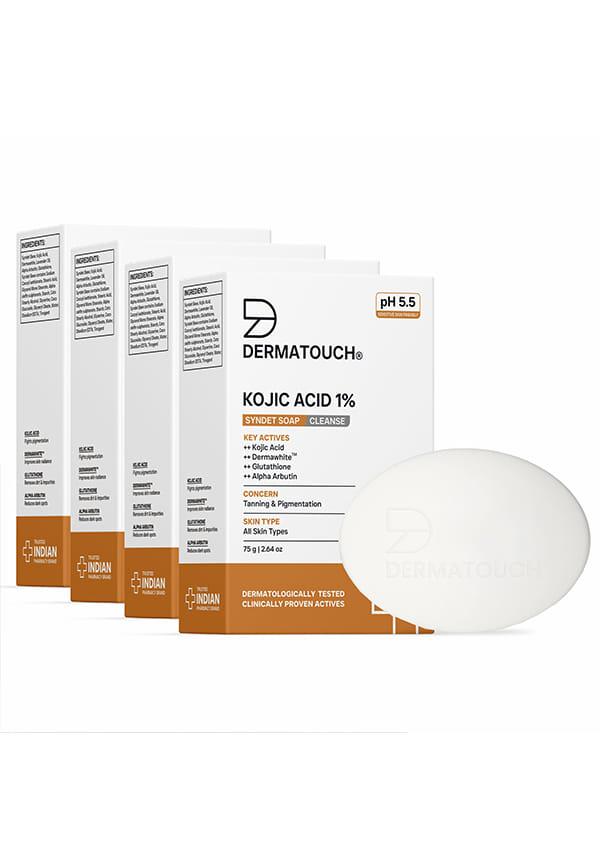
Kojic Acid 1% Soap with Glutathione ,For Pigmentation & Sun damage
The best de-tan soap depends on your skin type and specific needs. For oily skin, look for clay-based formulations with neem or tea tree oil. Dry skin benefits from moisturising ingredients like shea butter and glycerin. Sensitive skin should opt for natural, fragrance-free options with gentle ingredients like oatmeal and aloe vera.
Most people start seeing subtle improvements after 1-2 weeks of consistent use, with more noticeable results appearing after 4-6 weeks. Deeper tans may take 8-12 weeks to fade significantly. Consistency is more important than frequency—using the soap 2-3 times per week regularly will give better results than daily use for just one week.
Daily use isn't recommended for most people, especially those with sensitive or dry skin. Start with 2-3 times per week and adjust based on how your skin responds. Oily skin types might tolerate more frequent use, while sensitive skin may need even less frequent application.
Natural de-tan soaps can be very effective, especially for sensitive skin types. Ingredients like papaya enzymes, turmeric, and kojic acid provide gentle yet effective tan removal. While they might work more slowly than harsh chemical formulations, they're generally safer for long-term use and less likely to cause irritation.
It's often beneficial to use a gentler formulation on your face, as facial skin is more delicate and prone to irritation. Many people find success using a mild de-tan soap for face while using a stronger formulation on their body, especially on areas with thicker skin like elbows and knees.
Yes, but choose your formulation carefully. Look for non-comedogenic de-tan soaps that won't clog pores. Ingredients like salicylic acid can actually help with both tan removal and acne control. However, avoid over-exfoliating, as this can worsen acne and cause more pigmentation issues. You can easily trial different options available on Smytten to find what works best for your specific skin concerns.
Choosing the right de-tan soap isn't about finding the most expensive or heavily marketed product—it's about understanding your skin type and selecting ingredients that work harmoniously with your skin's needs. Whether you're dealing with a holiday tan or year-round pigmentation issues, the key is consistency, patience, and realistic expectations.
Remember that effective tan removal is a gradual process. The best de-tan soap for you is one that you can use consistently without irritation, contains proven ingredients for your skin type, and fits into your daily routine comfortably. Don't be afraid to start with gentler formulations and gradually work your way up if needed.
Most importantly, always patch test new products and listen to your skin. If something doesn't feel right, it probably isn't right for you, regardless of how many five-star reviews it has online.
Finding your perfect de-tan soap match doesn't have to involve expensive trial and error. Smytten's trial packs let you test different formulations before committing to full-size purchases, making it easier to discover what actually works for your skin type. With over 1,500 trusted brands available on Smytten, you can explore everything from gentle natural formulations to more active ingredient-focused options. The platform's 100% cashback on trials means you can experiment with confidence, knowing that your trial investment goes towards future purchases when you find your perfect match. After all, why settle for maybe when you can try before you buy and find the de-tan soap that's truly worth obsessing over?
