How to Choose the Perfect Body Sunscreen Lotion

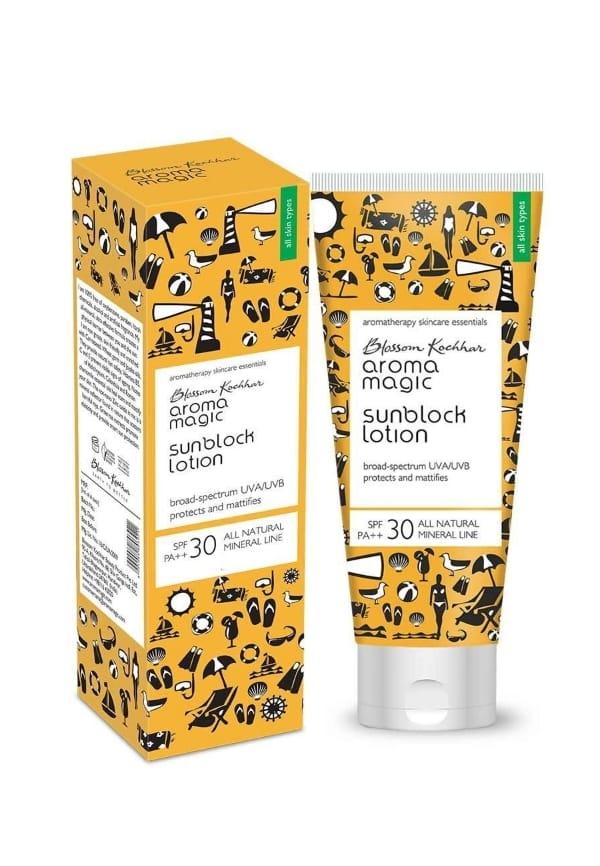
Sunblock Lotion
Application Tip & Good Feel
 5
5“apply this after rose water or any other toner. it'll feel really good”
Disappointing Quantity, But Good Product
5“it's mentioned size (2) I thought it's 2 bottles.. disappointed 😔. but I like this product”
Finding the right body sunscreen lotion can feel like searching for a needle in a haystack. With countless options promising everything from invisible coverage to all-day protection, it's easy to get overwhelmed. But here's the thing—your skin deserves proper protection, and choosing the wrong formula could leave you dealing with burns, premature ageing, or that dreaded sticky feeling that makes you want to skip sunscreen altogether. The good news? Once you know what to look for, finding your perfect match becomes much simpler. Let's break down everything you need to know about choosing a body sunscreen that actually works for your lifestyle and skin type.
Body sunscreen isn't just face sunscreen in a bigger bottle. These formulas are specifically designed to cover larger surface areas efficiently whilst providing the protection your body needs. Understanding these differences helps you make smarter choices and avoid common mistakes that could compromise your sun protection.
Body sunscreen formulations are typically lighter in texture and designed for quick, even application across large areas. They often contain ingredients that help the product spread easily without requiring excessive rubbing. Face sunscreens, on the other hand, focus on non-comedogenic formulas that won't clog pores or interfere with makeup application.
The coverage requirements also differ significantly. Your body needs consistent protection across areas that might not get daily attention, whilst facial sunscreens often include additional skincare benefits like anti-ageing ingredients or tinted coverage.
Broad spectrum sunscreen protects against both UVA and UVB rays, which is absolutely essential for comprehensive protection. UVB rays cause burning and contribute to skin cancer, whilst UVA rays penetrate deeper, causing premature ageing and also contributing to cancer risk.
The PA+++ rating system measures UVA protection specifically. Look for PA+++ or PA++++ ratings alongside your SPF number for the most complete protection. This combination ensures you're covered against both immediate damage and long-term skin health issues.
Chemical sunscreens absorb UV rays and convert them to heat, whilst physical (mineral) sunscreens create a barrier that reflects rays away from your skin. Chemical formulas often feel lighter and blend more easily, making them popular for daily sunscreen use.
Physical sunscreens containing zinc oxide or titanium dioxide are generally better for sensitive skin but may leave a slight white cast. Many modern formulas combine both types to maximise protection whilst minimising drawbacks.
Not all sunscreens are created equal, and the features that matter most depend on your specific needs and lifestyle. Here's what to prioritise when shopping for your ideal sun protection lotion.
SPF 30 blocks about 97% of UVB rays, whilst SPF 50 blocks about 98%. For most people, SPF 30 provides adequate protection for daily activities, but if you're spending extended time outdoors or have fair skin, SPF 50 offers that extra margin of safety.
Remember that higher SPF doesn't mean you can skip reapplication. No sunscreen lotion provides all-day protection without touch-ups, regardless of its SPF rating.
Sunscreen for sensitive skin should be free from common irritants like fragrances, alcohol, and certain chemical filters. Look for formulas labelled hypoallergenic or dermatologist-tested if you have reactive skin.
Oily skin benefits from lightweight, oil-free formulas that won't contribute to shine or breakouts. Dry skin types might prefer body lotion with SPF that combines moisturising benefits with sun protection.
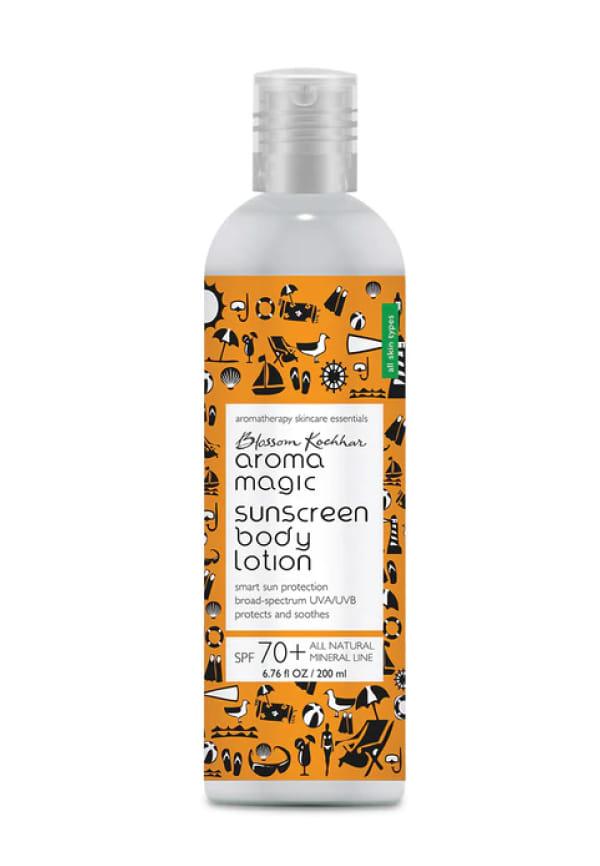
Sunscreen Body Lotion
Great Skin Feel
5“organic and feel good on skin.”
Non greasy sunscreen formulas make daily application much more pleasant. Look for descriptions like "fast-absorbing," "lightweight," or "invisible finish" if you want protection that doesn't feel heavy or sticky.
Water resistance is crucial if you'll be swimming or sweating. However, remember that water-resistant doesn't mean waterproof—you'll still need to reapply after swimming or heavy perspiration.
Understanding what's inside your sunscreen for body helps you choose formulas that work best for your skin and lifestyle. The right combination of active and supporting ingredients can make the difference between protection you love using and protection you avoid.
Zinc oxide and titanium dioxide are the gold standard for physical protection. They're gentle, effective, and provide immediate protection upon application. Chemical filters like avobenzone, octinoxate, and octocrylene work differently but can be equally effective when properly formulated.
Many modern formulas combine multiple UV filters to provide comprehensive protection whilst minimising the amount of any single ingredient needed. This approach often results in better skin feel and fewer potential sensitivities.
The best body lotion with SPF formulas include ingredients that benefit your skin beyond sun protection. Ceramides help maintain your skin's natural barrier, whilst hyaluronic acid provides hydration without heaviness.
Niacinamide can help calm irritation and improve skin texture over time. Antioxidants like vitamin E provide additional protection against environmental damage that UV filters might miss.
Fragrances, even natural ones, can trigger reactions in sensitive individuals. Alcohol-based formulas might feel light initially but can be drying and irritating with regular use.
Some chemical UV filters, particularly oxybenzone and octinoxate, are more likely to cause sensitivity. If you have reactive skin, start with mineral-based formulas or patch-test new products before full application.
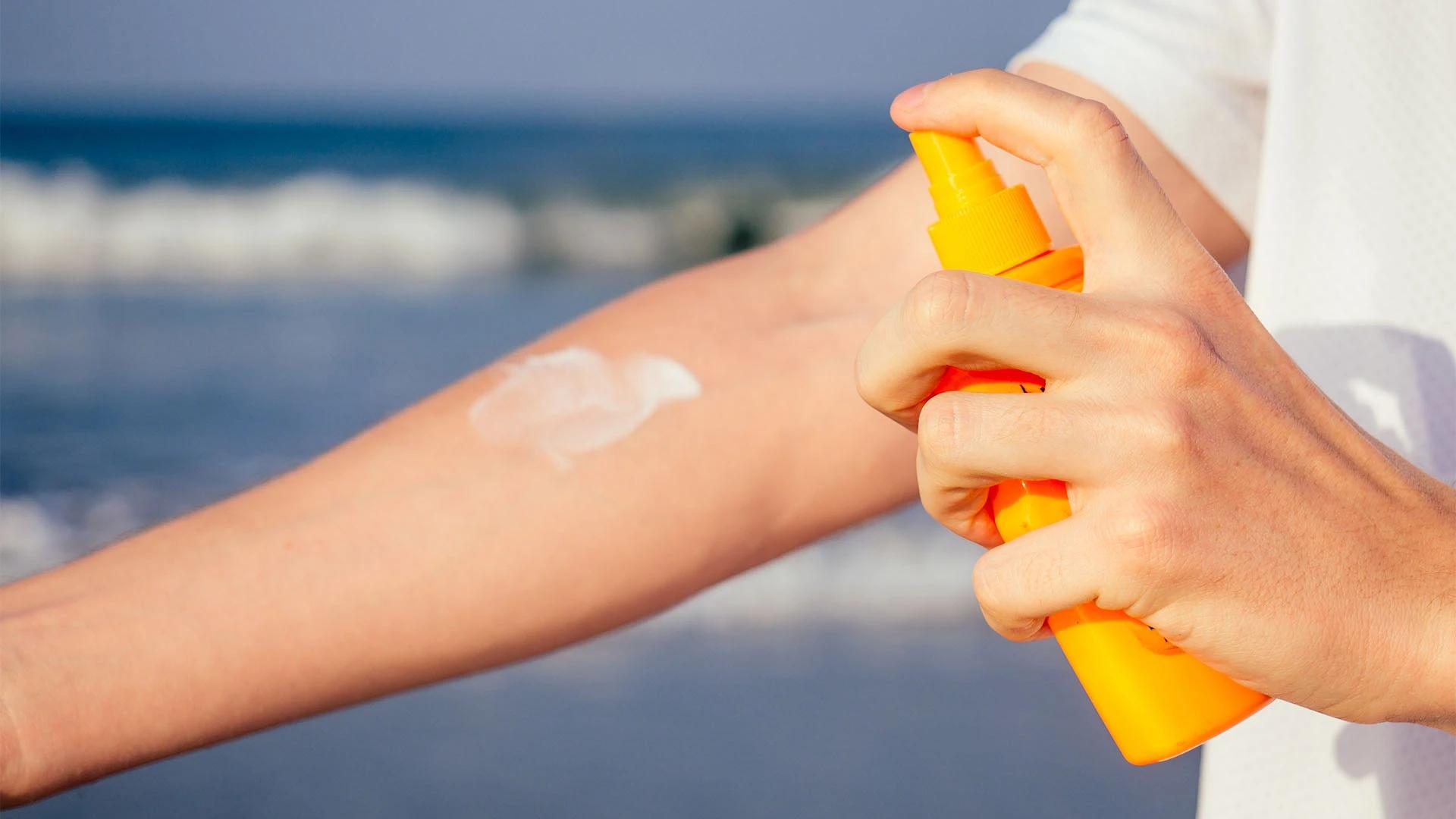
Even the best sunblock lotion won't protect you if it's not applied properly. Most people use far less sunscreen than needed, leaving gaps in coverage that can result in painful burns and uneven tanning.
You need about 30ml (roughly 2 tablespoons) of product to cover your entire body adequately. That might seem like a lot, but skimping on quantity significantly reduces your protection level.
Apply sunscreen 15-30 minutes before sun exposure to allow proper absorption. Use long, overlapping strokes to ensure even coverage, and don't forget often-missed spots like your ears, feet, and the back of your neck.
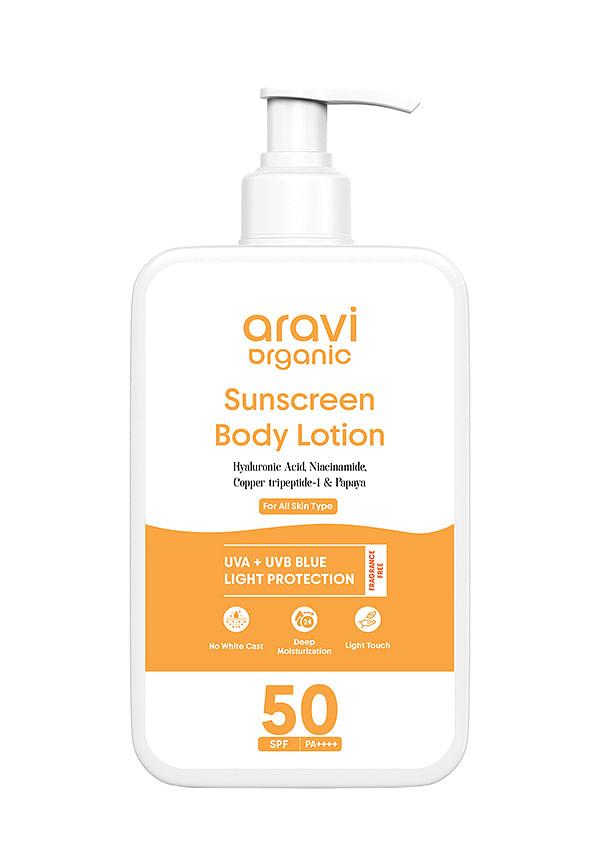
Sunscreen Body Lotion
No white cast, protects skin
5“no white cast protects the skin”
Good product, expired sunscreen
4“kaffi acha h mujhe pasand aaya lekin please mera mCaffeine face sunscreen exchange krdo aapne vo expire bheja h”
Good product, expired sunscreen
4“kaffi acha h mujhe pasand aaya lekin please mera mCaffeine face sunscreen exchange krdo aapne vo expire bheja h”
Reapply every two hours, or immediately after swimming, sweating heavily, or towelling off. This isn't just a suggestion—it's essential for maintaining protection throughout the day.
For daily wear, focus on reapplying to exposed areas like your arms, hands, and any other skin that sees sun throughout the day. Keep a small tube in your bag for easy touch-ups.
Apply sunscreen as the last step in your morning routine, after moisturiser but before makeup if you wear it. Some people prefer body lotion with SPF that combines both steps, which can simplify your routine.
If you use other body treatments like retinol or acids, apply sunscreen in the morning and save those products for evening use to avoid potential interactions.
Your sunscreen needs change based on your activities, environment, and personal skin concerns. What works for a day at the office might not be suitable for a beach holiday, and understanding these differences helps you choose the right product for each situation.
For everyday protection, a lightweight daily sunscreen with SPF 30 often provides sufficient coverage for commuting and brief outdoor exposure. These formulas typically absorb quickly and work well under clothing.
Outdoor activities require more robust protection. Look for water-resistant formulas with SPF 50, especially if you'll be sweating or in direct sunlight for extended periods. Sports formulas often include ingredients that help the product stay put during physical activity.
Humid climates call for lightweight, fast-absorbing formulas that won't feel sticky or heavy in the heat. Dry climates might require more moisturising formulas to prevent skin from feeling tight or flaky.
Urban environments with high pollution levels benefit from antioxidant-rich formulas that provide additional protection against environmental stressors beyond UV rays.
Some body sunscreens are safe for facial use, but always check the label first. The skin on your neck and décolletage is particularly delicate and benefits from gentle, non-comedogenic formulas.
Don't forget about hard-to-reach areas like your back. Consider asking someone to help with application, or invest in a sunscreen applicator tool for solo coverage.
Even with the best intentions, it's easy to make mistakes that compromise your sun protection. Being aware of these common pitfalls helps you get the most from your sun protection lotion and avoid unpleasant surprises.
Using too little product is the most common mistake. Most people apply only 25-50% of the recommended amount, which can reduce protection by up to 50%. When in doubt, use more rather than less.
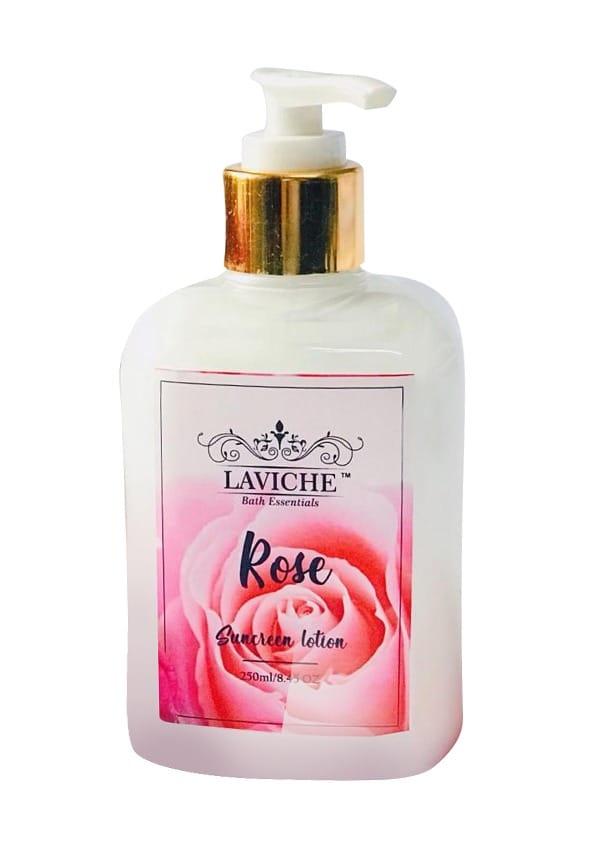
Rose Sunscreen Lotion
Uneven application creates patchy protection that can result in streaky burns. Take your time to blend thoroughly, especially around joints and curves where product tends to pool or get missed entirely.
Choosing SPF based on skin tone rather than sensitivity can lead to inadequate protection. Even darker skin tones can burn and benefit from proper sun protection, though they may be able to use lower SPF levels safely.
Ignoring expiration dates is another common error. Sunscreen loses effectiveness over time, and expired products may not provide the protection promised on the label.
Storing sunscreen in hot cars or direct sunlight can break down the active ingredients. Keep your products in cool, dry places to maintain their effectiveness throughout the season.
Using contaminated products can cause skin irritation or infections. Always close containers tightly and avoid sharing sunscreen directly from the bottle if possible.
While some formulas work for both, facial skin is typically more sensitive and may benefit from products specifically designed for the face. Body sunscreens are formulated for larger surface areas and may be too heavy for facial use.
Use approximately 30ml (2 tablespoons) for your entire body. This might seem like a lot, but using less significantly reduces your protection level.
Not necessarily. Many affordable options provide excellent protection. Focus on the active ingredients, SPF level, and how the formula feels on your skin rather than price alone.
No, up to 80% of UV rays can penetrate clouds. Daily application is important regardless of weather conditions, especially if you'll be outdoors for extended periods.
Replace sunscreen every 12 months, or sooner if it changes colour, texture, or smell. Products stored in hot conditions may degrade faster and need more frequent replacement.
Choosing the perfect body sunscreen lotion doesn't have to be complicated once you know what to look for. Focus on broad spectrum protection with appropriate SPF levels, consider your skin type and lifestyle needs, and don't forget about proper application techniques. The best sunscreen is the one you'll actually use consistently, so find a formula that feels good on your skin and fits seamlessly into your routine.
Remember that sun protection is an investment in your long-term skin health. Whether you're looking for a lightweight daily sunscreen or a robust formula for outdoor adventures, taking the time to find the right product pays off in healthier, more comfortable skin. With platforms like Smytten offering trial-sized versions of popular sunscreen brands, you can test different formulas before committing to full-size purchases, making it easier than ever to find your perfect match without the guesswork.
