Heel Balm for Cracked Heels FAQ: Your Dry Feet Questions Answered

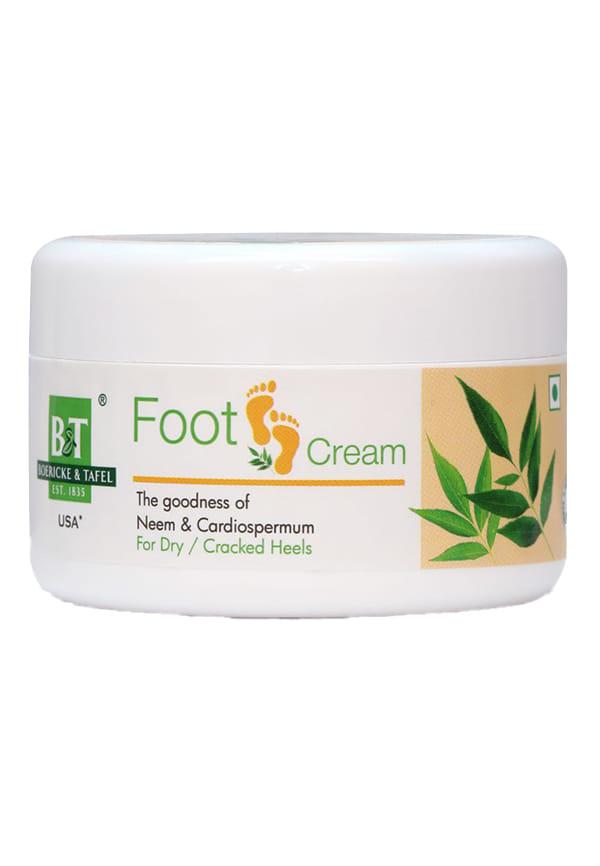
Foot Cream for Dry & Cracked Heels
Good for cracked feet
 4
4“Its good for cracked feet. ”
Positive Product Feedback
5“nice product thanku symtteen ❤️🥰”
Smooth, Good Product
5“very good and smooth product cream”
Cracked heels can turn your favourite sandals into a nightmare and make every step feel uncomfortable. If you've been dealing with dry, rough heels that seem impossible to fix, you're definitely not alone. The good news? Finding the right heel balm for cracked heels can completely transform your foot care routine. Whether you're dealing with minor dryness or deep, painful cracks, understanding what works (and what doesn't) makes all the difference. From choosing the perfect formula to mastering application techniques, we're breaking down everything you need to know about healing and preventing cracked heels. Plus, with platforms like Smytten offering trial-sized versions of top foot care products, you can discover your perfect match without the commitment of full-size purchases. Let's dive into the most common questions about cracked heel repair and find solutions that actually work for your feet.
TL;DR
Heel balms work better than regular moisturisers because they contain higher concentrations of active ingredients like urea (20-25%) for deep hydration and gentle exfoliation
Proper application involves clean, slightly damp feet, generous product application, and overnight occlusion with socks for best results
Most people see improvement within 1-2 weeks of consistent use, but severe cracks may take 4-6 weeks to heal completely
Prevention is key—daily moisturising, proper footwear, and regular gentle exfoliation keep heels crack-free long-term
Professional help is needed when cracks bleed, become infected, or don't respond to 6 weeks of consistent at-home treatment
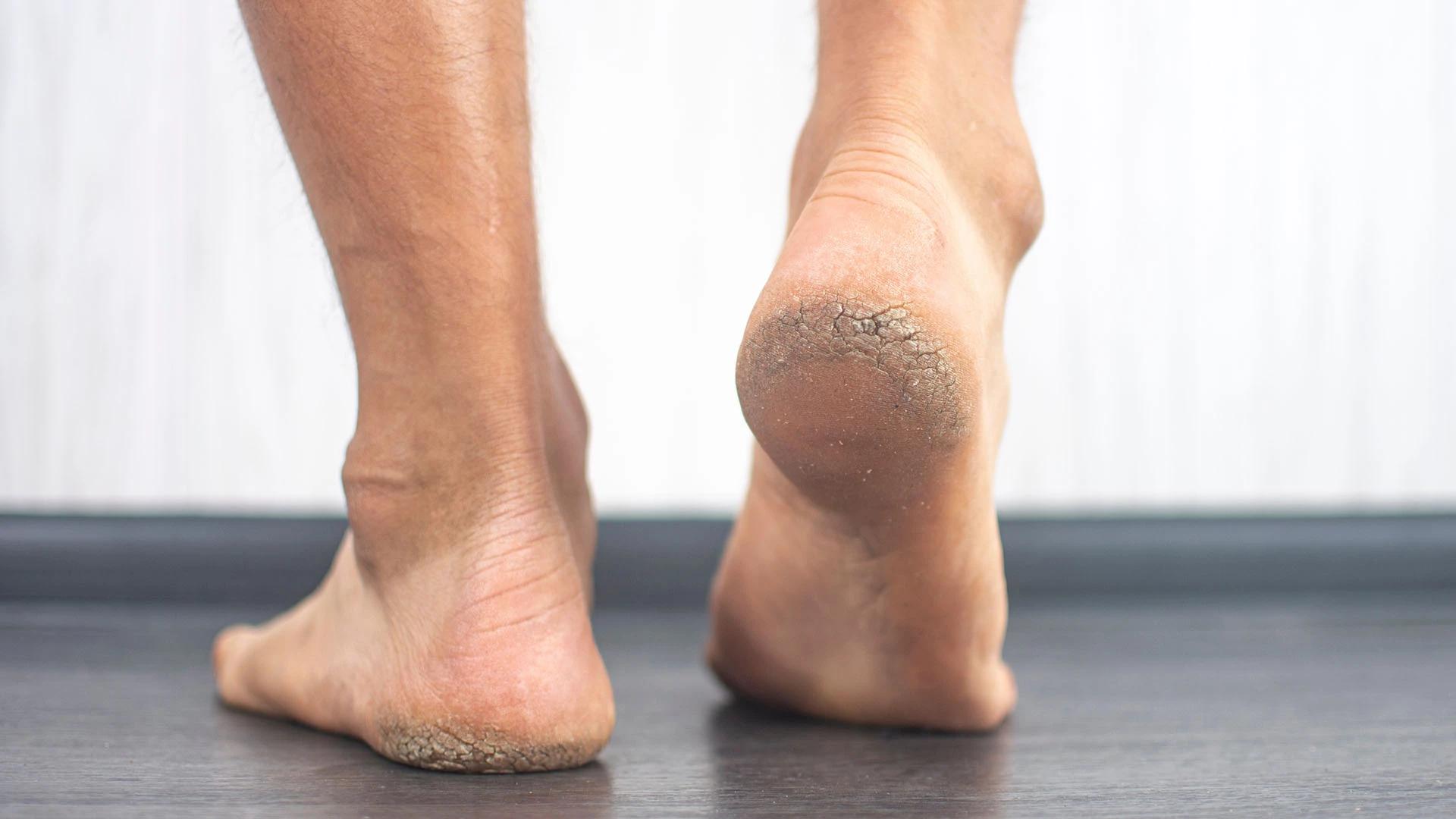
Your heels take a beating every single day, supporting your entire body weight with each step. Unlike other areas of your skin, the skin on your heels is naturally thicker and has fewer oil glands, making it prone to dryness and cracking. When this thick skin loses moisture, it becomes rigid and can't stretch with movement, leading to those painful fissures we call cracked heels.
Several factors contribute to this frustrating condition. Standing for long periods, wearing open-back shoes or flip-flops, and walking barefoot on hard surfaces all put extra pressure on your heels. Medical conditions like diabetes, thyroid disorders, and eczema can also make you more susceptible to dry cracked feet treatment needs. Even something as simple as hot showers or living in a dry climate can strip moisture from your skin.
Here's why your regular body lotion isn't cutting it: cracked heels need intensive repair, not just surface hydration. The thick, callused skin on your heels requires products with higher concentrations of active ingredients that can penetrate deeply and actually soften the hardened skin. This is where specialised heel balms come into play, offering targeted cracked heel repair that regular moisturisers simply can't match.
The difference between a heel balm and your everyday foot cream for dry skin lies in the formulation intensity. Heel balms typically contain 15-25% urea or other keratolytic agents, while regular foot creams usually max out at 5-10%. This higher concentration means heel balms can actually break down the tough, dead skin cells that contribute to cracking.
Think of it this way: if regular foot cream is like a gentle daily cleanser, heel balm is like an intensive treatment mask. The thicker, more occlusive texture of heel balms also means they stay put longer, giving the active ingredients more time to work their magic on stubborn dry patches.
Not all heel balms are created equal, and understanding the key ingredients can help you choose a moisturising heel balm that actually delivers results. The most effective formulations combine multiple approaches: hydration, exfoliation, and barrier repair.
Urea is the gold standard for dry cracked feet treatment, and here's why it's so effective. At concentrations of 20-25%, urea acts as both a humectant (drawing moisture to the skin) and a keratolytic agent (gently dissolving dead skin cells). This dual action makes it perfect for tackling both the dryness and the thick, callused skin that characterises cracked heels.
Unlike some harsher exfoliating ingredients, urea works gradually and gently, making it suitable for regular use. It's also naturally present in healthy skin, so it's well-tolerated by most people, even those with sensitive skin.
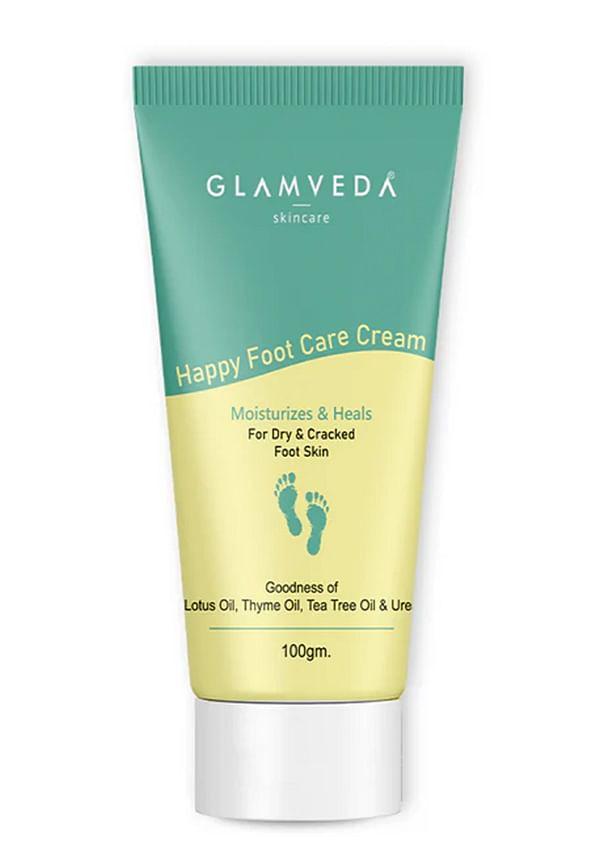
Happy Foot Care Cream for Cracked Heels
Good Product, Requires Use
5“The product is good but the result of this product i know after using it.”
Glamveda Foot Cream: Amazing!
5“glamveda Foot care cream working amazing.”
Effective Moisturizer
4“It is good moisturizer you can feel the softness after applying.”
The best heel balm formulations don't rely on urea alone. Lactic acid provides additional gentle exfoliation while helping to maintain the skin's natural pH balance. Ceramides are crucial for barrier repair, helping to restore the skin's protective function and prevent future moisture loss.
Natural oils like tea tree oil offer antimicrobial properties (important when dealing with cracks that could become infected), while argan oil provides deep nourishment. Some formulations also include glycolic acid for more intensive exfoliation, though this should be used with caution and typically reserved for very stubborn cases.
Choosing the right heel softener starts with honestly assessing your situation. Are you dealing with mild dryness and roughness, or do you have deep, painful cracks? Your severity level determines whether you need a gentle daily moisturising heel balm or an intense heel repair formula.
For mild to moderate dryness, look for formulations with 10-15% urea or lactic acid. These provide effective hydration and gentle exfoliation without being too aggressive. If you're dealing with severe cracking, you'll want to step up to formulations with 20-25% urea or consider products specifically marketed for intense heel repair.
Consider your skin sensitivity too. If you have reactive skin, start with lower concentrations and fragrance-free formulations. Those with diabetes or circulation issues should consult their healthcare provider before starting any intensive foot care for cracked heels routine.
Day versus night formulations matter as well. Lighter, faster-absorbing formulas work better for daytime use, while thicker, more occlusive night treatments provide intensive repair while you sleep. Some people find success using a lighter formula during the day and switching to a heavier regenerating heel cream at night.
Even the best heel balm won't work if you're not applying it correctly. The key to successful cracked heel repair lies in both technique and consistency. Start with clean feet—wash with warm (not hot) water and gently pat dry, leaving feet slightly damp to help lock in moisture.
Apply your heel balm generously, focusing on the affected areas but extending slightly beyond the cracks to prevent new ones from forming. Don't forget the edges of your feet and between your toes if dryness extends there. The best times for application are immediately after showering (when your skin is still slightly damp) and before bed.
Here's a game-changing tip: sock therapy. After applying your soothing foot balm at night, slip on a pair of cotton socks. This creates an occlusive environment that helps the product penetrate deeper and prevents it from rubbing off on your sheets. You'll wake up to noticeably softer heels.
Consistency is crucial—apply your chosen product twice daily for the first two weeks, then once daily for maintenance. Many people make the mistake of stopping treatment as soon as their heels look better, only to have the problem return within weeks.
While most cases of cracked heels respond well to consistent at-home care, some situations require professional intervention. Understanding when to seek help can prevent complications and ensure you get the most effective treatment.
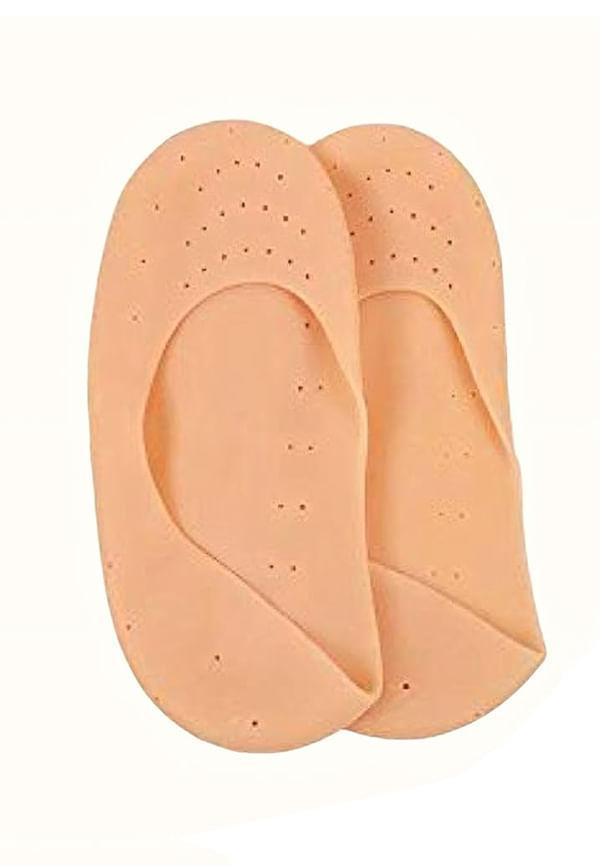
Anti Crack Heel Care Silicone Socks
If your cracks are deep enough to bleed, show signs of infection (redness, warmth, pus), or haven't improved after six weeks of consistent treatment, it's time to see a professional. People with diabetes, circulation problems, or compromised immune systems should be especially cautious and seek medical advice sooner rather than later.
Dermatologists can offer prescription-strength treatments, including higher-concentration urea formulations (up to 40%) or combination therapies that aren't available over the counter. They can also rule out underlying conditions that might be contributing to your foot problems.
While your heel balm does the heavy lifting, some complementary treatments can speed up the healing process. Gentle exfoliation with a pumice stone or foot file (used on dry skin before showering) can help remove dead skin buildup, allowing your products to penetrate better.
Foot soaks in warm water with Epsom salts can help soften tough skin before treatment application. Just remember to limit soaking time to 10-15 minutes to avoid over-drying your skin, and always follow up with your moisturising heel balm while your feet are still slightly damp.
The most effective heel balms contain 20-25% urea as their primary active ingredient. Look for formulations that combine urea with complementary ingredients like lactic acid for gentle exfoliation and ceramides for barrier repair. Brands available on Smytten often offer trial sizes, allowing you to test different formulations before committing to full-size products. The "best" balm depends on your specific needs—those with sensitive skin might prefer lower urea concentrations (10-15%), while severe cases may require the highest concentrations available.
Permanent cracked heel repair requires a comprehensive approach combining intensive treatment with long-term maintenance. Start with twice-daily application of a high-quality heel balm for 2-4 weeks until cracks heal. Then transition to daily maintenance application to prevent recurrence. Address underlying causes like ill-fitting shoes, prolonged standing, or medical conditions. Incorporate gentle weekly exfoliation and ensure proper foot hygiene. Remember, "permanent" results require permanent commitment to good foot care habits.
Absolutely—heel balms are specifically formulated to address the unique challenges of cracked heels. Unlike regular moisturisers, they contain higher concentrations of active ingredients that can penetrate thick, callused skin and provide both hydration and gentle exfoliation. Clinical studies show that urea-based heel balms can improve heel condition by 70-80% within 2-4 weeks of consistent use. The key is choosing a quality product and using it consistently.
For severely cracked heels, look for intensive repair formulations containing 20-25% urea or combination products with urea plus lactic acid. Some dermatologists recommend starting with petroleum jelly-based products for very deep cracks, as they provide immediate barrier protection while healing begins. Products specifically labelled for "intense heel repair" or "regenerating heel cream" typically have the concentrated formulations needed for severe cases. Always patch test new products, especially if you have sensitive skin.
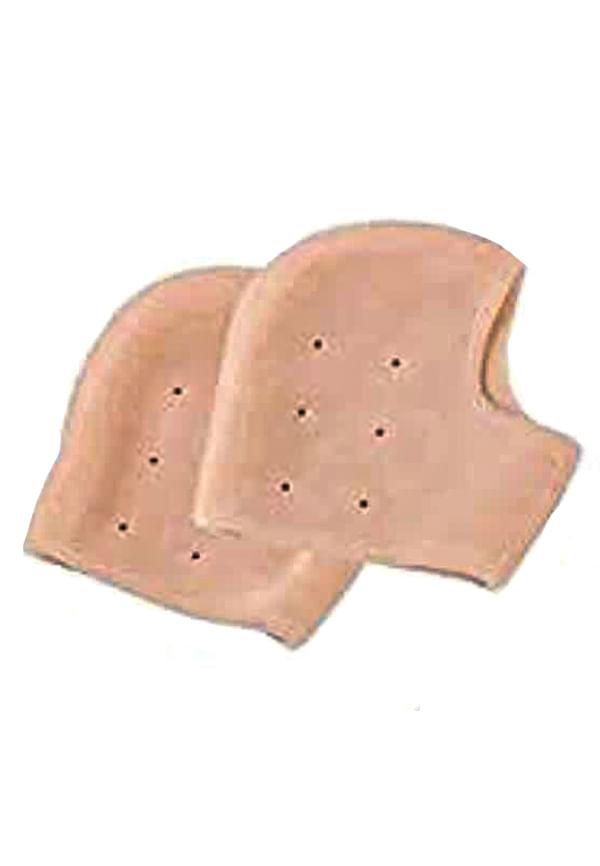
Anti Crack Heel Care Silicone Socks
Most people notice improvement within 3-7 days of consistent use, with significant improvement visible after 1-2 weeks. Completely healing deep cracks typically takes 4-6 weeks of twice-daily application. Factors affecting healing speed include crack severity, consistency of application, overall health, and whether you're addressing contributing factors like poor footwear. Don't get discouraged if progress seems slow initially—the thick skin on heels takes time to respond to treatment.
Yes, with proper maintenance and lifestyle adjustments. Continue using your heel balm daily even after cracks heal, reduce to every other day once your heels stay consistently smooth. Wear properly fitting shoes with good heel support, avoid walking barefoot on hard surfaces, and address any underlying health conditions. Regular gentle exfoliation and staying hydrated also help. Many people find that seasonal adjustments—using richer formulations in winter and lighter ones in summer—help maintain year-round heel health.
Most people tolerate heel balms well, but some may experience mild irritation when starting treatment, especially with higher urea concentrations. This usually subsides within a few days as your skin adjusts. If you experience persistent redness, burning, or increased dryness, reduce application frequency or switch to a lower concentration formula. Always patch test new products on a small area first. Those with diabetes or circulation issues should consult their healthcare provider before starting any new foot care regimen available on Smytten or elsewhere.
Prevention truly is better than cure when it comes to cracked heels. Building a sustainable daily foot care routine doesn't have to be complicated or time-consuming. The key is consistency and addressing the root causes that lead to heel problems in the first place.
Start each day by checking your feet—early intervention is much easier than treating established cracks. Apply a light layer of your chosen heel softener after your morning shower, paying attention to any areas that feel rough or tight. Choose footwear that fits properly and provides adequate heel support; your feet will thank you later.
Seasonal adjustments make a huge difference too. Winter air is drier, so you might need to switch to a richer formulation or increase application frequency. Summer brings different challenges—increased activity and exposure to chlorine or salt water can dry out your skin, so don't skip your foot care routine just because it's warm outside.
Watch for warning signs like increased roughness, white or flaky skin, or that tight feeling after showering. These are early indicators that your heels need extra attention before cracks develop. Address them immediately with more frequent application of your moisturising heel balm rather than waiting for the problem to worsen.
Healing cracked heels successfully comes down to choosing the right product for your needs and using it consistently. Urea-based formulations with 20-25% concentration offer the best balance of hydration and gentle exfoliation for most people. Remember that proper application technique—including the game-changing sock therapy method—can significantly improve your results.
Don't expect overnight miracles, but do expect steady improvement with consistent use. Most people see noticeable results within a week and complete healing within 4-6 weeks. The key to preventing recurrence lies in maintaining a daily foot care routine even after your heels heal completely.
If over-the-counter treatments aren't working after six weeks of consistent use, or if you notice signs of infection, don't hesitate to seek professional help. Your feet carry you through life—they deserve proper care and attention.
Finding the perfect heel balm for cracked heels doesn't have to involve expensive trial and error. Smytten offers curated trial packs from over 1,500 trusted brands, letting you discover effective foot care solutions before committing to full-size purchases. With trial-sized versions of top heel balms and foot care products available on Smytten, you can test different formulations to find what works best for your specific needs. The platform's 100% cashback on trials makes it risk-free to explore various options, and with PAN-India delivery, you can access authentic, brand-verified minis no matter where you are. Whether you're dealing with mild dryness or severe cracking, the right heel balm is out there—and with Smytten's try before you buy approach, finding it becomes much easier and more affordable.
