Hair Removal Cream for Intimate Area FAQ: Your Questions Answered

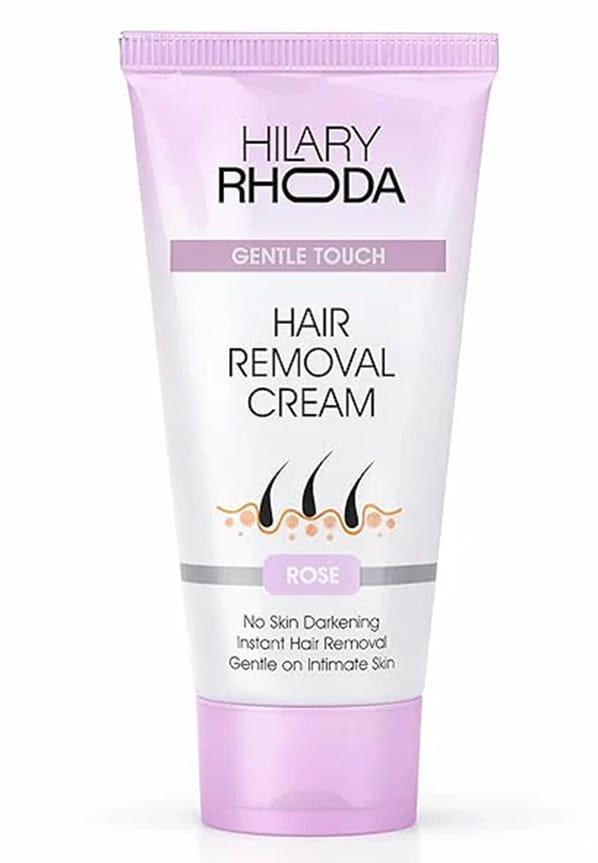
Gentle Touch Hair Removal Cream
Good Product, Happy
 4
4“good product I'm definitely happy with it”
Let's be real—intimate hair removal can feel like navigating a minefield of questions, concerns, and conflicting advice. Whether you're curious about bikini line hair removal cream or wondering if pubic hair removal cream is actually safe for your most sensitive areas, you're not alone in seeking clear, honest answers. The world of intimate hair removal cream has evolved significantly, with brands now offering gentle hair removal cream for bikini area specifically formulated for delicate skin. But with so many options available, from sensitive skin hair removal cream to at-home intimate hair removal solutions, it's natural to feel overwhelmed. That's where platforms like Smytten come in handy—letting you try different products before committing to full sizes, because when it comes to your intimate areas, you definitely want to test what works for your skin first.
TL;DR
Hair removal cream for intimate areas can be safe when you choose products specifically formulated for sensitive zones and follow proper application techniques
Always patch test any intimate hair removal cream 24-48 hours before full application to avoid adverse reactions
Look for gentle, pH-balanced formulas with soothing ingredients like aloe vera and avoid harsh chemicals
Proper application timing (usually 3-10 minutes) and technique are crucial for both effectiveness and safety
Consider your skin sensitivity level and hair type when choosing between different cream depilatory options for intimate areas
The short answer is yes, but with important caveats. Safe hair removal cream for groin areas exists, but it's not the same as your regular body hair removal cream. The skin in intimate areas is significantly thinner and more sensitive than other parts of your body, which means it requires specially formulated products designed for these delicate zones.
The key difference lies in the formulation. Intimate-specific hair removal creams typically have lower concentrations of active ingredients like calcium thioglycolate or potassium thioglycolate, which break down hair proteins. They also include more soothing and moisturising ingredients to counteract potential irritation. Think of it as the difference between using a gentle cleanser on your face versus a harsh body wash—both clean, but one is formulated for more delicate skin.
Patch testing becomes absolutely non-negotiable when it comes to intimate areas. Apply a small amount of the sensitive skin hair removal cream to a less sensitive area (like your inner wrist or behind your ear) and wait 24-48 hours to check for any reaction. If you experience redness, itching, or burning, that product isn't your match.
Certain situations call for avoiding depilatory creams altogether. If you have any cuts, nicks, active infections, or existing irritation in the area, give your skin time to heal first. Similarly, if you're pregnant or breastfeeding, it's worth chatting with your healthcare provider before trying new products in intimate areas.
Finding the best hair removal cream for private parts isn't about picking the strongest formula—it's about finding the gentlest one that still gets the job done. Your intimate areas deserve products that respect their sensitivity whilst effectively removing unwanted hair.
When scanning ingredient lists, look for soothing superstars like aloe vera, vitamin E, chamomile, and calendula. These ingredients help calm skin during and after the hair removal process. Glycerin and other humectants are also brilliant for maintaining moisture levels, preventing that tight, uncomfortable feeling post-removal.
On the flip side, steer clear of products containing alcohol, strong fragrances, or harsh preservatives like parabens. These can cause irritation or allergic reactions in sensitive areas. Menthol might feel cooling elsewhere on your body, but it can be too intense for intimate zones.
pH balance matters more than you might think. Your intimate areas naturally maintain a slightly acidic pH (around 3.8-4.5), so look for products that won't disrupt this delicate balance. Many quality intimate hair removal creams are specifically pH-balanced for this reason.
Fast-acting formulas that work within 3-10 minutes are ideal—the longer a product sits on sensitive skin, the higher the chance of irritation. Look for products that clearly state their recommended timing.
Built-in moisturising properties save you a step and help prevent post-removal dryness. Some formulas include ingredients like shea butter or coconut oil for this purpose.
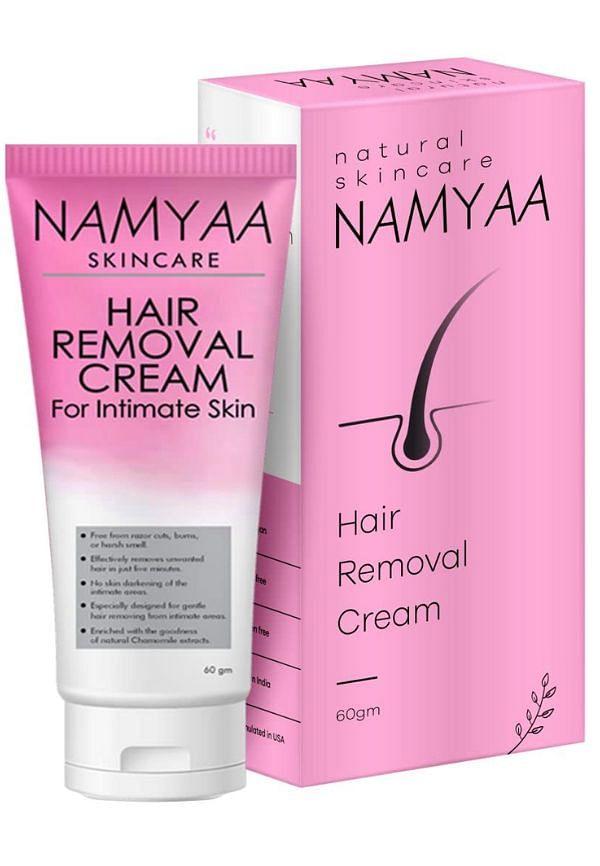
Hair Removing Cream For Intimate Skin
Good for Intimate Skin
5“good for Intimate skin must buy”
Best affordable cream
5“Best hair removal cream in affordable price”
Good Product, Nice Texture & Mild Fragrance
5“Thick, opaque and creamy! Fragrance is not strong too, good product.”
Versatility matters too. The best products work on both coarse and fine hair types, so you don't need different products for different areas.
Fragrance-free options are often the safest bet for sensitive users, though some people prefer light, natural scents that aren't overwhelming.
Proper application of bikini line hair removal cream can make the difference between smooth results and skin irritation. The process starts well before you actually apply the product, and attention to detail throughout ensures both safety and effectiveness.
Begin with clean, dry skin. Take a warm (not hot) shower to soften the hair, then gently pat the area completely dry. Avoid using harsh soaps or exfoliating scrubs right before application, as these can make skin more sensitive.
When applying your gentle hair removal cream for bikini area, use the spatula or applicator provided—never your hands. Apply an even, thick layer that completely covers the hair you want to remove. The cream should be thick enough that you can't see the hair underneath, but don't go overboard with massive amounts.
Timing is everything. Start with the minimum recommended time (usually around 3-5 minutes for sensitive formulas) and check a small area by gently wiping away the cream with the spatula. If the hair comes away easily, you're done. If not, leave it for another minute or two, but never exceed the maximum time stated on the package.
For removal, use the spatula to gently scrape away the cream and dissolved hair, working in the opposite direction of hair growth. Follow up with lukewarm water to rinse away any residue, then pat dry with a clean towel.
Over-application is a rookie mistake that can lead to chemical burns. More product doesn't mean better results—it just increases irritation risk.
Using regular body hair removal cream on intimate areas is like using dish soap as shampoo—technically it might work, but it's not designed for that delicate environment.
Skipping patch tests might save time initially, but dealing with a reaction definitely doesn't.
Rushing the removal process or scrubbing aggressively can damage skin. Gentle, patient movements are key.
Creating the right environment for at-home intimate hair removal sets you up for success. Choose a time when you won't be rushed, ensure good lighting, and have all your supplies ready. A handheld mirror can be incredibly helpful for areas that are difficult to see.
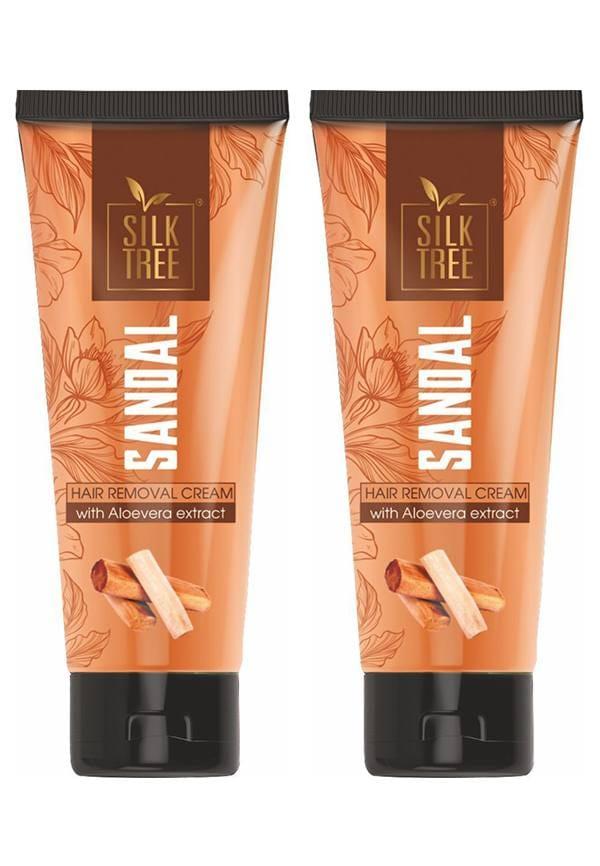
Sandal & Aloevera Extract Hair Removal Cream
Hygiene protocols matter more for intimate areas than anywhere else. Wash your hands thoroughly before and after application, use clean towels, and ensure your spatula or applicator is clean. Some people prefer using disposable gloves for extra hygiene.
Manage your expectations about regrowth. Hair removal for sensitive zones typically lasts 3-7 days, depending on your hair growth rate and the product's effectiveness. Unlike shaving, you won't get stubble the next day, but don't expect weeks of smoothness either.
If you're combining different hair removal methods, timing matters. Wait at least 24-48 hours between using different products or techniques to avoid over-irritating your skin. Never use depilatory cream immediately after shaving or waxing.
Understanding your skin's sensitivity level helps you choose the right approach to pubic hair removal cream application. If you have generally sensitive skin, eczema, or allergies, you'll need extra caution and possibly gentler formulations than someone with resilient skin.
Pre-treatment preparation can make a huge difference. Some people find that applying a thin layer of petroleum jelly around (not on) the area they want to treat helps protect the surrounding skin from accidental contact with the cream.
During application, pay attention to any immediate sensations. A slight tingling is normal, but burning, stinging, or intense discomfort means you should remove the product immediately. Trust your body's signals—they're usually right.
Post-removal care is just as important as the removal itself. Apply a gentle, fragrance-free moisturiser or aloe vera gel to soothe skin. Avoid tight clothing for a few hours after treatment to prevent friction and irritation.
Normal skin responses include mild redness that fades within a few hours and slight sensitivity that resolves within 24 hours. These are typically nothing to worry about.
Concerning reactions include persistent burning, severe redness lasting more than 24 hours, blistering, or signs of infection. If you experience these, discontinue use and consider consulting a healthcare provider.
Immediate soothing treatments like cool compresses, aloe vera gel, or hydrocortisone cream (if recommended by a pharmacist) can help manage minor irritation.
For long-term skin health, avoid over-treating the area and give your skin breaks between hair removal sessions.
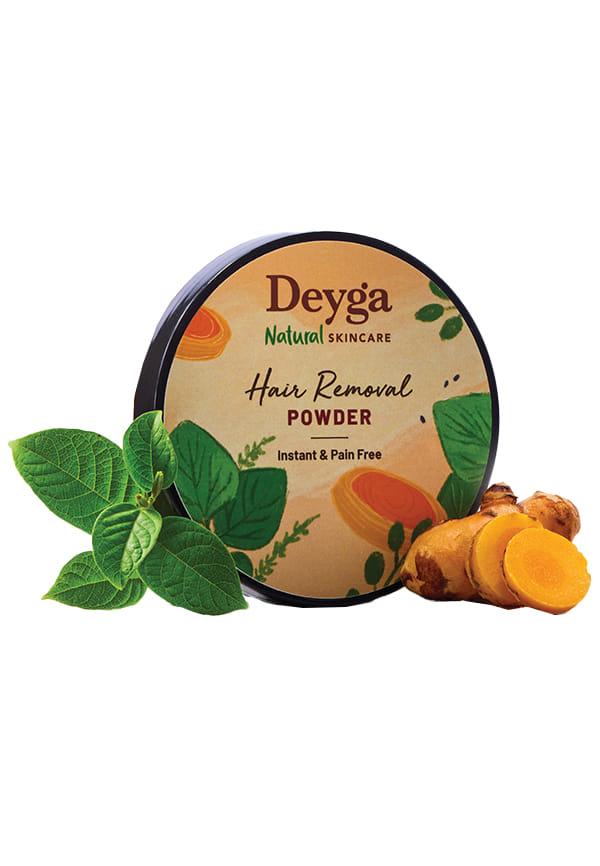
Hair Removal Powder
The best cream depends on your specific skin type and sensitivity level. Look for products specifically labelled for intimate or bikini areas, with gentle formulations containing soothing ingredients. Budget-friendly options from established brands often work just as well as premium alternatives. The key is finding a formula that's pH-balanced and designed for sensitive skin. You might want to trial different options on Smytten to find what works best for your skin before committing to full-size products.
Depilatory creams offer a middle ground between the quick regrowth of shaving and the pain of waxing. They're less painful than waxing, last longer than shaving, and are more affordable than laser treatments. However, they may not work as well on very coarse hair and require patch testing. The best approach often involves trying different methods to see what your skin tolerates best and what fits your lifestyle and pain tolerance.
Female-specific formulations often account for hormonal fluctuations that can affect skin sensitivity throughout the menstrual cycle. Look for products that mention being suitable for women's intimate areas specifically. During pregnancy or while breastfeeding, extra gentle formulations are advisable, and it's worth consulting with a healthcare provider about any new products.
Most dermatologists recommend waiting at least 72 hours between applications, though many people find once a week works well. Signs you're overusing include persistent redness, increased sensitivity, or skin that feels constantly irritated. Your skin needs time to recover between treatments, so patience is key for maintaining healthy skin while managing unwanted hair.
While it's not unsafe, your skin may be more sensitive during menstruation due to hormonal changes. If you typically use these products without issues, you can continue, but be extra gentle and consider doing a patch test if you notice increased sensitivity during your cycle.
Remove any remaining product immediately with cool water, apply a cold compress to reduce inflammation, and use a gentle, fragrance-free moisturiser or aloe vera gel. Avoid tight clothing and any other products in the area until the irritation subsides. If symptoms persist beyond 24 hours or worsen, consult a healthcare provider.
Choosing the right hair removal cream for intimate areas comes down to understanding your skin's needs and selecting products specifically formulated for sensitive zones. Always prioritise safety over speed—patch testing, proper timing, and gentle application techniques are non-negotiable when dealing with delicate intimate areas.
Remember that what works for your friend might not work for you, and that's completely normal. Skin sensitivity, hair type, and personal preferences all play a role in finding your perfect match. Don't be discouraged if the first product you try isn't ideal—finding the right intimate hair removal solution often takes some experimentation.
Most importantly, listen to your body. If a product causes persistent irritation or discomfort, it's not the right choice for you, regardless of how well it works for others. Your comfort and skin health should always come first in your hair removal journey.
Navigating intimate hair removal doesn't have to be overwhelming when you're armed with the right information and products. The key is finding gentle, effective solutions that work with your skin rather than against it. Smytten's trial packs make this journey much easier by letting you test different hair removal creams before committing to full sizes—because when it comes to your most sensitive areas, you definitely want to try before you buy. With over 1,500 trusted brands available and 100% cashback on trial purchases, you can explore various intimate hair removal options without the financial risk. After all, why settle for maybe when you can find the perfect product that actually works for your unique needs? Your skin deserves products that treat it with care, and with the right approach, you can achieve smooth, comfortable results safely at home.
