9 Ways to Tackle Dark Spots in Intimate Areas

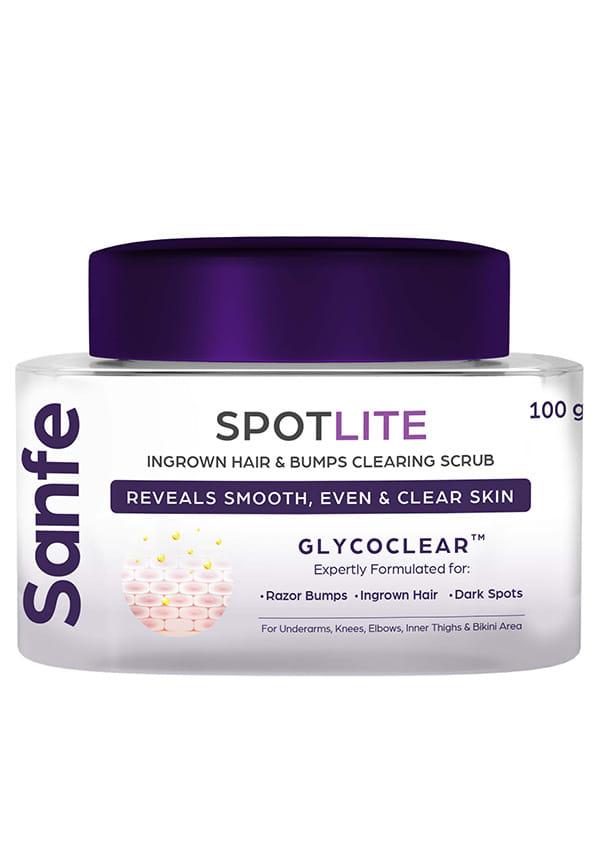
Dark Spot Sensitive Body Scrub For Dark Underarms, Inner Thighs and Sensitive Areas
Lovely Product & Good Discount
 5
5“lovely product aur discount bhi achha hai”
Good, Smooth, and Effective Scrub
5“very good scrub have a good smooth texture doesn't rough the skin and remove dead skin”
Brightens and reduces dullness
4“Amazing It reduces the dullness of skins and makes it bright”
Dark spots in intimate areas are way more common than you might think, yet they're rarely talked about openly. Whether it's bikini area dark spots, inner thigh dark patches, or underarm brightening concerns, hyperpigmentation in private areas affects countless people and can seriously knock your confidence. The good news? Most cases are completely normal and totally treatable with the right approach. From gentle skincare routines to professional treatments, there are proven methods for dark spot removal for intimate areas that actually work. The key is understanding what's causing the darkening and choosing safe, effective solutions that won't irritate your most sensitive skin. With platforms like Smytten offering trial-sized intimate care products, you can test what works for your skin without committing to full-size purchases. Let's dive into nine dermatologist-backed ways to tackle this common concern safely and effectively.
Dark spots in intimate areas are usually caused by friction, hormonal changes, or shaving irritation—most cases are completely normal
Gentle cleansing, breathable cotton underwear, and proper moisturising can significantly improve hyperpigmentation in private areas
Professional treatments like mild chemical peels and laser therapy offer faster results for stubborn dark patches
Avoid harsh home remedies like lemon juice or baking soda that can cause chemical burns and worsen darkening
Results typically appear in 4-8 weeks with consistent care, but severe symptoms require immediate medical attention
Before jumping into solutions, it's crucial to understand why intimate skin lightening becomes necessary in the first place. Hyperpigmentation in private areas isn't just about aesthetics—it often signals underlying issues that need addressing. The skin in these areas is naturally darker and more sensitive, making it prone to various forms of discolouration.
The main culprits behind dark spots are surprisingly everyday activities and conditions. Friction from tight clothing tops the list—those skinny jeans and synthetic underwear create constant rubbing that triggers melanin production. Shaving irritation follows closely, especially when using dull razors or skipping proper prep. Your body responds to this trauma by producing more pigment as protection.
Hormonal changes play a massive role too. Pregnancy, PCOS, and diabetes can all trigger melasma in intimate areas. This type of darkening often appears symmetrically and can be particularly stubborn. Excessive moisture and sweat buildup create the perfect environment for bacterial growth and irritation, leading to post-inflammatory hyperpigmentation.
Different areas present unique challenges when it comes to treatment. Bikini area dark spots often result from hair removal trauma, whilst inner thigh dark patches typically stem from friction during walking or exercise. The underarms face similar friction issues, plus frequent shaving and antiperspirant use.
Buttocks and groin areas tend to trap moisture and heat, creating ideal conditions for darkening. Understanding which area you're dealing with helps determine the most effective treatment approach.
Now for the good stuff—proven methods that actually work without causing more harm than good. These approaches range from simple lifestyle changes to professional treatments, giving you options regardless of your budget or comfort level.
Your hair removal method might be your biggest enemy when it comes to intimate skin lightening. Shaving with dull razors creates micro-tears and inflammation, triggering your skin's protective darkening response. Consider switching to trimming for a gentler approach, or invest in professional laser hair reduction for long-term results.
If you must shave, use a sharp, clean razor with plenty of shaving cream. Shave in the direction of hair growth, not against it. Waxing can also cause folliculitis and darkening, so proceed with caution.
Your wardrobe choices directly impact your skin's health. Loose-fitting cotton underwear allows air circulation and reduces friction significantly. Synthetic materials trap moisture and create the perfect storm for darkening and irritation.
For exercise, choose moisture-wicking fabrics that pull sweat away from your skin. Avoid tight leggings or shorts that create constant rubbing between your thighs.
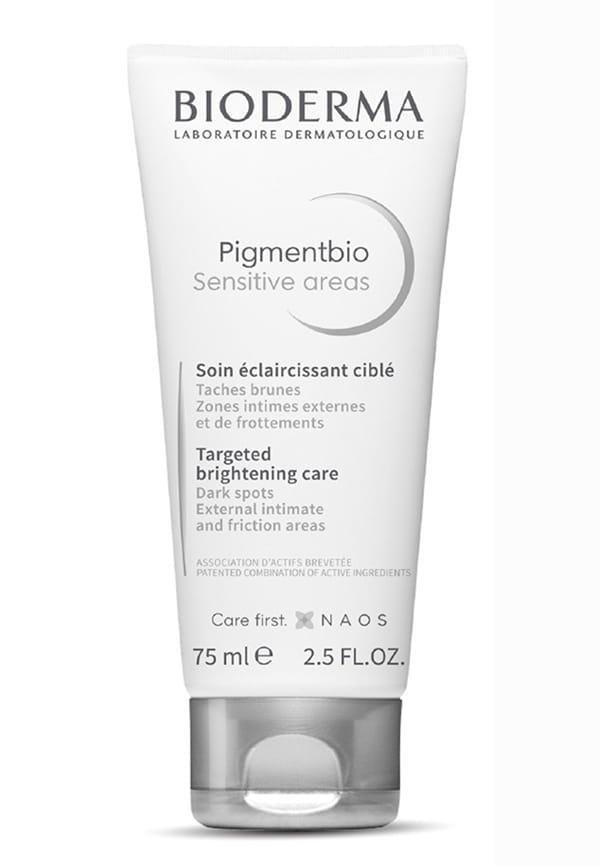
Pigmentbio Sensitive Areas External Intimate and Friction Areas Brightening Care
Good but Slightly Pricy
4“good but slightly pricy. let's see how it goes.”
Lightweight and Easy to Use
4“lightweight and easy to use recommended”
Positive Product Review
5“the product is good as expected”
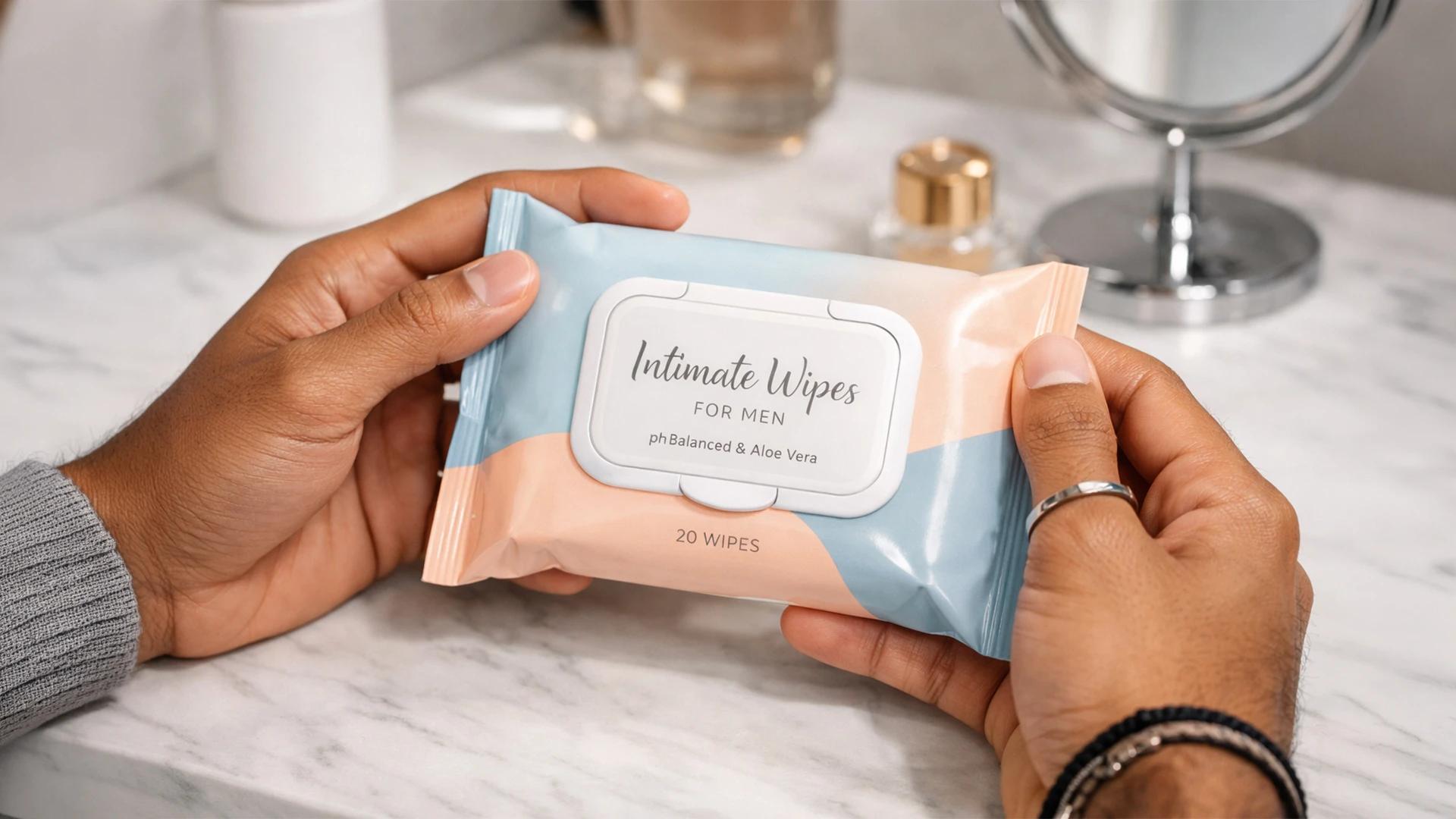
Harsh soaps and fragranced products can strip your skin's natural barrier, leading to irritation and compensatory darkening. pH-balanced intimate washes maintain your skin's natural acidity whilst gently removing bacteria and sweat buildup.
Always pat dry instead of rubbing vigorously. The mechanical action of rough towelling can worsen hyperpigmentation over time.
When choosing a sensitive skin lightening cream, look for gentle ingredients like niacinamide, kojic acid, or mild retinol formulations. These work slowly but safely to inhibit melanin production without causing irritation.
Natural moisturisers like aloe vera and coconut oil provide hydration whilst offering mild brightening properties. Always patch test new products on a small area first.
For stubborn cases, professional treatments offer faster, more dramatic results. Chemical peels specifically formulated for intimate areas use gentle acids to remove darkened surface layers. Laser therapy targets melanin directly, breaking up pigment clusters effectively.
Prescription treatments like hydroquinone or tretinoin provide stronger lightening action but require medical supervision to avoid adverse effects.
Some natural approaches can support your lightening routine safely. Gram flour mixed with water creates a gentle exfoliating paste that removes dead skin cells without harsh scrubbing. Turmeric has anti-inflammatory properties that can calm irritated skin.
Oatmeal provides gentle physical exfoliation whilst soothing sensitive skin. These methods work slowly but are generally safe for regular use.
Addressing underlying hormonal imbalances can significantly improve melasma in intimate areas. Managing conditions like diabetes through diet and medication helps prevent further darkening. Maintaining a healthy weight reduces friction between skin folds.
Stress reduction techniques like yoga or meditation can help balance hormones naturally, supporting your skin's healing process.
Well-hydrated skin heals faster and resists irritation better. Daily moisturising with fragrance-free products maintains your skin barrier whilst supporting cell turnover. Hyaluronic acid-based treatments provide deep hydration without clogging pores.
Consider using barrier protection methods like petroleum jelly during exercise to prevent friction-induced darkening.
Sometimes DIY approaches aren't enough, and that's perfectly okay. Dermatologists can create customised treatment plans based on your specific type of hyperpigmentation and skin sensitivity. They can also rule out underlying medical conditions that might be contributing to the darkening.
Regular monitoring ensures your treatment is working effectively and allows for adjustments as needed.
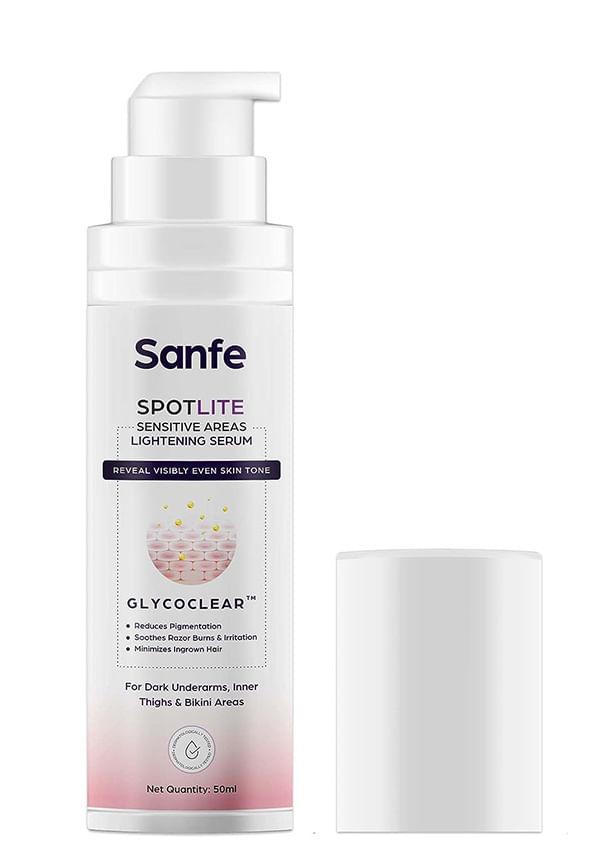
Dark Spot Sensitive Body Serum For Dark Underarms, Inner Thighs and Sensitive Areas
Gentle with Good Smell
5“gentle on skin doesn't irritate the skin and good smell”
Gentle with Good Smell
5“gentle on skin doesn't irritate the skin and good smell”
Best Results in First Use
4“best results in first use ......”
The internet is full of "miracle" home remedies that promise quick results for intimate area darkening. Unfortunately, many of these can cause more harm than good, leading to chemical burns, increased irritation, and paradoxically, more darkening.
Lemon juice is probably the most dangerous recommendation floating around social media. Its high acidity can cause severe chemical burns on sensitive intimate skin, leading to permanent scarring and increased pigmentation. Similarly, baking soda scrubs disrupt your skin's natural pH balance, causing irritation and inflammation.
Toothpaste contains harsh abrasives and chemicals never meant for skin contact. Using rough loofahs or abrasive scrubs can create micro-tears that trigger more melanin production.
Intimate areas have a delicate pH balance that's easily disrupted. Chemical burns from acidic substances can take weeks to heal and often leave permanent marks. The skin's response to trauma is increased pigmentation, making your original problem worse.
Always stick to products specifically formulated for sensitive skin or intimate areas. Your skin will thank you in the long run.
While most intimate area darkening is benign, certain symptoms require immediate medical attention. Knowing when to stop DIY treatments and consult a healthcare provider can prevent serious complications and ensure proper treatment.
Open sores that heal slowly could indicate diabetes or other underlying conditions. Rough, bumpy, or raised texture changes might signal skin conditions requiring prescription treatment. Sudden spreading of dark patches, especially if asymmetrical, needs professional evaluation.
Severe itching, burning, or unusual discharge alongside darkening could indicate infections or other medical issues that won't resolve with cosmetic treatments alone.
Dermatologists have access to prescription vaginal lightening products that are both safer and more effective than over-the-counter options. They can perform safe intimate area treatments in controlled environments, minimising risks of complications.
Professional monitoring is especially important for ruling out serious conditions and ensuring your chosen treatment approach is appropriate for your specific situation.
Consistency is key when it comes to intimate skin lightening. Building a sustainable routine that you can stick to long-term will yield better results than sporadic intensive treatments that you abandon after a few weeks.
Morning routines should focus on gentle cleansing and protection. Use a pH-balanced wash, apply a light moisturiser, and choose breathable clothing. Evening routines can include more active treatments like mild exfoliation or lightening serums.
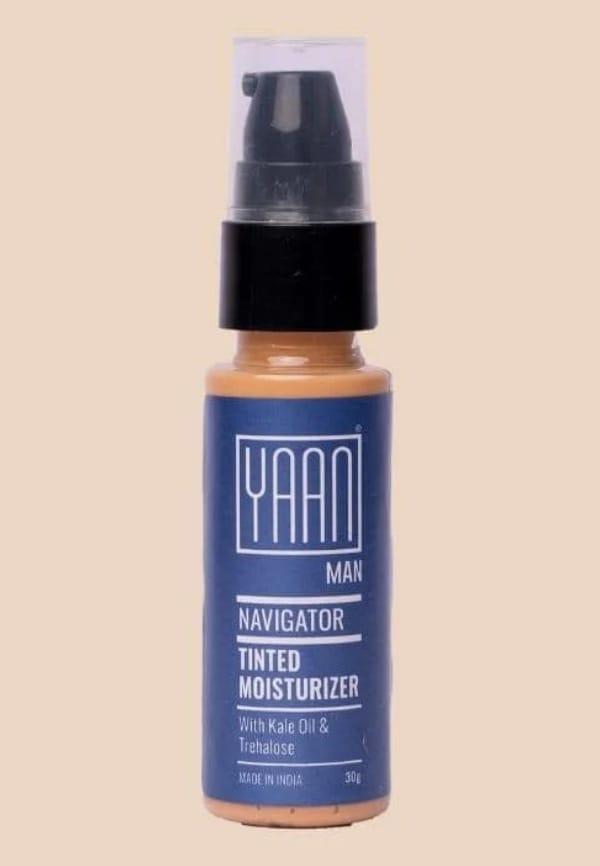
Tinted Moisturizer-Dark
Track your progress with photos taken in consistent lighting. This helps you notice gradual improvements and adjust your routine as needed.
Start slowly with new treatments—use lightening products every other day initially to gauge your skin's tolerance. Combining multiple gentle methods often works better than relying on one intensive treatment.
Expect to see initial improvements in 4-6 weeks, with significant results appearing after 2-3 months of consistent care. Patience is crucial—rushing the process often leads to irritation and setbacks.
Use gentle cleansing with pH-balanced products, wear breathable cotton underwear, apply dermatologist-recommended lightening creams, and avoid friction-causing activities. Results typically appear in 4-8 weeks with consistent care. Consider professional treatments for faster results.
Dark spots in intimate areas are commonly caused by friction from tight clothing, shaving irritation, hormonal changes, or conditions like acanthosis nigricans. Most cases are benign but should be evaluated if symptoms worsen or spread rapidly.
Many OTC products are safe when used as directed, but always choose those specifically formulated for sensitive skin. Avoid products with harsh ingredients like hydroquinone concentrations above 2% or strong acids. Trial-sized options available on Smytten let you test products safely before committing to full sizes.
Most people notice initial improvements in 4-6 weeks with consistent daily care. Significant lightening typically occurs after 2-3 months. Professional treatments may show faster results, with some improvement visible after just a few sessions.
Yes, most methods work equally well for men and women. However, men may need to pay extra attention to areas prone to friction from tight underwear or athletic activities. The same gentle cleansing and moisturising principles apply regardless of gender.
Dark spot removal for intimate areas requires patience, consistency, and the right approach for your specific situation. Most cases of hyperpigmentation in private areas are completely normal and respond well to gentle, sustained care. The key is identifying what's causing your darkening—whether it's friction, hormonal changes, or hair removal trauma—and addressing the root cause alongside topical treatments.
Remember that harsh home remedies often do more harm than good. Stick to products specifically formulated for sensitive skin, and don't hesitate to consult a dermatologist if you're dealing with persistent darkening or concerning symptoms. Professional treatments can offer faster results when DIY approaches aren't sufficient.
Finding the right products for intimate skin lightening doesn't have to involve expensive full-size purchases that might not work for your skin. Smytten offers curated trial packs from over 1,500 trusted brands, letting you explore gentle cleansers, moisturisers, and lightening treatments before committing to full sizes. With 100% cashback on trials and authentic brand-verified minis available across India, you can discover what works for your sensitive skin without the financial risk. After all, when it comes to intimate care, why settle for 'maybe' when you can try before you buy and find products that truly work for you?
