9 Ways to Soothe Razor Burn and Bumps on Legs
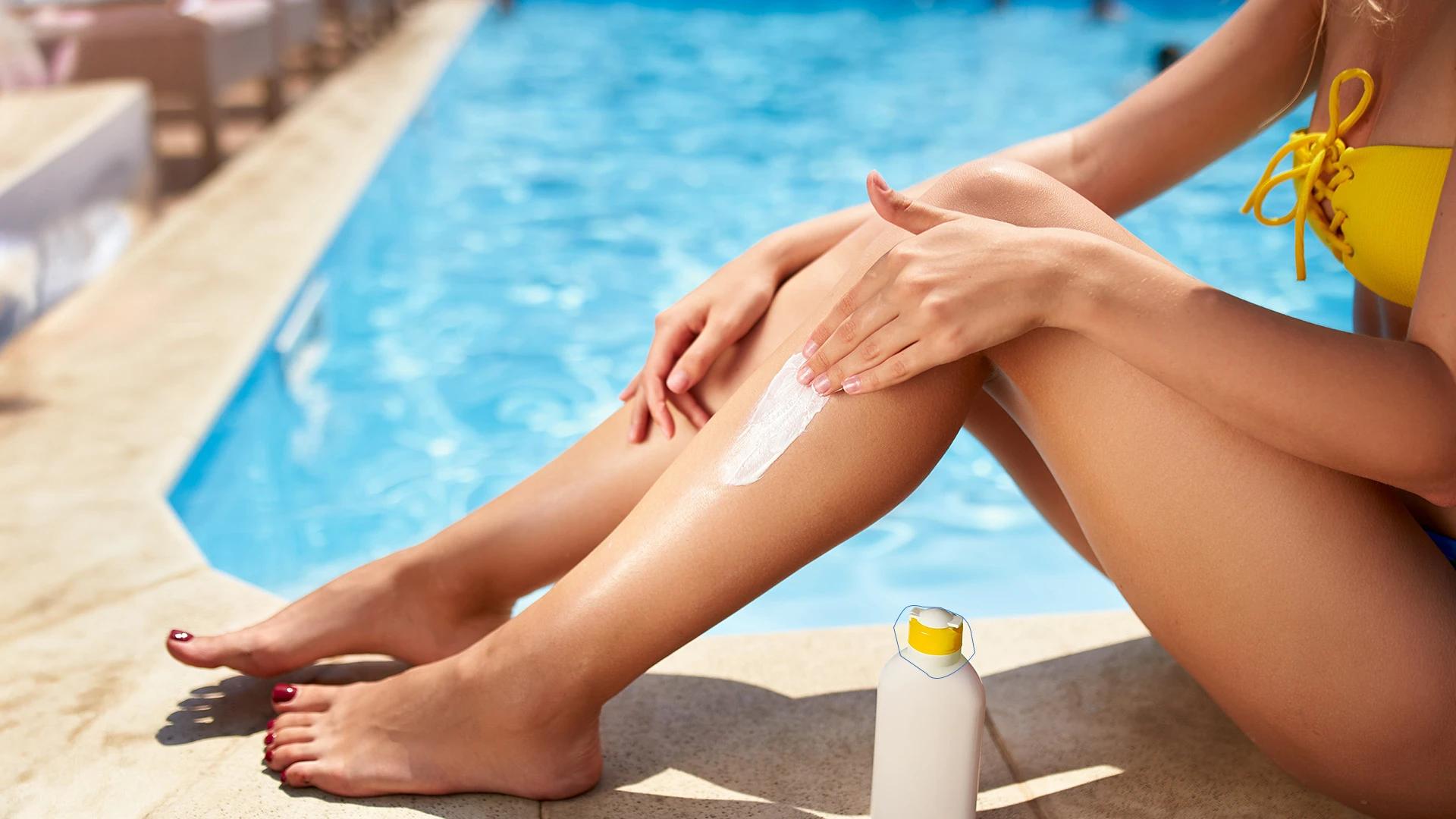

Let's be real—hair removal can feel like a necessary evil. One minute you're admiring your smooth legs, and the next you're dealing with angry red bumps, razor burn, or those pesky ingrown hairs that seem to have a vendetta against your skin. If you've ever wondered why your legs react so dramatically to what should be a simple grooming routine, you're not alone. The good news? There are proven hair removal irritation treatments for legs that actually work, and we're about to dive into nine game-changing methods that'll help you achieve the smooth, comfortable skin you're after. Whether you're dealing with post-shave drama or trying to calm your skin after waxing, these solutions will become your new best friends. Plus, with platforms like Smytten offering trial-sized skincare products, you can test what works for your skin without the commitment of full-size purchases.
TL;DR
Hair removal irritation on legs is common due to sensitive skin and improper technique
Immediate treatments include cold compresses, aloe vera gel, and hydrocortisone cream
Natural remedies like oatmeal paste and tea tree oil can effectively soothe razor burn legs
Prevention through proper technique and aftercare is key to avoiding future irritation
Persistent irritation lasting over a week may require professional evaluation
Your legs are particularly vulnerable to hair removal irritation for several reasons. The skin on your legs is often drier than other areas of your body, making it more prone to nicks, cuts, and inflammation. When you add the friction from razors, the heat from wax, or the pulling motion of epilators, it's no wonder your skin protests.
Common types of irritation include razor burn (that immediate stinging sensation), post-shave bumps (those red, inflamed spots), and ingrown hairs (when hair grows back into the skin instead of outward). The difference between immediate and delayed reactions is crucial—razor burn typically appears within minutes, while ingrown hairs might take days to develop. Understanding these patterns helps you choose the right sensitive skin hair removal solutions for your specific situation.
When irritation strikes, quick action can make all the difference. These nine methods target different aspects of hair removal irritation, from reducing inflammation to preventing infection. The key is knowing which treatment works best for your specific type of irritation.
Cold therapy is your first line of defence against razor burn and post-shave bumps treatment. The cold temperature constricts blood vessels, reducing inflammation and numbing the area for immediate relief. Wrap ice cubes in a clean cloth or use a cold, damp washcloth—never apply ice directly to your skin. Hold the compress against irritated areas for 10-15 minutes, taking breaks every few minutes to prevent skin damage.
Aloe vera is nature's cooling agent, packed with anti-inflammatory compounds that calm angry skin. Fresh aloe from the plant works brilliantly, but a good-quality commercial gel (check that aloe is the first ingredient) does the job too. Apply a thin layer to clean skin and let it absorb completely. You can reapply every few hours as needed—this treatment is gentle enough for frequent use.
For more severe irritation, over-the-counter hydrocortisone cream can be a game-changer. This mild topical steroid reduces inflammation and itching effectively. Apply a thin layer to affected areas twice daily, but don't use it for more than a week without consulting a healthcare professional. It's particularly effective for those stubborn red bumps that just won't calm down.
Oatmeal isn't just for breakfast—it's a brilliant natural remedy for skin irritation. Grind plain oats into a fine powder and mix with a small amount of water to create a paste. The compounds in oats have anti-inflammatory properties that soothe irritated skin. Apply the paste to affected areas, leave for 10-15 minutes, then rinse with cool water. This treatment works particularly well for widespread irritation.
Tea tree oil's antimicrobial properties make it excellent for preventing infection in irritated hair follicles. However, never use it undiluted—mix 2-3 drops with a tablespoon of carrier oil like coconut or jojoba oil. Always patch test first, as some people are sensitive to tea tree oil. Apply the diluted mixture to affected areas once daily until irritation subsides.
When basic treatments aren't cutting it, these advanced solutions target deeper issues like ingrown hairs and chronic irritation. These methods require a bit more patience but deliver longer-lasting results for those dealing with recurring problems.
Exfoliation helps prevent ingrown hairs by removing dead skin cells that can trap growing hair. Wait at least 48 hours after hair removal before exfoliating irritated skin. Chemical exfoliants with salicylic acid or glycolic acid work well, but physical exfoliation with a gentle scrub can also be effective. Avoid harsh scrubs or exfoliating immediately after hair removal—this will only worsen irritation.
Look for lotions specifically formulated for post-hair removal care. The best lotions for post-hair removal contain ingredients like zinc oxide (which reduces inflammation) and magnesium silicate (which absorbs excess oil). Avoid products with fragrances, alcohol, or petroleum-based ingredients, as these can further irritate sensitive skin. Apply these lotions within an hour of hair removal for best results.
Witch hazel is a natural astringent that reduces inflammation and tightens pores, making it excellent for calming skin after waxing or shaving. Apply alcohol-free witch hazel to a cotton pad and gently dab over irritated areas. You can use this treatment twice daily, and it combines well with other soothing treatments like aloe vera gel.
When home remedies aren't enough, professional-grade products with active ingredients like niacinamide, ceramides, or peptides can provide superior relief. These creams often contain higher concentrations of active ingredients and are formulated specifically for sensitive or compromised skin. While they're pricier than drugstore options, they're worth considering if you deal with chronic irritation.
The best treatment for hair removal irritation is preventing it in the first place. Proper preparation and technique can dramatically reduce your chances of experiencing razor burn, bumps, or ingrown hairs. Prevention is particularly important for those with sensitive skin who seem to react to every hair removal method they try.
Start with proper pre-hair removal preparation. Exfoliate gently 24 hours before hair removal to remove dead skin cells. Take a warm shower or bath to soften hair and open pores. If you're shaving, use a sharp, clean razor and shave in the direction of hair growth, not against it. For waxing, ensure your hair is the right length (about 6mm) and avoid waxing during your menstrual cycle when skin is more sensitive.
Post-treatment care is equally crucial for preventing leg irritation. Avoid tight clothing for at least 24 hours after hair removal. Skip perfumed lotions, deodorants, or other potentially irritating products. Keep the area clean and dry, and resist the urge to touch or pick at any bumps that do appear.
The 24-48 hours following hair removal are critical for your skin's recovery. During this period, your hair follicles are open and vulnerable, making proper aftercare essential for achieving those smooth, healthy legs you're after. Think of this time as your skin's healing window—what you do (or don't do) can make or break your results.
Immediately after hair removal, stick to gentle, fragrance-free products. Avoid hot baths, saunas, or intense exercise for at least 24 hours, as heat and sweat can irritate freshly treated skin. Instead, opt for lukewarm showers and pat your skin dry rather than rubbing. Apply a soothing moisturiser or treatment product while your skin is still slightly damp to lock in hydration.
Building a sustainable leg care routine means finding products that work consistently for your skin type. This might involve some trial and error, but the effort pays off in smoother, less irritated skin over time. Consider keeping a skincare diary to track which products and techniques work best for you.
While most hair removal irritation resolves with proper home treatment, certain signs indicate it's time to consult a professional. Persistent redness, swelling, or pain lasting more than a week could signal an infection or allergic reaction. Pus-filled bumps, spreading redness, or fever are red flags that require immediate medical attention.
If you consistently experience severe reactions regardless of the hair removal method or products you use, a dermatologist can help identify underlying skin conditions or allergies. They might recommend prescription treatments or suggest alternative hair removal methods better suited to your skin type. Don't suffer in silence—professional help can make a significant difference in your comfort and skin health.
Apply a cold compress immediately after noticing irritation, followed by aloe vera gel or a gentle, fragrance-free moisturiser. Avoid tight clothing and perfumed products. Most mild irritation resolves within 24-48 hours with proper care.
Use gentle exfoliation 2-3 days after hair removal to prevent ingrown hairs. Apply diluted tea tree oil for its antimicrobial properties, and consider hydrocortisone cream for severe inflammation. Avoid picking or squeezing inflamed follicles.
Focus on prevention with proper technique: use sharp razors, shave with the grain, exfoliate regularly, and maintain consistent aftercare routines. Consider switching to alternative hair removal methods if shaving consistently causes problems.
This varies by individual, but epilators can provide longer-lasting results with less frequent irritation once your skin adapts. Depilatory creams designed for sensitive skin are another option—always patch test first. You can trial different products available on Smytten to find what works best for your skin.
Most irritation resolves within 24-48 hours with proper treatment. Ingrown hairs may take longer to heal. Persistent irritation lasting over a week warrants professional evaluation to rule out infection or allergic reactions.
Hair removal irritation doesn't have to be an inevitable part of your grooming routine. With the right combination of immediate treatments, prevention strategies, and proper aftercare, you can significantly reduce both the frequency and severity of irritation. Remember that what works for your friend might not work for you—skin is individual, and finding your perfect routine might take some experimentation.
The most effective approach combines immediate relief methods (like cold compresses and aloe vera) with long-term prevention strategies (proper technique and consistent aftercare). Don't ignore persistent or severe irritation—when in doubt, consult a healthcare professional. Your skin's health is worth the investment in proper care and quality products.
Finding the right hair removal irritation treatments for your legs is a journey, not a destination. What matters most is listening to your skin and adjusting your routine accordingly. Smytten is India's largest product discovery and trial platform, connecting consumers with top lifestyle, beauty, wellness, and grooming brands. At its core, Smytten offers curated trial packs from over 1,500 trusted brands, letting you explore and experience products before committing to full-size purchases. Each mini is linked with Trial Points, and users can get up to 8 minis for just ₹249. Plus, Smytten offers 100% cashback on the purchase of these minis, making product discovery both affordable and rewarding. With authentic brand-verified minis available on Smytten, you can trial before you buy and find the perfect post-hair removal products for your skin. After all, why settle for irritated skin when you can #TryItAll and discover what truly works for you?
