9 Ways Honey & Milk Wax Tackle Tanning

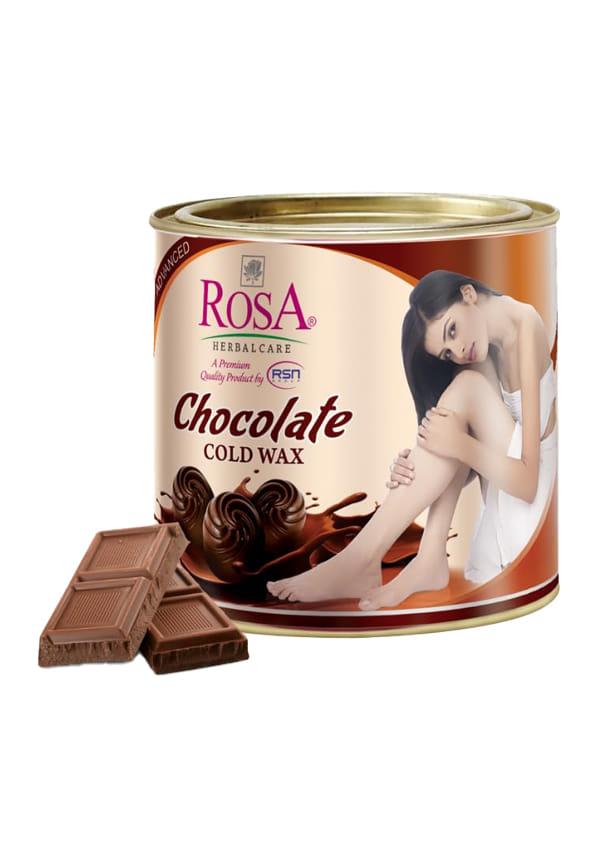
Chocolate Cold Wax, For All skin, Natural & Herbal ingredients
That golden glow from your beach holiday might look gorgeous in photos, but when it comes to hair removal, tanned skin can be a bit of a nightmare. Regular waxes often struggle with sun-kissed complexions, leaving you with patchy results or irritated skin. But here's where honey and milk wax step in as your skin's best mates. These natural formulations don't just remove unwanted hair—they actually help tackle that stubborn tan whilst being incredibly gentle on your sun-stressed skin. Whether you're dealing with an uneven tan line or just want smoother skin without the harsh aftermath, understanding how these waxes work can be a total game-changer. Smytten's collection of gentle waxing products makes it easier than ever to find your perfect match without the commitment of buying full-size products first.
Honey and milk wax naturally exfoliate tanned skin whilst removing hair, making them the best wax for tanned skin
Honey wax provides deep moisturisation and anti-inflammatory benefits, perfect for sun-damaged complexions
Milk wax contains lactic acid that gently removes tan buildup whilst nourishing skin with proteins and vitamins
Both formulations are gentler than traditional waxes, reducing irritation on sensitive tanned areas
Proper application timing and aftercare are crucial for maximum tan removal and skin health
Let's be real—tanned skin behaves differently than your regular winter complexion. When your skin has been kissed by the sun, it becomes thicker, drier, and often more sensitive. Traditional waxes can feel harsh and may not grip hair properly on this altered skin texture, leading to incomplete hair removal and potential skin damage.
The main challenge with hair removal wax for tanned skin lies in the fact that tanned skin has accumulated dead skin cells and melanin deposits. Regular waxes simply remove hair without addressing these underlying issues. This is where honey and milk wax formulations shine—they're designed to work with your skin's natural processes rather than against them.
Honey has been a skincare superstar for centuries, and when it comes to tackling tanned skin, it's practically unbeatable. Here's why honey wax for tanning might just become your new obsession.
Honey contains natural enzymes that gently break down dead skin cells and tan buildup. Unlike harsh chemical exfoliants, honey works gradually and safely, removing layers of tanned skin without causing micro-tears or irritation. This makes it an excellent choice for those dealing with patchy or uneven tans.
One of honey's superpowers is its ability to draw moisture from the air and lock it into your skin. When you're dealing with tanned, often dehydrated skin, this humectant property is absolutely crucial. The wax doesn't just strip away hair and tan—it actually leaves your skin more hydrated than before.
Sun exposure often leaves skin inflamed and sensitive. Honey's natural anti-inflammatory compounds help calm irritated skin during the waxing process. This means less redness, reduced swelling, and a much more comfortable experience overall—especially important for gentle wax for tanned skin applications.
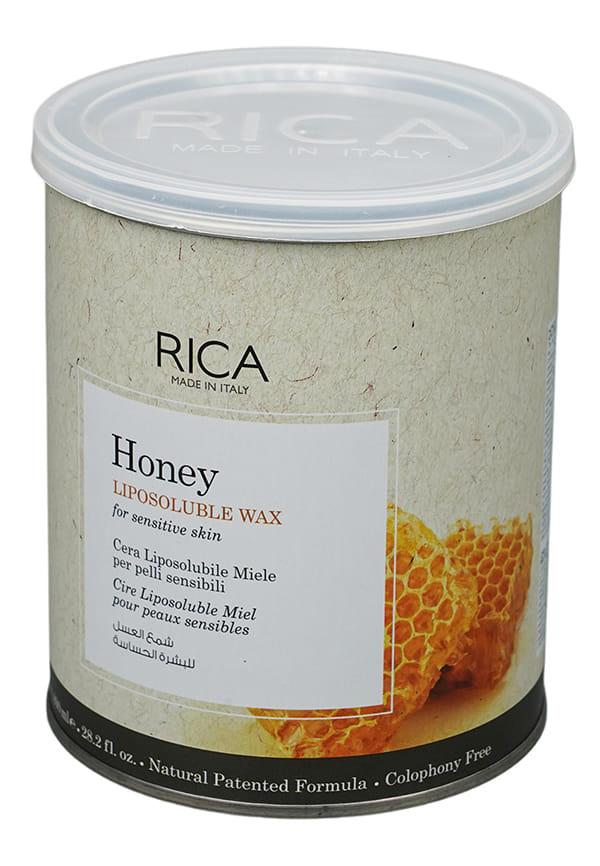
Honey Wax
Honey is packed with antioxidants that help repair damage caused by UV exposure. Whilst removing unwanted hair, you're also giving your skin a dose of protective compounds that support healing and regeneration. It's like getting a mini facial treatment with your hair removal session.
The sticky consistency of honey wax adheres beautifully to hair without being overly aggressive on fragile tanned skin. This makes it perfect for areas that have been heavily sun-exposed and need extra TLC during hair removal.
If honey is the gentle giant of natural waxing, then milk wax for tanning is the sophisticated scientist. Milk-based formulations bring a whole different set of benefits to the table, particularly when dealing with stubborn tans.
Milk naturally contains lactic acid, one of the gentlest alpha hydroxy acids available. This compound works to dissolve the bonds between dead skin cells, effectively removing tan buildup without the harshness of synthetic acids. It's like having a professional chemical peel built into your waxing session.
The proteins in milk help repair and strengthen your skin barrier, which often becomes compromised after sun exposure. These amino acids work to rebuild damaged skin tissue whilst the wax removes unwanted hair, making it an excellent choice for waxing after tanning.
Milk is loaded with calcium, vitamin A, and other nutrients that support healthy skin regeneration. These components help accelerate the natural skin renewal process, meaning your tan fades more evenly and your skin recovers faster from both sun damage and waxing.
There's something inherently soothing about milk-based products on sun-stressed skin. The cooling sensation provides immediate relief, whilst the natural fats in milk create a protective barrier that prevents further irritation during and after the waxing process.
Choosing between honey and milk wax really depends on your specific skin needs and tanning situation. Both are excellent options for tanning wax removal, but they work in slightly different ways.
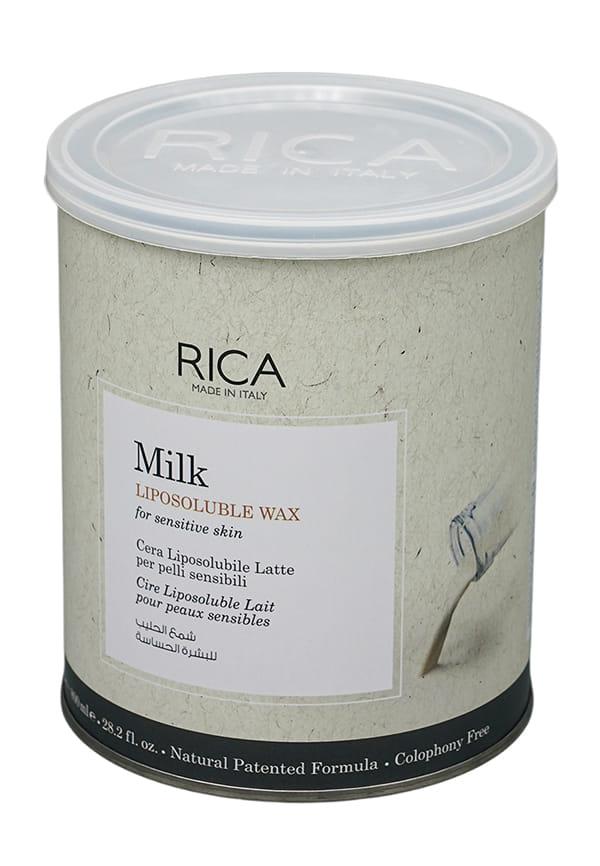
Milk Wax
Honey wax is your go-to if you have very sensitive or inflamed skin from recent sun exposure. Its anti-inflammatory properties make it ideal for those red, tender areas that need extra care. It's also brilliant for dry, flaky tanned skin that needs serious hydration.
Milk wax excels when you're dealing with stubborn, deeply embedded tans that won't budge with regular exfoliation. The lactic acid component makes it more effective at breaking down melanin deposits, whilst the proteins help repair any existing sun damage.
For body waxing tanned skin, consider your skin's current condition. Recently tanned? Go with honey. Older, stubborn tan that's been hanging around for weeks? Milk wax might be your answer.
Getting the best results from your chosen wax requires proper technique, especially when dealing with tanned skin. Here's how to maximise your tanning removal wax experience.
Start with a patch test 24 hours before your full waxing session—tanned skin can be unpredictable. Gently cleanse the area with a mild, fragrance-free cleanser and avoid any harsh scrubs that might further irritate sun-damaged skin.
Keep your wax at a slightly lower temperature than usual—tanned skin is often more sensitive to heat. Apply in thin, even layers following hair growth direction, and work in smaller sections to ensure complete coverage on the altered skin texture.
Immediately after waxing, apply a cooling aloe vera gel or a gentle, fragrance-free moisturiser. Avoid sun exposure for at least 24 hours, and skip any products with alcohol or strong actives that might irritate your newly treated skin.
Timing is everything when it comes to wax for sun-kissed skin. Wait at least 48 hours after your last sun exposure before waxing—this gives your skin time to settle and reduces the risk of irritation or burns.
Consider combining your waxing session with gentle dry brushing beforehand to help loosen dead skin cells. However, be extra gentle—tanned skin is already compromised and doesn't need aggressive treatment.
For professional results, many find that salon treatments work better for heavily tanned skin, as technicians can adjust techniques and products based on your skin's specific needs. However, if you're going the DIY route, always err on the side of caution with temperature and pressure.
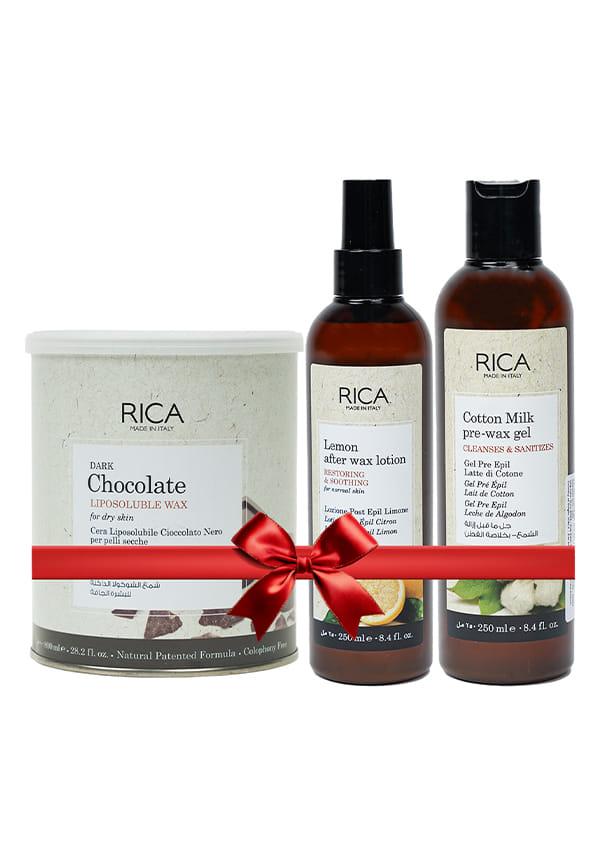
Dark Chocolate Liposoluble Hair Removal Wax & Cotton Milk Pre-Waxing Gel & Lemon After Wax Lotion
Remember that tan removal is a gradual process. You might need multiple sessions to achieve even results, especially if you're dealing with a deep or patchy tan. Patience is key—rushing the process often leads to skin damage rather than better results.
Both honey and milk wax are excellent for tan removal, but milk wax tends to be more effective for stubborn, deeply embedded tans due to its lactic acid content. Honey wax is better for sensitive or recently tanned skin that needs gentle care.
Absolutely! Honey wax contains natural enzymes that break down dead skin cells and tan buildup whilst providing moisture and anti-inflammatory benefits. It's particularly effective for gentle, gradual tan removal without harsh side effects.
It's best to wait at least 48-72 hours after sun exposure before waxing. Fresh tans make skin more sensitive and prone to burns or irritation. Give your skin time to settle before any hair removal treatments.
For tanned skin, space waxing sessions 4-6 weeks apart rather than the usual 3-4 weeks. This gives your skin more time to recover and prevents over-exfoliation that could lead to uneven tan removal or irritation.
Milk wax typically provides faster tan removal results due to its lactic acid content, whilst honey wax offers gentler, more moisturising treatment. Choose based on your skin's sensitivity level and how quickly you want to see results. You can trial both options on Smytten to see which works better for your skin.
When it comes to tackling tanned skin, both honey and milk wax offer significant advantages over traditional hair removal methods. Honey wax provides gentle, moisturising treatment that's perfect for sensitive or recently sun-exposed skin, whilst milk wax delivers more aggressive tan removal through natural lactic acid exfoliation.
The key to success lies in choosing the right formulation for your specific skin needs and following proper application techniques. Remember that tan removal is a gradual process—patience and gentle treatment will give you better long-term results than rushing with harsh methods.
Whether you opt for honey or milk wax, both natural formulations offer a much gentler approach to hair removal on tanned skin compared to traditional waxes, making them worth trying for anyone dealing with post-holiday skin concerns.
Finding the perfect wax for your tanned skin doesn't have to be a guessing game. Smytten's extensive collection of gentle waxing products lets you try before you buy, making it easy to discover what works best for your unique skin needs. With trial packs available from trusted brands, you can experiment with different honey and milk wax formulations without committing to full-size products. The platform's 100% cashback on trials means you can explore various options affordably, and when you find your perfect match, purchasing the full-size version is just a click away. Available on Smytten with PAN-India delivery, these authentic, brand-verified minis make it simple to find gentle, effective solutions for your tanned skin care routine.
