9 Ways a Chemical Peel Offers Sun Tan Removal Treatment


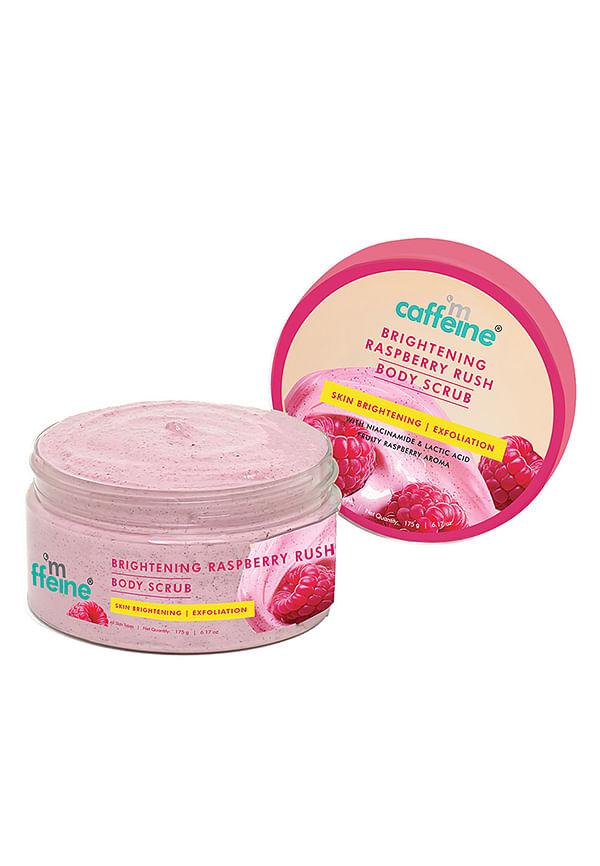
Brightening Raspberry Body Scrub | Tan Removal | AHAs- Lactic & Glycolic Acid
Very Nice Product
 5
5“very nice prodect loved it very much”
Very Nice Product
5“very nice prodect loved it very much”
Good & Affordable Product
5“bhot acha product hai or affordable bhi h”
That stubborn sun tan from your last beach holiday still making you reach for full-coverage foundation? You're not alone. Sun exposure causes melanin buildup in your skin's upper layers, creating those uneven patches that seem impossible to shift with regular skincare. While there are countless tan removal methods out there, chemical peel for tan removal stands out as one of the most scientifically-proven approaches. These treatments work by gently dissolving the bonds between dead, pigmented skin cells, revealing the brighter skin underneath. Ready to discover how chemical peels can transform your tanned skin? Let's dive into nine game-changing ways these treatments deliver real results, plus everything you need to know about finding the right approach for your skin type. Whether you're considering professional treatments or exploring options available on Smytten, this guide will help you make an informed choice.
TL;DR
Chemical peels remove sun tan by accelerating cell turnover and breaking down melanin deposits in the skin's upper layers
Nine key mechanisms include exfoliation, targeted pigmentation breakdown, deep penetration, and progressive lightening over multiple sessions
Professional treatments range from ₹1,500-₹3,500 per session, while at-home options cost ₹500-₹2,000
Results typically appear within 2-4 weeks, with significant improvement after 2-3 months of consistent treatment
Proper sun protection and post-treatment care are essential for maintaining results and preventing future pigmentation
Understanding the science behind chemical peels helps you appreciate why they're so effective for sun tan removal treatment. When your skin gets exposed to UV rays, melanocytes (pigment-producing cells) go into overdrive, creating excess melanin that gets trapped in your skin's outer layers.
Melanin doesn't just sit on your skin's surface—it gets embedded within the epidermis layers, particularly in the stratum corneum. Chemical peeling agents work by dissolving the cellular bonds that hold these pigmented dead skin cells together. This process is much faster than your skin's natural 28-day renewal cycle, which is why you see quicker results with exfoliation for tanned skin treatments.
Different acids target tan removal in unique ways. Glycolic acid offers deep penetration thanks to its small molecular size, making it excellent for stubborn dark spots. Lactic acid provides gentler exfoliation while hydrating the skin, perfect for sensitive skin types. Salicylic acid penetrates oil-based barriers, offering comprehensive treatment for those dealing with both tan and acne concerns.
Let's break down exactly how chemical peels tackle that stubborn tan through nine distinct mechanisms. Each approach works differently, but together they create a comprehensive skin lightening peel effect that addresses multiple aspects of pigmentation.
Your skin naturally sheds dead cells every 28 days, but chemical peels speed this up dramatically. By accelerating cell turnover, these treatments remove melanin-rich dead cells much faster than natural processes would allow. This means you're literally peeling away the tan layer by layer.
Chemical peels don't just remove surface cells—they actively break down concentrated melanin deposits. The acids penetrate into pigmented areas and dissolve the protein structures that hold melanin clusters together, creating a more even skin tone naturally.
Unlike surface treatments, chemical peels reach deeper pigmentation layers where stubborn tan often hides. This deep penetration addresses sun damage that's embedded below the surface, tackling areas that topical creams simply can't reach effectively.
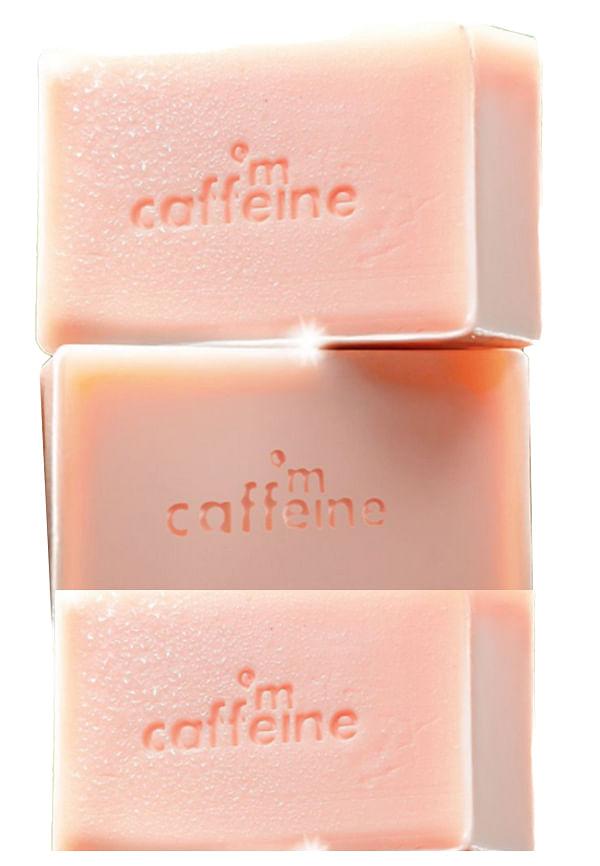
Brightening Tan Removal Soap - 1% Kojic Acid & Glutathione
Good for Tanned Skin
5“very good product for tanned skin”
Effective Tan Removal Soap
4“Best tan removal soap loved it”
Effective Tan Removal Soap
4“Best tan removal soap loved it”
The controlled removal of damaged skin layers reveals fresh, untanned skin underneath. This resurfacing effect creates smoother skin texture while simultaneously addressing pigmentation issues, giving you that coveted bright, even complexion.
Rather than shocking your skin with aggressive treatment, chemical peels work progressively. Each session builds on the previous one, gradually reducing tan intensity while allowing your skin to adjust and heal properly between treatments.
Professional treatments can be tailored to your specific skin type and tan severity. This customisation minimises side effects while maximising results, ensuring you get effective tan removal facial treatment without unnecessary irritation.
Chemical peels work brilliantly alongside other skin rejuvenation peel treatments. When combined with vitamin C serums or retinoids, the synergistic effects amplify tan removal results significantly.
Beyond removing existing tan, chemical peels strengthen your skin barrier function. This enhanced barrier reduces future tan susceptibility, helping maintain your results longer when combined with proper sun protection.
Chemical peels address multiple skin concerns simultaneously. While targeting tan removal, they also improve fine lines, acne scars, and overall skin texture, giving you comprehensive anti-ageing and brightening benefits in one treatment.
Choosing between professional dermatologist tan removal treatments and at-home options depends on your tan severity, budget, and comfort level. Both approaches have their place in effective tan removal strategies.
TCA peels offer higher concentrations and faster results, typically ranging from ₹2,000 to ₹3,500 per session. Jessner's peels combine multiple acids for comprehensive treatment, usually costing ₹1,500 to ₹2,500 per session. Professional treatments include safety protocols, skin analysis, and customised treatment plans that ensure optimal results while minimising risks.
Over-the-counter at home tan removal peel products typically contain lower acid concentrations for safe self-application. Popular AHA/BHA combination serums range from ₹500 to ₹2,000 and can be effective for mild to moderate tan when used consistently. However, realistic expectations are crucial—at-home treatments require longer timelines and may not address severe pigmentation as effectively as professional options.
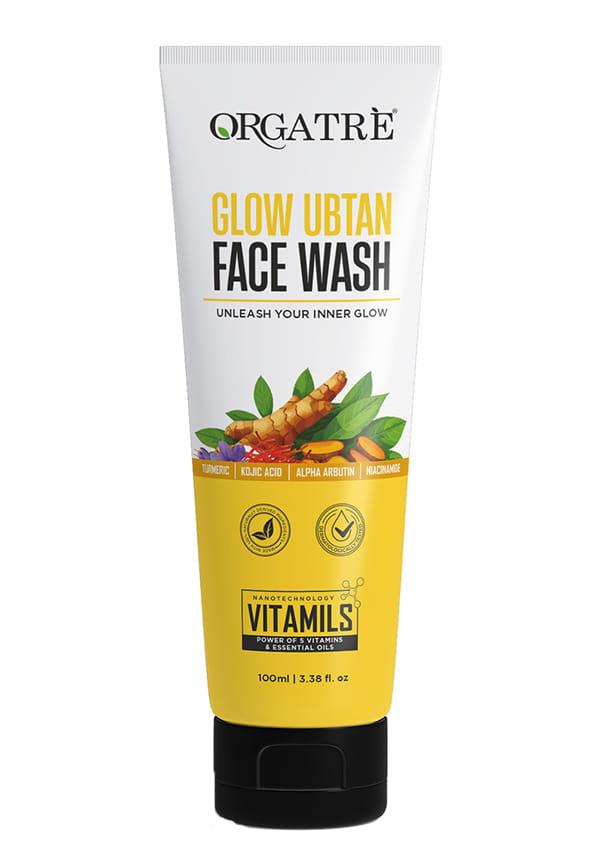
Glow Ubtan Face Wash with Turmeric, Kojic Acid & Niacinamide for Brightening, Tan Removal & Even Skin Tone
Excellent Face Product
5“very smooth and good product and face is very deeply clean and smooth . it is magic for face really very good product”
While targeting tan removal, chemical peels offer additional benefits that make them worthwhile investments in your skincare routine. Understanding these broader effects helps you maximise your treatment value.
Chemical peel for dark spots treatment simultaneously addresses acne scars, fine lines, and overall skin texture. The exfoliation process minimises pore size appearance while promoting collagen production, giving you comprehensive skin improvement beyond just tan removal.
Mild peels work best for maintenance and prevention, typically requiring 4-6 sessions. Medium peels address moderate tan and pigmentation effectively in 2-4 sessions. Deep peels tackle severe sun damage but require professional administration and longer recovery periods.
Your results depend heavily on proper aftercare. The first 48-72 hours are particularly critical for healing and determining your final outcome.
Expect increased skin sensitivity during this period. Use gentle, fragrance-free moisturisers and avoid active ingredients like retinoids or vitamin C. Physical activity that causes excessive sweating should be limited to prevent irritation.
Daily broad-spectrum sunscreen application is non-negotiable—aim for SPF 30 or higher. Physical sun barriers like hats and protective clothing provide additional protection. Follow-up treatments every 4-6 weeks help maintain results and prevent new pigmentation from forming.
Setting realistic expectations helps you stay committed to the treatment process. Understanding the timeline prevents disappointment and helps you plan accordingly.
Week 1 typically involves initial peeling and sensitivity as your skin adjusts. Weeks 2-4 show visible lightening as new skin emerges. Months 2-3 reveal significant improvement in tan removal, with optimal results appearing after completing your full treatment course.
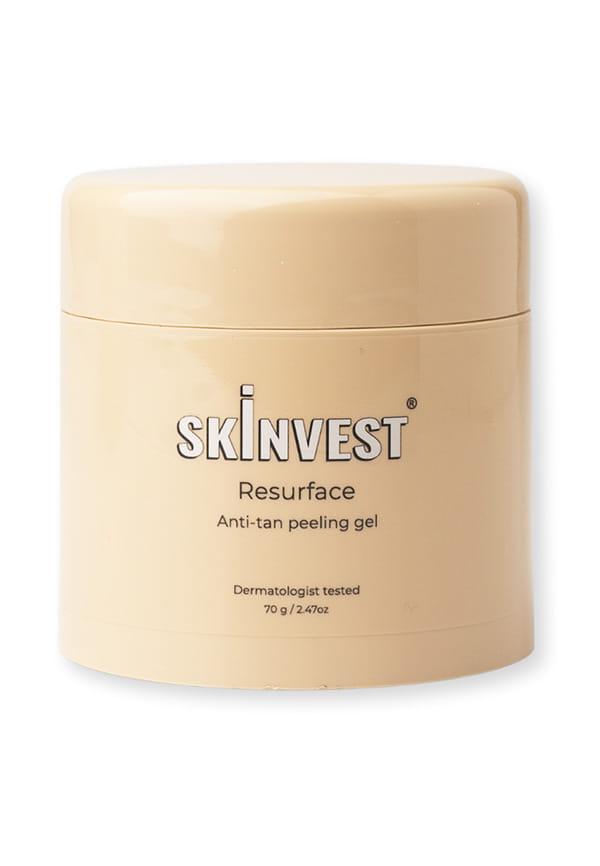
Resurface Anti-Tan Peeling Gel with 1% Lactic Acid & Soothing Botanicals
Your skin type significantly influences results—fair skin typically responds faster than darker skin tones. Tan severity and depth determine how many sessions you'll need. Consistency in treatment protocol and sun protection compliance directly impact your success rate.
Professional treatments range from ₹1,500-₹3,500 per session depending on the peel type and clinic location. At-home options cost ₹500-₹2,000 for quality products. Many skincare brands available on Smytten offer trial sizes, letting you test products before committing to full-size purchases.
Research certified dermatologists in your area, read patient reviews, and verify their credentials. Look for practitioners who specialise in pigmentation treatments and offer consultation sessions to discuss your specific needs.
Chemical peels effectively address top-layer pigmentation where most sun tan exists. Complete removal depends on tan depth, skin type, and treatment consistency. Most people see 70-90% improvement with proper treatment protocols.
The best peel depends on your skin type, tan severity, and sensitivity levels. Glycolic acid works well for most skin types, while lactic acid suits sensitive skin. Salicylic acid benefits those with oily, acne-prone skin alongside tan concerns.
Results vary individually based on skin type, tan severity, and treatment adherence. Most people notice visible improvement within 2-4 weeks, with significant changes after 2-3 months of consistent treatment.
Natural methods like lemon juice, turmeric masks, and exfoliating scrubs can help mild tan but work much slower than chemical peels. For significant tan removal, chemical peels offer faster, more predictable results compared to natural alternatives.
Chemical peels offer nine distinct mechanisms for effective tan removal, from accelerated cell turnover to targeted pigmentation breakdown. Professional treatments provide faster results but cost more, while at-home options offer budget-friendly alternatives for mild to moderate tan. Success depends on choosing the right peel strength for your skin type, following proper aftercare protocols, and maintaining consistent sun protection. Most people see visible improvement within 2-4 weeks, with optimal results after 2-3 months of treatment. The key is setting realistic expectations and committing to the full treatment process for best results.
Finding the right brightening chemical peel approach doesn't have to involve expensive guesswork. Smytten is India's largest product discovery and trial platform, connecting you with top skincare brands that offer effective tan removal solutions. With curated trial packs from over 1,500 trusted brands, you can explore different chemical peel products before committing to full-size purchases. Each mini is linked with Trial Points, and you can get up to 8 minis for just ₹249, plus enjoy 100% cashback on trial purchases. This try before you buy approach lets you discover what works for your skin type without the financial risk. Whether you're exploring gentle at-home peels or researching professional treatment options, Smytten's authentic brand-verified minis help you make smarter, more confident choices. After all, why settle for maybe when you can #TryItAll!
