7 Safe Intimate Hair Removal Methods for Women



Hair Removal Spray for Bikini Area
Quick Hair Removal
 5
5“quick remove all hair only in 5 min”
Amazing Product
5“it's amazing product.............”
Lovely product, will rebuy
5“lovely suits me well will rebuy”
Let's be real—private part hair removal for female intimate areas can feel like navigating a minefield of advice, myths, and questionable tips from random internet forums. Whether you're exploring bikini hair removal for the first time or looking to switch up your routine, the key is finding methods that work for your body, lifestyle, and comfort level. From gentle trimming to professional treatments, there are plenty of safe options that won't leave you dealing with irritation or regret. The trick is knowing what works best for your skin type and being honest about your pain tolerance and maintenance commitment.
Before diving into specific hair removal methods, it's worth understanding why intimate areas need special care. The skin around your bikini area and pubic region is naturally more sensitive and delicate than other parts of your body. This means what works perfectly on your legs might cause irritation down there.
Female grooming in intimate areas isn't just about aesthetics—it's about comfort, hygiene preferences, and personal choice. Some people prefer complete removal, others like a tidy trim, and many switch between methods depending on the season or their mood. There's no right or wrong approach, just what feels good for you.
Most people worry about pain, ingrown hairs, and skin irritation when it comes to intimate hair removal. These are totally valid concerns, and the good news is that with the right approach, you can minimise these issues significantly.
The pH balance in intimate areas is also different, so products that work elsewhere might disrupt this natural balance. Always look for products specifically designed for sensitive skin or intimate areas.
If you're new to private part hair removal for female intimate areas, trimming is your best friend. It's the lowest-risk option that gives you control without the potential for cuts, burns, or severe irritation.
Think of trimming as the training wheels of intimate grooming. You get to experiment with different lengths and styles whilst keeping your skin happy. Plus, it's budget-friendly and you can do it whenever you fancy a change.
Use small, sharp scissors designed for body hair or invest in a quality trimmer with adjustable guards. Start with a longer setting and work your way shorter if needed. Always trim when the hair is dry for better control.
Clean your tools before and after use, and take your time. Rushing leads to uneven results and potential nicks.
Trimming typically needs touching up every 1-2 weeks, depending on your hair growth rate. The results look neat and tidy without the commitment of complete removal.
Shaving pubic hair is probably the most common form of bikini hair removal because it's quick, accessible, and most people already know the basics. However, shaving intimate areas requires a gentler approach than your usual leg-shaving routine.
The key to successful intimate shaving is preparation, the right tools, and proper aftercare. Skip any of these steps, and you might end up with razor burn, ingrown hairs, or general irritation that'll have you swearing off razors forever.
Start with a warm shower or bath to soften the hair and open up your pores. Exfoliate gently with a soft cloth or mild scrub to remove dead skin cells that could clog your razor.
Use a quality shaving cream or gel designed for sensitive skin. Avoid anything with strong fragrances or harsh chemicals.
Use a clean, sharp razor—preferably one with multiple blades and a moisturising strip. Shave in the direction of hair growth first, then gently against the grain if you want a closer shave.
Take short, light strokes and rinse your razor frequently. Don't press hard or go over the same area repeatedly.
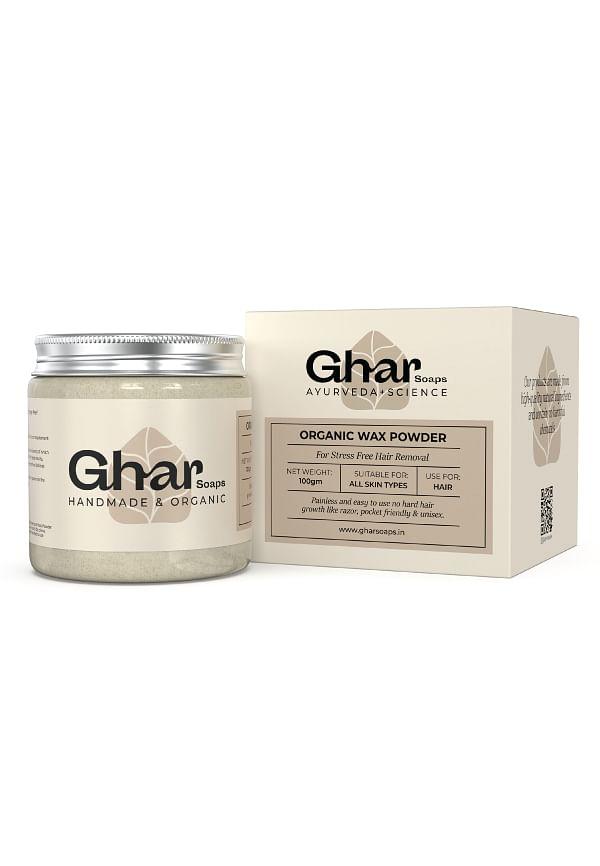
Organic Wax Powder For Hair Removal For Women & Men Suitable
Rinse with cool water to close pores, then pat dry gently. Apply a fragrance-free moisturiser or aloe vera gel to soothe the skin.
Hair removal cream offers a middle ground between shaving and more intensive methods. When choosing products for sensitive skin hair removal, look for formulations specifically designed for intimate areas.
The main advantage of depilatory creams is that they dissolve hair at the surface level, which can result in smoother skin than shaving and potentially slower regrowth.
Always patch test any new product on a small area of skin 24-48 hours before full application. This is non-negotiable for intimate areas where the skin is more reactive.
Follow timing instructions exactly—leaving cream on too long can cause chemical burns, whilst removing it too early won't be effective.
Some people prefer sugar-based or enzyme-based hair removal products that use gentler ingredients. These might take longer to work but can be kinder to sensitive skin.
Waxing bikini area gives you longer-lasting results than shaving or creams, typically keeping you smooth for 2-4 weeks. There are different levels of bikini waxing, from a basic tidy-up to full Brazilian removal.
The pain factor is real, but many people find it manageable and worth it for the longer-lasting results. Plus, hair often grows back finer over time with regular waxing.
Professional waxing ensures proper technique and hygiene standards, plus the aesthetician can see angles you can't reach yourself. However, at-home kits are more budget-friendly and private.
If you're trying at-home waxing, start with small areas and invest in quality wax designed for sensitive skin.
Hair should be about 6mm long for optimal wax grip. Exfoliate gently 24 hours before, but avoid it on the day of waxing. Take a pain reliever 30 minutes before if you're worried about discomfort.
Laser hair removal offers the closest thing to permanent private part hair removal for female intimate areas. It works by targeting hair follicles with concentrated light, gradually reducing hair growth over multiple sessions.
This method requires a significant time and financial investment, but many people find the long-term results worth it. You'll typically need 6-8 sessions spaced 4-6 weeks apart for optimal results.
Each session feels like a rubber band snapping against your skin. Most clinics offer numbing cream for sensitive areas. You'll see gradual reduction in hair growth rather than immediate results.
Choose a reputable clinic with qualified practitioners and proper equipment. This isn't the time to hunt for bargains.
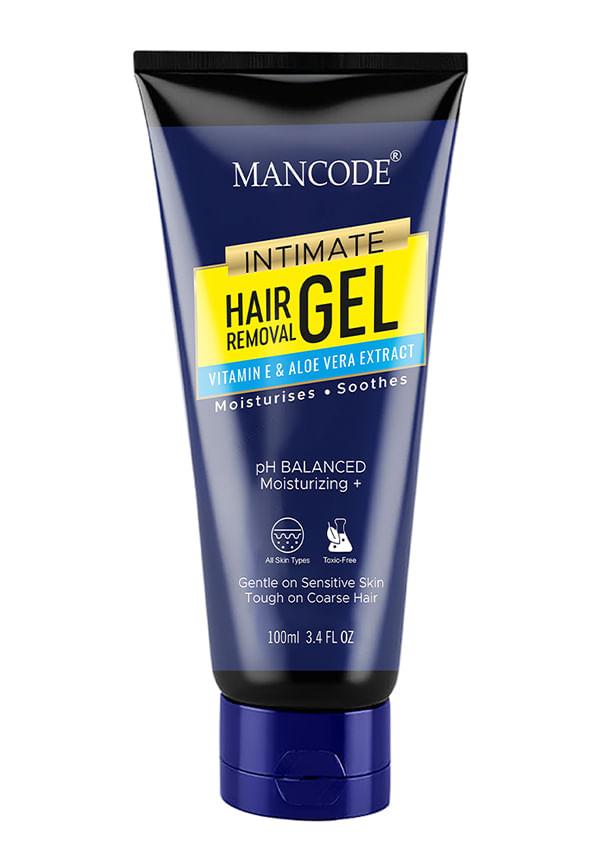
Intimate Hair Removal Gel For Men and Women
Electrolysis is the only hair removal method that's FDA-approved as truly permanent. It works by inserting a tiny probe into each hair follicle and destroying it with electrical current.
This method is more time-consuming than laser because each hair is treated individually, but it works on all hair colours and skin types.
Sessions can range from 15 minutes to over an hour, depending on the area being treated. You'll need multiple sessions over several months to catch all hairs in their growth phase.
Find a certified electrologist with experience in intimate areas. Proper hygiene and technique are crucial for both safety and results.
Sugaring uses a paste made from sugar, water, and lemon juice to remove hair. It's often gentler than traditional waxing because the paste only adheres to hair, not skin.
This ancient hair removal method is particularly good for sensitive skin hair removal because it's all-natural and less likely to cause irritation.
You can make sugar paste at home, but getting the consistency right takes practice. Professional sugaring ensures proper technique and hygiene.
The results last similar to waxing—about 2-4 weeks—but with potentially less irritation and ingrown hairs.
Ingrown hair prevention is crucial regardless of which hair removal methods you choose. These pesky bumps occur when hair grows back into the skin instead of up and out of the follicle.
The key to prevention is keeping the area clean, exfoliated, and moisturised. However, be gentle—over-exfoliating can actually make things worse.
Exfoliate gently 24 hours before hair removal to remove dead skin cells. Use a soft cloth or gentle scrub—nothing too abrasive.
Ensure the area is completely clean and dry before starting any hair removal process.
Avoid tight clothing for 24-48 hours after hair removal. Wear breathable cotton underwear and loose-fitting clothes to reduce friction.
Moisturise daily with fragrance-free products designed for sensitive skin. Look for ingredients like aloe vera or chamomile that soothe irritation.
If you develop persistent ingrown hairs, severe irritation, or signs of infection, consult a healthcare provider. Sometimes what looks like ingrown hairs can be other skin conditions that need proper treatment.
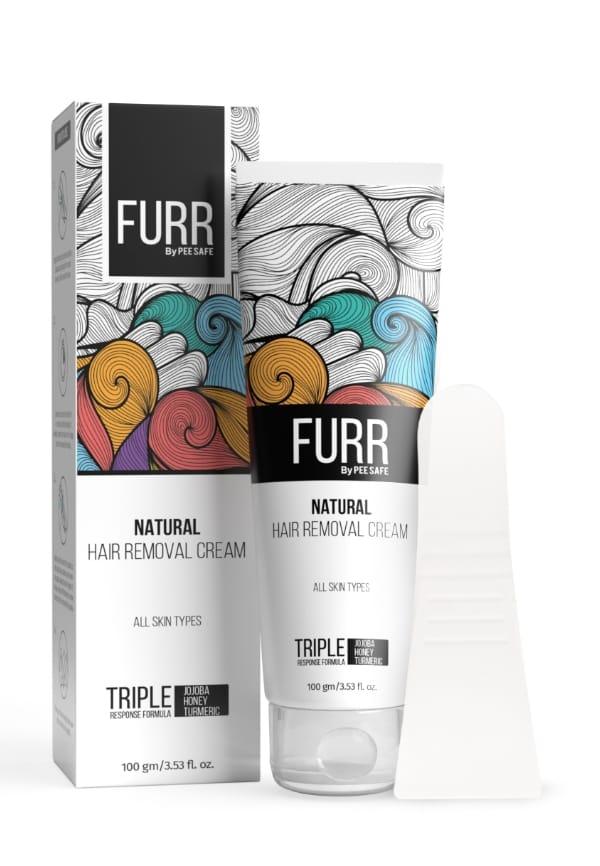
Natural Hair Removal Cream 100g with Vitamin-E Turmeric Jojoba Oil
Effective, Gentle & Prompt Delivery
4“very nice but need to appear two to three times to remove fine hair and no irritation and thank for on Time delivery”
Good Quality & Packaging
5“owasm product with good quality and packaging was also good”
Good for All Skin Types
5“good product for all skin types”
The best private part hair removal for female intimate areas is the one that fits your lifestyle, budget, and comfort level. Consider your pain tolerance, how much maintenance you're willing to do, and what results you're hoping to achieve.
Many people use different methods at different times—maybe trimming for everyday maintenance and professional waxing before holidays. There's no rule that says you have to stick to one method forever.
Skin sensitivity: If you have very sensitive skin, start with gentler methods like trimming or sugaring before trying anything more intensive.
Budget: Factor in both initial costs and ongoing maintenance. Laser hair removal has high upfront costs but lower long-term expenses.
Time commitment: Some methods require regular maintenance, whilst others offer longer-lasting results with less frequent touch-ups.
Pain tolerance: Be honest about what you can handle. There's no shame in choosing less painful methods.
When exploring different hair removal methods, having access to quality products designed for sensitive areas makes all the difference. Smytten offers curated trial packs from trusted brands, letting you test products before committing to full sizes—perfect for finding what works best for your intimate grooming routine.
The safest methods include trimming (lowest risk), shaving with proper technique, professional waxing, or laser hair removal by qualified practitioners. Always prioritise hygiene and use products designed for sensitive areas.
The best method depends on your pain tolerance, budget, and desired results. Laser hair removal offers long-term results, waxing provides 2-3 weeks of smoothness, whilst trimming is safest for beginners.
Yes, laser hair removal and electrolysis offer permanent reduction. Laser requires 6-8 sessions for optimal results, whilst electrolysis is FDA-approved as the only truly permanent method.
Exfoliate gently 24 hours before and after treatment, use products with salicylic acid, avoid tight clothing, and moisturise with fragrance-free products designed for sensitive areas.
Only use creams specifically formulated for intimate areas. Always patch test first, follow timing instructions exactly, and choose products with gentle, natural ingredients for sensitive skin.
This depends on your chosen method and personal preference. Shaving might need touching up every few days, waxing lasts 2-4 weeks, whilst laser treatments provide long-term reduction.
Female grooming is deeply personal, and there's no one-size-fits-all approach to intimate hair removal. Whether you prefer the simplicity of trimming, the smoothness of waxing, or the long-term results of laser treatment, the most important thing is choosing methods that make you feel comfortable and confident.
Remember that your preferences might change over time, and that's completely normal. What works in your twenties might not suit your lifestyle in your thirties, and seasonal changes or life events might influence your grooming choices too.
The key is to prioritise safety, listen to your body, and never feel pressured to follow trends that don't feel right for you. With proper technique, quality products, and realistic expectations, you can find an intimate hair removal routine that works perfectly for your lifestyle and preferences.
