7 Expert Tips for Ultimate Dry Skin Care Routine

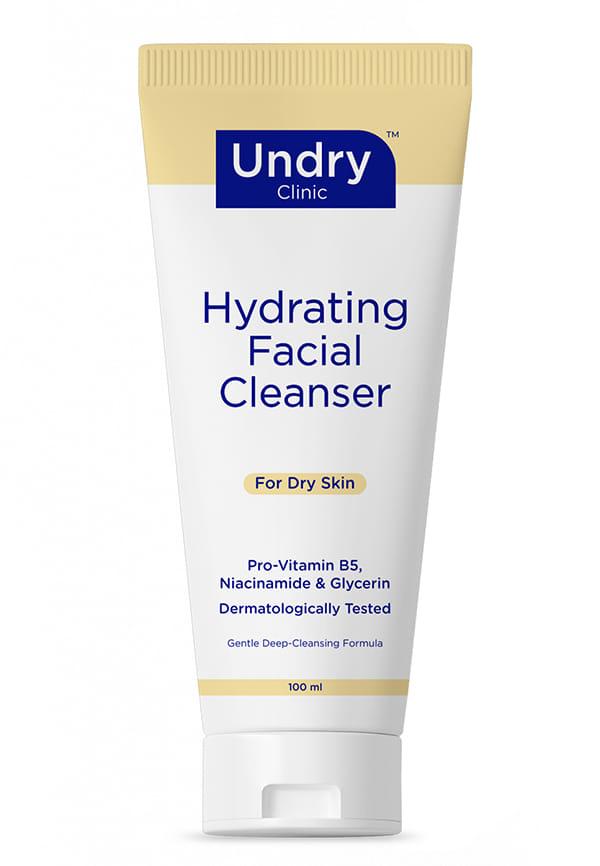
Hydrating Facial Cleanser for Dry Skin
Effective Cleanser
 4
4“it is good cleanser cleanses effectively”
Let's be real—dry skin can feel like that friend who constantly needs attention. One day your skin feels okay, the next it's flaky, tight, and begging for moisture. If you've been struggling to find the best body care routine for dry skin, you're not alone. Millions deal with this daily challenge, especially when seasons change or stress levels spike. The good news? With the right approach and expert-backed tips, you can transform your skin from parched to perfectly hydrated. We've gathered seven game-changing strategies that dermatologists swear by, plus practical advice that actually fits into your real life. Ready to give your skin the TLC it deserves?
Before diving into solutions, let's understand what's actually happening with your skin. Dry skin care isn't just about slapping on any moisturiser—it's about understanding your skin's unique needs. Dry skin occurs when your skin barrier isn't holding onto moisture properly, leading to that tight, sometimes itchy feeling we all know too well.
Your skin barrier is like a protective wall made of skin cells and natural oils. When this barrier gets damaged by harsh weather, genetics, age, or even the wrong products, moisture escapes faster than your skin can replace it. This is where sensitive skin body care becomes crucial—because dry skin is often more reactive to irritants.
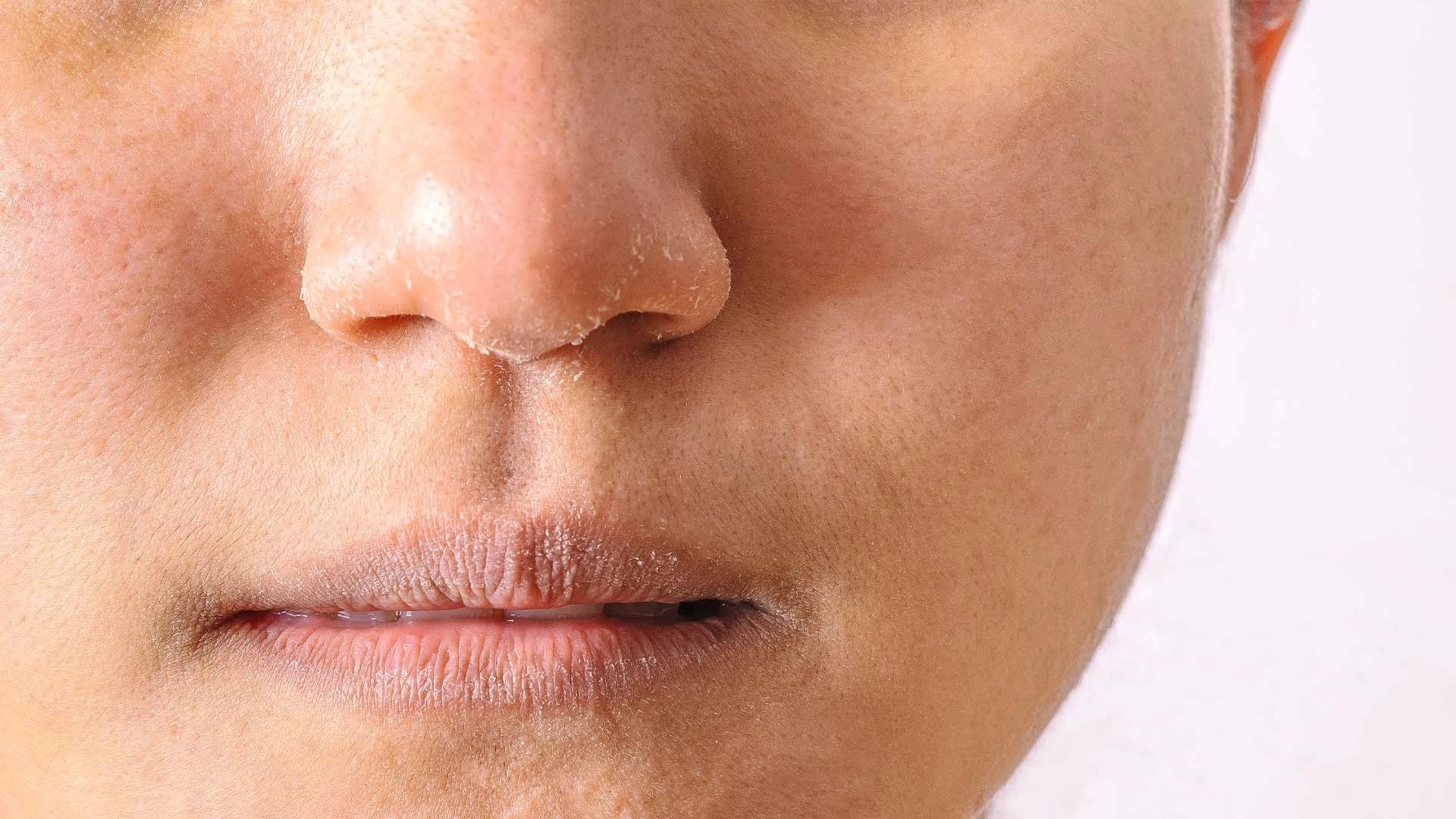
Signs you're dealing with dry skin include flakiness, rough patches, tightness after showering, and sometimes even cracks or irritation. For some, this can escalate to conditions like eczema or dermatitis, which require extra gentle care. The key is catching these signs early and adjusting your routine accordingly.
Here's something most people get wrong—thinking that squeaky clean feeling means your skin is properly cleansed. Actually, that tight feeling after a shower is often your skin crying out for help. The first step in any effective body moisturising routine starts in the shower with the right cleansing approach.
Your hydrating body wash should feel more like a gentle hug than a harsh scrub. Look for fragrance-free, soap-free formulations that won't strip your skin's natural oils. The best options contain ingredients like ceramides, glycerin, and oat extract—these actually help your skin hold onto moisture while cleansing.
pH-balanced cleansers are worth obsessing over because they work with your skin's natural acidity levels rather than against them. This means less irritation and better moisture retention throughout the day.
Water temperature matters more than you think. Hot showers might feel amazing, but they're actually stripping your skin of essential oils. Stick to warm water and limit your shower time to 5-10 minutes max.
When you're done, resist the urge to rub yourself dry with a towel. Instead, gently pat your skin—this leaves a thin layer of water that your moisturiser can lock in. Think of it as prep work for the next crucial step.
This might be the most important tip you'll read today. The 3-minute rule is a game-changer for anyone serious about dry skin care. Within three minutes of stepping out of the shower, while your skin is still slightly damp, apply your moisturiser. This technique traps water in your skin cells, giving you longer-lasting hydration.
Not all moisturisers are created equal. The best body lotion for dry skin typically contains a mix of humectants (like hyaluronic acid), emollients (like shea butter), and occlusives (like ceramides). These work together to attract moisture, smooth your skin, and lock everything in.
Body butter for dry skin is your heavy-duty option—perfect for extremely dry areas like elbows, knees, and heels. It's richer than regular lotion and provides longer-lasting protection, especially during harsh weather months.
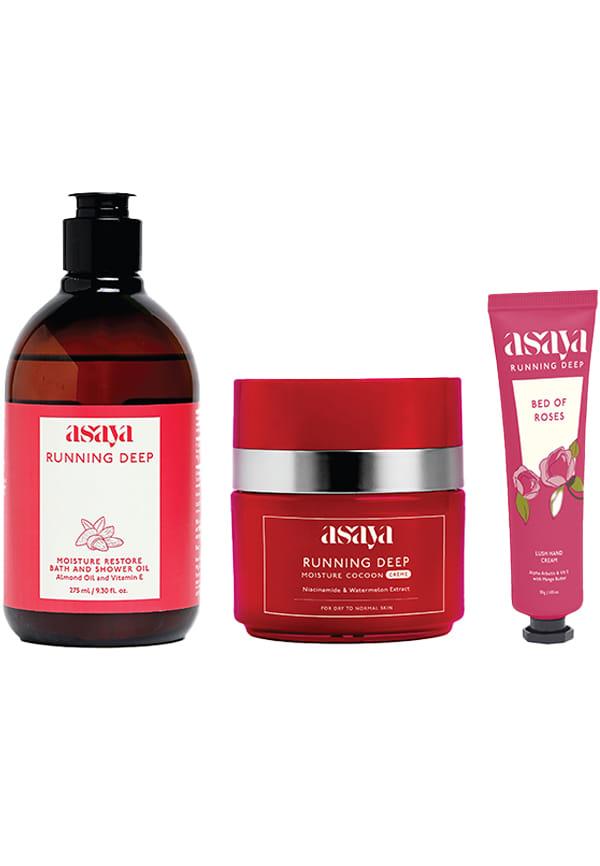
Dry Skin Hydration Set
How you apply your moisturiser matters just as much as what you use. Start with damp skin and use upward circular motions, paying extra attention to areas that tend to get drier. Don't forget often-missed spots like your feet, between your toes, and the back of your arms.
For maximum absorption, take your time. Rushing through this step means you're not getting the full benefits of your products. Think of it as a mini self-care ritual rather than a chore.
If regular moisturiser isn't cutting it, it's time to bring in the big guns. Natural body oils for dry skin can provide that extra layer of protection and nourishment your skin craves. They're particularly brilliant for creating an intense hydration body treatment that goes beyond what lotions alone can achieve.
Jojoba oil is technically a wax, which means it mimics your skin's natural sebum perfectly. Argan oil is packed with vitamin E and essential fatty acids that help repair your skin barrier. Coconut oil works brilliantly for some people, though it can be comedogenic, so patch test first.
You can layer oils under your moisturiser for extra hydration, or mix a few drops directly into your lotion for a custom blend. The key is finding what works for your skin type and lifestyle.
Pre-shower oil treatments work wonders for extremely dry skin. Apply oil to dry skin, let it sit for 10-15 minutes, then shower with your gentle cleanser. This prevents over-drying while still getting clean.
Post-shower, apply oil to damp skin, then follow with your regular moisturiser. This layering technique, called the "sandwich method," locks in maximum hydration. Adjust the amount based on the season—you might need more during winter months.
Exfoliation might seem counterintuitive for dry skin, but done correctly, it's actually one of the best dry skin remedies. The trick is being gentle and strategic about it. Over-exfoliating can damage your skin barrier further, but the right approach helps your moisturisers penetrate better.
Stick to exfoliating once or twice a week maximum. Chemical exfoliants like lactic acid are often gentler than physical scrubs for sensitive skin body care. If you prefer DIY options, try mixing oatmeal with honey for a gentle, nourishing scrub that won't irritate.
Always follow exfoliation with extra moisturising. Your skin will be more receptive to hydrating ingredients, so this is the perfect time to apply that rich body butter or oil treatment you've been saving.
Remember, if your skin feels irritated or more sensitive after exfoliating, you're probably overdoing it. Listen to your skin and adjust accordingly—it's better to under-exfoliate than to damage your skin barrier.
Your skincare routine doesn't exist in a vacuum. Environmental factors play a huge role in how your skin behaves, and understanding these can help you create the best body care routine for dry skin that actually works with your lifestyle.
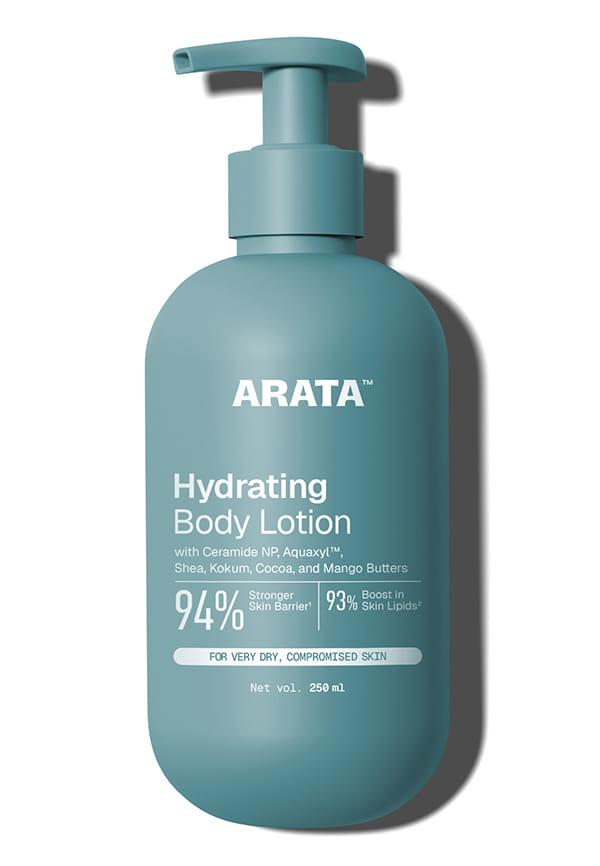
Ceramide Hydrating Body Lotion | With Cocoa Butter | Prevents Dryness
Winter is basically dry skin's worst enemy. Heating systems suck moisture from the air, which then gets pulled from your skin. A humidifier in your bedroom can work wonders—aim for 30-50% humidity levels.
Your clothing choices matter too. Wool and synthetic fabrics can irritate dry skin, while cotton and other breathable materials are much kinder. Layer smartly so you're not overheating, which can also trigger skin irritation.
What you put in your body shows up on your skin. Foods rich in omega-3 fatty acids, like salmon and walnuts, help support your skin barrier from the inside out. Staying properly hydrated—aim for about 8 glasses of water daily—also helps maintain skin moisture.
Some people find that supplements like omega-3s or ceramides help with dry skin, though it's always worth chatting with a healthcare provider before starting any new supplements.
Sometimes dry skin crosses the line into something more serious. Eczema body care requires extra gentle approaches and often involves avoiding specific triggers. If you're dealing with persistent redness, intense itching, or skin that cracks and bleeds, it's time to consider whether you're dealing with a condition that needs professional attention.
Dermatologist-approved ingredients for eczema-prone skin include ceramides, niacinamide, and colloidal oatmeal. These help repair and strengthen your skin barrier while reducing inflammation. Avoid fragrances, essential oils, and harsh preservatives that can trigger flare-ups.
Keep a skin diary to track what products or environmental factors might be triggering your symptoms. This information is gold when you're trying to figure out what works and what doesn't for your specific skin needs.
Don't hesitate to seek professional help if your skin isn't responding to gentle care or if symptoms are affecting your quality of life. A dermatologist can provide targeted treatments and rule out underlying conditions.
Now that you've got all the expert knowledge, it's time to put it together into a body moisturising routine that actually fits your life. The best routine is one you'll actually stick to, so be realistic about your time and energy levels.
Mornings are usually rushed, so keep it simple but effective. If you shower in the morning, follow the gentle cleansing and 3-minute moisturising rule. If you're not showering, a quick application of your favourite body lotion to any exposed areas can help protect your skin throughout the day.
Don't forget SPF on exposed areas—sun damage can worsen dry skin over time. Many moisturisers now come with built-in SPF, making this step easier to remember.
Evenings are perfect for more intensive treatments. This is when you can take your time with oil treatments, richer moisturisers, or intense hydration body treatment options. Your skin does most of its repair work while you sleep, so giving it extra nourishment at night pays off.
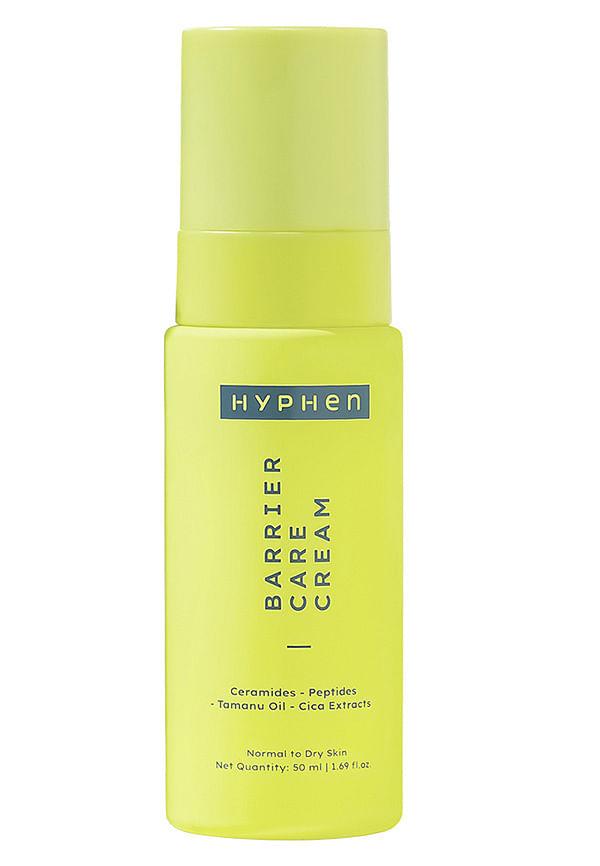
Barrier Care Cream - Normal To Dry Skin
Skin became fair and glowing
5“All its products are very good, my skin has become very fair and glowing.”
Skin became fair and glowing
5“All its products are very good, my skin has become very fair and glowing.”
Skin became fair and glowing
5“All its products are very good, my skin has become very fair and glowing.”
Consider doing a weekly intensive treatment—maybe a longer oil massage or an extra-thick layer of body butter on particularly dry areas. Think of it as a weekly reset for your skin.
With platforms like Smytten, you can actually try different products without committing to full sizes first. This is brilliant for dry skin sufferers who need to be careful about what they use. You can explore various hydrating body washes, moisturisers, and treatments through trial sizes, helping you build the perfect routine without the risk of wasting money on products that don't work for your skin.
A good dry skin care routine includes gentle cleansing with a hydrating body wash, immediate moisturising on damp skin, and regular use of body oils or intensive treatments. The key is consistency and using products designed for dry, sensitive skin.
The best body lotion for dry skin contains ingredients like ceramides, hyaluronic acid, and shea butter. Look for fragrance-free, dermatologist-tested formulas that focus on repairing and strengthening your skin barrier.
Daily moisturising is essential, ideally within 3 minutes of showering. For very dry skin, you might need to reapply during the day, especially to hands and other frequently exposed areas.
While face moisturisers are generally gentler, they're often more expensive and may not provide enough coverage for larger body areas. Body moisturisers are formulated specifically for the thicker skin on your body and are usually more cost-effective.
Avoid harsh sulfates, alcohol-based products, strong fragrances, and over-exfoliating ingredients like high-concentration acids. These can further damage your skin barrier and worsen dryness.
If your skin doesn't improve with gentle care, if you experience persistent itching, cracking, or bleeding, or if dry skin remedies aren't working after 4-6 weeks of consistent use, it's time to seek professional help.
Creating the best body care routine for dry skin doesn't have to be complicated, but it does require consistency and the right approach. Remember that gentle cleansing, immediate moisturising, and understanding your skin's unique needs are the foundations of healthy, hydrated skin.
The beauty of modern skincare is that you don't have to guess what works for your skin. With trial-sized options available through platforms that let you explore different brands and formulations, you can build a personalised routine that actually delivers results. Whether you're dealing with mild dryness or more challenging skin conditions, the right combination of products and techniques can transform your skin's health and comfort.
Your skin is unique, and what works for others might not work for you—and that's perfectly okay. Take time to understand your skin's signals, be patient with the process, and don't be afraid to adjust your routine as your needs change. After all, why settle for uncomfortable, dry skin when you can discover products and techniques that actually work for you?
