7 Best Home Remedies for Dry Skin Relief

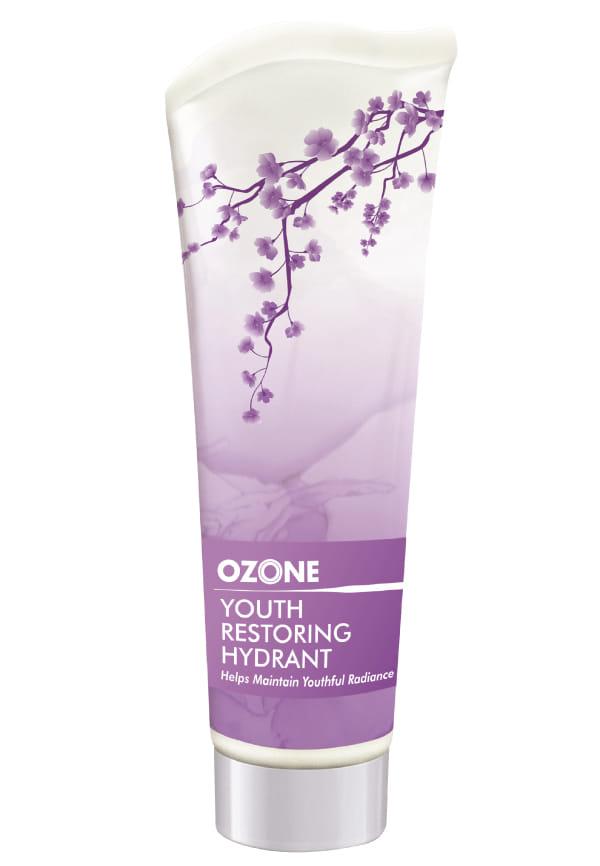
Youth Restoring Hydrant
Let's be real—dry skin can be proper annoying. That tight, flaky feeling that makes you want to scratch all day? We've all been there. But before you rush to buy every moisturiser on the shelf, your kitchen might already have some brilliant solutions waiting. The best home remedies for dry skin often come from simple, natural ingredients that have been trusted for centuries. From coconut oil to oatmeal baths, these gentle treatments can give your skin the hydration it's crying out for without breaking the bank or irritating sensitive skin.
Understanding what's behind your dry skin drama helps you tackle it properly. Your skin barrier is like a protective wall that keeps moisture in and irritants out. When this barrier gets damaged or weakened, water escapes faster than your skin can replace it.
Weather plays a massive role here. Cold air, low humidity, and indoor heating can all strip moisture from your skin. But it's not just the environment—age naturally reduces oil production, certain medications can dry you out, and even your shower routine might be working against you. Hot water and harsh soaps are proper culprits for stealing your skin's natural oils.
Dry skin isn't subtle about making itself known. You might notice rough, scaly patches that feel tight after washing. Itchy skin solutions become essential when that uncomfortable scratching starts. Sometimes the skin can crack, especially around joints like elbows and knees, which can lead to more serious issues if left untreated.
Here's the thing about natural moisturisers—they work because they mimic what your skin already does. Your skin barrier contains ceramides, cholesterol, and fatty acids that keep everything balanced. Many natural ingredients contain similar compounds that can actually repair and strengthen this barrier.
Unlike some commercial products that might contain harsh chemicals or fragrances, natural remedies tend to be gentler on sensitive skin remedies. They often work as humectants (drawing moisture from the air), emollients (smoothing rough skin), or occlusives (sealing moisture in). The best part? You can customise them based on what your skin actually needs.
These skin hydration tips aren't just old wives' tales—there's proper science behind them. Natural oils contain essential fatty acids that help repair the skin barrier. Ingredients like honey have antimicrobial properties, whilst oats contain compounds that reduce inflammation. Plus, you know exactly what's going on your skin.
Ready to give your skin some proper TLC? These tried-and-tested remedies use ingredients you probably already have at home. Each one targets dry skin relief in a slightly different way, so you can pick what works best for your skin type and lifestyle.
Coconut oil is basically a superhero for dry skin. It's packed with fatty acids that help repair your skin barrier and has antimicrobial properties that protect against irritation. Warm a small amount between your hands and massage it into damp skin—this helps lock in moisture more effectively.
The best time to use it? Right after your shower when your skin is still slightly wet. This creates a perfect seal that keeps hydration locked in for hours. It works brilliantly on your body and face (though if you're acne-prone, patch test first).
Oatmeal isn't just for breakfast—it's one of the most effective eczema home treatment options around. Grind plain oats into a fine powder and add to lukewarm bath water. The compounds in oats, called avenanthramides, have anti-inflammatory properties that calm irritated skin.
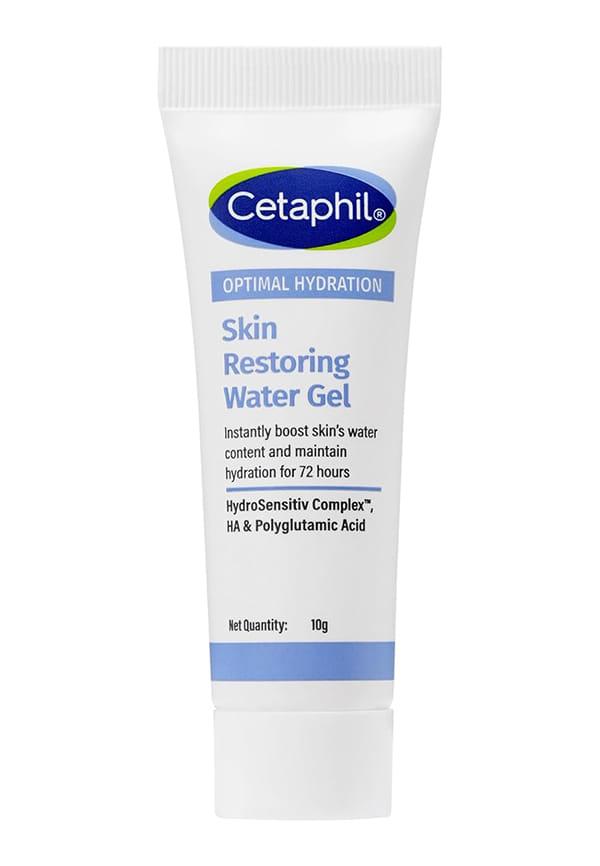
Optimal Hydration Restoring Water Gel
Soak for 10-15 minutes, then gently pat your skin dry and apply moisturiser whilst still damp. This works particularly well for widespread dryness or when your skin feels properly inflamed and itchy.
This combo has been used for centuries, and there's good reason why. Raw honey is a natural humectant that draws moisture to your skin, whilst milk contains lactic acid that gently exfoliates dead skin cells. Mix equal parts raw honey and whole milk for a luxurious treatment.
Apply to clean skin, leave for 15 minutes, then rinse with lukewarm water. Your skin will feel softer and look brighter. This works particularly well on facial skin that needs both hydration and gentle exfoliation.
Avocado oil is rich in vitamins A, D, and E, plus omega-3 fatty acids that deeply nourish dry skin. Unlike some heavier oils, it absorbs relatively quickly without leaving you feeling greasy. It's particularly brilliant for those really stubborn dry patches on elbows, knees, and heels.
Apply a few drops to clean, slightly damp skin and massage in circular motions. The oil penetrates deeply, making it perfect for overnight treatments or targeting specific problem areas.
Fresh aloe vera gel provides instant relief for dry, irritated skin. It's anti-inflammatory and contains polysaccharides that help retain moisture. If you have an aloe plant, cut a leaf and scoop out the gel. Otherwise, look for pure aloe vera gel without added alcohol or fragrances.
Apply a thin layer to affected areas multiple times daily. It's particularly soothing for skin that's dry due to sun exposure or environmental irritation.
Creating your own homemade skin creams lets you control exactly what goes on your skin. Melt 1/4 cup raw shea butter with 2 tablespoons coconut oil and 1 tablespoon sweet almond oil. Once cooled but not solid, whip with a hand mixer until fluffy.
This creates a rich, creamy moisturiser that's perfect for very dry skin. Store in a clean jar and use within 3-6 months. You can add a few drops of essential oils like lavender for fragrance, but keep it minimal to avoid irritation.
These are amongst the best oils for dry skin because they work so well together. Jojoba oil technically isn't an oil—it's a wax ester that closely mimics your skin's natural sebum. Argan oil brings vitamin E and antioxidants to protect against environmental damage.
Mix equal parts and apply to clean skin. This blend works for both day and night use—it's light enough for daytime but nourishing enough for overnight repair.
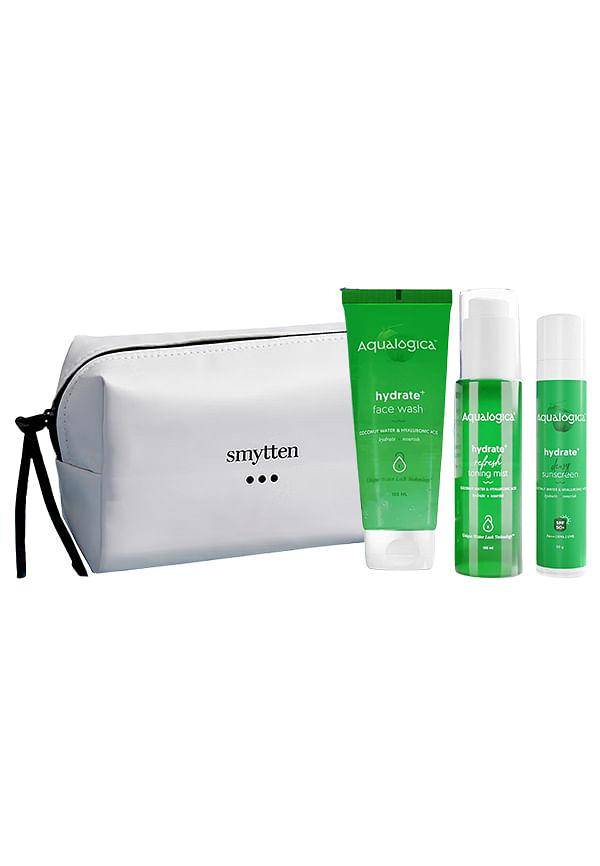
Hydrate & Nourish Kit
The key to managing dry skin isn't just about individual treatments—it's about creating a consistent dry skin care routine that works with your lifestyle. Think of it as building layers of protection and hydration throughout your day.
Your routine should be gentle but effective, focusing on maintaining your skin barrier rather than stripping it. This means choosing the right products and techniques for morning protection and evening repair.
Start with a gentle cleanser that won't strip your skin's natural oils. Follow with a lightweight natural moisturiser—something like the jojoba and argan oil blend works brilliantly. If you're heading outdoors, don't forget sun protection, as UV damage can worsen dryness.
Evenings are for deeper hydration. Consider oil cleansing to remove the day's buildup without over-drying. This is when heavier treatments like the DIY shea butter cream or coconut oil work best. Your skin repairs itself overnight, so give it the nutrients it needs.
Bath oils for dry skin can turn your regular soak into a therapeutic treatment. Add a tablespoon of sweet almond oil or jojoba oil to lukewarm running water. The oil disperses through the water and coats your skin as you bathe.
Keep water temperature moderate—hot water strips natural oils. Limit bath time to 10-15 minutes, and always moisturise immediately after patting skin dry. This locks in the hydration from both the bath oil and any remaining water on your skin.
If you're dealing with conditions like eczema or particularly sensitive skin, these natural remedies can still help, but you'll need to be extra careful about what you use. Eczema home treatment requires gentle, fragrance-free options that won't trigger flare-ups.
Always patch test new ingredients on a small area first. Apply a tiny amount to your inner wrist or behind your ear and wait 24 hours to check for reactions. Even natural ingredients can cause sensitivity in some people.
Your skin's needs change with the weather. Winter calls for heavier, more occlusive treatments like the shea butter cream or coconut oil. Summer might need lighter options like aloe vera gel or the oil blend. Pay attention to humidity levels in your home—a humidifier can work wonders during dry months.
Whilst these home remedies work brilliantly for most people, sometimes you need professional guidance. If your dry skin is accompanied by severe itching, cracking that won't heal, or signs of infection, it's time to see a dermatologist.
Persistent dryness that doesn't respond to gentle care might indicate an underlying condition that needs proper medical treatment. Don't ignore symptoms that interfere with your daily life or sleep.
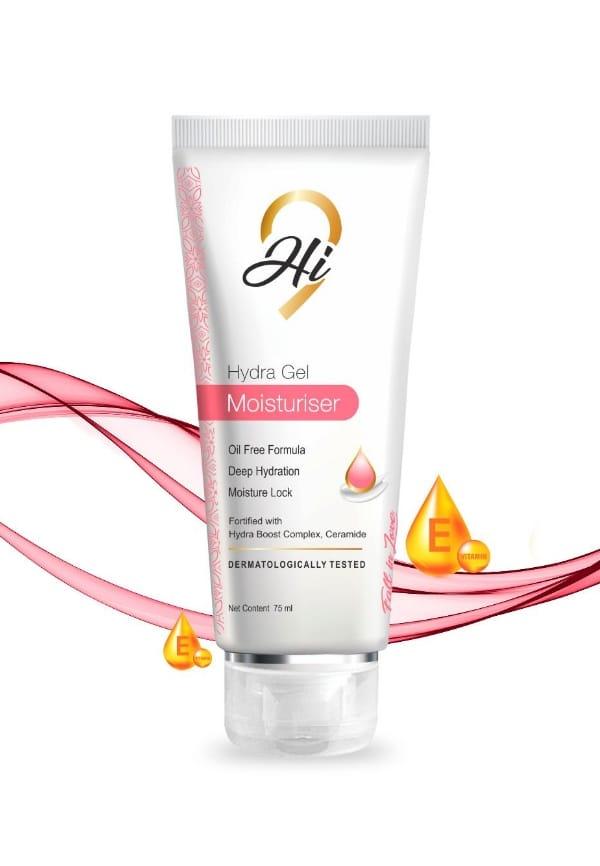
Hydra Gel Moisturiser
Natural doesn't always mean safe for everyone. If you're pregnant or breastfeeding, check with your healthcare provider before trying new treatments. Some essential oils and even natural ingredients can interact with medications or cause unexpected reactions.
When exploring skincare solutions, platforms like Smytten make it easier to discover what works for your unique skin needs. As India's largest product discovery and trial platform, Smytten connects you with over 1,500 trusted brands including skincare favourites like Cetaphil and Dot & Key. You can try mini-sized products before committing to full sizes, which is perfect when you're testing new treatments alongside your home remedies. With trial packs available for just ₹249 and 100% cashback redeemable for future purchases, it's a smart way to explore professional skincare options that complement your natural routine.
Most people notice immediate relief from dryness and tightness after the first application. For longer-term improvements in skin texture and barrier function, give it 2-4 weeks of consistent use. Your skin cell turnover cycle is about 28 days, so patience pays off.
Generally yes, but introduce one new treatment at a time to see how your skin responds. Avoid mixing acids (like the lactic acid in milk) with oils in the same application, as they might not work well together. Space different treatments throughout your routine.
Jojoba oil suits most skin types as it's closest to natural sebum. Coconut oil works brilliantly for very dry skin but might be too heavy for oily or acne-prone skin. Argan oil is good for mature or damaged skin, whilst sweet almond oil is gentle enough for sensitive skin.
They can be just as effective for basic hydration and often contain fewer irritating ingredients. However, commercial products might have specific actives or preservation systems that homemade versions can't match. It depends on your specific skin needs.
For daily moisturising, twice daily (morning and evening) works well. Intensive treatments like oatmeal baths can be done 2-3 times weekly. Listen to your skin—if it feels comfortable, you're probably on the right track.
Consistency is key. Use gentle, fragrance-free cleansers, moisturise on damp skin, keep showers short and lukewarm, use a humidifier in dry environments, and protect your skin from harsh weather. Prevention is always easier than treatment.
The best home remedies for dry skin work because they're gentle, natural, and give your skin what it actually needs—moisture, protection, and repair. Whether you're dealing with occasional dryness or chronic skin issues, these simple treatments can make a real difference without the hefty price tag of commercial products.
Remember, everyone's skin is different, so what works brilliantly for your mate might not be your perfect match. Start with one or two remedies that appeal to you, be consistent, and give your skin time to respond. The goal isn't perfection—it's finding what makes your skin feel comfortable and healthy.
Sometimes the best solutions are the simplest ones. Your kitchen cupboard might just hold the key to happier, more hydrated skin. Why not give these natural approaches a try? Your skin (and your wallet) will thank you for it.
