How to Use a Contour Brush Like a Pro Beginner

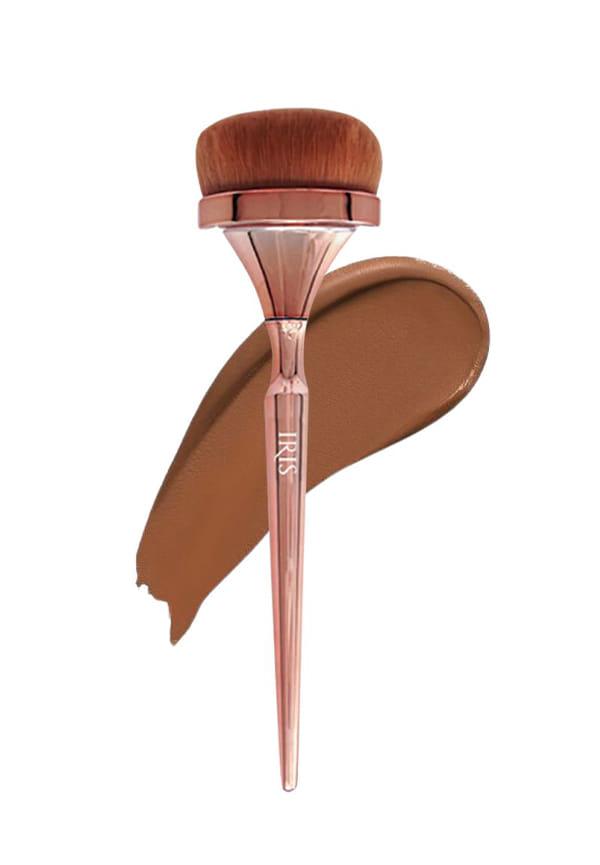
Luminous Hd Contour Brush
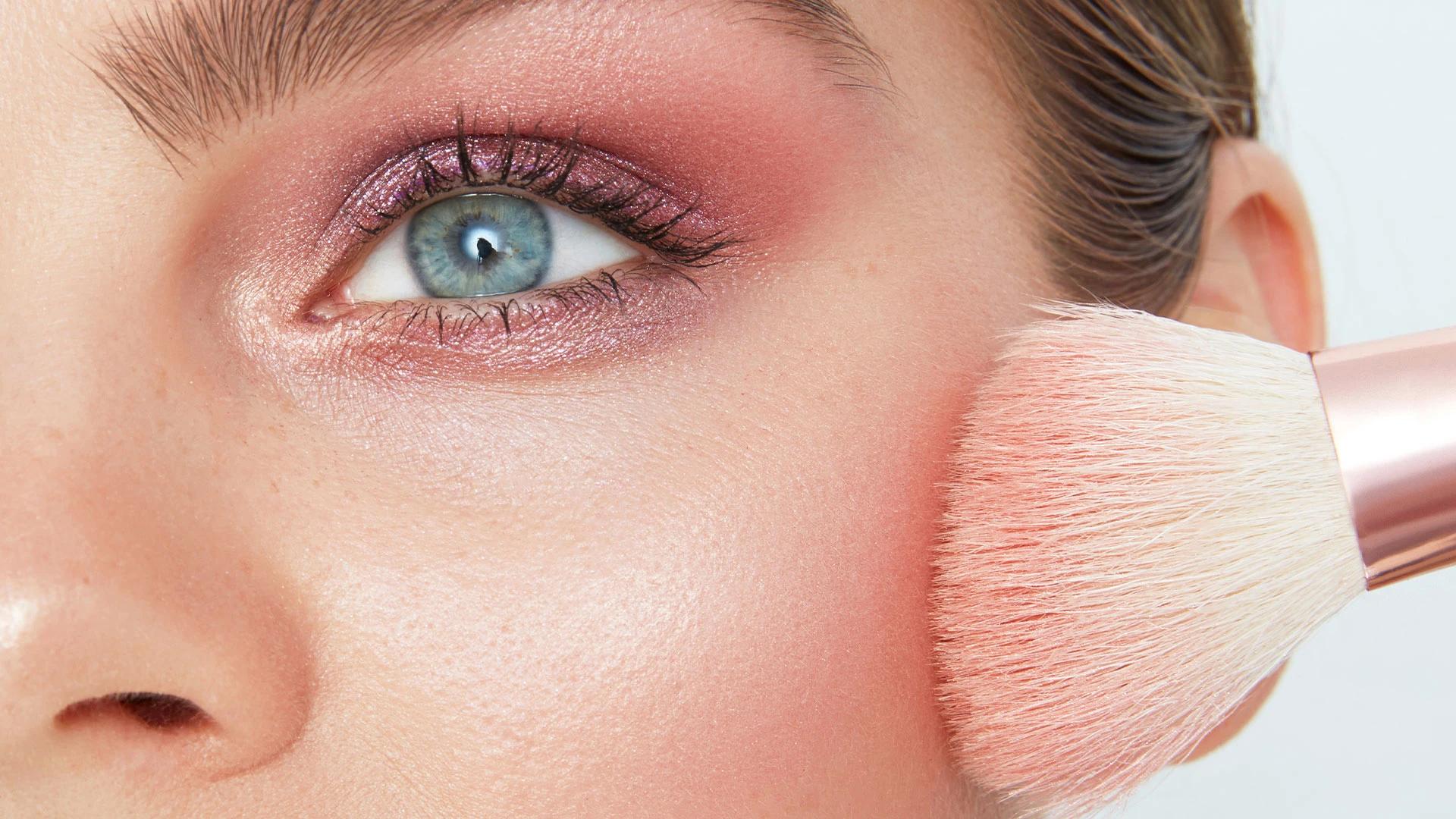
Let's be real—contouring can feel like rocket science when you're just starting out. One minute you're watching a tutorial thinking "this looks easy," and the next you're staring at your reflection wondering if you've accidentally given yourself muddy cheeks. The secret weapon that can transform your makeup game? A proper contour brush for beginners. This isn't just another makeup accessory gathering dust in your kit—it's the difference between looking naturally sculpted and like you've been hit with a bronzing disaster. Whether you're completely new to makeup or just want to nail the contouring basics, understanding how to use the right brush will change everything about your face sculpting journey.
Think of a contour brush as your personal face sculptor. Unlike your fingers or a random makeup sponge, these specialised makeup accessories are designed with specific shapes and bristle densities to help you place and blend contour products exactly where they need to go. The magic lies in their precision—they give you control over where the product lands and how it blends, which is crucial when you're learning the ropes.
For beginner makeup enthusiasts, a dedicated contour brush eliminates the guesswork. Your fingers might seem like the obvious choice, but they can create uneven application and muddy blending. A proper brush helps you build colour gradually, blend seamlessly, and create those coveted shadows that make your cheekbones pop naturally. Plus, these contouring tools are surprisingly budget-friendly when you consider how much they elevate your entire makeup routine.
Not all cosmetic brushes are created equal, and understanding the different types will help you choose your perfect match. Each style serves a specific purpose in your contouring journey, so let's break down the main players.
The angled brush is probably what you picture when someone mentions contouring. These brushes have a slanted edge that naturally fits into the hollows of your cheeks, making them perfect for creating sharp, defined lines. They're brilliant for beginners because the angle does half the work for you—just follow your natural bone structure and you're golden.
Flat brushes are your go-to for soft, diffused contouring. They're wider than angled brushes and perfect for blending out harsh lines. If you're nervous about going too dramatic with your contour, a flat face sculpting brush will give you that subtle definition without the risk of looking overdone.
These brushes create the most natural-looking contour because they mimic the circular blending motions your fingers would naturally make. They're fantastic for beginners who want to ease into contouring without worrying about creating harsh lines. The rounded shape makes it nearly impossible to mess up the blending process.
Choosing your first contour brush doesn't have to be overwhelming. The key is finding something that feels comfortable in your hand and works with your face shape and skill level. Here's what to look for when you're shopping for makeup for beginners.
Size matters more than you might think. If you have a smaller face, a massive brush will make precise application nearly impossible. Conversely, if you have a larger face, a tiny brush will take forever to blend properly. A medium-sized brush (about 2-3cm wide) is usually the sweet spot for most beginners.
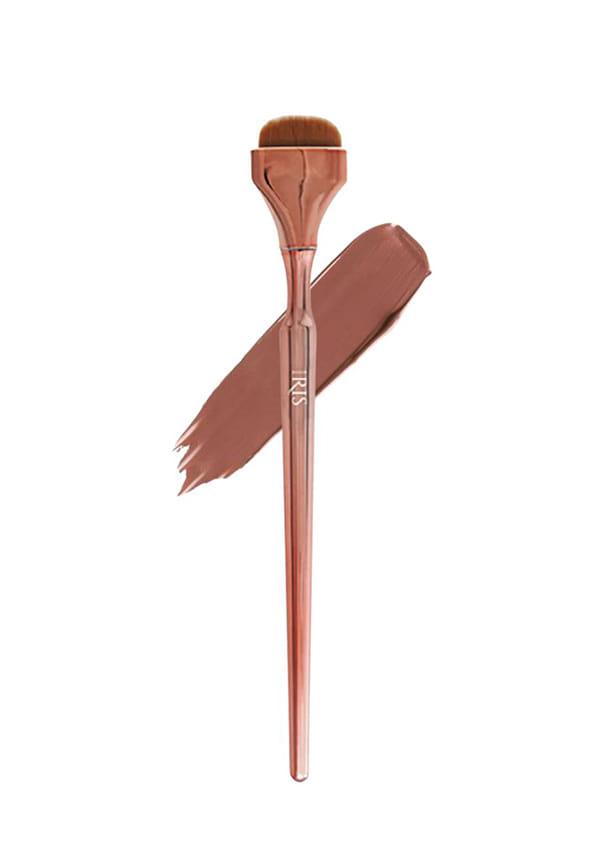
Luminous Hd Nose Contour Brush
When it comes to bristles, synthetic options are your best friend. They're easier to clean, work well with both powder and cream products, and tend to be more affordable. Natural bristles can be lovely, but they require more maintenance and aren't always beginner-friendly.
Don't feel pressured to buy the most expensive brush on the market. Some brilliant makeup accessories come at budget-friendly prices. Look for brushes that feel sturdy, have densely packed bristles, and don't shed excessively when you run your fingers through them.
Now for the fun part—actually using your brush to create that sculpted look you've been dreaming of. This step-by-step approach makes easy contouring achievable for anyone, regardless of experience level.
Before you even pick up your brush, you need the right products. Choose a contour shade that's 1-2 shades darker than your natural skin tone. Avoid anything with orange undertones—you want something that mimics natural shadows. Powder formulas are most forgiving for beginners, though cream products can give beautiful results once you get the hang of it.
Start by loading your brush with product, then tap off the excess. This is crucial—you can always build up colour, but removing too much product is much harder. Place the brush in the hollow of your cheek (suck in your cheeks slightly to find this spot) and sweep upward toward your temples.
Use gentle, sweeping motions rather than pressing hard. The goal is to gradually build up the shadow, not create one dramatic stripe. Blend as you go, using circular motions to soften any harsh lines. Remember, the best contour looks like it's coming from within your skin, not sitting on top of it.
The biggest mistake beginners make is going too heavy too quickly. Start with barely any product on your brush—you'll be amazed at how little you actually need. Another common error is forgetting to blend. Even the most perfectly placed contour will look obvious if it's not properly blended into your foundation.
Your contour brush isn't just for cheeks—it's a versatile tool that can enhance multiple areas of your face. Each area requires slightly different techniques, but once you master the basics, you'll be contouring like a pro.
For cheek contouring, angle your brush to follow your natural bone structure. Start from the ear and sweep toward the corner of your mouth, but stop about halfway. This creates a lifting effect that's universally flattering. Use upward motions when blending to enhance that lifted look.
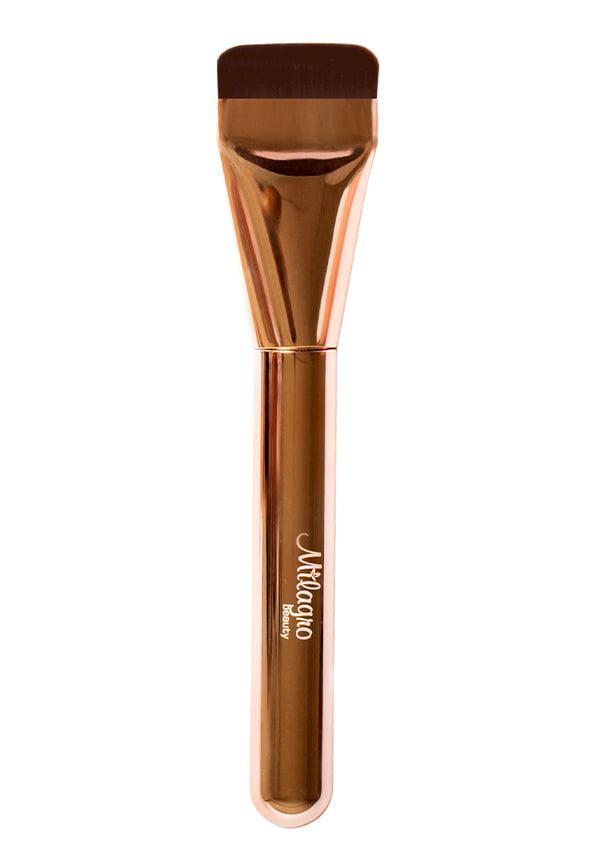
Glass Skin Foundation Professional Brush
Nose contouring requires a lighter touch and often a smaller brush. Use the tip of your contour brush to create subtle shadows along the sides of your nose. The key is restraint—a little goes a very long way. Blend immediately to avoid harsh lines, and remember that nose contouring should enhance your natural shape, not completely change it.
For forehead contouring, use your brush along the hairline and temples to create a more oval face shape. For the jawline, sweep the brush along the underside of your jaw, blending downward into your neck. These techniques are subtle but can make a significant difference in your overall face shape.
A good contour brush can last for years with proper care, making it one of the best investments in your makeup kit. Daily maintenance is simple—after each use, gently wipe your brush on a clean tissue to remove excess product. This prevents buildup and keeps your brush performing at its best.
For deep cleaning, wash your brushes weekly with gentle shampoo or specialised brush cleaner. Rinse thoroughly, reshape the bristles while damp, and lay flat to dry. Never dry brushes upright, as water can seep into the ferrule and loosen the bristles.
Store your brushes properly to maintain their shape. A brush roll or stand keeps them organised and prevents the bristles from getting crushed. With proper care, your cosmetic brush will remain your faithful contouring companion for years to come.
Ready to take your contouring skills to the next level? These professional techniques will help you achieve that flawless, sculpted look that seems effortless but is actually quite strategic.
Layering is your secret weapon for buildable, natural-looking contour. Apply thin layers, blending between each application. This technique gives you complete control over the intensity and ensures a seamless finish. It takes a bit more time, but the results are worth it.
Consider your lighting when contouring. Natural daylight is ideal for application, but if you're heading out in the evening, you might want slightly more dramatic contouring to show up under artificial lights. Practice in different lighting conditions to understand how your contour translates.
Don't forget about the rest of your makeup routine. Contour works best when it's part of a complete look—foundation, concealer, and setting powder all play supporting roles in creating that perfect sculpted finish. The key is making everything work together harmoniously.
Discovering the right products and techniques becomes so much easier when you can try before committing to full sizes. Smytten connects you with over 1,500 trusted beauty brands, offering curated trial packs that let you explore different contour products and tools. With trial minis available for just ₹249 and 100% cashback redeemable for future purchases, you can experiment with various contouring tools and find your perfect match without the financial commitment.
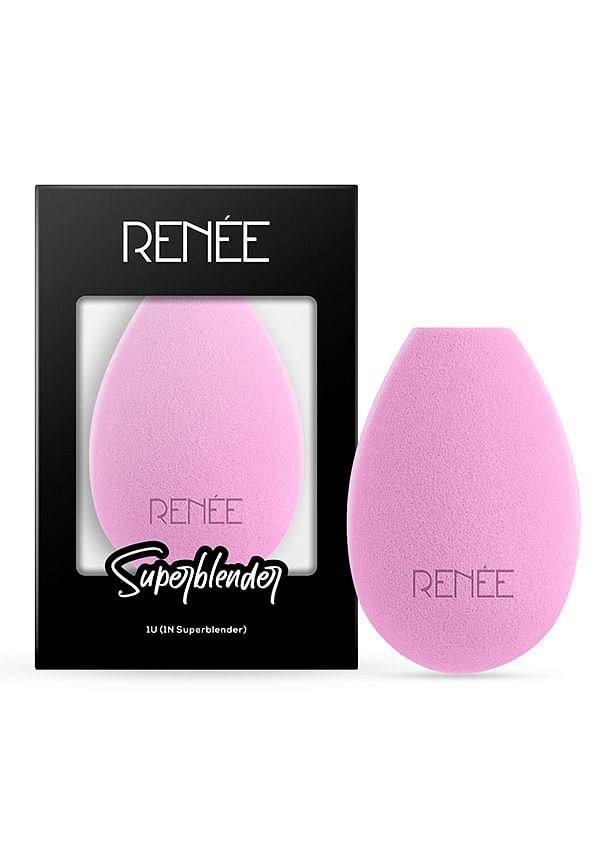
Makeup Superblender 1pc, Angled Edge Sponge For Effortless Application
Soft Blender, Loved It
 5
5“very very soft blender, loved it”
Smooth & Easy to Blend
5“smooth texture... easy to blend”
Loved the product
5“wow i love it i like it so much”
Start with a medium-sized angled brush with synthetic bristles. This type gives you the most control and works well with both powder and cream products. The angled shape naturally fits into your cheek hollows, making application easier for beginners.
Load your brush lightly with product, tap off excess, and start in the hollow of your cheeks. Use upward sweeping motions, building colour gradually. Always blend immediately to avoid harsh lines, and remember that less is more when you're starting out.
While not absolutely essential, a proper contour brush makes the learning process much easier. It provides better control, more even application, and cleaner blending than using fingers or random brushes. It's a worthwhile investment for anyone serious about learning contouring.
Contour brushes are specifically designed for precise placement and blending of contour products. They're typically denser than blush brushes, smaller than powder brushes, and shaped to fit into the natural hollows of your face.
Wipe your brush clean after each use and do a deep clean weekly. If you use cream products, you might need to clean more frequently to prevent bacterial buildup and maintain brush performance.
Yes, but clean between different product types to avoid muddying colours. You can use the same brush for powder and cream contour products, though you might prefer different brushes for different formulations as you become more experienced.
Mastering the art of contouring with a brush is like learning any new skill—it takes practice, patience, and the right tools. Your contour brush for beginners journey doesn't have to be intimidating when you understand the basics and start with quality tools that work for your skill level and budget.
Remember, the goal isn't to completely transform your face but to enhance your natural features. Start subtle, build gradually, and don't be afraid to experiment with different techniques until you find what works for your unique face shape and style preferences. With Smytten's extensive range of trial-sized products from trusted brands, you can explore different contour shades and formulations without committing to full-size purchases, making your learning journey both affordable and exciting.
The most important thing is to have fun with it. Makeup should be enjoyable, not stressful. Your contouring skills will improve with each application, and soon you'll be creating that perfectly sculpted look with confidence. After all, why settle for maybe when you can try it all and find exactly what works for your unique beauty routine?
