7 Best Hair Straighteners for Salon-Like Results

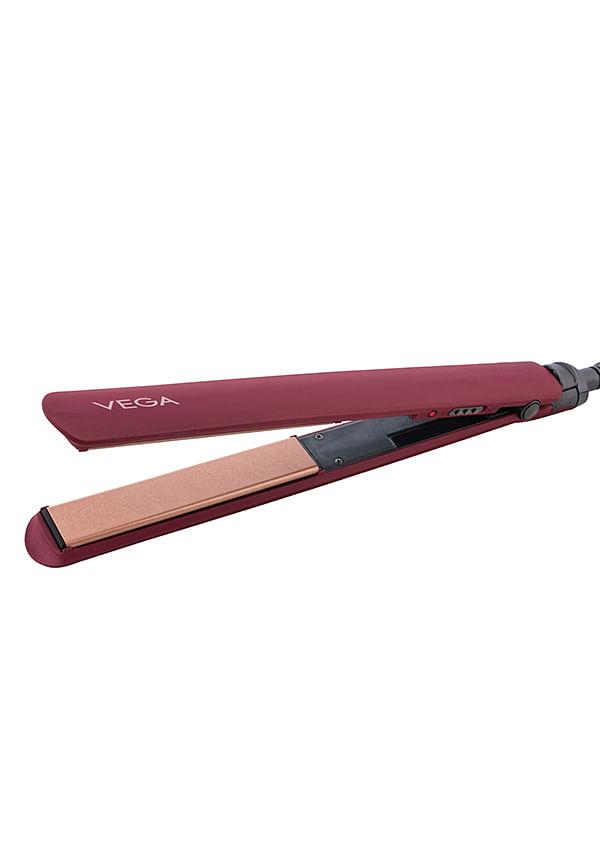
Sleek On Hair Straightener for Women with 230⁰C Heating Temperature
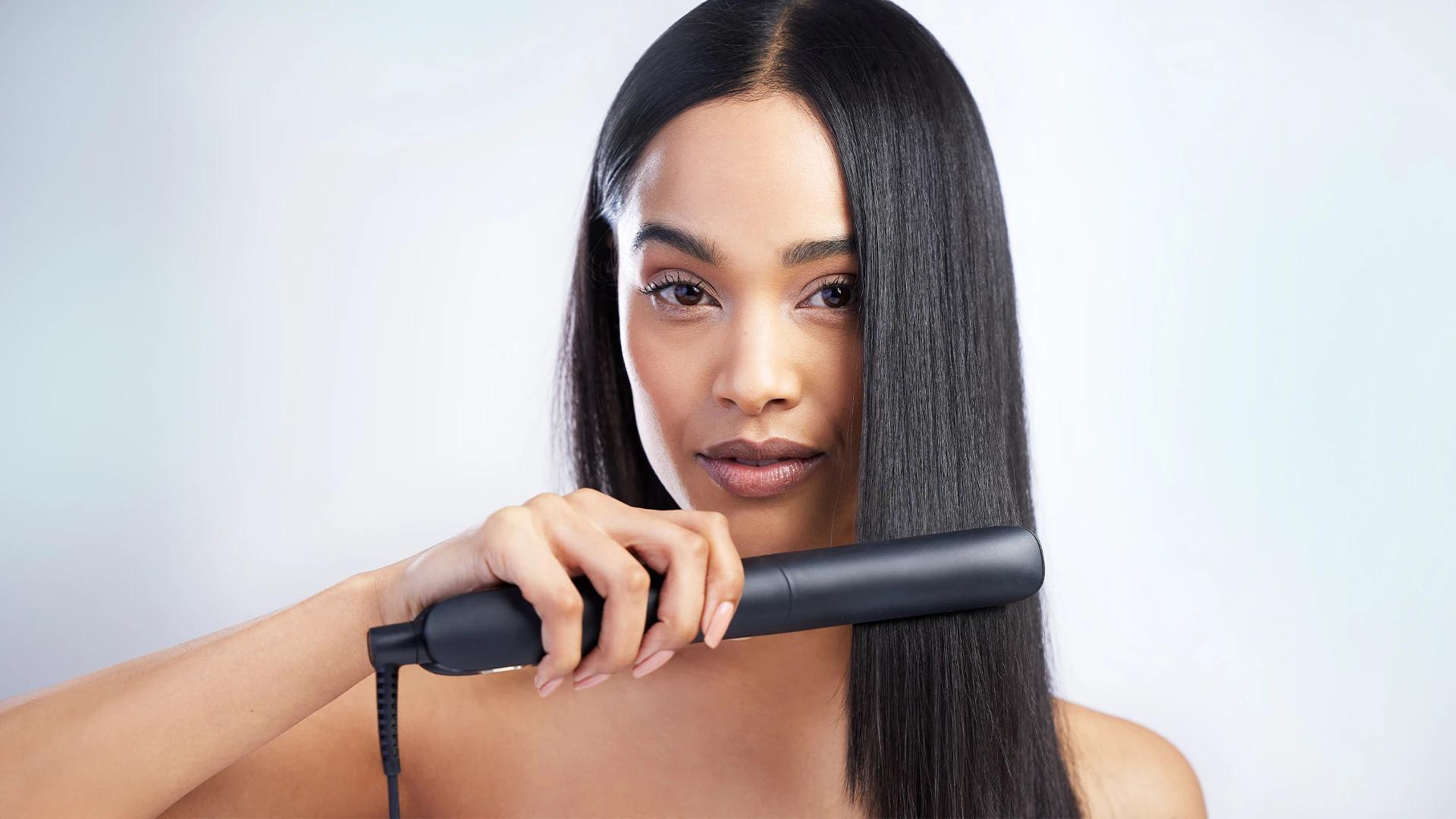
Getting salon-perfect straight hair at home doesn't have to be a pipe dream. With the right hair straightener, you can achieve those sleek, glossy locks that make heads turn. But here's the thing—not all flat irons are created equal. Some leave your hair looking fried, others barely make a dent in stubborn curls. The secret lies in finding the perfect match for your hair type and styling needs. Whether you're dealing with thick, curly hair that needs serious taming or fine strands that require gentle heat, the right hair styling tools can transform your entire routine.
Let's be real—you've probably been burned by a dodgy straightener before. The kind that promises salon results but leaves you with crispy ends and uneven sections. A proper professional hair straightener is all about the tech behind those plates. Ceramic straighteners distribute heat evenly, making them brilliant for fine or damaged hair. They're gentler and help seal the hair cuticle for that glossy finish.
Titanium straighteners, on the other hand, are the powerhouses. They heat up faster and maintain consistent temperatures, perfect for thick or coarse hair that needs serious convincing. Then there's tourmaline coating—this clever addition releases negative ions that combat frizz and add shine.
Temperature control is another game-changer. The best hair styling tools offer precise settings from 140°F to 450°F. Fine hair needs lower heat (around 250°F-300°F), whilst thick, stubborn hair might need the full 400°F+ treatment. Quick heat-up time matters too—nobody wants to wait ages for their straightener to get going.
Right, let's dive into the good stuff. These seven flat irons have earned their stripes for delivering consistent, salon-quality results. Each one brings something different to the table, so there's bound to be one that clicks with your hair type and styling preferences.
This professional hair straightener ticks every box. With floating titanium plates and precise temperature control, it glides through hair without snagging. The 1.25-inch plates are perfect for most hair lengths, and it heats up in under 30 seconds. What makes it special? The plates adjust to your hair's thickness automatically, ensuring even pressure every time.
If your hair's been through the wars, this ceramic straightener is your new best mate. The ceramic plates distribute heat evenly, preventing hot spots that can cause damage. It features infrared technology that heats hair from the inside out, reducing styling time and heat exposure. The adjustable temperature goes as low as 140°F—perfect for fragile strands.
Got hair that laughs in the face of regular straighteners? This titanium straightener means business. The extra-wide 1.75-inch plates cover more ground with each pass, whilst the titanium construction ensures consistent heat distribution. It reaches 450°F and maintains that temperature throughout your styling session.
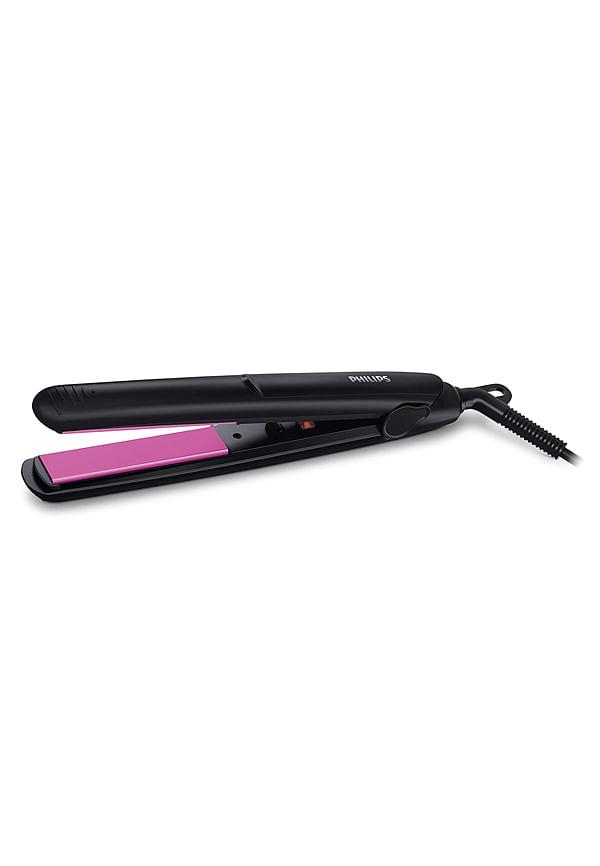
Philips HP8302/06 Compact Straightener
Enter the hair straightener brush—the multitasker that's perfect for quick touch-ups. It combines the smoothing power of a flat iron with the ease of a brush. The heated bristles detangle whilst straightening, making it brilliant for rushed mornings. It's gentler than traditional flat irons and adds volume at the roots.
You don't need to break the bank for decent results. This hair smoothing iron offers ceramic plates, multiple heat settings, and a 60-minute auto-shutoff—all without the premium price tag. It might not have all the bells and whistles, but it gets the job done reliably.
Designed specifically as the best hair straightener for curly hair, this tool features extra-long plates and ionic technology. The longer plates mean fewer passes through each section, reducing heat damage. The ionic feature neutralises static and seals the cuticle for frizz-free results that last.
This compact styling accessory proves that good things come in small packages. Despite its travel-friendly size, it delivers professional results with ceramic-tourmaline plates and dual voltage capability. The 1-inch plates are perfect for precision styling and touch-ups on the go.
Choosing between ceramic straighteners and titanium straighteners isn't just about personal preference—it's about what works best for your hair type. Understanding the differences can save you from making a costly mistake.
Ceramic plates are the gentle giants of the straightening world. They heat up gradually and distribute that heat evenly across the plate surface. This makes them brilliant for fine, damaged, or chemically-treated hair. The smooth surface glides through hair easily, reducing pulling and breakage. Ceramic also helps seal the hair cuticle, which means shinier results.
Titanium plates are all about efficiency and power. They heat up lightning-fast and maintain consistent temperatures even when working through thick sections. The lightweight metal makes the straightener easier to handle during long styling sessions. Titanium is your go-to for coarse, thick, or resistant hair that needs serious heat to cooperate.
Then there's tourmaline coating—often combined with ceramic or titanium. This semi-precious stone releases negative ions when heated, which neutralise the positive ions in damaged hair. The result? Less frizz, more shine, and smoother results overall.
Your hair type should drive your straightener choice, not the other way around. Getting this wrong is like wearing the wrong shoe size—technically possible, but you'll regret it later.
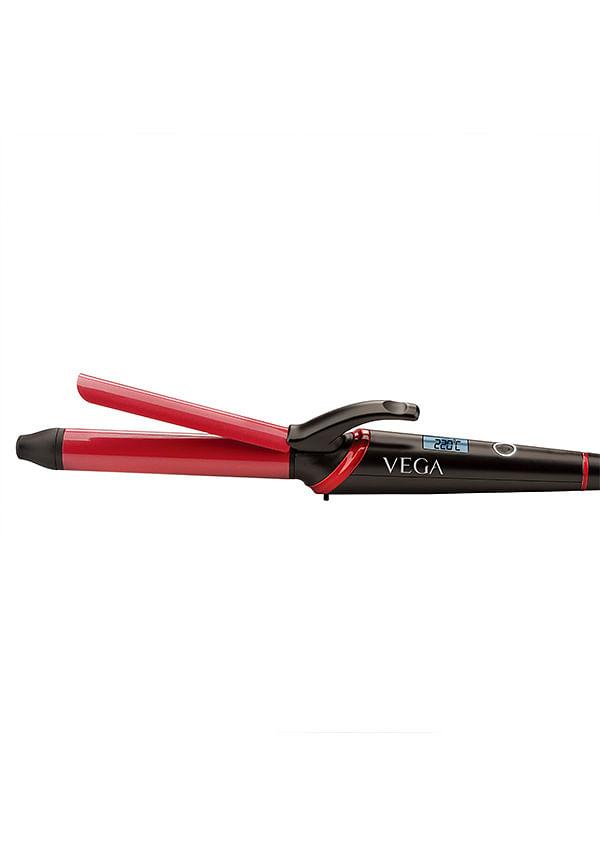
Vega Smart Curl Hair Curler for Women with 25 mm Barrel, Digital Display & Adjustable Temperature Settings, (VHCH-06), Black
Fine or thin hair needs gentle treatment. Stick to ceramic plates and keep temperatures between 250°F-300°F. Higher heat will damage delicate strands without improving results. Look for straighteners with precise temperature control and floating plates that won't apply too much pressure.
Thick or coarse hair can handle—and often needs—more heat. Titanium plates and temperatures up to 400°F-450°F will give you the power to smooth stubborn strands. Wider plates (1.5-2 inches) will help you cover more ground efficiently.
For curly or frizzy hair, ionic technology is your friend. The best hair straightener for curly hair will combine this with adjustable temperature settings and quality plate materials. You might need higher heat initially, but the ionic technology will help maintain smoothness longer.
Damaged hair requires extra TLC. Ceramic or tourmaline plates, lower temperatures, and built-in heat protection features are essential. Some straighteners even have moisture-infusing technology to help repair damage whilst styling.
Having the right hair smoothing iron is only half the battle. Technique makes the difference between amateur hour and professional-looking results. Start with clean, completely dry hair—wet hair and hot plates are a recipe for disaster.
Section your hair properly. Work with pieces no thicker than an inch—trying to straighten massive sections just means you'll have to go over them multiple times, causing more heat damage. Use clips to keep sections organised and out of the way.
Apply heat protectant from mid-length to ends before you start. This creates a barrier between your hair and the hot plates. Don't skip this step—it's the difference between healthy-looking hair and fried ends.
When straightening, move the iron smoothly from root to tip in one fluid motion. Stopping or going too slowly can create dents or uneven sections. The speed depends on your hair type—fine hair needs quicker passes, whilst thick hair might need slower, more deliberate movements.
Your hair styling tools are an investment, so treat them like one. Regular maintenance keeps them performing at their best and extends their lifespan significantly.
Clean the plates after every few uses. Product buildup affects heat distribution and can damage both your straightener and your hair. Use a damp cloth when the plates are cool, or specialised cleaning products for stubborn residue.
Store your straightener properly. Many come with heat-resistant mats or pouches—use them. Wrapping the cord too tightly can damage the internal wiring, so give it some slack. Some straighteners have cord storage features that prevent this issue.
Pay attention to performance changes. If your straightener takes longer to heat up, doesn't maintain temperature, or starts snagging hair, it might be time for a replacement. Most quality straighteners last 2-3 years with regular use.
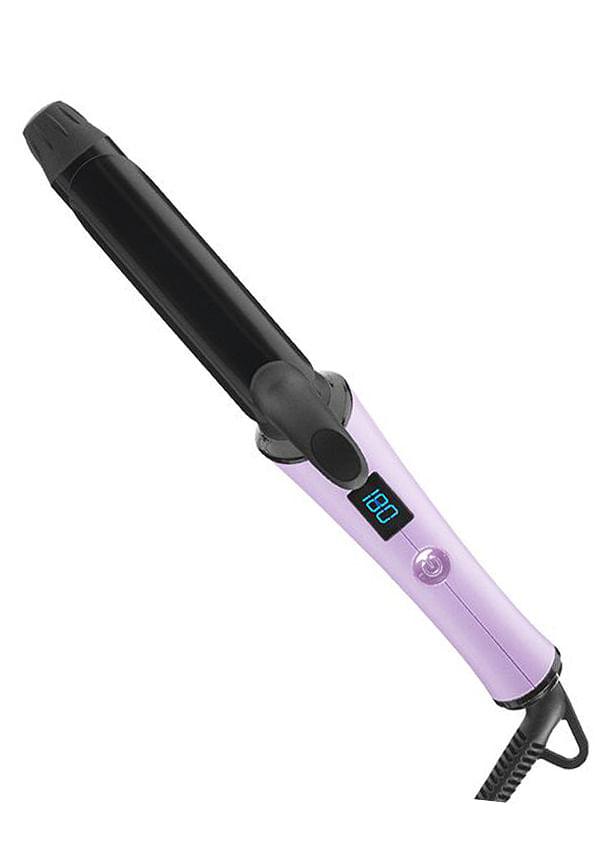
Mini Hair Curler for Women (Go Mini Series VHCH-08)
They're essentially the same thing. "Flat iron" and "hair straightener" are just different terms for the same tool. Some people use "flat iron" to refer specifically to the traditional plate-style straighteners, whilst "hair straightener" might include brush-style tools as well.
Daily use is generally fine if you're using proper heat protection and the right temperature for your hair type. However, giving your hair a break a couple of times a week helps maintain its health. If you notice dryness or damage, reduce frequency and consider lower heat settings.
Never use a traditional flat iron on wet or damp hair—it can cause severe damage and literally boil the water in your hair shaft. Always ensure hair is completely dry before straightening. Some specialised tools are designed for damp hair, but these are different from regular straighteners.
Fine or damaged hair: 250°F-300°F. Normal or slightly thick hair: 300°F-350°F. Thick, coarse, or very curly hair: 350°F-400°F. Only use maximum heat (400°F+) if you have extremely resistant hair that won't respond to lower temperatures.
This usually happens due to humidity, using too high heat, not using heat protectant, or having damaged hair cuticles. Try using an anti-humidity serum after styling, lowering your heat setting, or investing in a straightener with ionic technology.
Replace your straightener if it takes much longer to heat up, doesn't maintain consistent temperature, has damaged plates that snag hair, or if the cord is fraying. Generally, quality straighteners last 2-3 years with regular use.
Finding the right hair straightener is like finding the perfect pair of jeans—when you know, you know. The key is matching the tool to your specific hair needs rather than going for the flashiest option. Whether you need the gentle touch of a ceramic straightener or the powerhouse performance of a titanium straightener, there's definitely something out there that'll work for you.
Remember, the most expensive doesn't always mean the best. Focus on features that matter for your hair type—temperature control, plate material, and size. With the right technique and a quality tool, you can absolutely achieve those salon-perfect results at home.
Speaking of trying new things, Smytten makes it easier than ever to discover the perfect styling accessories and haircare products to complement your straightening routine. With trial packs from over 1,500 trusted brands, you can explore different heat protectants, finishing serums, and styling products without committing to full sizes. After all, why settle for 'maybe' when you can #TryItAll and find exactly what works for your hair?
