How to Declutter Your Entire Home in 30 Days: A Room-by-Room Plan for a Cleaner Space
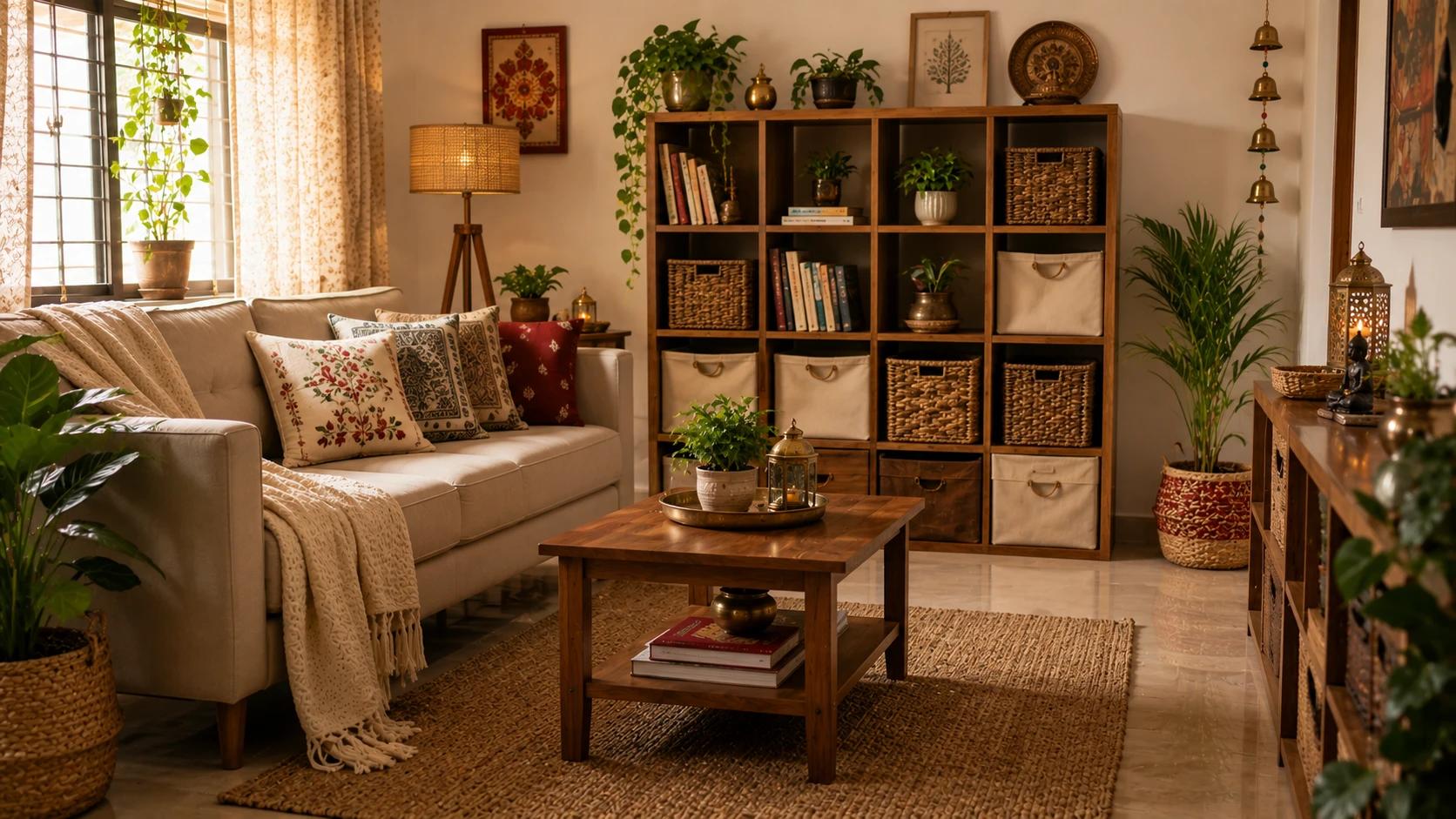

You walk into your home after a long day and instead of feeling relief, you feel a low-level anxiety you can't quite name. There are things on every surface. Cupboards that won't close properly. A spare room that's quietly become a storage unit. Drawers full of things you haven't touched in three years but can't quite bring yourself to throw away. You've been meaning to sort it out for months — maybe longer — but every time you start, the sheer scale of it stops you before you've made a dent.
If this sounds familiar, you're not disorganised or lazy. You're overwhelmed. And overwhelm, not lack of willpower, is the real reason most homes stay cluttered long after their owners have decided they want change.
Learning how to declutter your home isn't about becoming a minimalist or throwing away everything you own. It's about creating a living space that works for you — one where you can find things, breathe easily, and feel genuinely comfortable rather than quietly stressed by your surroundings.
Before getting into the how, it's worth understanding the why — because the impact of a cluttered home goes significantly beyond aesthetics.
Research consistently shows that cluttered environments elevate cortisol levels — the body's primary stress hormone. A home that feels chaotic creates a background hum of stress that affects sleep quality, concentration, mood, and even eating habits. The visual noise of too many objects competing for your attention is genuinely cognitively taxing, even when you're not consciously thinking about the mess.
Clutter also carries an emotional weight that physical tidying alone doesn't address. Objects hold memories, obligations, and guilt — the gift you never use but can't discard, the hobby equipment from a phase that passed, the clothes kept for a size you might return to. Learning how to declutter your home means learning to navigate these emotional attachments thoughtfully, not bulldoze through them.
The payoff, however, is substantial. People who successfully declutter their homes consistently report better sleep, reduced anxiety, improved focus, more time — because they stop searching for things — and a genuine sense of calm when they walk through the door.
Most decluttering attempts fail not because of poor organisation systems but because of the wrong starting mindset. The most common mistake is approaching decluttering as a massive one-time event — clearing the entire house over a single weekend. This approach almost always leads to burnout, abandoned piles mid-project, and a home that looks worse than when you started.
The mindset that actually works treats decluttering as a process rather than an event. Small, consistent sessions over weeks produce more lasting results than a single heroic effort. Fifteen focused minutes daily moves more clutter than four exhausting hours on a Saturday that leave you too drained to finish.
The second mindset shift is changing the question you ask when evaluating objects. Instead of asking "should I get rid of this?" — which triggers loss aversion and makes keeping things feel like the safe default — ask "does this earn its place in my home?" Does it serve a function you actually use? Does it genuinely bring you joy? Does it represent who you are now, not who you were five years ago? If the honest answer is no, it doesn't earn its place.
Start where it matters most — not where it's easiest
Counter-intuitively, beginning with the easiest area — often a single drawer or the bathroom cabinet — is not always the most effective approach. Start with the room you spend the most time in, or the one whose clutter bothers you most acutely. Visible, immediate improvement in a high-traffic area provides the motivation to continue into harder spaces.
The living room
The living room accumulates two types of clutter: surface clutter that drifts in daily, and deeper clutter that's been there so long it's become invisible. Start by clearing every surface completely — tables, shelves, the tops of units. Then return only what genuinely belongs and genuinely improves the space. Remote controls, yes. Three-year-old magazines, no. Decorative objects you actually like, yes. Things you're keeping out of obligation, no.
Tackle shelves and storage units next. Books you will never read again, DVDs in a streaming era, decorative items bought in a phase that's passed — these can go. A living room with breathing space on its shelves feels larger, calmer, and more intentional than one packed to capacity.
The kitchen
Kitchens are uniquely challenging because almost everything in them feels potentially useful. The approach that works here is ruthless honesty about what you actually cook. Duplicate utensils, gadgets used once and forgotten, mismatched containers without lids, expired pantry staples — these are the primary kitchen culprits.
Empty one cabinet or drawer at a time. Lay everything out. Keep only what you use regularly and what you have space to store properly. Organise by frequency of use — daily items at easy reach, occasional items higher up or further back. A kitchen where everything has a designated place and there is genuine space to work is not a luxury; it is a functional necessity.
The wardrobe
Wardrobes are the most emotionally loaded decluttering territory in most homes. The classic approach — take everything out and assess each item individually — works, but only if you're honest with yourself. Try things on. If you haven't worn something in twelve months and it doesn't have a specific future occasion attached to it, it is unlikely you ever will. Clothes kept for a size you might return to, gifts worn out of guilt rather than choice, items kept because they were expensive — these are clutter in disguise.
Organise what remains by category rather than by colour or outfit — all tops together, all bottoms together — so you can see exactly what you have at a glance. Invest in matching hangers if budget allows; the visual uniformity alone makes a wardrobe feel significantly more organised and spacious.
The bedroom
The bedroom should be the calmest room in your home, yet it often becomes a catch-all for things with nowhere else to go. Clear surfaces completely. The space under the bed is storage, not a dumping ground — if you use it, store things in proper containers; if you don't, keep it clear entirely. Bedside tables should hold only what genuinely supports sleep — a book, a lamp, a glass of water — not the accumulated overflow of daily life.
The spare room or storage areas
This is often the last room tackled and the most intimidating. Treat it as the final stage, not the first. By the time you reach it, you'll have developed both the decision-making muscle and the motivation that comes from seeing the rest of your home transformed. Work through it section by section, not all at once, and be particularly honest about items stored here indefinitely with no clear future use in mind.
The four-box method
Label four boxes or bags: Keep, Donate, Discard, and Relocate. Every object you pick up goes into one of these four categories without exception. The Relocate box is for things that belong in a different room — address these at the end of the session rather than interrupting your flow. This method eliminates the paralysis of binary keep-or-discard decisions by giving you structured options.
The one-in-one-out rule
Once you've decluttered, maintaining the result requires a system. The one-in-one-out rule — every new item that enters the home displaces an existing one — is the simplest and most effective maintenance habit available. It prevents the gradual re-accumulation of clutter that undoes months of effort.
The twelve-month rule
If you haven't used, worn, or needed something in twelve months — and it doesn't have a specific confirmed future use — it leaves. This rule is particularly effective for clothes, kitchen gadgets, hobby equipment, and books, cutting through the "but I might need it someday" reasoning that keeps unnecessary things in your home indefinitely.
Digitalising where possible
A significant portion of physical clutter in Indian homes consists of paper — bills, documents, receipts, manuals, and certificates. Scanning and digitally storing important documents, opting for paperless billing, and discarding manuals for appliances whose instructions are available online clears a surprising amount of physical space while making documents easier to find when actually needed.
Decluttering creates an obligation to handle what leaves your home responsibly. Clothes, books, and household items in good condition can be donated to local NGOs, old age homes, or community groups — many offer home pickup services in larger Indian cities, removing the friction of dropping things off yourself.
Items of value — furniture, electronics, branded clothing — can be sold through platforms like OLX or Facebook Marketplace, turning clutter into cash and reducing waste simultaneously. Electronics and appliances should be disposed of through proper e-waste channels rather than general waste, particularly in urban areas where collection services exist.
The act of knowing your discarded items will be used rather than wasted makes letting go significantly easier for most people.
Decluttering once and returning to old habits produces a home that looks good for three months and then quietly reverts. Sustainable results require a handful of simple daily habits that take minutes but prevent accumulation entirely.
The ten-minute daily reset — spending ten minutes before bed returning things to their designated places — prevents the build-up that makes weekly tidying feel overwhelming. Assigning a home to every object you own, and returning things to that home consistently, is the single most effective anti-clutter habit available. Shopping intentionally — asking whether something genuinely adds value before purchasing — addresses clutter at its source rather than managing the consequences.
Involve everyone in the household. Clutter is a shared problem and a shared responsibility. Children, when involved in age-appropriate decluttering and given ownership over their own spaces, develop organisational habits that serve them well beyond childhood.
Where should I start when decluttering feels completely overwhelming? Start with a single drawer, shelf, or surface — not a room. Complete it fully, then stop. The sense of accomplishment from one finished small area provides more motivation than an ambitious plan that stalls. Momentum builds from completion, not intention.
How do I let go of things with sentimental value? Acknowledge the memory rather than preserving the object. Photograph sentimental items before donating them. Keep one representative object from a category rather than all of them — one piece of your grandmother's crockery rather than the entire set. The memory lives in you, not in the object.
How long does it take to fully declutter a home? For a typical Indian home, a thorough declutter working in short daily sessions takes four to eight weeks. Larger homes or those with decades of accumulated belongings may take longer. The timeline matters less than the consistency — fifteen minutes daily beats three hours monthly for both results and sustainability.
Should I organise before or after decluttering? Always declutter first. Organising before decluttering means creating systems for things you'll eventually discard — wasted effort. Declutter completely, then assess what storage and organisation systems the remaining items actually need.
What do I do if my partner or family members don't want to declutter? Focus exclusively on your own possessions and shared spaces, never someone else's belongings without explicit permission. Lead by example — the visible transformation of spaces you control often inspires others more effectively than any amount of persuasion. Have honest conversations about shared spaces and negotiate reasonable compromises rather than forcing the process.

-1aad19af-d2ae-4919-bd6d-bc1e7e8ef83d.png&w=3840&q=75)
-5f919126-254f-4b06-a30b-d7d6700d6cf1.png&w=3840&q=75)
-c513d09b-8fe5-456d-b037-03e4ac182d84.png&w=3840&q=75)
-f4b36d7d-396c-4de0-9107-3aacd8a3f69d.png&w=3840&q=75)