What is Body Acne and How to Treat It: Your Complete FAQ

You step out of the shower, catch a glimpse of your back in the mirror, and there they are again — those stubborn bumps that seem to have made themselves at home across your shoulders and down your spine. If you've been wondering what exactly body acne is and how to finally get it under control, you're not alone. Body acne affects millions of people, yet it's often overlooked in favour of facial skincare routines. Real talk: your body deserves the same thoughtful care as your face, and understanding what you're dealing with is the first step towards clearer skin.
Body acne is essentially the same condition as facial acne, but it occurs on areas of your body with a higher concentration of oil glands. These breakouts happen when hair follicles become clogged with dead skin cells, excess oil, and bacteria. What makes body acne particularly frustrating is that it often develops in areas that are harder to see and treat, making consistent care more challenging.
The skin on your body is actually thicker than facial skin, which means it can handle stronger treatments. However, this thickness also means that products may take longer to penetrate and show results. Understanding this difference is crucial when building an effective treatment routine.
Comedonal acne appears as blackheads and whiteheads, often scattered across the chest and back. These are typically the mildest form and respond well to consistent exfoliation and proper cleansing.
Inflammatory acne includes red, raised bumps (papules) and pus-filled lesions (pustules). This type can be tender to touch and may leave temporary dark marks after healing.
Cystic body acne involves deep, painful lumps beneath the skin surface. This severe form often requires professional treatment and can lead to scarring if not properly managed.
Back acne is perhaps the most common form, earning the nickname "bacne." The back has numerous oil glands and is often covered by clothing, creating an environment where bacteria can thrive.
Chest acne frequently occurs in the upper chest area, particularly where clothing rubs against the skin. This area is also prone to hormonal fluctuations, especially in women.
Shoulder acne often develops due to friction from bag straps, tight clothing, or sports equipment. The constant rubbing can irritate hair follicles and worsen existing breakouts.
Understanding the root causes of body acne helps you tackle the problem more effectively. Unlike facial acne, body breakouts often have unique triggers that are specific to how we live and move through our daily routines.
Hormonal fluctuations play a significant role, particularly during puberty, menstrual cycles, and pregnancy. These hormonal changes increase oil production, making pores more likely to become clogged. Many people notice their body acne worsens during certain times of the month or life stages.
Sweat and friction create the perfect storm for body acne. When you exercise or spend time in humid conditions, sweat mixes with dead skin cells and bacteria. If this mixture isn't promptly cleansed away, it can clog pores and lead to breakouts.
Clothing choices matter more than you might think. Tight-fitting synthetic fabrics trap moisture and bacteria against your skin, whilst rough textures can irritate hair follicles. Even your sports bra or backpack straps can contribute to shoulder and back acne through constant friction.
Hair care products often contain oils and silicones that can run down your back during washing, potentially clogging pores. This is why many people notice breakouts along their hairline and upper back.
Poor shower timing can worsen body acne. Sitting in sweaty clothes after a workout or waiting too long to shower allows bacteria to multiply on your skin. Similarly, using dirty towels or sleeping on unwashed bedding can reintroduce bacteria to freshly cleansed skin.
Treating body acne effectively requires a multi-pronged approach that addresses both the immediate breakouts and the underlying causes. The good news is that body skin can typically handle stronger treatments than facial skin, giving you more options for clearing stubborn breakouts.
Benzoyl peroxide for body acne is one of the most effective over-the-counter treatments. This ingredient kills acne-causing bacteria and helps unclog pores. Start with a 2.5% concentration and gradually work up to 5% or 10% if needed. Apply it to clean, dry skin and always follow with a moisturiser, as benzoyl peroxide can be quite drying.
Salicylic acid body wash is brilliant for daily use because it penetrates into pores and dissolves the buildup that leads to breakouts. Look for formulations with 0.5% to 2% salicylic acid. Use it as your regular body wash, but avoid over-scrubbing, which can irritate the skin and worsen acne.
Glycolic acid and other AHAs work on the skin's surface to remove dead skin cells that can clog pores. These are particularly effective for preventing new breakouts and improving skin texture over time.
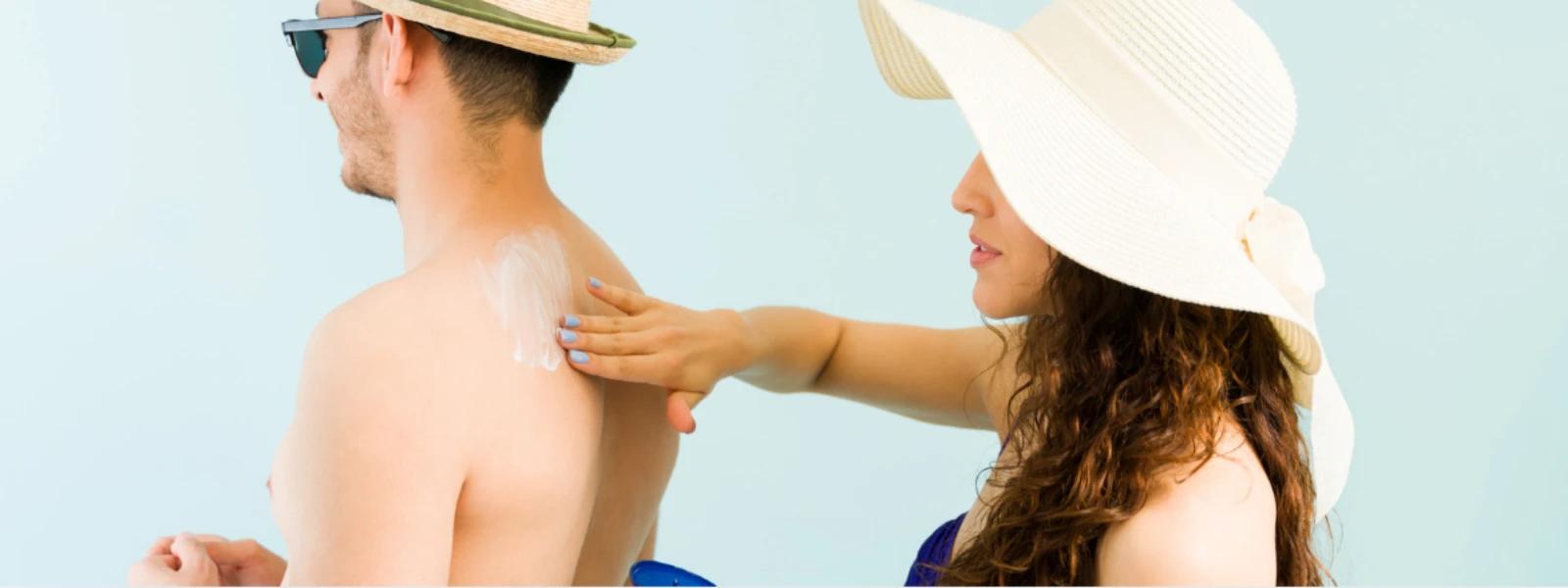
Treating back acne presents unique challenges since it's difficult to reach and see. Consider using a long-handled brush or asking a partner to help apply treatments to ensure even coverage. Retinoid creams can be particularly effective for back acne, as they increase cell turnover and prevent pores from becoming clogged.
For severe cases, don't hesitate to consult a dermatologist. Professional treatments like chemical peels, light therapy, or prescription medications can provide faster and more dramatic results than over-the-counter options alone.
Creating an effective acne skincare routine for your body doesn't have to be complicated, but it does need to be consistent. The key is finding products that work for your skin type and lifestyle, then sticking with them long enough to see results.
Your morning routine should focus on cleansing away overnight buildup and protecting your skin for the day ahead. Use a gentle, non-comedogenic body wash and follow with a lightweight, oil-free moisturiser. If you're using active ingredients like benzoyl peroxide, morning application can be ideal since you'll be wearing clothes that can get bleached.
This is where many people go wrong with body acne prevention. After any sweaty activity, shower as soon as possible using lukewarm water and a salicylic acid body wash. Hot water can irritate already inflamed skin, whilst cold water won't effectively remove sweat and bacteria.
Pay special attention to areas where equipment or clothing creates friction. Use clean hands or a soft cloth to gently cleanse these areas, avoiding harsh scrubbing that can worsen inflammation.
Evenings are perfect for applying stronger treatments since you won't be putting on clothes immediately. This is when you might apply benzoyl peroxide, retinoid creams, or other targeted treatments. Always allow treatments to fully absorb before getting into bed to avoid transferring products to your bedding.
Prevention is often easier than treatment when it comes to body acne. Small changes to your daily routine can make a significant difference in keeping your skin clear and healthy.
Clothing choices play a huge role in prevention. Opt for breathable, natural fibres like cotton when possible, especially for undergarments and workout clothes. Ensure your clothes fit properly — too tight and they'll create friction, too loose and they might rub in unexpected places.
Shower timing is crucial. Aim to shower within 30 minutes of sweating, whether from exercise, hot weather, or stress. Use a fresh towel each time and wash your bedding weekly in hot water to kill bacteria and remove oil buildup.
Be mindful of your hair care routine. If you use leave-in treatments or styling products, try to keep them off your back and shoulders. Consider putting your hair up while applying body lotions or treatments to prevent transfer.
Stress management isn't just good for your mental health — it can significantly impact your skin. High stress levels can trigger hormonal changes that worsen acne. Regular exercise, adequate sleep, and stress-reduction techniques can all contribute to clearer skin.
Diet may also play a role for some people. While the connection isn't universal, some individuals find that reducing dairy or high-glycemic foods helps improve their body acne. Keep a food diary if you suspect certain foods trigger your breakouts.
Most people begin to see improvement within 4-6 weeks of consistent treatment. However, it can take up to 12 weeks to see significant results, especially for deeper, cystic acne. The key is patience and consistency — don't switch products too quickly if you're not seeing immediate results.
Absolutely. Dirty bras, especially sports bras worn during workouts, can harbour bacteria and oils that contribute to back acne. The combination of sweat, friction, and bacteria creates an ideal environment for breakouts. Wash sports bras after each use and regular bras every 2-3 wears.
While the underlying causes are similar, body acne often involves different triggers like clothing friction and is typically more persistent due to the thicker skin and higher oil gland concentration in areas like the back and chest. Body skin can also tolerate stronger treatments than facial skin.
Not necessarily. Body skin is thicker and less sensitive, so you can often use higher concentrations of active ingredients. However, if you have sensitive skin or are just starting treatment, you might begin with the same gentle products you use on your face.
Yes, particularly cystic body acne can leave permanent scars if not properly treated. This is why it's important to avoid picking or squeezing body acne and to seek professional treatment for severe cases. Early intervention can prevent scarring and reduce the risk of long-term skin damage.
Consider using a long-handled applicator, asking a partner for help, or using spray formulations for areas like your back. Some people find that applying treatments before showering (for products that need to be rinsed off) or using a mirror system can help ensure even coverage.
Body acne might feel overwhelming, but with the right approach and consistent care, clearer skin is absolutely achievable. Remember that what works for one person might not work for another, so be patient as you find your ideal routine. The combination of proper cleansing, targeted treatments, and lifestyle adjustments will set you up for success.
If you're ready to explore effective body acne treatments, Smytten Shop offers a curated selection of dermatologist-recommended products from trusted brands. With options to try before you commit and earn cashback on your purchases, you can discover what works for your skin without the guesswork. Your skin will notice the difference when you give it the attention it deserves.
