What Causes Large Pores? Your FAQ Answered
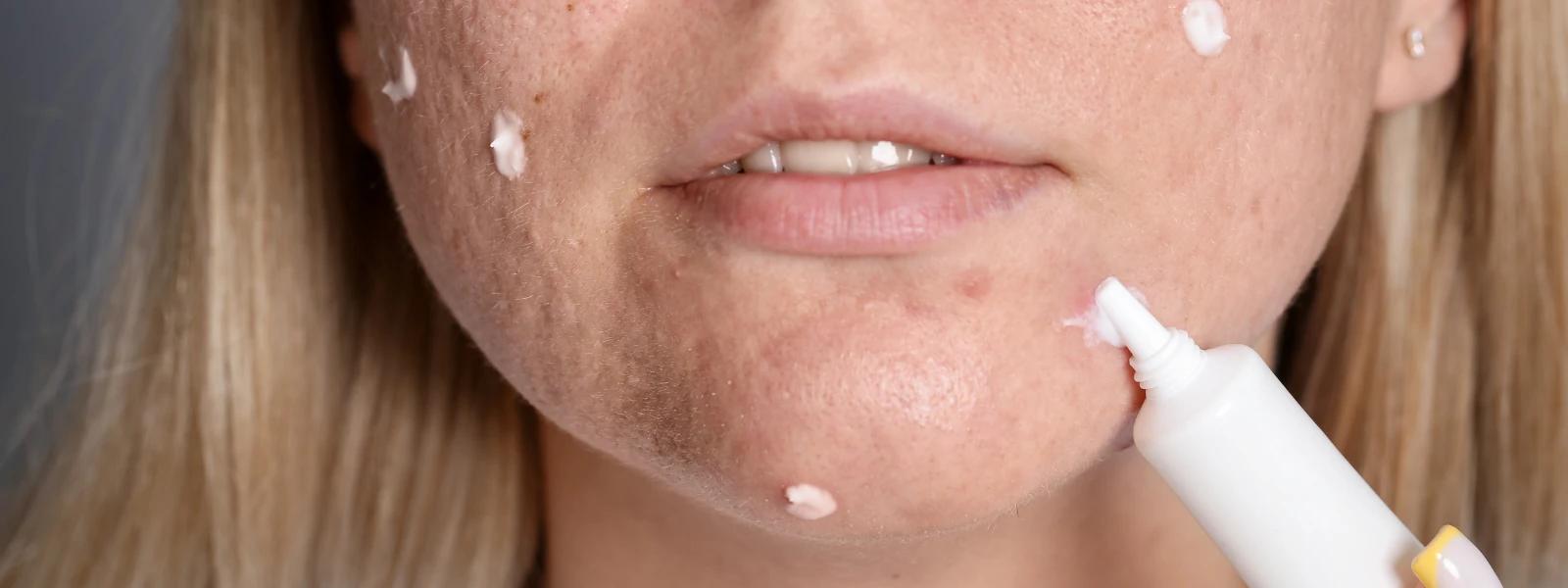

Ever noticed how your pores seem more visible after a long day in the office AC, or how they appear larger during your monthly cycle? You're not imagining it. Pore size fluctuates based on numerous factors, and understanding what causes large pores is the first step towards managing their appearance. Real talk: whilst you can't permanently shrink pores (they're not muscles that open and close), you absolutely can minimise their visibility and improve your overall skin texture.
Pores are tiny openings in your skin that house hair follicles and sebaceous glands. Think of them as your skin's natural ventilation system - they allow oil and sweat to reach the surface, keeping your skin healthy and protected. The average pore measures about 0.02 to 0.05 millimetres in diameter, though this varies significantly based on location and individual factors.
Here's what many people don't realise: pore size is largely determined by genetics, but their appearance can be dramatically influenced by external factors. When we talk about "large pores," we're typically referring to pores that appear more visible due to various contributing factors rather than an actual increase in their physical size.
The most common misconception? That pores can open and close like tiny doors. Pores don't have muscles around them, so they can't physically open or close. What changes is how visible they appear based on what's happening inside and around them. When pores become clogged with oil, dead skin cells, or debris, they can appear larger. Similarly, when the skin around pores loses elasticity, the pore opening can appear more prominent.
Understanding the root causes of enlarged pores helps you target the right solutions for your specific concerns. Here are the main culprits behind visible pore appearance.
Sebum overproduction is perhaps the most common cause of enlarged pore appearance, particularly in the T-zone area. When your sebaceous glands produce excess oil, it can accumulate within the pore, stretching the opening and making it more visible. This is why people with oily skin types often struggle more with pore visibility than those with dry skin.
Hormonal fluctuations significantly influence oil production. During puberty, menstruation, pregnancy, or times of stress, increased androgen levels can trigger your sebaceous glands to work overtime. This explains why your pores might seem more prominent during certain times of the month or life stages.
Your DNA plays a major role in determining your natural pore size and skin type. If your parents have visible pores, you're more likely to have them too. Genetic factors influence everything from your skin's oil production levels to its natural thickness and elasticity. Whilst you can't change your genetics, understanding this helps set realistic expectations for treatment outcomes.
As we age, our skin produces less collagen and elastin - the proteins responsible for keeping skin firm and bouncy. When the skin around pores loses its structural support, the pore openings can appear larger and more pronounced. This process typically becomes noticeable in your late twenties and continues throughout life, which is why anti-ageing skincare often focuses on collagen support.
When dead skin cells, makeup residue, pollution, and excess oil accumulate within pores, they create blockages that stretch the pore walls. Think of it like stuffing too much into a small bag - the opening becomes more visible and distorted. This is particularly common if you don't cleanse thoroughly or skip regular exfoliation.
Chronic UV exposure breaks down collagen and elastin in the skin, leading to a loss of structural integrity around pore openings. Sun damage also thickens the outer layer of skin, which can make pores appear more prominent. This is why consistent SPF use is crucial for maintaining smooth skin texture over time.
Hormonal fluctuations don't just affect oil production - they can also influence skin thickness and cell turnover rates. During puberty, pregnancy, menopause, or even monthly cycles, changing hormone levels can temporarily make pores appear more visible. Understanding these patterns helps you adjust your skincare routine accordingly.
If you've noticed your pores looking more prominent seemingly overnight, several factors could be at play. Sudden hormonal shifts, such as starting or stopping hormonal contraception, can rapidly change your skin's oil production. New skincare products, particularly those containing harsh ingredients or comedogenic formulations, might be causing irritation or clogging.
Environmental changes also play a role. Moving to a more humid climate, increased stress levels, or seasonal transitions can all affect how your pores appear. Sometimes, it's simply a matter of increased awareness - once you start noticing your pores, you tend to see them more.
Whilst you can't permanently shrink pores, numerous proven methods can significantly minimise their appearance and improve overall skin texture.
Chemical peels containing salicylic acid or glycolic acid help remove dead skin cells and unclog pores, making them appear smaller. Professional-strength peels can provide more dramatic results than at-home options. Microneedling stimulates collagen production, which can improve skin texture and reduce pore visibility over time.
Laser treatments, such as fractional laser resurfacing, work by creating controlled micro-injuries that trigger the skin's healing response and collagen production. These treatments can be particularly effective for age-related pore enlargement.
Retinoids are among the most effective ingredients for improving pore appearance. They increase cell turnover, helping to prevent clogging whilst stimulating collagen production. Start with a lower concentration and gradually increase to avoid irritation.
Salicylic acid is oil-soluble, meaning it can penetrate into pores to dissolve excess sebum and dead skin cells. Regular use helps keep pores clear and less visible. Niacinamide helps regulate oil production and can improve skin texture over time, making it an excellent choice for those with oily, pore-prone skin.
Morning routines should focus on gentle cleansing, oil control, and protection. Use a mild cleanser, apply a niacinamide serum, and always finish with broad-spectrum SPF. Evening routines can incorporate active ingredients like retinoids or salicylic acid, followed by a hydrating moisturiser to maintain skin barrier function.
The right cleansing approach can significantly impact pore appearance. Double cleansing - starting with an oil-based cleanser followed by a water-based one - effectively removes makeup, sunscreen, and daily buildup without over-stripping the skin.
Salicylic acid (BHA) penetrates oil to unclog pores from within, making it particularly effective for blackheads and sebaceous filaments. Alpha hydroxy acids (AHAs) like glycolic acid work on the skin's surface to improve texture and reduce the appearance of pores through gentle exfoliation.
Retinol increases cell turnover and stimulates collagen production, addressing both clogged pores and age-related enlargement. Peptides can help support skin structure and improve elasticity around pore openings.
Weekly clay masks containing kaolin or bentonite clay can temporarily tighten the appearance of pores by absorbing excess oil and drawing out impurities. However, avoid over-using these treatments, as they can be drying and potentially trigger increased oil production.
Your daily habits significantly impact pore appearance. Staying well-hydrated helps maintain skin elasticity, whilst a diet rich in antioxidants supports collagen production. Regular exercise improves circulation, delivering nutrients to skin cells and helping maintain healthy cell turnover.
Quality sleep is crucial for skin repair and regeneration. During deep sleep, your body produces growth hormone, which helps repair damaged skin cells and maintain collagen levels. Chronic sleep deprivation can accelerate skin ageing and make pores appear more prominent.
Stress management also plays a role in skin health. Chronic stress increases cortisol levels, which can trigger excess oil production and inflammation, both of which can worsen pore appearance.
Whilst you cannot permanently shrink pores to a smaller size than your genetics dictate, you can significantly minimise their appearance through consistent skincare and professional treatments. The key is managing the factors that make pores appear larger - oil production, clogging, and loss of skin elasticity. With the right approach, you can achieve smoother-looking skin texture that lasts as long as you maintain your routine.
Sudden changes in pore appearance often result from hormonal fluctuations, new skincare products, environmental factors, or increased oil production. Stress, dietary changes, or starting new medications can also trigger temporary changes in skin behaviour. If the change is dramatic or persistent, consider consulting a dermatologist to rule out underlying skin conditions.
Vitamin A deficiency can affect skin cell turnover and sebaceous gland function, potentially making pores appear more prominent. Vitamin C deficiency may impact collagen production, affecting skin structure around pores. However, true nutritional deficiencies are relatively rare in developed countries, and pore size is more commonly influenced by genetics, hormones, and skincare habits than nutritional factors.
Pores don't physically grow larger with age, but they can appear more prominent due to loss of skin elasticity and collagen. As the skin around pores loses its structural support, the openings can appear more visible. Sun damage accumulated over time also contributes to this effect, which is why consistent sun protection is crucial for maintaining smooth skin texture.
Ice can temporarily tighten the skin and reduce the appearance of pores for a short period, but it doesn't actually close them. The cooling effect causes temporary vasoconstriction and can make skin appear smoother momentarily. However, this effect is purely cosmetic and temporary - pores will return to their normal appearance once the skin warms up.
Understanding what causes large pores empowers you to choose the most effective treatments for your specific concerns. Whether your pore visibility stems from excess oil production, genetic factors, or age-related changes, targeted solutions can significantly improve your skin's appearance.
The most effective approach combines consistent daily skincare with periodic professional treatments when needed. Focus on ingredients that address your primary concerns - salicylic acid for oil control, retinoids for cell turnover, and niacinamide for overall skin health. Remember that results take time, and consistency is more important than perfection.
For those exploring new skincare solutions, platforms like Smytten Shop offer the opportunity to try products before committing to full sizes. With access to premium brands and the ability to test formulations on your skin, you can build an effective pore-minimising routine without the guesswork. Your skin will notice the difference when you find the right combination of products that work specifically for your concerns.
