Uneven Pigmentation in Indian Skin FAQ: Causes & Solutions
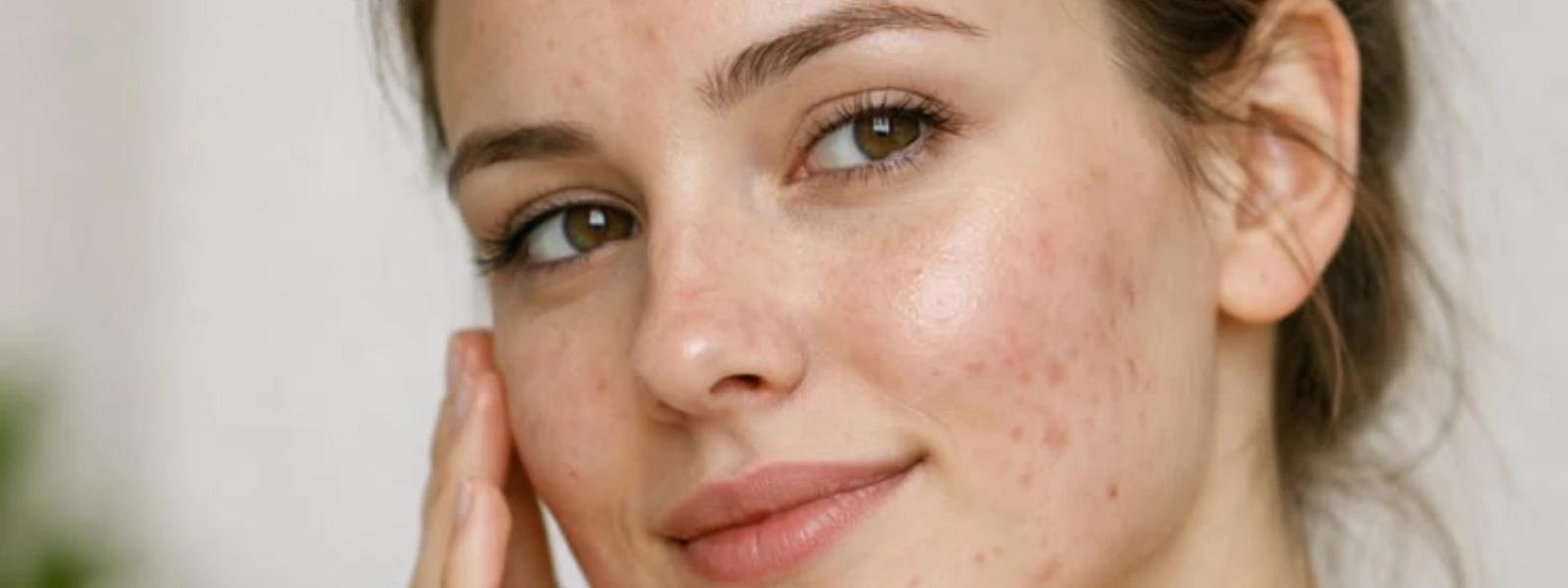

You've noticed those stubborn dark patches on your cheeks that seem to darken after every summer holiday. Or perhaps it's the lingering marks from last year's breakouts that refuse to fade, despite trying countless remedies. If you're dealing with uneven pigmentation, you're certainly not alone. Indian skin, with its beautiful range of tones, has unique characteristics that make it both resilient and reactive when it comes to pigmentation patterns.
Indian skin types contain higher levels of melanin compared to lighter skin tones, which provides natural protection against UV damage but also makes the skin more reactive to triggers. This increased melanin production means that any inflammation, hormonal change, or sun exposure can lead to hyperpigmentation Indian skin concerns that persist longer than expected.
The melanin in Indian skin is predominantly eumelanin, which gives the rich brown tones their depth and provides excellent natural SPF protection. However, this same protective mechanism can work against us when melanocytes become overactive, producing excess pigment in response to various triggers.
Post-inflammatory hyperpigmentation (PIH) is perhaps the most common concern, appearing as dark spots after acne, cuts, or any skin injury. Melasma presents as symmetrical patches, often triggered by hormonal changes during pregnancy or while taking oral contraceptives. Solar lentigines develop from cumulative sun exposure, whilst periorbital hyperpigmentation creates those persistent dark circles that seem immune to concealer.
The causes of skin discoloration Indian skin experiences are multifaceted and often interconnected. Understanding these triggers helps in both treatment and prevention strategies.
Sun exposure remains the primary culprit. Even with natural melanin protection, Indian skin can develop uneven pigmentation from UV damage, particularly in areas like the forehead, cheeks, and upper lip. The intense Indian sun, combined with outdoor lifestyles, creates perfect conditions for pigmentation development.
Hormonal fluctuations play a significant role, especially in women. Pregnancy, PCOS, thyroid disorders, and hormonal contraceptives can all trigger melasma and other pigmentation patterns. These hormones stimulate melanocyte activity, leading to those frustrating patches that seem to appear overnight.
Inflammation from acne, eczema, or even aggressive skincare routines can leave lasting marks. Indian skin's reactive nature means that even minor inflammation can result in significant pigmentation that takes months to fade naturally.
The higher melanin content that gives Indian skin its beautiful tones also makes it more reactive to triggers. Melanocytes in darker skin types are naturally more active and sensitive to stimulation. Additionally, the skin barrier in Indian skin types can be more susceptible to environmental stressors like pollution, which is particularly relevant in urban Indian environments.
Treating Indian skin pigmentation issues requires a gentle yet consistent approach. The key is patience and the right combination of ingredients that work with, not against, your skin's natural characteristics.
Gentle cleansing forms the foundation. Harsh scrubbing or aggressive cleansers can trigger more inflammation and worsen pigmentation. Look for cream or gel cleansers that remove impurities without stripping the skin.
Strategic exfoliation with AHAs like glycolic or lactic acid can help accelerate cell turnover, gradually fading dark spots. However, Indian skin often responds better to lower concentrations used consistently rather than high-strength treatments that might cause irritation.
Targeted serums containing ingredients like niacinamide, vitamin C, or kojic acid can help regulate melanin production. Niacinamide is particularly effective for Indian skin as it's gentle yet effective at reducing inflammation and controlling pigment production.
Chemical peels designed for darker skin tones can be effective, but they require expertise to avoid post-inflammatory hyperpigmentation. Laser treatments need careful consideration, as some lasers can actually worsen pigmentation in Indian skin. Always consult dermatologists experienced with treating darker skin tones.
When it comes to pigmentation treatment for brown skin, safety must come first. Many traditional lightening agents can be too harsh for Indian skin, potentially causing more harm than good.
Vitamin C in stable forms like magnesium ascorbyl phosphate works well for Indian skin, providing antioxidant protection whilst gently inhibiting melanin production. Kojic acid and arbutin offer natural alternatives to hydroquinone, working gradually to fade existing pigmentation.
Azelaic acid deserves special mention for Indian skin. It's anti-inflammatory, antimicrobial, and helps with both acne and pigmentation - making it ideal for those dealing with both concerns simultaneously.
Avoid harsh bleaching agents or high-concentration acids that promise quick results. These can often backfire in Indian skin, causing irritation that leads to more pigmentation. Mercury-containing products, sometimes found in unregulated skin lightening creams, should be completely avoided due to serious health risks.
Melasma Indian skin patterns often appear as symmetrical patches on the cheeks, forehead, bridge of the nose, and upper lip. This condition is notoriously stubborn and requires long-term management rather than quick fixes.
Hormonal triggers mean that melasma can worsen during pregnancy, with oral contraceptive use, or during hormonal therapy. The key is consistent sun protection and gentle, sustained treatment with appropriate ingredients.
Combination therapy often works best - using vitamin C in the morning, a gentle retinoid at night, and religious sun protection throughout the day. Some find that natural ingredients like liquorice extract or mulberry extract provide gentle lightening effects without irritation.
Whilst topical treatments are important, addressing Indian skin tone problems also involves looking at the bigger picture. Antioxidant-rich foods like berries, leafy greens, and turmeric can support skin health from within.
Traditional Indian ingredients like turmeric, when used correctly, can provide gentle anti-inflammatory benefits. However, be cautious with DIY treatments - lemon juice, for instance, can actually increase photosensitivity and worsen pigmentation if used before sun exposure.
Stress management plays a crucial role, as chronic stress can worsen hormonal imbalances that trigger pigmentation. Regular sleep, adequate hydration, and stress reduction techniques all contribute to healthier, more even-toned skin.
Preventing new pigmentation is often easier than treating existing concerns. SPF is non-negotiable - choose broad-spectrum protection of at least SPF 30, and reapply every two hours when outdoors. Tinted sunscreens can provide additional protection against visible light, which can also trigger pigmentation in darker skin tones.
Building a consistent routine with gentle, proven ingredients helps maintain skin health and prevents new pigmentation from forming. The key is consistency rather than constantly switching products in search of faster results.
Complete removal isn't always realistic, but significant improvement is definitely achievable. The goal should be evening out skin tone and reducing the appearance of dark spots rather than expecting perfect uniformity. With consistent treatment, most people see substantial improvement within 3-6 months.
Higher melanin content makes Indian skin more reactive to triggers like inflammation, hormones, and sun exposure. Whilst this provides natural protection against UV damage, it also means that any stimulation can result in excess pigment production.
Some traditional ingredients like turmeric and liquorice can provide gentle benefits, but they're typically less potent than proven skincare ingredients. Home remedies work best as supportive treatments alongside a proper skincare routine rather than standalone solutions.
Indian skin typically takes 6-12 weeks to show noticeable improvement with consistent treatment. This is because skin cell turnover is slower in darker skin types, and melanin takes time to fade naturally. Patience and consistency are essential.
Heavy, comedogenic makeup can contribute to acne and subsequent post-inflammatory hyperpigmentation. Choose non-comedogenic products and ensure thorough cleansing each evening. Some makeup ingredients can also cause allergic reactions that lead to pigmentation.
Layering too many active ingredients can cause irritation and worsen pigmentation. Start with one treatment, allow your skin to adjust, then gradually introduce additional products if needed. Always patch test new combinations.
Understanding your skin's unique characteristics is the first step towards achieving the even, healthy complexion you're after. Indian skin's reactive nature means that gentle, consistent care often yields better results than aggressive treatments that promise quick fixes.
The journey to addressing pigmentation concerns requires patience, but with the right approach, significant improvement is absolutely achievable. Focus on prevention through diligent sun protection, treat existing concerns with proven ingredients, and remember that healthy skin is beautiful skin, regardless of its exact shade.
For those exploring new skincare solutions, platforms like Smytten Shop offer the opportunity to try products before committing to full sizes - particularly valuable when dealing with reactive skin that might not respond well to every ingredient. With over 28 million users discovering their perfect skincare matches, finding the right products for your unique pigmentation concerns becomes much more manageable.
