Understanding Melanin Rich Skin: Your FAQ Guide
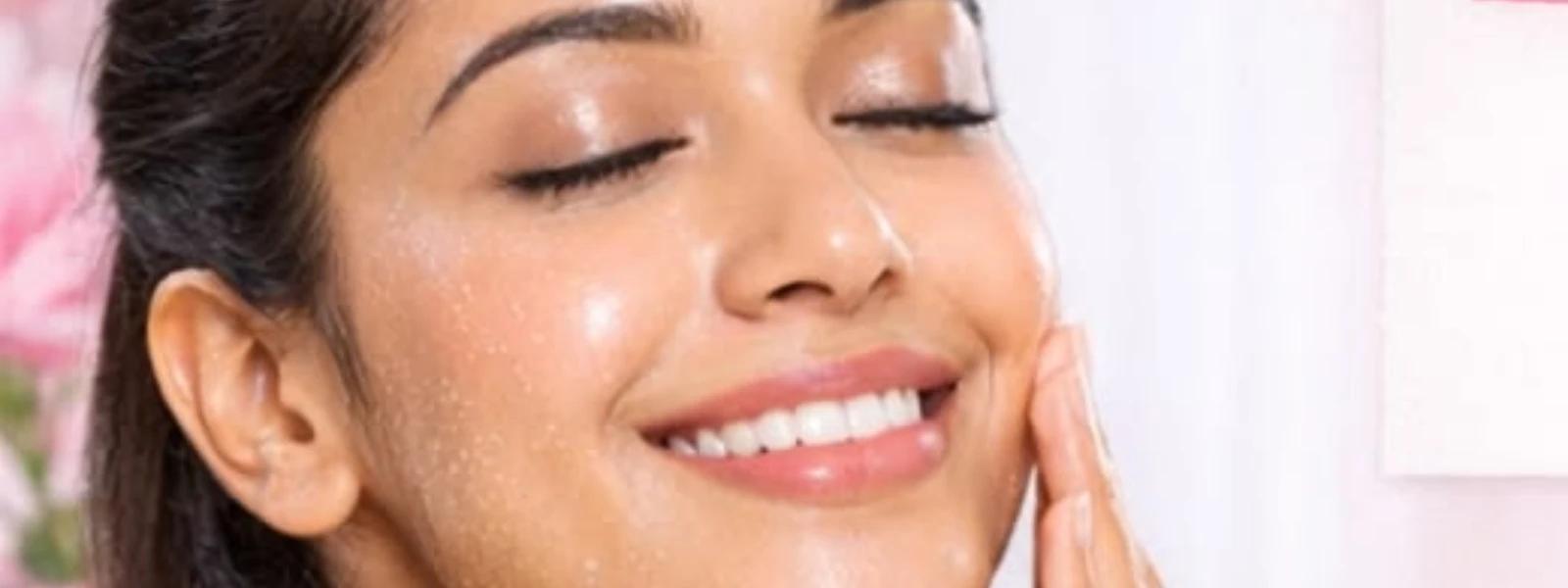

Ever wondered why your skin reacts differently to products than your friends with lighter skin tones? Or why that hyperpigmentation seems to linger longer despite trying countless treatments? You're not alone. Understanding melanin rich skin is the first step towards building a skincare routine that actually works for you. Whether you're dealing with stubborn dark spots, searching for the right SPF that doesn't leave a white cast, or simply want to understand your skin better, this guide answers the questions that matter most to your skin journey.
Melanin rich skin refers to skin that naturally produces higher levels of melanin, the pigment responsible for skin colour. This isn't just about having darker skin—it's about understanding how increased melanin production affects everything from sun sensitivity to how your skin heals and responds to treatments.
Melanin acts as your skin's natural defence system, providing built-in protection against UV damage. However, this same protective mechanism can sometimes work against you when it comes to hyperpigmentation treatment and achieving an even skin tone. When your skin experiences trauma—whether from acne, inflammation, or injury—melanocytes (melanin-producing cells) can go into overdrive, creating those persistent dark spots that seem impossible to fade.
Your skin contains two types of melanin: eumelanin (brown-black pigment) and pheomelanin (red-yellow pigment). Melanin rich skin typically has higher concentrations of eumelanin, which provides better UV protection but also means your skin responds more dramatically to inflammation and irritation.
Beyond colour, melanin rich skin conditions often include increased oil production, different aging patterns, and unique responses to skincare ingredients. You might notice that your skin tends to develop dark spots more easily but also shows fewer visible signs of sun damage like fine lines and wrinkles.
Determining whether you have melanin rich skin goes beyond simply looking in the mirror. Your skin's melanin content affects how it behaves, heals, and responds to products and treatments.
The most obvious indicator is your natural skin tone, but there are other signs to consider. Dark skin beauty encompasses a wide range of tones, from light olive to deep ebony. If you rarely burn in the sun, tend to develop dark spots after breakouts, or notice that certain skincare ingredients cause irritation more easily, you likely have melanin-rich skin.
Consider these factors when assessing your skin type:
Your skin's reaction to sun exposure (tanning vs. burning)
How quickly dark spots appear after acne or injury
Your family's skin tone and pigmentation patterns
How your skin responds to active ingredients like retinoids or acids
A dermatologist can provide a comprehensive skin analysis using tools that measure melanin density and distribution. This professional assessment helps create targeted treatment plans for skincare for skin of color that address your specific needs.
Melanin rich skin conditions often centre around pigmentation irregularities. While your natural melanin provides excellent sun protection, it can also create challenges when managing skin concerns like acne, inflammation, and hormonal changes.
Post-inflammatory hyperpigmentation (PIH) is perhaps the most common concern. Every spot, scratch, or breakout can potentially leave behind a dark mark that takes months to fade. Understanding this tendency helps you choose gentler products and treatments that won't trigger additional pigmentation.
Melasma appears as symmetrical brown patches, often triggered by hormonal changes or sun exposure. Unlike other forms of hyperpigmentation, melasma requires specific treatment approaches and consistent sun protection.
PIH develops after inflammation subsides, leaving behind dark spots where melanocytes produced excess pigment. This type of hyperpigmentation responds well to consistent treatment with brightening ingredients.
Acne treatment for dark skin requires a delicate balance. Aggressive treatments can worsen PIH, whilst gentle approaches might not effectively clear breakouts. The key lies in choosing anti-acne ingredients that won't trigger additional pigmentation.
Building an effective melanin skincare routine requires understanding how your skin responds to different ingredients and formulations. The goal isn't just treating existing concerns but preventing future pigmentation issues.
Your morning routine should focus on protection and gentle treatment. Start with a mild cleanser that won't strip your skin's natural oils, follow with treatment serums containing vitamin C or niacinamide, and always finish with broad-spectrum SPF. Evening routines can incorporate stronger actives like retinoids or AHAs, but introduce them gradually to avoid irritation.
Begin with gentle cleansing using a cream or oil-based cleanser that maintains your skin's moisture barrier. Apply treatment serums whilst your skin is still slightly damp to enhance absorption. Sun protection for dark skin remains crucial—choose formulas designed to avoid white cast whilst providing adequate protection.
Double cleansing removes makeup, SPF, and daily pollutants without over-stripping. This is when you can apply stronger treatments for hyperpigmentation treatment, but always follow with a nourishing moisturiser to support your skin barrier.
Choosing the right ingredients is crucial for melanin rich skin success. Some ingredients that work beautifully on lighter skin tones can cause irritation or paradoxical darkening in melanin-rich skin.
Niacinamide stands out as one of the best ingredients for melanin skin. This form of vitamin B3 helps regulate melanin production whilst reducing inflammation and controlling oil production. It's gentle enough for daily use and works synergistically with other brightening ingredients.
Vitamin C, particularly in stable forms like magnesium ascorbyl phosphate, helps fade existing dark spots whilst preventing new ones. Kojic acid and arbutin offer additional brightening benefits without the irritation potential of stronger ingredients like hydroquinone.
Lactic acid and mandelic acid provide gentle exfoliation that helps accelerate cell turnover without triggering PIH. These larger-molecule acids penetrate more slowly, reducing irritation risk whilst still delivering results.
Hyaluronic acid, ceramides, and squalane help maintain optimal hydration levels. Well-hydrated skin heals faster and is less prone to developing PIH after breakouts or irritation.
Effective hyperpigmentation treatment for melanin-rich skin requires patience and consistency. Unlike lighter skin tones that might see results in 4-6 weeks, melanin-rich skin often needs 3-6 months of consistent treatment to show significant improvement.
Melasma treatment presents unique challenges, as this condition often has hormonal triggers that make it prone to recurrence. Combining topical treatments with strict sun protection and sometimes professional interventions offers the best outcomes.
Chemical peels designed for darker skin tones use gentler acids at lower concentrations. Microneedling can help improve product penetration whilst stimulating collagen production, but requires experienced practitioners familiar with melanin-rich skin.
Consistent use of brightening serums, gentle exfoliation, and religious sun protection form the foundation of at-home treatment. Patience becomes your greatest asset—rushing the process with stronger treatments often backfires in melanin-rich skin.
The myth that dark skin doesn't need sun protection has caused countless cases of preventable hyperpigmentation and premature aging. Whilst melanin provides some natural SPF (roughly equivalent to SPF 4), it's insufficient for daily protection against UV-induced pigmentation.
Sun protection for dark skin requires formulas that blend seamlessly without leaving white residue. Modern mineral and chemical sunscreens offer excellent protection whilst complementing darker skin tones beautifully.
Look for broad-spectrum protection with at least SPF 30. Tinted sunscreens can provide additional coverage whilst ensuring no white cast. Chemical sunscreens often blend more seamlessly, whilst newer mineral formulas use micronised zinc oxide for better cosmetic elegance.
Protective clothing, wide-brimmed hats, and seeking shade during peak UV hours complement your topical sun protection. Remember that UV exposure can trigger melasma and worsen existing hyperpigmentation, making prevention crucial.
Results typically become visible after 8-12 weeks of consistent use, with significant improvement often taking 4-6 months. Melanin rich skin requires patience, as the same protective mechanisms that guard against UV damage also slow the fading of dark spots.
Yes, but introduction should be gradual. Start with lower concentrations 2-3 times weekly, always use SPF during the day, and consider retinyl palmitate or granactive retinoid for gentler options. Proper moisturising helps prevent the irritation that can trigger PIH.
Melasma appears as symmetrical patches, often on the cheeks, forehead, or upper lip, and has hormonal triggers. PIH develops after inflammation and appears as individual spots where breakouts or injuries occurred. Professional diagnosis helps determine the best treatment approach.
Consistent sun protection, gentle skincare practices, and prompt treatment of inflammation help prevent new dark spots. Avoid picking at breakouts, use anti-inflammatory ingredients like niacinamide, and maintain a consistent routine rather than frequently switching products.
Some natural ingredients like liquorice root, kojic acid (from fungi), and certain plant extracts show brightening properties. However, proven ingredients like niacinamide, vitamin C, and gentle acids typically provide more predictable results for even skin tone.
Consult a dermatologist if dark spots appear suddenly, change in size or colour, or don't respond to 3-4 months of consistent treatment. Professional guidance becomes essential for conditions like melasma or when considering stronger treatments.
Understanding melanin rich skin empowers you to make informed decisions about your skincare routine and treatment choices. Your skin's unique characteristics aren't obstacles to overcome but features to work with intelligently.
The key lies in patience, consistency, and choosing products formulated with your skin's needs in mind. Whether you're exploring new brands through platforms like Smytten Shop, where you can try products before committing to full sizes, or building your first targeted routine, remember that effective skincare for skin of color is about understanding your skin's language and responding appropriately.
Your melanin-rich skin deserves products and treatments that celebrate its unique beauty whilst addressing your specific concerns. With the right knowledge and approach, achieving healthy, radiant skin becomes not just possible but inevitable.
