Treating Uneven Body Texture FAQ: Your Questions Answered
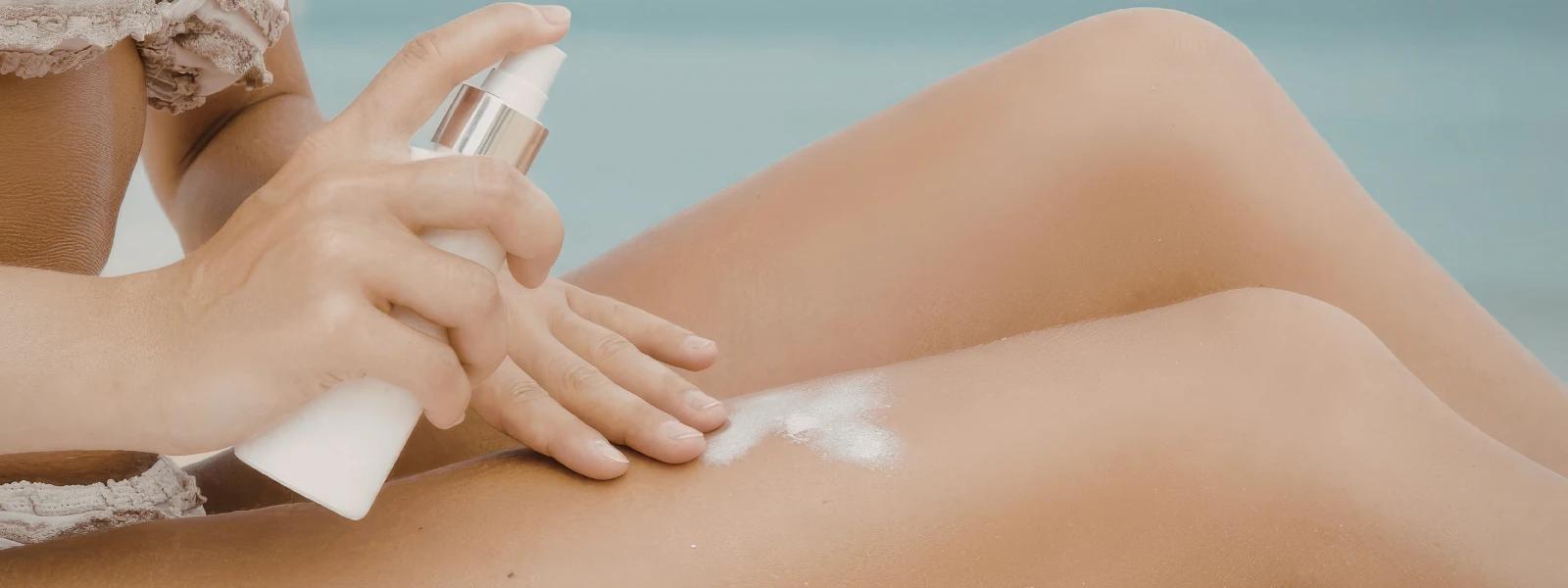


Even Skin Duo for Hyperpigmentation | Even-Tone Inner Thighs, Knees, Neck & Elbows | Works on High-Friction Zones | For All Skin Types
You've been there — running your hands over your arms and feeling those tiny bumps, or catching a glimpse of your legs in the mirror and wondering why they look so rough despite all your efforts. Uneven body texture affects nearly everyone at some point, from the stubborn keratosis pilaris on your upper arms to those frustrating ingrown hairs after shaving. The good news? Most texture issues are completely manageable with the right approach. Whether you're dealing with bumpy skin, rough patches, or post-shave irritation, understanding what's happening beneath the surface is the first step towards achieving that smooth skin you're after.
Your skin is constantly renewing itself, but sometimes this process goes a bit wonky. Body texture issues happen when dead skin cells don't shed properly, hair follicles get clogged, or your skin barrier becomes compromised.
Keratosis pilaris is probably the most common culprit — those small, rough bumps that feel like sandpaper on your upper arms, thighs, or bum. It happens when keratin builds up around hair follicles, creating tiny plugs. Ingrown hairs are another frequent offender, especially after shaving or waxing, when hair grows back into the skin instead of outward.
Dry, flaky patches often appear on areas like elbows, knees, and heels where skin is naturally thicker. Post-inflammatory hyperpigmentation can leave dark spots after bumps heal, whilst folliculitis creates inflamed, sometimes pus-filled bumps around hair follicles.
Genetics play a huge role — if your parents had keratosis pilaris, you're more likely to develop it too. Hormonal changes during puberty, pregnancy, or menopause can trigger texture issues. Environmental factors like dry air, harsh weather, and pollution can compromise your skin barrier, making texture problems worse.
Sometimes we're our own worst enemy. Over-cleansing with harsh soaps strips natural oils, whilst skipping moisturiser leaves skin rough and flaky. Even tight clothing that rubs against skin can cause irritation and bumpy skin.
The secret to treating uneven body texture lies in a three-pronged approach: gentle cleansing, regular exfoliation, and consistent moisturising. Think of it as training your skin to behave better over time.
Start with a gentle, non-stripping cleanser that won't disrupt your skin barrier. Look for creamy or oil-based formulas rather than harsh soaps. Exfoliation for body is crucial, but here's where many people go wrong — more isn't always better.
Chemical exfoliants like AHAs and BHAs work more effectively than physical scrubs for most texture issues. They dissolve the bonds between dead skin cells without the micro-tears that aggressive scrubbing can cause. Follow up with a rich moisturiser whilst your skin is still damp to lock in hydration.
 15 G
15 GAdvanced Spot Targeting Gel | Fast-Acting Discolouration Care | Targets Stubborn Marks | Spicules + Biomimetic Peptides + Arbutin | 15g
Glycolic acid and lactic acid are brilliant for skin smoothing — they're small enough to penetrate pores and dissolve buildup. Salicylic acid works particularly well for ingrown hairs because it's oil-soluble and can get deep into follicles.
Urea is a multitasker that exfoliates gently whilst providing intense hydration. Niacinamide helps strengthen your skin barrier and reduce inflammation, making it perfect for sensitive areas prone to irritation.
Most body texture issues respond well to consistent at-home care. However, if you're dealing with severe keratosis pilaris, persistent folliculitis, or texture issues that don't improve after 8-12 weeks of proper care, it's worth seeing a dermatologist.
Professional treatments like chemical peels, laser therapy, or prescription retinoids can provide faster results for stubborn cases. Just remember — even professional treatments require maintenance with a good home routine.
Creating an effective routine for treating uneven body texture doesn't have to be complicated. The key is consistency and patience — most people see noticeable improvements within 4-6 weeks.
Keep mornings simple with a gentle cleanser and lightweight moisturiser. If you're using active ingredients at night, your morning routine should focus on protection and hydration. A moisturiser with SPF is brilliant for exposed areas like arms and legs.
For areas prone to ingrown hairs, a light application of niacinamide serum can help prevent inflammation throughout the day.
This is when the magic happens. Start with your gentle cleanser, then apply your chosen exfoliant 2-3 times per week. On non-exfoliation nights, focus on hydration with a rich body cream or oil.
For keratosis pilaris treatment, apply your AHA or BHA product to clean, dry skin, wait 10-15 minutes, then follow with moisturiser. This waiting period allows the acid to work effectively before you dilute it.
Once a week, treat yourself to a more intensive body scrub session. Choose a gentle physical exfoliant with fine particles, or make your own with brown sugar and honey. Follow immediately with a deeply nourishing body mask or thick cream.
 30 ml
30 ml15% Vitamin C Face Serum | Brightens & Evens Skin Tone | Boosts Collagen & Firmness | Reduces Dark Spots | Vitamin C & E + Ferulic Acid | 30ml
For stubborn areas, you might layer a treatment serum under your regular moisturiser for extra oomph. Just be mindful not to overdo it — irritated skin often looks and feels worse than the original texture issues.
Different areas of your body have different needs when it comes to treating uneven body texture. What works on your arms might be too gentle for your heels or too harsh for your chest.
Upper arms are the classic keratosis pilaris zone. These bumps respond brilliantly to consistent AHA treatment — try a lactic acid body lotion applied daily after showering. The key is patience; it can take 2-3 months to see significant improvement.
Avoid picking or scrubbing aggressively, as this can lead to scarring and hyperpigmentation. Instead, focus on gentle, consistent care with ingredients like urea and glycolic acid.
For smooth skin on legs, prevention is better than cure. Exfoliate 24-48 hours before shaving, use a sharp razor with plenty of lubrication, and shave in the direction of hair growth. Post-shave, apply a salicylic acid treatment to prevent ingrown hairs.
If you're already dealing with bumps, resist the urge to pick. Instead, use a gentle BHA treatment daily and consider switching to alternative hair removal methods like epilating or laser treatments.
These hard-to-reach areas often develop texture issues due to sweat, friction from clothing, and difficulty with proper cleansing. A long-handled brush or applicator can help you reach these spots with treatment products.
Salicylic acid body washes work brilliantly here, as they can penetrate pores whilst you're in the shower. Follow up with a lightweight, non-comedogenic moisturiser to prevent dryness.
Most people notice initial improvements within 2-4 weeks of consistent treatment, with significant changes visible after 6-8 weeks. Keratosis pilaris can be particularly stubborn and may take 3-4 months to show dramatic improvement. The key is patience and consistency — your skin needs time to complete several renewal cycles.
 100ml
100mlFace Wash for Dark Spots & Marks | Alpha Arbutin + Kojic Acid | Evens Skin Tone | Non-Stripping Gentle Formula | For All Skin Types | 100ml
Generally, yes, but body skin is typically less sensitive than facial skin, so you might need stronger concentrations for effective body texture treatment. Many people find that AHA products formulated specifically for the body work better than facial versions because they're designed for thicker, more resilient skin.
This is completely normal when starting exfoliation for body treatments. Your skin is purging built-up dead cells and debris, which can temporarily make texture issues more noticeable. This usually resolves within 2-3 weeks. If irritation persists or worsens after a month, you may need to reduce frequency or switch to gentler products.
Daily physical exfoliation is generally too harsh and can damage your skin barrier, leading to increased sensitivity and potentially worse texture issues. Stick to 2-3 times per week for body scrub treatments, and consider alternating between physical and chemical exfoliation for best results.
Absolutely. Dehydration shows up quickly in skin texture, making it appear rough and flaky. Foods high in omega-3 fatty acids, vitamins A, C, and E can support skin smoothing from the inside out. Some people find that dairy or high-glycemic foods worsen their keratosis pilaris or body acne.
Uneven skin texture refers to the physical feel and appearance of bumps, roughness, or raised areas. Uneven skin tone involves discolouration, dark spots, or hyperpigmentation. Many treatments overlap — AHAs can improve both texture and tone — but tone issues often require additional ingredients like vitamin C or hydroquinone.
For chemical exfoliants, wait 10-15 minutes before applying moisturiser to allow the active ingredients to work effectively. For physical body scrub treatments, apply moisturiser immediately whilst skin is still damp to lock in hydration and soothe any irritation.
Treating uneven body texture is absolutely achievable with the right approach and realistic expectations. Remember that your skin didn't develop these issues overnight, and it won't transform overnight either. The most effective strategy combines gentle, consistent exfoliation with proper hydration and protection.
Start slowly with one new product at a time, and give each treatment at least 6-8 weeks to show results. Whether you're dealing with keratosis pilaris, ingrown hairs, or general roughness, the principles remain the same: be patient, be consistent, and be gentle with your skin.
If you're ready to explore targeted treatments for your specific texture concerns, platforms like Smytten Shop offer curated selections from trusted brands, allowing you to discover what works for your skin without the guesswork. With their sample programme, you can try different approaches risk-free, building confidence in your routine before committing to full-sized products. Your journey to smooth skin starts with understanding your skin's needs and responding with consistent, thoughtful care.
