The Ultimate Hyperpigmentation Tips for Beginners Checklist
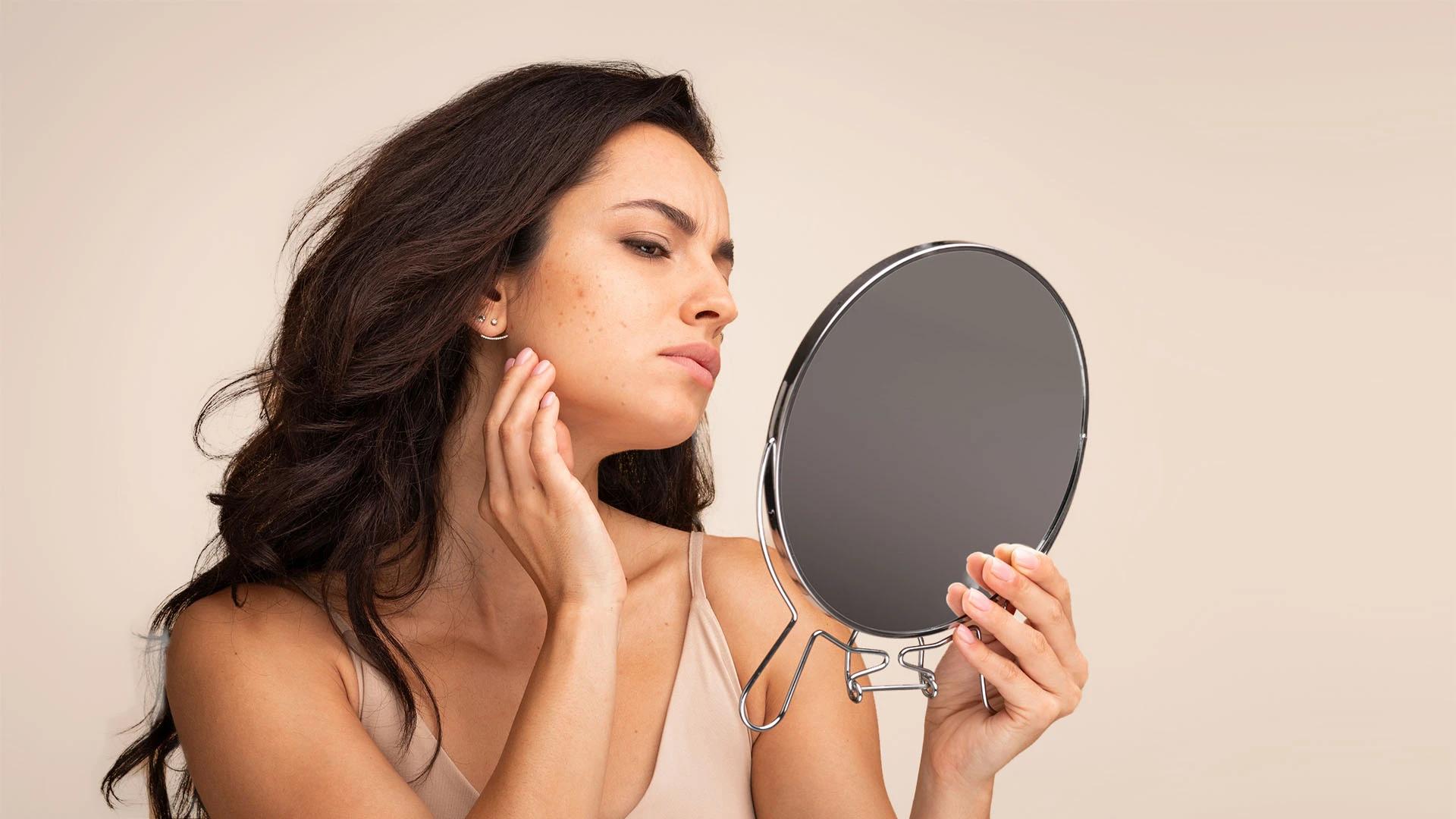

You've noticed those stubborn dark patches that seem to have appeared overnight, or perhaps you're dealing with marks left behind from last summer's breakouts. Hyperpigmentation affects nearly everyone at some point, yet it remains one of the most misunderstood skin concerns. Whether you're staring at melasma patches, old acne marks, or sun damage, the good news is that with the right approach, you can achieve the even skin tone you're after. Let's break down everything you need to know about tackling dark spots safely and effectively.
Hyperpigmentation is simply your skin producing more melanin than it should in certain areas, creating those darker patches that stand out against your natural skin tone. Unlike normal variations in skin colour, these spots are distinctly different from your surrounding skin and often have defined edges.
The most common types you'll encounter include melasma (those symmetrical patches often triggered by hormones), sunspots (flat brown spots from UV damage), and PIH or post-inflammatory hyperpigmentation (the marks left behind after spots or injuries heal). Understanding which type you're dealing with helps determine the most effective hyperpigmentation treatment approach.
Skin discoloration causes vary widely, but the main culprits include hormonal changes (particularly during pregnancy or when starting new contraception), sun exposure without adequate protection, acne or injury inflammation, and natural ageing. Darker skin tones face additional challenges, as inflammation can trigger more intense pigmentation responses, making prevention absolutely crucial.
Your skin produces melanin as a protective response to various triggers. When your melanocytes (pigment-producing cells) go into overdrive, they create those concentrated dark areas we see as spots or patches. This process can be triggered by UV exposure, hormonal fluctuations, or inflammation from breakouts.
The key to effective dark spots removal lies in understanding that prevention is far easier than treatment. Once melanin has been deposited in the deeper layers of your skin, it takes time and consistent effort to encourage cell turnover and fade dark spots naturally. This is why incorporating sun protection from day one is non-negotiable, regardless of which treatments you choose.
The world of hyperpigmentation treatment can feel overwhelming, but starting with proven, gentle ingredients gives you the best foundation for success. Your approach should always prioritise skin barrier health whilst addressing pigmentation concerns.
Vitamin C serums offer excellent skin brightening benefits by inhibiting melanin production and providing antioxidant protection. Niacinamide works beautifully for most skin types, reducing inflammation whilst gently evening skin tone. Retinol accelerates cell turnover, helping to bring newer, more evenly pigmented skin to the surface, whilst alpha hydroxy acids provide gentle exfoliation that supports this process.
Chemical peels, microneedling, and laser treatments can accelerate results, but they're not always necessary for beginners. These treatments work best when your skin is already accustomed to active ingredients and when you have realistic expectations about downtime and results.
Creating an effective hyperpigmentation skincare routine doesn't require dozens of products. Success comes from consistency with a few well-chosen ingredients that work synergistically to address your specific concerns.
Start with a gentle cleanser that won't strip your skin, follow with a vitamin C serum for antioxidant protection and skin brightening, then apply a broad-spectrum SPF 30 or higher. This simple routine provides the foundation for preventing new dark spots whilst supporting your evening treatments.
Your evening routine is where the real work happens. After cleansing, apply treatment serums like niacinamide or retinol (start slowly with retinol), then seal everything in with a nourishing moisturiser. This is when your skin does its repair work, making it the perfect time to fade dark spots with targeted treatments.
Gentle exfoliation once or twice weekly helps accelerate cell turnover without causing irritation. Melasma solutions often benefit from consistent, gentle approaches rather than aggressive treatments that might trigger more pigmentation.
Having a structured approach prevents overwhelm and helps you track what's working for your skin. This checklist ensures you're building habits that support long-term success with your hyperpigmentation treatment journey.
Patch test any new products on your inner arm before applying to your face
Establish a consistent SPF routine - this is your most important step
Begin gentle cleansing morning and evening
Take baseline photos in natural light to track progress
Research products available through platforms that let you try before committing
Add a vitamin C serum to your morning routine
Introduce gentle exfoliation once weekly
Monitor your skin's response to new ingredients
Adjust routine frequency based on how your skin feels
Continue documenting progress with weekly photos
Consider adding retinol to your evening routine (start twice weekly)
Evaluate whether professional treatments might benefit your specific concerns
Track progress with monthly comparison photos
Refine your routine based on what's showing results
Research PIH treatment options if dealing with acne-related marks
Most people begin seeing improvements within 6-8 weeks of consistent treatment, with significant results typically visible after 3-4 months. PIH treatment often shows faster results than melasma solutions, which can take 6 months or longer to see substantial improvement.
It's best to introduce one active ingredient at a time, allowing your skin to adjust before adding others. Vitamin C in the morning and retinol in the evening is a safe combination for most people, but always start slowly and listen to your skin.
This is often due to increased cell turnover bringing deeper pigmentation to the surface, or mild irritation triggering temporary darkening. If spots become significantly darker or you experience persistent irritation, reduce treatment frequency or consult a dermatologist.
Some natural ingredients like vitamin C from citrus extracts and liquorice root can provide gentle skin brightening benefits. However, clinically proven ingredients typically offer more predictable and faster results for most people dealing with stubborn dark spots.
Your journey to even skin tone doesn't have to be complicated or expensive. The most effective hyperpigmentation tips for beginners focus on consistency, patience, and sun protection above all else. Whether you're dealing with sunspots, melasma, or PIH, the principles remain the same: gentle, consistent treatment combined with religious sun protection.
Remember that trying products before committing to full sizes can save you both money and disappointment. Platforms like Smytten Shop allow you to discover what works for your unique skin without the guesswork, helping you build an effective routine with confidence. With over 28 million users exploring curated beauty selections, you're joining a community that values informed choices over impulse purchases.
Your skin's journey is unique, and what works for others might need adjusting for you. Trust the process, document your progress, and celebrate the small improvements along the way. Skin brightening is a marathon, not a sprint, but with the right approach, you'll achieve the clear, even complexion you're working towards.
