The Ultimate Checklist: How to Get Rid of Hormonal Acne for Good
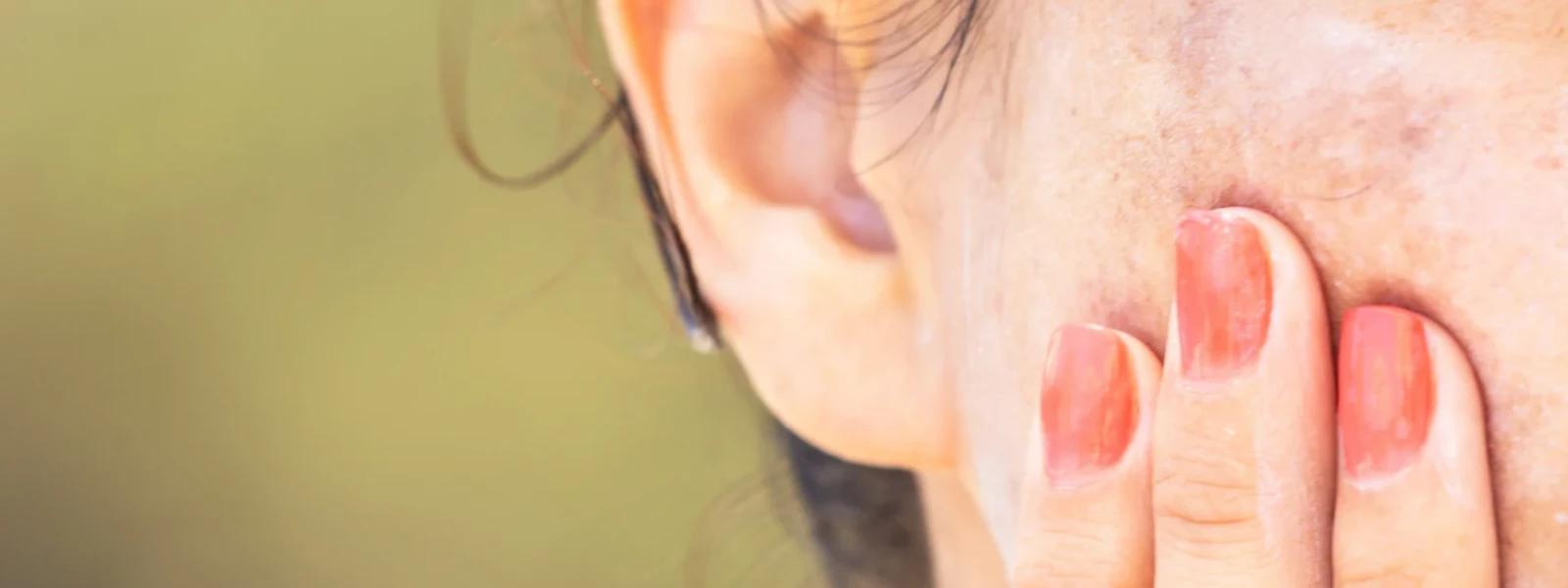

That familiar deep, painful bump along your jawline that seems to appear right before an important meeting? You're not alone. Hormonal acne affects millions of adults, particularly women, and unlike teenage breakouts, these stubborn cysts and inflamed spots require a completely different approach. Real talk: the skincare routine that worked at 16 won't cut it when your hormones are calling the shots. Understanding how to tackle hormonal acne means getting to the root of what's happening beneath your skin's surface.
Hormonal acne has distinct characteristics that set it apart from other types of breakouts. Unlike the scattered whiteheads and blackheads typical of teenage acne, hormonal breakouts tend to cluster around specific areas of your face. The telltale signs include deep, cystic bumps along the jawline, chin, and lower cheeks that feel tender to the touch and seem to take forever to heal.
The timing is equally revealing. Many people notice their acne breakouts follow a predictable pattern, worsening in the week before their period and sometimes continuing through the first few days of their cycle. This cyclical nature is one of the strongest indicators that hormones are the primary culprit behind your skin concerns.
Cystic acne presents as large, inflamed bumps that sit deep under the skin. Unlike surface-level pimples, these lesions rarely come to a head and can persist for weeks. The affected areas often feel warm and painful, and the surrounding skin may appear red or purple.
Adult acne solutions are increasingly needed as more people experience breakouts well into their twenties, thirties, and beyond. Women with PCOS (polycystic ovary syndrome) are particularly susceptible to persistent hormonal acne due to elevated androgen levels.
Understanding the acne causes behind hormonal breakouts requires looking at the complex interplay of hormones, lifestyle factors, and genetics. Hormone imbalance acne typically stems from fluctuations in androgens, particularly testosterone and its derivative DHT (dihydrotestosterone), which stimulate oil production in your sebaceous glands.
During certain phases of your menstrual cycle, pregnancy, or times of stress, these hormone levels can spike dramatically. The result? Your skin produces excess sebum, which combines with dead skin cells to clog pores and create the perfect environment for inflammation.
Androgen fluctuations during menstrual cycles
Insulin resistance from high-glycemic foods
Cortisol spikes from chronic stress
PCOS and thyroid disorders
Birth control changes or medication effects
Beyond hormones, certain foods and habits can exacerbate acne breakouts. Dairy products and high-glycemic foods like white bread and sugary snacks can trigger insulin spikes that ultimately affect hormone levels and oil production.
When over-the-counter products aren't enough, prescription hormonal acne treatment options can provide significant relief. These medications work by either regulating hormone levels directly or targeting the inflammatory response that creates those painful cysts.
Spironolactone has become a game-changer for many adults struggling with persistent breakouts. This medication blocks androgen receptors, effectively reducing the hormone's ability to stimulate oil production. Most people start seeing improvements within 6-8 weeks, with optimal results appearing after 3-4 months of consistent use.
Certain birth control pills can help regulate hormone fluctuations that contribute to acne breakouts. Pills containing both oestrogen and progestin work by suppressing androgen production and stabilising hormone levels throughout your cycle.
Cystic acne remedies often include prescription retinoids like tretinoin or adapalene. These vitamin A derivatives help normalise skin cell turnover, preventing the formation of comedones and reducing inflammation over time.
Building an effective skincare for hormonal acne routine requires patience and the right combination of active ingredients. Unlike quick fixes that promise overnight results, managing hormonal breakouts is about consistent, gentle care that supports your skin's natural healing process.
Benzoyl peroxide remains one of the most effective ingredients for killing acne-causing bacteria. Start with a 2.5% concentration to minimise irritation, and gradually increase if needed. This ingredient works particularly well for inflammatory acne and can help prevent new breakouts from forming.
Salicylic acid for gentle pore-clearing
Niacinamide to control oil and reduce inflammation
Azelaic acid for its anti-inflammatory properties
Hyaluronic acid for hydration without clogging pores
When using multiple actives, timing matters. Apply salicylic acid products in the evening, followed by a gentle moisturiser. In the morning, focus on niacinamide and always finish with broad-spectrum SPF to protect healing skin.
Sometimes adult acne solutions require professional intervention, particularly for severe cystic breakouts that don't respond to topical treatments. Dermatologists offer several in-office procedures that can accelerate healing and prevent scarring.
Chemical peels using salicylic acid or glycolic acid can help unclog pores and reduce inflammation. These treatments are typically performed every 4-6 weeks and can significantly improve skin texture over time.
For persistent cystic acne, steroid injections can provide rapid relief. These injections reduce inflammation within 24-48 hours, making them ideal for emergency situations like important events or when cysts become particularly painful.
Blue light therapy targets acne-causing bacteria, whilst certain laser treatments can help reduce acne inflammation and promote healing. These treatments work best as part of a comprehensive approach rather than standalone solutions.
Achieving lasting clear skin tips often involves addressing the whole picture, not just what you put on your face. Your diet, stress levels, and daily habits all play crucial roles in managing hormonal acne.
Consider reducing dairy and high-glycemic foods, which can trigger insulin spikes that affect hormone levels. Instead, focus on anti-inflammatory foods like fatty fish, leafy greens, and berries that support overall skin health.
Regular exercise to balance hormones naturally
Adequate sleep (7-9 hours) for hormone regulation
Meditation or mindfulness practices
Consistent sleep schedule to support circadian rhythms
Zinc supplements may help reduce inflammation and support skin healing. Omega-3 fatty acids can also help manage inflammation, whilst spearmint tea has shown promise in reducing androgen levels in some studies.
Knowing when to seek professional help for hormonal acne treatment can prevent scarring and emotional distress. If you've been consistent with a gentle skincare routine for 8-12 weeks without improvement, it's time to consult a dermatologist.
Certain warning signs require immediate professional attention: cysts that are extremely painful, signs of infection (increased redness, warmth, or pus), or any breakouts that are causing significant scarring or hyperpigmentation.
Track your breakout patterns for at least one menstrual cycle before your appointment. Note when breakouts occur, their severity, and any potential triggers you've identified. This information helps dermatologists develop the most effective treatment plan.
Most hormonal acne treatment options require 12-16 weeks to show significant improvement. Prescription medications like spironolactone may take 3-6 months to reach full effectiveness, so patience is essential.
Whilst there's no overnight cure, combining targeted spot treatments with benzoyl peroxide, maintaining a consistent skincare routine, and addressing underlying hormone imbalances through diet and stress management can accelerate improvement. For severe cysts, dermatologist-administered steroid injections can provide rapid relief within 24-48 hours.
Yes, with proper treatment combining prescription medications when necessary, targeted skincare, and lifestyle modifications, most people achieve significant long-term improvement. However, some individuals may need ongoing maintenance therapy to prevent recurrence, particularly if underlying conditions like PCOS are present.
High-glycemic foods like white bread, sugary snacks, and processed foods can spike insulin levels, affecting hormone balance. Dairy products may also trigger breakouts in some people due to naturally occurring hormones. Focus on anti-inflammatory foods like fatty fish, leafy greens, and low-glycemic options.
Most treatments require 12-16 weeks for visible improvement. Topical treatments typically show initial results in 6-8 weeks, whilst oral medications like spironolactone may take 3-4 months to reach full effectiveness. Consistency is crucial during this period.
Managing hormonal acne successfully requires patience, consistency, and often a multi-faceted approach. Remember that what works for one person may not work for another, and finding your ideal routine may take time. The key is starting with gentle, proven ingredients and building from there.
Your skin will notice when you're consistent with the right approach. Whether you're exploring new products through platforms like Smytten Shop, where you can try samples before committing to full sizes, or working with a dermatologist on prescription options, the most important step is simply starting. With over 28 million users discovering their perfect skincare matches, you're certainly not alone in this journey towards clearer, healthier skin.
