The Ultimate Checklist for Treating Dark Spots on Face


Dark Spot Reduction Set | 3-Step Routine for Hyperpigmentation & Even Skin Tone | Cleanser, Serum & Moisturizer | Skin Care Routine Kit
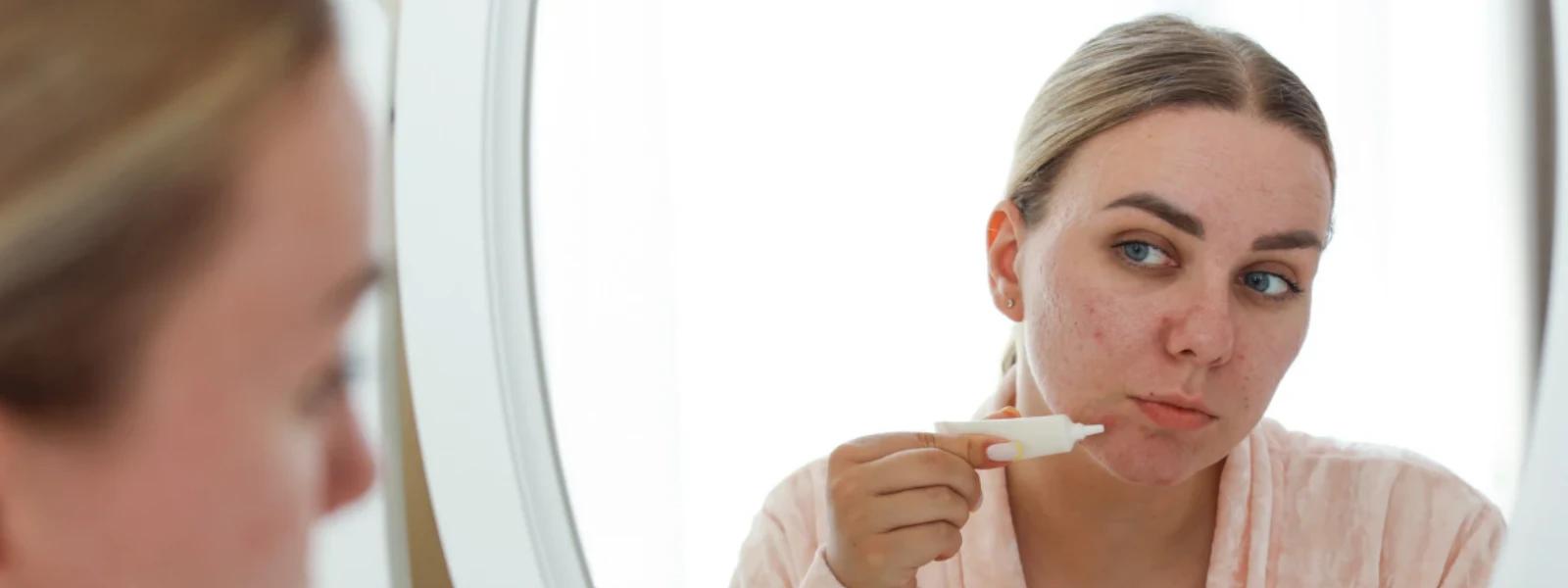
You've noticed those stubborn dark spots staring back at you in the mirror, and you're wondering where they even came from. Whether it's that post-acne mark that's overstayed its welcome or sun damage from last summer's holiday, dark spots have a way of making us feel self-conscious about our skin. The good news? You're not stuck with them forever. With the right approach and a bit of patience, you can fade these unwanted visitors and reclaim your confidence.
Before diving into treatments, it's worth understanding what you're dealing with. Dark spots, also known as hyperpigmentation, occur when your skin produces excess melanin in certain areas. Think of melanin as your skin's natural defence mechanism – it's trying to protect itself, but sometimes it gets a bit overzealous.
These spots don't just appear randomly. They have favourite locations where they love to set up camp, and understanding the causes helps you tackle them more effectively.
Your face is prime real estate for dark spots on face, particularly around your cheeks, forehead, and the delicate area around your eyes. But they're not limited to your face – your hands, arms, shoulders, and décolletage are also common targets, especially if you're someone who spends time outdoors.
The main culprits behind skin discoloration causes include UV damage from sun exposure, which is probably the biggest offender. Post-inflammatory hyperpigmentation from acne is another major player – those angry breakouts leave behind dark reminders long after the spots have healed. Hormonal changes, particularly during pregnancy or when taking certain medications, can trigger melasma. Age-related pigmentation naturally develops over time, whilst any skin injury or inflammation can potentially leave a dark mark behind.
Not all dark spots are created equal. Age spots, also called solar lentigines, are flat brown spots that develop from years of sun exposure. Post-acne marks are those frustrating reminders of past breakouts. Melasma appears as larger, symmetrical patches often triggered by hormones. Freckles and sun spots are smaller, scattered pigmentation that tends to be genetic or sun-related.
When you're serious about dark spot removal, professional treatments can offer faster and more dramatic results than at-home options. The key is knowing where to go and what to expect from each type of treatment.
Professional treatments work by either removing the top layers of pigmented skin or breaking down the melanin deposits beneath the surface. They're particularly effective for stubborn spots that haven't responded to topical treatments.
Board-certified dermatologists offer the most comprehensive hyperpigmentation treatment options. Chemical peels using glycolic acid, salicylic acid, or TCA can dramatically improve skin texture and fade spots over a series of treatments. Laser treatments like IPL (Intense Pulsed Light) and Q-switched lasers target pigment directly, breaking it down so your body can naturally eliminate it. Microneedling combined with vitamin C or other brightening serums can also be highly effective.
Licensed aesthetic centres offer photofacials and light therapy treatments that can be gentler than medical-grade procedures whilst still delivering results. Microdermabrasion provides physical exfoliation to remove surface pigmentation. Many centres now offer combination therapy approaches that address multiple skin concerns simultaneously, which can be more cost-effective in the long run.

Target & Fade Duo for Hyperpigmentation | Even-Tone Underarms, Inner Thighs & Bum | Refines Skin Texture | For All Skin Types
Always verify credentials when seeking professional treatment. Look for board-certified dermatologists or licensed aestheticians working under medical supervision. During your consultation, a good provider will assess your skin type, discuss realistic expectations, and create a personalised treatment plan rather than pushing a one-size-fits-all approach.
The beauty of topical treatments is that you can start addressing dark spots from the comfort of your own home. The key is choosing products with proven ingredients and using them consistently.
When shopping for a best dark spot serum, look beyond marketing claims and focus on the ingredient list. The most effective formulations combine multiple active ingredients that work synergistically to fade pigmentation.
Hydroquinone remains the gold standard for pigmentation treatment, available in 2% concentrations over-the-counter or 4% by prescription. Kojic acid and arbutin offer gentler alternatives with similar melanin-inhibiting properties. Vitamin C in forms like L-ascorbic acid or magnesium ascorbyl phosphate provides antioxidant protection whilst brightening existing spots. Retinoids, including tretinoin, retinol, and adapalene, accelerate cell turnover to reveal fresh, unblemished skin. Niacinamide and azelaic acid are excellent for sensitive skin types, offering gentle yet effective pigmentation control.
Dark spot correctors come in various formulations to suit different skin types and concerns. Prescription treatments offer the highest concentrations of active ingredients for stubborn pigmentation. Over-the-counter serums provide accessible options for mild to moderate spots. Combination products that include multiple actives can be more convenient, whilst gentle formulations cater to those with sensitive skin who still want effective results.
Proper application is crucial for both safety and effectiveness. Always apply treatments to clean, dry skin and follow with a moisturiser if needed. Sun protection is non-negotiable when using any pigmentation treatment, as many ingredients can increase photosensitivity. Start with patch testing new products and introduce them gradually to avoid irritation.
Whilst professional treatments and targeted serums offer the fastest results, natural methods can complement your routine and provide gentle support for your skin's healing process.
Natural treatments work more slowly than their clinical counterparts, but they're often gentler and can be particularly beneficial for those with sensitive skin or those preferring a more holistic approach.
Vitamin C from natural sources like rosehip oil can provide gentle brightening effects. Licorice root extract contains glabridin, which has been shown to inhibit melanin production. Green tea's antioxidants help protect against further damage whilst supporting skin healing. Aloe vera offers soothing properties that can help calm inflammation and support the skin's natural repair processes.

Mineral Sunscreen SPF 50 | Matte Finish | No White Cast | Non-Nano Zinc Oxide | Cica | Pregnancy Safe | All Skin Types | 50ml
For post-acne marks, gentle DIY treatments can be helpful additions to your routine. Turmeric mixed with honey creates an anti-inflammatory mask that may help fade pigmentation over time. Tomato contains lycopene and vitamin C, which can be beneficial when combined with yogurt's lactic acid. Rice water has been used traditionally for skin brightening, though scientific evidence is limited. Be cautious with lemon juice – whilst it contains vitamin C, it can also increase photosensitivity and cause irritation.
Natural treatments typically require 3-6 months of consistent use to show noticeable improvements. They work best for mild pigmentation and as preventive measures rather than for treating severe dark spots. Always prioritise safety over speed – natural doesn't always mean gentle, and some ingredients can cause sensitivity reactions.
The most effective approach to uneven skin tone solutions involves creating a comprehensive routine that addresses both treatment and prevention. Consistency is more important than using the most expensive products.
A well-structured routine should include morning protection, evening treatment, and weekly maintenance steps. The key is building habits that you can maintain long-term rather than attempting an overly complicated regimen that you'll abandon after a few weeks.
Your morning routine should focus on protection. Start with a gentle cleanser, apply your treatment serum if it's photostable, follow with moisturiser, and finish with broad-spectrum SPF 30 or higher. Evening routines are for treatment and repair – cleanse thoroughly, apply your active ingredients like retinoids or vitamin C, and seal everything in with a nourishing moisturiser. Weekly exfoliation with gentle acids can help accelerate cell turnover and improve product absorption.
Sun spots treatment requires diligent sun protection to prevent new spots whilst treating existing ones. Apply broad-spectrum sunscreen daily, regardless of weather or season. Reapply every two hours when outdoors, and don't forget often-missed areas like your ears, neck, and hands. Protective clothing, wide-brimmed hats, and seeking shade during peak UV hours (10 AM to 4 PM) provide additional protection.
The most effective results often come from combining professional treatments with consistent at-home care. For example, you might have a chemical peel every few months whilst using a vitamin C serum daily. Always check ingredient compatibility – some combinations can cause irritation or reduce effectiveness. Introduce new treatments gradually and monitor your skin's response carefully.
Understanding realistic timelines helps manage expectations and keeps you motivated during your treat dark spots journey. Dark spot treatment is a marathon, not a sprint, and patience is your best friend.
The speed of results depends on several factors: the depth and age of the pigmentation, your skin type, the treatment method, and how consistently you follow your routine. Surface-level pigmentation typically responds faster than deeper, older spots.
Mild hyperpigmentation often shows improvement within 6-12 weeks of consistent treatment. Moderate dark spots typically require 3-6 months to see significant fading. Severe pigmentation, particularly melasma or very old sun damage, may take 6-12 months or longer. Factors that affect treatment speed include your skin's natural cell turnover rate, the specific ingredients you're using, and environmental factors like sun exposure.

Salicylic Acid Face Cleanser | Deep Cleansing Formula for Breakouts | Unclogs Pores & Controls Oil | For Oily & Acne-Prone Skin | 100ml
Take photos in consistent lighting conditions to track your progress objectively. Look for gradual lightening of spots, improved overall skin tone, and reduced contrast between pigmented and normal skin. If you're not seeing improvement after 8-12 weeks of consistent use, it may be time to adjust your approach or consult a professional. Sometimes spots may appear darker initially as deeper pigmentation surfaces – this is normal and often indicates the treatment is working.
Prevention is always easier than treatment. Maintain your sun protection habits year-round, not just during summer. Address acne promptly to prevent post-inflammatory hyperpigmentation. Consider seasonal adjustments to your routine – you might need stronger protection during summer months or more intensive treatments during winter when sun exposure is reduced.
Dark spots typically develop on sun-exposed areas like the face, hands, shoulders, and arms. They're caused by UV damage, hormonal changes, acne inflammation, and natural ageing processes that trigger excess melanin production. The face is particularly susceptible, especially areas like the cheeks, forehead, and around the eyes.
Many dark spots can fade dark spots significantly or disappear entirely with proper treatment. Surface-level pigmentation responds better than deeper melasma or very old sun damage. Consistency with treatment and sun protection is crucial for optimal results. Some spots may lighten considerably but not disappear completely, which is still a significant improvement.
Post-acne dark spots can be treated with vitamin C serums, gentle exfoliation with AHAs, niacinamide, and natural ingredients like licorice extract or green tea. Professional treatments like chemical peels can accelerate the process. The key is patience and consistency, as natural methods typically take several months to show results.
Start with gentle ingredients like vitamin C, niacinamide, or kojic acid rather than jumping straight to stronger actives like hydroquinone or retinoids. Always introduce new products gradually and maintain consistent sun protection. Look for serums with multiple gentle actives rather than high concentrations of single ingredients.
Most people begin to see subtle improvements after 4-6 weeks of consistent use, with more noticeable results appearing after 8-12 weeks. Complete fading can take 3-6 months for moderate pigmentation, and up to a year for stubborn or deep spots. Professional treatments may show faster initial results but still require time for complete healing.
Treating dark spots successfully requires a combination of patience, consistency, and the right approach for your specific skin type and concerns. Whether you choose professional treatments, targeted serums, or natural methods, the key is sticking with your routine and protecting your skin from further damage.
Remember that your skin is unique, and what works for others might need adjustment for you. Don't be discouraged if you don't see immediate results – dark spot treatment is a gradual process that rewards persistence. On Smytten Shop, you can explore curated selections of proven dark spot treatments from trusted brands, with the added benefit of trying products through samples before committing to full sizes. With over 28 million users discovering their perfect skincare matches, you're in good company on your journey to clearer, more even-toned skin.
The most important thing is to start somewhere and stay consistent. Your future self will thank you for the patience and care you invest in your skin today.
