Skincare for Uneven Body Tone FAQ: Causes & Treatments Answered

 70 ml
70 mlIntimate Brightening Roll-On Serum | Inner Thighs & Bum | 10% AHA + PHA | Evens Skin Tone | Lightweight & Non-Sticky | 70ml
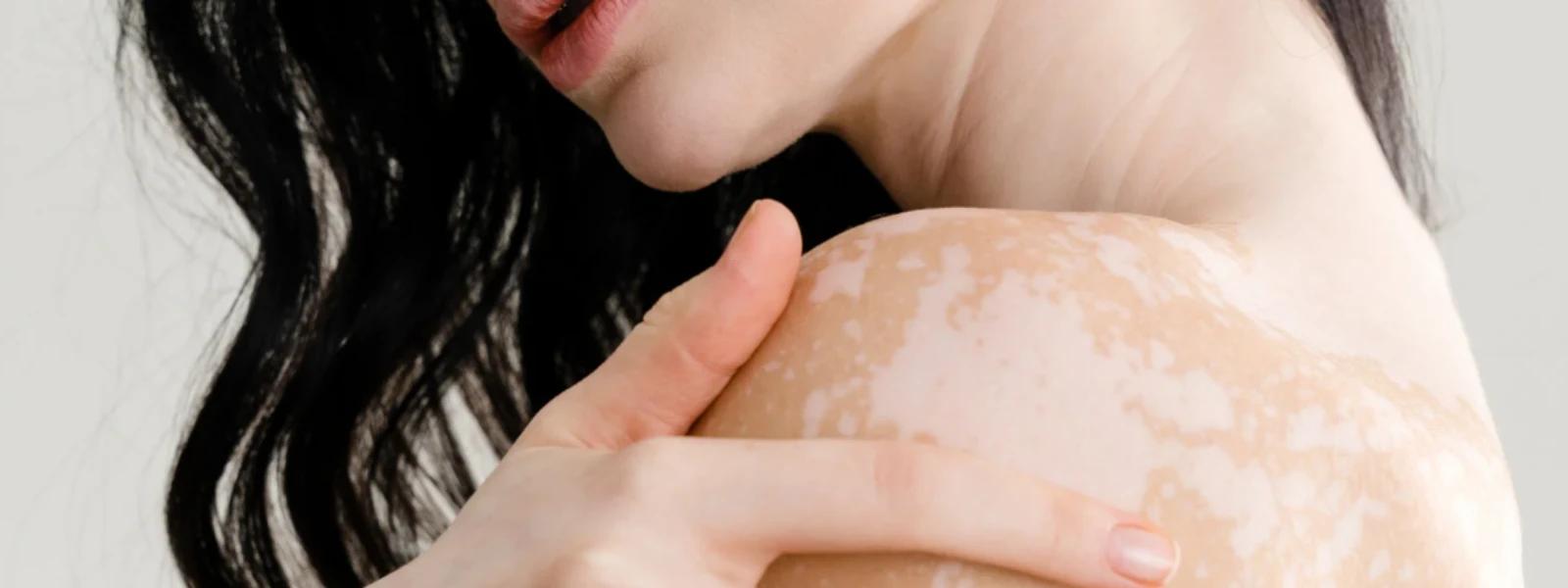
You've noticed those stubborn dark patches on your knees, the uneven tone across your chest, or perhaps the way your inner thighs seem several shades darker than the rest of your skin. If you're dealing with uneven body tone, you're certainly not alone. Unlike facial pigmentation that gets plenty of attention, body hyperpigmentation often leaves us feeling confused about what actually works. The good news? There are proven solutions that can help restore confidence in your skin, and understanding the causes is your first step towards effective treatment.
Before diving into solutions, it's worth understanding why skin discoloration happens in the first place. Your body produces melanin as a protective response, but sometimes this process goes into overdrive or becomes uneven, creating those frustrating patches that seem impossible to fade.
Sun damage remains the leading culprit behind uneven skin tone. Those weekend beach trips and daily commutes add up, especially on exposed areas like your décolletage, arms, and hands. UV rays trigger melanin production, and over time, this creates an uneven distribution that becomes more noticeable with age.
Hormonal changes play a significant role, particularly for women. Pregnancy, contraceptive use, and hormonal fluctuations can trigger melasma-like patches on the body. You might notice darker areas appearing during times of hormonal shift, and these often require targeted treatment approaches.
Post-inflammatory hyperpigmentation develops after any skin trauma. That ingrown hair, the spot you couldn't resist picking, or even aggressive exfoliation can leave behind dark marks that persist for months. This type of pigmentation is particularly common in areas prone to friction or breakouts.
Friction from clothing creates a condition called acanthosis nigricans, particularly noticeable in areas like underarms, inner thighs, and under the bust. Tight clothing, synthetic fabrics, and repetitive rubbing can darken these areas over time.
Chemical irritants from harsh soaps, deodorants, or laundry detergents can trigger inflammatory responses that lead to darkening. Even seemingly innocent products can cause reactions that result in lasting pigmentation changes.
The approach to treating body skin discoloration differs significantly from facial treatments. Body skin is thicker and less sensitive, which means you can often use stronger concentrations of active ingredients. However, the larger surface area requires consistent application and patience.
Laser treatments offer some of the most dramatic results for stubborn pigmentation. IPL (Intense Pulsed Light) and fractional lasers can target melanin deposits effectively, though multiple sessions are typically required. The investment ranges from ₹15,000 to ₹50,000 per session, depending on the area treated.
Chemical peels designed for body use can accelerate cell turnover and fade dark spots more quickly than topical treatments alone. Professional-strength peels containing glycolic acid, lactic acid, or TCA can be particularly effective for widespread pigmentation issues.
 30 ml
30 ml2% Kojic Acid Serum | Dark Spot & Pigmentation Care | Alpha Arbutin + Niacinamide | Even-Tone Formula | For All Skin Types | 30ml
Consistency trumps intensity when it comes to at-home body skin brightening. Unlike professional treatments that deliver quick results, home care requires dedication but offers the advantage of gradual, natural-looking improvement without downtime.
The key is choosing products specifically formulated for body use. Facial products often come in tiny tubes that would be prohibitively expensive for body application, whilst body formulations offer better value and appropriate concentrations for larger areas.
Building an effective body skincare routine doesn't need to be complicated, but it does require the right products in the right order. Think of it as a systematic approach to gradually improving your skin's appearance whilst preventing future pigmentation.
Gentle exfoliation forms the foundation of any effective routine. Use a body scrub or exfoliating gloves 2-3 times weekly to remove dead skin cells and allow treatment products to penetrate better. Avoid over-exfoliating, which can trigger more pigmentation.
Choose pH-balanced cleansers that won't disrupt your skin barrier. Harsh soaps can cause inflammation and worsen existing pigmentation, particularly in sensitive areas like underarms and inner thighs.
Morning routines should focus on protection and hydration. Apply your treatment products first, followed by a moisturiser with SPF if you'll be exposing treated areas to sunlight. Remember, newly revealed skin is more vulnerable to UV damage.
Evening applications allow for stronger actives without sun sensitivity concerns. This is when you'd apply products containing retinoids, hydroquinone alternatives, or higher concentrations of acids. Always follow with a nourishing body moisturiser to prevent irritation.
Not all brightening ingredients are created equal, and what works on your face might not be the best choice for your body. Understanding which actives deliver results can save you time, money, and frustration.
Vitamin C remains one of the most versatile ingredients for addressing uneven tone. Look for stable forms like magnesium ascorbyl phosphate or sodium ascorbyl phosphate in body products. These provide antioxidant protection whilst gradually brightening existing pigmentation.
Niacinamide works beautifully for body use, particularly in concentrations of 5-10%. It reduces melanin transfer to skin cells and helps regulate oil production in areas prone to breakouts and subsequent dark spots.
Azelaic acid offers gentle exfoliation combined with pigmentation control. It's particularly effective for post-inflammatory hyperpigmentation and works well for sensitive skin that can't tolerate stronger acids.
 30 ml
30 mlDark Spot Serum For Pigmentation | With Niacinamide, Alpha Arbutin & MelaMe Complex | Fades Melasma & Acne Marks | For Oily & Dry Skin | 30ml
Kojic acid derived from fermented rice offers natural brightening properties. It's gentler than hydroquinone but requires consistent use over several months to see significant results.
Tranexamic acid represents newer technology in pigmentation control. It works by blocking the pathways that trigger melanin production and has shown impressive results in clinical studies for melasma and stubborn dark spots.
Sometimes, despite consistent home care, certain types of pigmentation require professional intervention. Knowing when to seek advanced beauty treatments can save you months of frustration with products that simply aren't strong enough for your specific concerns.
If you've been consistent with a good routine for 3-4 months without seeing improvement, it might be time to explore professional options. Deep, long-standing pigmentation often requires the precision and strength that only professional treatments can provide.
Combining professional treatments with excellent home care typically yields the best results. Think of professional treatments as the intensive phase, whilst home care maintains and continues the improvement process.
Picosecond lasers represent the latest advancement in pigmentation removal. These ultra-fast lasers can target melanin more precisely with less heat damage to surrounding tissue, making them suitable for darker skin tones that might not be candidates for traditional lasers.
Combination therapies that pair chemical peels with laser treatments or microneedling can address both surface pigmentation and deeper melanin deposits in a comprehensive approach.
Most people begin noticing improvements after 6-8 weeks of consistent use, with significant changes becoming apparent after 3-4 months. Body skin has a slower turnover rate than facial skin, so patience is essential. Professional treatments may show faster initial results, but the full effect still develops over several months as your skin continues to renew itself.
Most body brightening products are formulated for daily use, but it's important to start slowly and build tolerance. Begin with every other day application and gradually increase frequency as your skin adapts. Always use SPF during the day when using active ingredients, as they can increase photosensitivity.

Dark Spot Reduction Set | 3-Step Routine for Hyperpigmentation & Even Skin Tone | Cleanser, Serum & Moisturizer | Skin Care Routine Kit
Whilst the active ingredients might be similar, face products are typically more expensive and come in smaller quantities that make body application impractical. Body formulations are designed for larger surface areas and often contain higher concentrations of actives that would be too strong for facial use.
Body skin is thicker and less sensitive, allowing for stronger concentrations of active ingredients. However, body pigmentation often covers larger areas and may be more stubborn due to factors like friction and hormonal influences. Treatment timelines are typically longer for body pigmentation.
Consider the severity of your pigmentation, your budget, and timeline expectations. Mild to moderate pigmentation often responds well to consistent home care, whilst deep or extensive pigmentation may benefit from professional intervention. Many people find success with a combination approach.
Some natural ingredients like kojic acid, arbutin, and vitamin C can be effective, but they typically work more slowly than synthetic alternatives. Natural doesn't always mean gentler, so patch testing is still important. For significant pigmentation concerns, clinically proven ingredients tend to deliver more reliable results.
Yes, pigmentation can return if the underlying causes aren't addressed. Sun protection, hormonal management, and avoiding friction are crucial for maintaining results. Most people need ongoing maintenance with gentler products even after achieving their desired results.
Avoid over-exfoliating, using multiple strong actives simultaneously, and neglecting sun protection. Don't expect overnight results or constantly switch products before giving them adequate time to work. Harsh scrubbing and picking at dark spots can worsen pigmentation.
Addressing uneven body tone requires patience, consistency, and the right approach for your specific concerns. Whether you choose professional treatments, develop a targeted home routine, or combine both approaches, the key is understanding that lasting results take time to develop.
The beauty industry has made significant advances in body hyperpigmentation treatment, offering more effective and accessible options than ever before. From innovative ingredients like tranexamic acid to improved laser technologies, there are solutions for virtually every type of pigmentation concern.
Remember that your skin's journey is unique, and what works for others might need adjustment for your specific needs. Platforms like Smytten Shop make it easier to explore different products and brands through samples before committing to full sizes, helping you build an effective routine without the guesswork. With over 28 million users discovering new products and earning cashback on their purchases, you're part of a community that values informed skincare decisions.
The path to more even skin tone isn't always linear, but with the right knowledge and products, you can achieve the confidence that comes with healthy, radiant skin across your entire body.
