Skincare for Humid Climate FAQ: Your Questions Answered


Target & Fade Duo for Hyperpigmentation | Even-Tone Underarms, Inner Thighs & Bum | Refines Skin Texture | For All Skin Types
That sticky feeling when you step outside, the way your carefully applied makeup slides off by noon, and the frustration of breakouts that seem to multiply overnight – if you're living in India's humid climate, you know these struggles all too well. Whether you're dealing with Mumbai's monsoon moisture or Chennai's year-round humidity, your skin faces unique challenges that standard skincare advice simply doesn't address. The good news? With the right approach and products, you can actually thrive in humid weather rather than just survive it.
High humidity doesn't just make you feel sticky – it fundamentally changes how your skin behaves. When moisture levels in the air exceed 60%, your skin's natural moisture barrier can become compromised, leading to a cascade of issues that many people mistake for "oily skin problems."
In humid conditions, your skin produces more sebum as it tries to regulate temperature and maintain balance. This excess oil mixes with sweat and environmental pollutants, creating the perfect breeding ground for acne-causing bacteria. Meanwhile, the constant moisture in the air can actually prevent your skin from properly absorbing the products you're applying, leaving them sitting on the surface where they can clog pores.
Different skin types react differently to humidity. If you have naturally oily skin, you might notice increased shine and more frequent breakouts. Those with combination skin often find their T-zone becomes significantly oilier whilst other areas remain normal. Even people with dry skin can experience unexpected changes – the humidity might provide some relief from dryness, but it can also lead to congestion if they continue using heavy moisturisers designed for drier climates.
The key insight here is that humidity skincare isn't about using fewer products – it's about choosing the right formulations that work with your environment rather than against it.
Building an effective routine for humid climates starts with understanding which product textures and formulations will actually benefit your skin. The goal is to maintain hydration and protection without adding unnecessary weight or occlusion that could lead to breakouts.
Gel-based moisturisers are your best friend in humid weather. Look for formulations containing hyaluronic acid and niacinamide – these ingredients provide deep hydration whilst helping to regulate oil production. Water-based formulas absorb quickly and won't leave that sticky residue that makes you want to skip moisturising altogether.
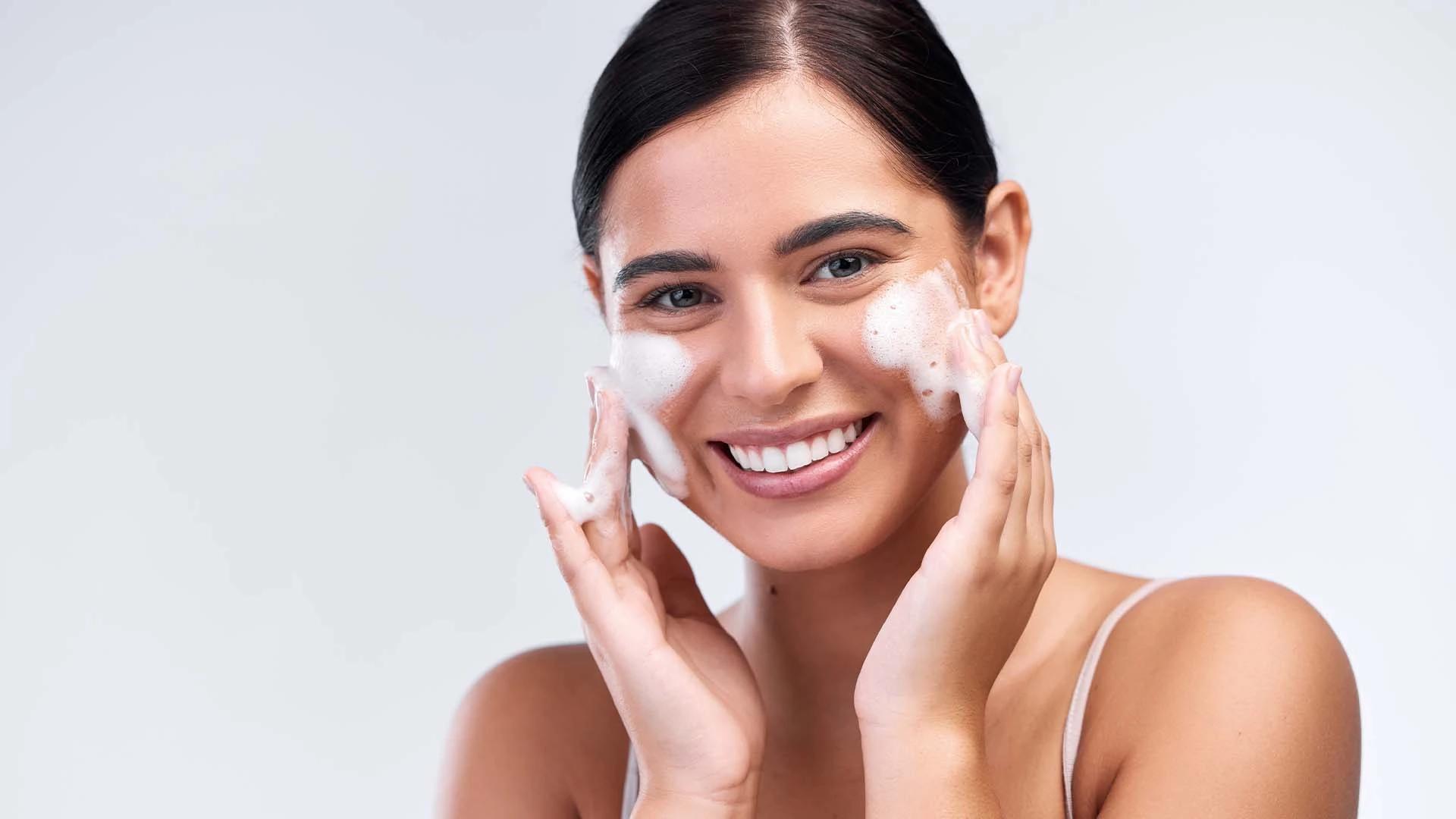
Your cleanser needs to work harder in humid weather, removing not just makeup and sunscreen but also the extra sweat and oil your skin produces. Salicylic acid cleansers are particularly effective, as they can penetrate oil to clean pores without over-stripping your skin. Gentle foaming cleansers with ceramides help maintain your skin barrier whilst providing thorough cleansing.
Perhaps the most challenging product to get right in humid weather is sunscreen. Heavy, greasy formulas will slide off with sweat, leaving you unprotected. Look for zinc oxide or titanium dioxide based sunscreens with mattifying properties. Many Indian brands now offer lightweight, gel-based SPF formulations specifically designed for our climate.

Anti-Acne Set | Targets Acne, Breakouts & Clogged Pores | Lightweight, Non-Greasy Routine | Ideal for Oily & Acne-Prone Skin
Creating a summer skincare routine that works in humid conditions requires timing and technique as much as the right products. Your routine should be streamlined but thorough, focusing on protection during the day and repair at night.
Start with a gentle cleanser to remove overnight oil buildup without stripping your skin. Follow with a vitamin C serum – the antioxidant protection is crucial in humid, polluted environments. Apply a lightweight moisturiser whilst your skin is still slightly damp to lock in hydration, then finish with a mattifying sunscreen. The entire routine should feel light and breathable, never heavy or sticky.
Your evening routine is when you can address the day's damage and prepare your skin for overnight repair. Double cleansing becomes essential – start with a gentle oil cleanser to remove sunscreen and makeup, followed by your regular cleanser. This is when you can introduce active ingredients like retinol or AHAs, but use them sparingly and always follow with a hydrating serum.
Finding the best face wash for oily skin in humid climates means balancing thorough cleansing with gentleness. Over-cleansing is one of the biggest mistakes people make when dealing with humidity-induced oiliness – it actually triggers more oil production as your skin tries to compensate.
Look for cleansers with salicylic acid (BHA) for daily use, as it can penetrate oil and clean pores without harsh scrubbing. Niacinamide in cleansers helps regulate oil production over time, whilst gentle surfactants ensure thorough cleansing without irritation.
Cleansing frequency matters too. In humid weather, twice-daily cleansing is usually necessary, but avoid the temptation to cleanse more often even if your skin feels oily. Mid-day, use blotting papers or a gentle toner on a cotton pad to refresh without disrupting your skin barrier.
Humid weather can lead to more dead skin cell buildup, making regular exfoliation important. However, limit physical exfoliation to once weekly, and focus on chemical exfoliants like BHA or AHA 1-2 times per week. These work more gently and effectively than scrubs, which can irritate already stressed skin.
Creating sweat proof makeup looks in humid weather requires a strategic approach that starts with skincare. Your makeup is only as good as the base you create, so ensure your skincare routine is fully absorbed before applying any makeup.

Better Daily Essentials Set | Cleanser, Moisturizer & Sunscreen | Daily Skincare Routine | Hydration, Protection & Care
Primer becomes non-negotiable in humid weather. Look for mattifying primers with silicone-based formulas that create a smooth, oil-controlling base. Water-resistant foundations and cream products tend to perform better than powders, which can become patchy when mixed with sweat.
Setting your makeup properly is crucial for tropical climate beauty. Use a setting spray both before and after powder application, and consider carrying blotting papers and a small powder compact for touch-ups throughout the day.
Even with good intentions, it's easy to make mistakes when adapting your routine for humid weather. The most common error is over-cleansing in response to increased oiliness. This strips your skin barrier and actually triggers more oil production, creating a cycle that's hard to break.
Another frequent mistake is skipping moisturiser because your skin feels oily. Humidity doesn't equal hydration – your skin still needs moisture, just in a lighter formulation. Using products that are too heavy for the climate is equally problematic, as they can clog pores and prevent proper skin breathing.
Inconsistent sunscreen application is particularly dangerous in humid climates where you might spend more time outdoors. Reapplication becomes crucial when you're sweating, but many people skip this step because they don't want to disturb their makeup or add more product to already sticky skin.
Focus on lightweight, water-based formulations that won't clog pores. Essential products include a gentle cleanser with salicylic acid, a gel-based moisturiser with hyaluronic acid, and a mattifying sunscreen. Avoid heavy creams and oil-based products that can feel suffocating in humidity.
Absolutely yes. Humidity in the air doesn't replace the need for moisturiser – it just means you need a different type. Your skin still needs hydration and barrier protection, especially if you're using cleansers or treatments that can be drying. Choose gel or water-based formulas instead of heavy creams.
Twice daily is usually sufficient – morning and evening. Over-cleansing can strip your skin barrier and trigger more oil production. If you feel oily during the day, use blotting papers or a gentle toner rather than washing again.
 50 ML
50 MLMineral Sunscreen SPF 50 | Matte Finish | No White Cast | Non-Nano Zinc Oxide | Cica | Pregnancy Safe | All Skin Types | 50ml
You'll likely need to adjust product textures and concentrations based on seasonal humidity changes. During monsoon season, you might need even lighter formulations, whilst slightly richer products might work during drier months. The key is flexibility whilst maintaining your core routine structure.
Avoid heavy oils like coconut oil or thick butters that can clog pores. Be cautious with petroleum-based ingredients and very rich moisturisers. However, don't avoid all oils – lightweight oils like squalane can actually work well in humid conditions.
Start with a mattifying primer, use water-resistant formulas, and set everything with powder and setting spray. Consider switching to cream blushes and lip tints that won't slide off as easily as powder products. Most importantly, ensure your skincare is fully absorbed before applying makeup.
Monsoon season often brings even higher humidity levels, so you might need to switch to even lighter formulations. You may also need to address increased fungal concerns with ingredients like zinc pyrithione or tea tree oil. Pay extra attention to keeping your skin clean and dry.
Yes, increased breakouts are common in humid conditions due to excess oil production, clogged pores, and bacterial growth. The key is adjusting your routine to address these issues without over-treating your skin. Consistent use of non-comedogenic products and gentle exfoliation can help manage humidity-related breakouts.
Mastering skincare for humid climate isn't about fighting against your environment – it's about working with it. Your skin can actually thrive in humid conditions when you choose the right products and techniques. The key is understanding that humidity requires a different approach, not necessarily a more complicated one.
Remember that consistency matters more than perfection. It's better to stick with a simple routine of lightweight, effective products than to constantly switch between heavy formulations that don't work for your climate. Your skin needs time to adjust to new products and routines, especially when you're making significant changes.
For those exploring new products and brands, platforms like Smytten Shop make it easier to discover what works for your unique skin needs without committing to full sizes. With access to premium brands and the ability to try before you buy, you can build a humidity-friendly routine that actually works for your lifestyle and budget. The 28M+ users on the platform have found that this approach of testing and discovering helps create more effective, personalised skincare routines.
Your skin's needs will continue to evolve with seasons, age, and lifestyle changes. Stay curious about new formulations and ingredients, but always give products time to work before deciding if they're right for your humid climate routine. With patience and the right approach, you can achieve healthy, comfortable skin that looks great regardless of the weather outside.
