Skin Discoloration FAQ: Causes, Types, and Remedies Explained


Dark Spot Reduction Set | 3-Step Routine for Hyperpigmentation & Even Skin Tone | Cleanser, Serum & Moisturizer | Skin Care Routine Kit
Ever looked in the mirror and wondered when those dark patches appeared on your cheeks? Or noticed your skin tone looking patchy after that summer holiday? You're not alone. Skin discoloration affects nearly everyone at some point, whether it's stubborn dark spots from old breakouts or mysterious patches that seem to have appeared overnight. The good news? Understanding what's happening beneath the surface is the first step to getting your skin back to its happy, even-toned self.
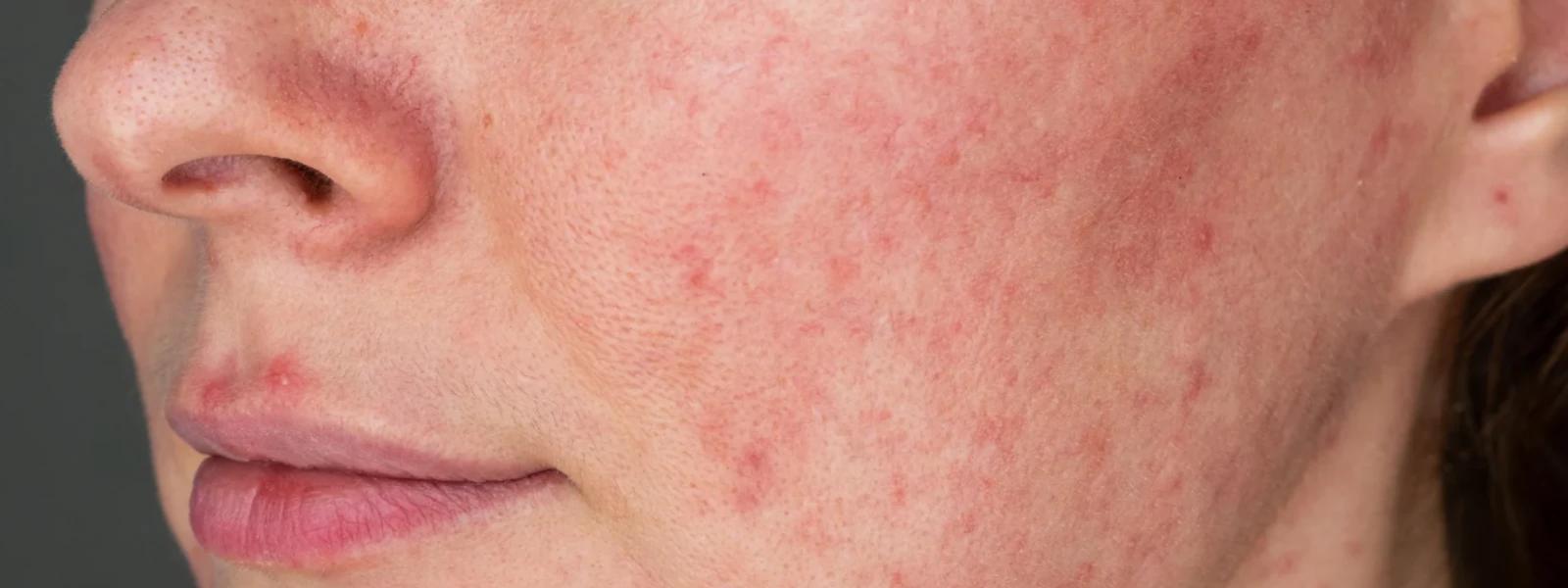
Skin discoloration is simply when patches of your skin become darker, lighter, or a different colour than your natural skin tone. Think of your skin as having tiny factories called melanocytes that produce melanin - the pigment that gives your skin its colour. When these factories go into overdrive or shut down completely, you get uneven skin tone.
Your skin pigmentation can change for loads of reasons. Sometimes it's your hormones having a moment (hello, pregnancy glow that turns into melasma). Other times it's your skin's way of protecting itself from damage - like when you get a tan, but it doesn't fade evenly. The key thing to remember is that most skin discoloration is completely normal and treatable.
Most colour changes happen gradually, which is why you might not notice them until they're quite obvious. Your skin is constantly renewing itself, and sometimes this process gets a bit confused, leading to patches that are darker or lighter than the surrounding area.
Let's get real about what's actually causing those colour changes. The causes of skin discoloration are more varied than you might think, and understanding them helps you tackle the issue properly.
This is the big one. Those sunspots on skin aren't just from that one beach holiday - they're the result of years of UV exposure. Your skin remembers every unprotected moment in the sun, and eventually, it shows up as dark spots, usually on your face, hands, and shoulders.
Pregnancy, menopause, birth control pills - basically any time your hormones are doing their own thing, your skin might join the party. Melasma causes are often hormonal, which is why it's sometimes called the "pregnancy mask." These patches typically appear on the forehead, cheeks, and upper lip.
Post-inflammatory hyperpigmentation is your skin's way of healing after trauma. Had a nasty breakout? Picked at a spot? Your skin might leave behind a dark mark as a reminder. This is especially common in people with darker skin tones.
Some people are simply more prone to developing certain types of discoloration. If your mum has freckles or age spots, there's a good chance you'll develop them too. It's not fair, but it's genetics.

Target & Fade Duo for Hyperpigmentation | Even-Tone Underarms, Inner Thighs & Bum | Refines Skin Texture | For All Skin Types
Certain medications can make your skin more sensitive to light or directly affect pigmentation. Antibiotics, antimalarials, and some chemotherapy drugs are common culprits.
Not all skin discoloration types are created equal. Understanding what you're dealing with helps you choose the right approach to treatment.
Melasma appears as symmetrical brown patches, usually on the face. It's stubborn and often triggered by hormones or sun exposure. Age spots are flat, brown spots that appear on sun-exposed areas as you get older. Dark spots on face from acne or injuries fall under post-inflammatory hyperpigmentation.
These are areas where the skin has lost pigment and appears lighter than your natural tone. Vitiligo is the most well-known, but you can also get light patches after injuries or certain skin conditions heal.
Some conditions cause both dark and light patches. These are less common but can be more challenging to treat because they require different approaches for different areas.
Here's where it gets exciting - there are loads of skin discoloration remedies available, from professional treatments to products you can use at home.
Hyperpigmentation treatment at a dermatologist's office might include chemical peels, laser therapy, or intense pulsed light (IPL). These treatments work by either removing the top layers of discoloured skin or targeting the pigment directly. Age spots removal often responds well to these professional treatments.

Mineral Sunscreen SPF 50 | Matte Finish | No White Cast | Non-Nano Zinc Oxide | Cica | Pregnancy Safe | All Skin Types | 50ml
The skincare aisle is full of options. Look for products with niacinamide, which helps regulate pigment production, or vitamin C, which brightens and protects. Retinoids speed up cell turnover, helping fade dark spots over time. And never forget your SPF - it's the most important step in preventing further discoloration.
Many people find success with gentle AHAs like glycolic acid, which help remove the top layer of discoloured skin cells. The key is consistency and patience - most topical treatments take 6-12 weeks to show noticeable results.
While not as potent as medical treatments, some natural ingredients may help with mild discoloration. Vitamin C from citrus, kojic acid from fermented rice, and liquorice root extract all have skin-brightening properties.
Most skin discoloration is harmless, but there are times when you should get a professional opinion. If a spot changes shape, size, or colour rapidly, or if it's raised, itchy, or bleeding, book an appointment straight away.
Also consider seeing a dermatologist if over-the-counter treatments haven't worked after 3-4 months of consistent use, or if the discoloration is affecting your confidence significantly. They can offer stronger treatments and rule out any underlying conditions.
During your appointment, expect questions about when you first noticed the discoloration, any medications you're taking, and your sun exposure habits. The dermatologist might use a special light to examine your skin more closely.
Prevention really is better than cure when it comes to uneven skin tone. Daily SPF is non-negotiable - even on cloudy days, even if you're mostly indoors. UV rays are sneaky and can penetrate windows.
Build a gentle skincare routine that includes antioxidants like vitamin C in the morning and niacinamide or gentle acids in the evening. Don't pick at spots or injuries - let them heal naturally to avoid post-inflammatory hyperpigmentation.
Your diet matters too. Foods rich in antioxidants, omega-3 fatty acids, and vitamins C and E support healthy skin from the inside out. Stay hydrated and get enough sleep - your skin does most of its repair work while you're sleeping.
The timeline for fading discoloration depends on the type and depth of the pigmentation. Surface-level spots might fade in 6-8 weeks with consistent treatment, while deeper pigmentation can take 6-12 months. Professional treatments typically work faster than over-the-counter options, but they also cost more and may require downtime.

Salicylic Acid Face Cleanser | Deep Cleansing Formula for Breakouts | Unclogs Pores & Controls Oil | For Oily & Acne-Prone Skin | 100ml
Most skin discoloration is cosmetic and indicates past sun damage, hormonal changes, or healing from injury. However, sudden changes in existing spots or new, unusual discoloration should be evaluated by a healthcare provider to rule out skin cancer or other medical conditions.
The most common types are sun spots (from UV damage), melasma (hormonal brown patches), and post-inflammatory hyperpigmentation (dark marks left after acne or injury). These account for the majority of discoloration concerns people face.
"No reason" discoloration often has hidden causes. Hormonal changes from medications, pregnancy, or menopause can trigger darkening. Some medications increase photosensitivity, making you more prone to pigmentation from minimal sun exposure. Insulin resistance and certain medical conditions can also cause darkening, particularly in skin folds.
Some discoloration is permanent, particularly deep melasma or genetic conditions like café au lait spots. However, many types of discoloration can be significantly improved with proper treatment. The key is early intervention and consistent care. Even stubborn discoloration can often be lightened, if not completely removed.
Without treatment, surface-level discoloration might fade in 6-12 months as your skin naturally renews itself. Deeper pigmentation can take years to fade naturally, and some may never fade completely without intervention. Using products with active ingredients significantly speeds up this process.
Look for niacinamide (reduces pigment transfer), vitamin C (brightens and protects), retinoids (speed cell turnover), AHAs like glycolic acid (exfoliate), and kojic acid or arbutin (natural lighteners). Always pair active ingredients with a good SPF during the day.
Dealing with skin discoloration can feel overwhelming, but remember that you're not stuck with uneven skin tone forever. Most discoloration responds well to treatment, whether that's a simple vitamin C serum or professional laser therapy. The key is understanding what type of discoloration you're dealing with and choosing the right approach.
If you're ready to explore treatment options, platforms like Smytten Shop make it easier to discover effective products from premium brands. With over 28 million users and a curated selection of skincare solutions, you can try products before committing to full sizes - perfect for finding what works for your specific skin concerns. Plus, the cashback offers mean you can experiment with different approaches without breaking the bank.
Your skin journey is unique, and what works for your friend might not work for you. Be patient with the process, consistent with your routine, and don't hesitate to seek professional help when needed. Clear, even-toned skin is absolutely achievable - it just takes the right approach and a bit of time.
