Redness Prone Skin FAQ: Your Questions Answered
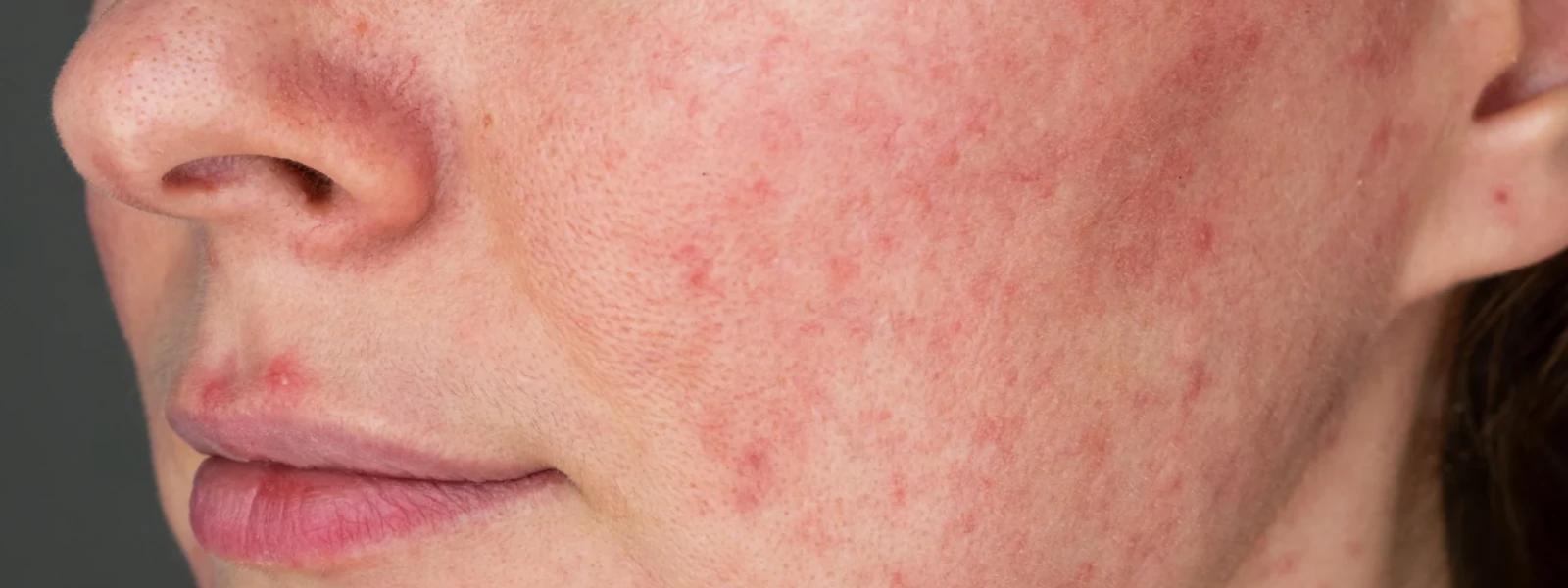

That moment when you catch your reflection and wonder why your cheeks look like you've just sprinted up three flights of stairs—except you've been sitting at your desk all morning. If your skin seems to flush at the slightest provocation, from a warm room to a stressful email, you're not alone. Redness prone skin affects millions, leaving many searching for gentle yet effective solutions that actually work for Indian skin tones and climate conditions.
Redness prone skin is characterised by persistent or easily triggered facial flushing, visible blood vessels, and heightened sensitivity to environmental factors. Unlike occasional blushing, this condition involves chronic inflammation that can appear as patches across your cheeks, nose, chin, or forehead. The redness might feel warm to touch and can range from mild pink tones to deeper red patches that seem impossible to calm.
Several factors contribute to this skin irritation. Genetics play a significant role—if your parents dealt with similar concerns, you're more likely to experience them too. Environmental triggers include extreme temperatures, UV exposure, pollution, and even air conditioning that strips moisture from your skin. Internal factors like hormonal fluctuations, stress, certain foods, and underlying conditions such as rosacea can also manifest as persistent facial redness.
The key difference between temporary redness and chronic conditions lies in duration and triggers. Temporary redness from exercise or embarrassment fades within minutes, whilst chronic redness persists for hours or days. If you notice your skin stays flushed long after removing makeup, stepping out of hot weather, or experiencing stress, you likely have sensitive skin care needs that require specialised attention.
Managing redness starts with understanding that your skin barrier needs extra protection and gentleness. The most crucial step involves switching to fragrance-free, alcohol-free cleansers that won't strip your skin's natural oils. Look for cream or oil-based cleansers with ingredients like ceramides or glycerin that maintain hydration whilst removing impurities.
Sun protection becomes non-negotiable when dealing with redness prone skin. UV rays trigger inflammation and worsen existing redness, making broad-spectrum SPF 30 or higher essential every single day. Choose physical sunscreens with zinc oxide or titanium dioxide, as these create a protective barrier without penetrating the skin and causing irritation.
Temperature management extends beyond skincare products. Avoid extremely hot showers, saunas, and direct heat exposure. When washing your face, use lukewarm water instead of hot, and pat dry with a soft towel rather than rubbing. During summer months, keep a facial mist in the refrigerator for instant cooling relief when your skin feels overheated.
Your lifestyle choices significantly impact redness reduction. Choose breathable fabrics like cotton over synthetic materials that trap heat. Manage stress through meditation, regular exercise, or whatever helps you unwind—chronic stress triggers cortisol production, which can worsen inflammation and lead to more frequent flare-ups.
When your skin decides to stage a red rebellion, you need immediate solutions that actually work. The cold compress technique remains one of the most effective methods for quick relief. Wrap ice cubes in a clean cloth or use a chilled jade roller, applying gentle pressure for 30-second intervals across affected areas. This constricts blood vessels and reduces inflammation within minutes.
For emergency situations, reach for products containing niacinamide or allantoin. These ingredients work quickly to calm irritation and reduce visible redness. Apply a thin layer of anti-redness serum followed by a gentle, fragrance-free moisturiser to lock in the calming benefits.
If you need makeup coverage, use a green-tinted primer to neutralise red tones before applying foundation. Choose makeup products labelled as hypoallergenic and non-comedogenic to avoid further irritation. Remember that less is more—heavy coverage can trap heat and worsen redness throughout the day.
Seek dermatological advice if your redness persists despite gentle care, appears with burning sensations, or develops into raised bumps or pustules. These symptoms might indicate rosacea treatment requirements or other underlying conditions that need medical intervention.
Understanding which ingredients help versus harm makes the difference between calm, comfortable skin and ongoing irritation. Niacinamide stands out as a powerhouse ingredient for redness prone skin, working to strengthen the skin barrier whilst reducing inflammation and regulating oil production. Start with concentrations around 5% to test tolerance before moving to higher percentages.
Aloe vera provides immediate cooling relief and long-term healing benefits. Look for products with high aloe concentrations, particularly in your soothing moisturiser. Allantoin, derived from comfrey plants, promotes skin healing and reduces irritation—perfect for post-breakout redness or general sensitivity.
Caffeine might seem counterintuitive, but topical application helps constrict blood vessels and reduce the appearance of redness. Licorice extract offers natural anti-inflammatory properties whilst helping to even skin tone over time. These ingredients work well in calming skincare formulations designed for daily use.
Steer clear of harsh physical scrubs, products with high alcohol content, artificial fragrances, and essential oils like peppermint or eucalyptus. Retinoids, whilst beneficial for many skin concerns, can initially worsen redness and should be introduced very gradually under professional guidance.
Rosacea affects millions of people worldwide and requires a comprehensive approach beyond basic skincare. Common triggers include spicy foods, alcohol, extreme temperatures, stress, and certain skincare ingredients. Keeping a trigger diary helps identify your personal patterns and avoid future flare-ups.
Professional rosacea treatment options include prescription topical medications, oral antibiotics for inflammatory types, and laser therapy for persistent redness. These treatments work best when combined with proper daily skincare and lifestyle modifications.
Dietary changes can significantly impact flushed skin frequency. Reduce consumption of spicy foods, hot beverages, and alcohol. Increase anti-inflammatory foods like fatty fish, leafy greens, and berries. Some people find that dairy or gluten triggers their redness, making elimination diets worth considering under professional guidance.
Your morning routine should focus on protection and gentle hydration. Start with a mild, cream-based cleanser, followed by a niacinamide serum or treatment. Apply a soothing moisturiser with ingredients like ceramides or hyaluronic acid, then finish with broad-spectrum sunscreen. This simple routine provides essential protection without overwhelming sensitive skin.
Evening routines allow for more intensive repair. Double cleanse if you wear makeup, using an oil-based cleanser followed by your gentle cream cleanser. Apply any treatment serums to clean skin, then seal everything with a richer night moisturiser. Avoid introducing multiple new products simultaneously—your skin needs time to adjust to each addition.
When selecting products, prioritise those specifically formulated for sensitive or redness prone skin. Look for minimal ingredient lists, dermatologist-tested formulations, and brands that avoid common irritants. The Smytten Shop offers curated selections from premium brands, allowing you to discover gentle yet effective products through their sample programme before committing to full sizes.
Always patch test new products on your inner wrist or behind your ear for 24-48 hours before applying to your face. This simple step prevents widespread reactions and helps identify potential irritants before they cause significant skin irritation.
Whilst you can't permanently "cure" naturally redness prone skin, you can manage it effectively through consistent gentle care, proper sun protection, trigger avoidance, and professional treatment when needed. Focus on strengthening your skin barrier with ceramides, maintaining hydration, and using anti-inflammatory ingredients like niacinamide and allantoin. Results improve over months of consistent care rather than days.
Apply a cold compress for 30-second intervals, use a niacinamide serum or aloe vera gel, and follow with a gentle moisturiser. Keep facial mists refrigerated for instant cooling relief. Green-tinted primer can neutralise redness for immediate coverage, but address the underlying inflammation for lasting results.
Look for brands that specialise in sensitive skin formulations with minimal ingredients, no artificial fragrances, and dermatologist testing. Focus on products containing proven calming skincare ingredients like niacinamide, allantoin, ceramides, and hyaluronic acid rather than specific brand names. The key is finding formulations that work for your individual triggers and skin type.
Overnight improvement requires realistic expectations. Apply a thick layer of soothing moisturiser with anti-inflammatory ingredients, use a humidifier to prevent dehydration, and sleep on clean pillowcases. Avoid harsh treatments that promise overnight results—these often worsen redness. Gentle, consistent care produces better long-term outcomes than aggressive quick fixes.
Absolutely. Common dietary triggers include spicy foods, alcohol, hot beverages, and foods high in histamines. Some people react to dairy, gluten, or specific additives. Anti-inflammatory foods like omega-3 rich fish, leafy greens, and antioxidant-rich berries can help reduce overall inflammation. Keep a food diary alongside your skincare routine to identify personal triggers.
Stress triggers cortisol release, which increases inflammation and can worsen existing redness or trigger new flare-ups. Chronic stress also disrupts sleep and healthy habits, creating a cycle that perpetuates skin irritation. Incorporate stress management techniques like meditation, regular exercise, adequate sleep, and relaxation practices into your routine for clearer, calmer skin.
Managing redness prone skin requires patience, consistency, and understanding that what works for others might not work for you. The key lies in gentle, science-backed ingredients, proper sun protection, and identifying your personal triggers. Remember that improvement happens gradually—give new routines at least 6-8 weeks to show results.
The Smytten Shop's curated selection makes discovering gentle, effective products easier through their sample programme, allowing you to test formulations before investing in full sizes. With over 28 million users trusting their recommendations and cashback offers on premium brands, you can explore redness relief solutions without the guesswork. Your skin's journey towards calm, comfortable days starts with understanding its needs and responding with kindness rather than harsh treatments.
