Preventing Skin Tanning FAQ: Your Guide to Sun Protection


Asaya Head to Toe Anti-Pigmentation Set | Brightens & Evens Skin Tone from Head to Toe | Targets Dark Spots | Nourishing & Brightening Routine
That moment when you catch your reflection after a day outdoors and notice your skin looking a shade darker than it was this morning. Whether it's from your daily commute, a weekend at the beach, or even sitting by a sunny window, unwanted tanning can leave you feeling frustrated about uneven skin tone and hyperpigmentation. The good news? With the right knowledge and consistent habits, preventing skin tanning is absolutely achievable. Let's dive into everything you need to know about protecting your skin and maintaining that even complexion you're after.
Before we jump into prevention strategies, it's worth understanding what's actually happening when your skin tans. Tanning is your skin's natural defence mechanism against UV radiation. When UV rays penetrate your skin, they trigger melanocytes (pigment-producing cells) to create more melanin, which darkens your skin to protect deeper layers from damage.
Here's where it gets interesting: there are two main types of UV rays that affect your skin differently. UVB rays are the ones that cause immediate burning and surface-level tanning, whilst UVA rays penetrate deeper into your skin, contributing to long-term sun damage, premature ageing, and stubborn hyperpigmentation that can take months to fade.
Some people tan faster than others due to their natural melanin production levels and skin type. Those with naturally higher melanin content may develop a tan more quickly, whilst fair-skinned individuals might burn first before any tanning occurs. Regardless of your skin type, repeated UV exposure without proper protection leads to cumulative damage that manifests as uneven skin tone, dark spots, and premature signs of ageing.
The real concern isn't just the immediate darkening you see today. Sun damage accumulates over time, and what starts as a light tan can evolve into persistent hyperpigmentation, melasma, or age spots that become increasingly difficult to treat. This is why prevention truly is better than cure when it comes to maintaining even, healthy skin.
Let's be honest: if you're serious about preventing skin tanning, sunscreen isn't optional—it's non-negotiable. But not all sunscreens are created equal, and understanding the difference can make or break your tan prevention efforts.
Most people focus solely on SPF numbers, but here's what many don't realise: SPF only measures protection against UVB rays. For comprehensive sun protection that prevents tanning, you need to look for the PA rating as well. PA++++ offers the highest level of UVA protection, which is crucial since UVA rays are the primary culprits behind deep tanning and long-term skin discoloration.
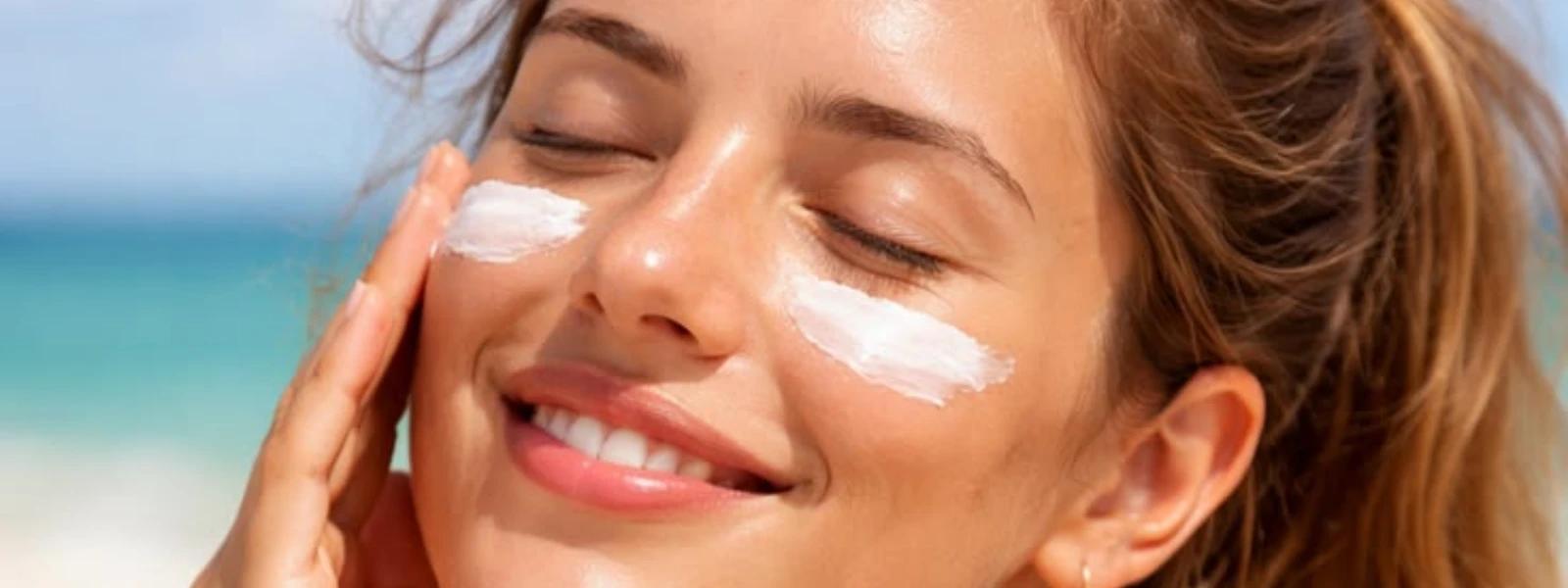
The three-finger rule for your face and a shot glass amount for your body isn't just a guideline—it's the minimum amount needed for the SPF on the bottle to actually work. Most people apply far less than this, which significantly reduces protection. Apply sunscreen 15-20 minutes before sun exposure, and don't forget often-missed areas like your ears, neck, and the tops of your feet.
Look for 'broad-spectrum' on the label, which means the product protects against both UVA and UVB rays. Reapplication every two hours is crucial, especially if you're sweating, swimming, or simply going about your day. Even water-resistant formulas need refreshing to maintain their protective barrier.
Physical sunscreens containing zinc oxide and titanium dioxide create an immediate protective barrier, whilst chemical sunscreens with ingredients like avobenzone and octinoxate absorb UV rays. For sensitive skin or those prone to hyperpigmentation, physical sunscreens are often gentler and less likely to cause irritation that could lead to post-inflammatory pigmentation.

Asaya Dark Spot Reduction Set | 3-Step Routine for Hyperpigmentation & Even Skin Tone | Cleanser, Serum & Moisturizer | Skin Care Routine Kit
Sunscreen is fantastic, but it's even more effective when combined with physical barriers. Think of this as your comprehensive defence strategy against unwanted tanning.
Tightly woven fabrics in darker colours offer better protection than light, loose weaves. A white cotton t-shirt might only provide SPF 5-7, whilst a dark, tightly woven fabric can offer SPF 50+. Look for clothing with UPF (Ultraviolet Protection Factor) ratings for guaranteed protection.
A wide-brimmed hat protects your face, neck, and ears—areas that are particularly prone to sun damage and uneven pigmentation. Quality sunglasses protect the delicate skin around your eyes, where fine lines and dark circles can be exacerbated by squinting in bright light.
UV rays are strongest between 10 AM and 4 PM. If you must be outdoors during these hours, seek shade whenever possible. Even under an umbrella or tree, you're still getting some UV exposure from reflected light, so don't skip the sunscreen entirely.
Here's something that might surprise you: you can tan through windows. UVA rays penetrate glass, which means that sunny spot where you work from home or your daily car commute could be contributing to gradual skin darkening and hyperpigmentation.
Your daily skincare routine plays a crucial role in tan prevention. Ingredients like niacinamide, vitamin C, and kojic acid help regulate melanin production and can prevent existing pigmentation from darkening further. A consistent routine with these skin brightening ingredients creates a protective foundation that makes your skin more resilient to UV damage.
Consider installing UV-filtering window film in your home and car, especially if you spend long hours near windows. This simple step can significantly reduce your daily UV exposure without you even thinking about it.
Your diet also plays a supporting role in tan prevention. Foods rich in antioxidants—berries, leafy greens, tomatoes—help your skin defend against UV damage from the inside out. Whilst they're not a replacement for topical protection, they're a valuable addition to your overall strategy.
If you're dealing with existing tan or uneven skin tone, there are both natural and professional approaches to help restore your skin's natural colour.

Asaya Anti-Pigmentation Set | Brightening & Pigmentation Reduction Kit | Cleanser, Serum, Moisturizer & Sunscreen | Complete Skin Care Routine
Gentle exfoliation with ingredients like yoghurt (lactic acid) or tomato (natural lycopene) can help speed up the natural skin renewal process. A mixture of honey and lemon applied as a mask twice weekly may help lighten existing pigmentation, though results take time and consistency.
Professional treatments like chemical peels or laser therapy can address stubborn skin discoloration more effectively than home remedies, but they also come with higher costs and potential side effects. For mild tanning, consistent home care with proven ingredients often delivers satisfying results.
Avoid harsh scrubbing or aggressive DIY treatments that can cause irritation and potentially worsen pigmentation. Tan removal is a gradual process—expect to see improvements over 4-8 weeks with consistent care, not overnight transformations.
Some situations require extra vigilance when it comes to tan prevention. Beach days, tropical holidays, and outdoor sports present unique challenges that need specific strategies.
Water and sand reflect UV rays, intensifying exposure. Apply sunscreen 30 minutes before heading to the beach, reapply immediately after swimming (even with water-resistant formulas), and consider a beach umbrella for additional shade. Don't forget that wet skin can be more susceptible to burning.
UV intensity varies by altitude and latitude. Mountain destinations and tropical locations near the equator require higher SPF and more frequent reapplication. Research your destination's UV index and plan accordingly.
Sweating can dilute sunscreen effectiveness, so choose sport-specific formulas and reapply more frequently during extended outdoor activities. Consider UV-protective athletic wear for additional coverage during long training sessions.
Complete tan prevention requires consistent daily sunscreen use (SPF 30+ with PA++++), physical protection like clothing and hats, and avoiding peak UV hours when possible. Even with perfect protection, some minimal colour change may occur with intense sun exposure, but proper habits can minimise this significantly.

Asaya Advanced Anti-Pigmentation Kit | Hyperpigmentation Reduction Kit | Cleanser, Serum, Moisturizer & Sunscreen | Complete Skin Care Routine
Yes, PA++++ provides superior UVA protection, which is crucial for preventing the deep tanning and long-term pigmentation that regular SPF alone might miss. UVA rays penetrate deeper and cause more persistent skin darkening, so this rating is essential for comprehensive tan prevention.
Brief, early morning sun exposure (before 10 AM) on small areas of skin can provide vitamin D without significant tanning risk. However, many dermatologists recommend vitamin D supplements as a safer alternative, especially for those serious about preventing all sun damage.
Prevention results are immediate—proper sun protection stops new tanning from day one. However, existing tan fades gradually as skin cells renew, typically taking 4-6 weeks for surface-level tanning and 3-6 months for deeper pigmentation to improve noticeably.
Facial skin is thinner and more sensitive, often requiring gentler, non-comedogenic formulas. The face also gets more daily UV exposure, so reapplication throughout the day is more critical. Body sunscreen can be more robust and water-resistant for extended outdoor activities.
Natural ingredients like yoghurt and honey are generally gentler than harsh chemicals, but even natural acids can cause irritation. Always patch test first, and avoid citrus-based treatments that can increase photosensitivity and worsen pigmentation with sun exposure.
Absolutely. Physical sunscreens with zinc oxide or titanium dioxide provide excellent protection without chemical absorption. Combined with protective clothing, wide-brimmed hats, and shade-seeking behaviour, you can achieve comprehensive tan prevention using only physical barriers.
Consistent daily sunscreen use regardless of weather, regular gentle exfoliation, and incorporating brightening ingredients like niacinamide or vitamin C into your routine. Seasonal adjustments—higher SPF in summer, more moisturising formulas in winter—help maintain protection without compromising skin health.
Preventing skin tanning isn't about avoiding the sun entirely—it's about being smart and consistent with your protection strategies. The combination of proper sunscreen application, physical barriers, and supportive skincare creates a comprehensive defence that lets you enjoy outdoor activities whilst maintaining the even skin tone you're working towards.
Remember, the most effective tan prevention routine is one you'll actually stick to. Whether that means finding a sunscreen you love applying daily or investing in UV-protective clothing for your regular outdoor activities, consistency trumps perfection every time.
For those exploring new products and brands, platforms like Smytten Shop offer the opportunity to try samples before committing to full sizes—particularly helpful when testing sunscreens for texture, finish, and skin compatibility. With over 28 million users discovering their perfect products through trial sizes, you can find sun protection that works for your specific skin needs without the guesswork.
Your skin will thank you for the protection you provide today, and future you will appreciate the even, healthy complexion that comes from consistent, thoughtful sun protection habits.
