Preventing Dark Spots City FAQ: Your Guide to Hyperpigmentation Treatment
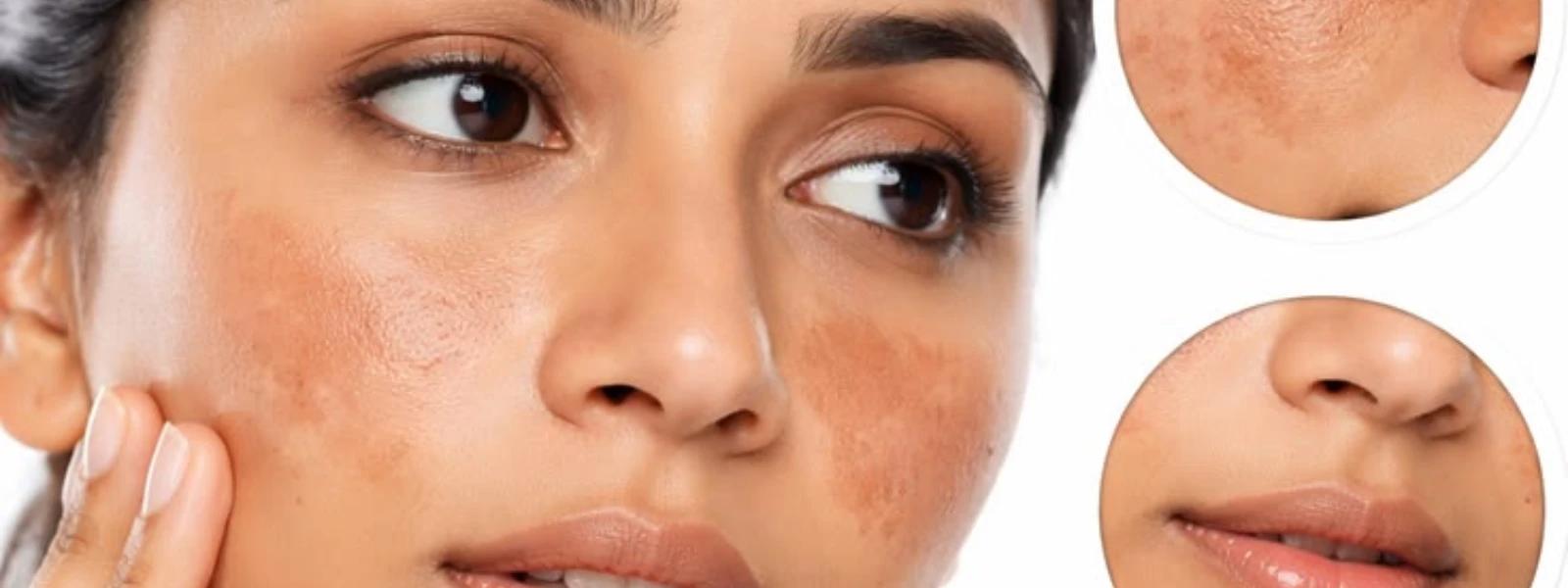

You've noticed those stubborn dark patches appearing on your cheeks after last summer's beach holiday, or perhaps you're dealing with lingering marks from that hormonal breakout three months ago. Living in a bustling city means constant exposure to pollution, UV rays, and stress – all prime culprits behind hyperpigmentation and uneven skin tone. Whether you're searching for effective dark spot removal methods or wondering how to prevent new ones from forming, understanding your options can feel overwhelming. The good news? With the right knowledge and approach, achieving clearer, more even-toned skin is absolutely possible.
Dark spots don't just appear overnight – they're the result of your skin producing excess melanin in response to various triggers. Think of melanin as your skin's natural defence mechanism, but sometimes it goes into overdrive, creating those frustrating patches that seem impossible to fade. City living particularly exposes us to multiple pigmentation triggers daily, from UV radiation bouncing off glass buildings to the oxidative stress caused by air pollution.
The key to effective pigmentation correction lies in understanding what type of dark spots you're dealing with. Post-inflammatory hyperpigmentation (PIH) appears after acne, cuts, or any skin trauma – those reddish-brown marks that linger long after the original blemish has healed. Sun spots and age spots develop from cumulative UV exposure over time, typically appearing on areas like your face, hands, and décolletage. Then there's melasma, often triggered by hormonal changes during pregnancy or from birth control, creating symmetrical patches across the cheeks and forehead.
Post-inflammatory hyperpigmentation is perhaps the most common concern, especially for those dealing with acne-prone skin. These marks can range from light brown to deep purple, depending on your skin tone and the severity of the original inflammation. The deeper the initial trauma, the longer these marks typically take to fade naturally.
Solar lentigines, commonly called sun spots or age spots, result from years of UV exposure. They're flat, brown patches that become more prominent with age as your skin's ability to repair itself diminishes. Unlike freckles, these don't fade during winter months.
Your melanocytes (pigment-producing cells) respond to inflammation, UV exposure, and hormonal fluctuations by ramping up melanin production. This process, called melanogenesis, involves a complex cascade of enzymes, with tyrosinase being the key player. Understanding this helps explain why certain ingredients like vitamin C, niacinamide, and kojic acid work so effectively – they interrupt this production process at different stages.
Prevention truly is better than cure when it comes to preventing dark spots. Your daily habits play a massive role in determining whether you'll develop hyperpigmentation down the line. The most crucial step? Consistent, broad-spectrum sun protection, even on cloudy days or when you're spending most of your time indoors.
City dwellers face unique challenges – pollution particles can create free radicals that trigger melanin production, whilst the urban heat island effect intensifies UV exposure. Air conditioning can also dehydrate your skin, making it more susceptible to irritation and subsequent pigmentation. Building a robust prevention routine means addressing all these factors systematically.
SPF 50+ should be your non-negotiable daily minimum, applied generously and reapplied every two hours. Look for formulations containing iron oxide, which provides additional protection against visible light – particularly important if you spend time near windows or use electronic devices frequently. Tinted sunscreens work brilliantly for this, offering immediate coverage whilst protecting against the full spectrum of damaging rays.
Gentle skincare practices prevent the micro-trauma that can trigger PIH. Avoid aggressive scrubbing, picking at blemishes, or using harsh products that strip your skin barrier. When your skin is compromised, it's more likely to develop pigmentation in response to even minor irritation. Stress management also plays a role – chronic stress elevates cortisol levels, which can worsen inflammatory skin conditions and subsequent pigmentation.
Sometimes at-home care isn't enough, and that's perfectly normal. Professional treatments can accelerate dark spot removal significantly, particularly for stubborn or extensive pigmentation. The key is finding the right treatment for your specific skin type and pigmentation pattern.
Chemical peels remain one of the most effective professional options for skin brightening. They work by removing the top layers of pigmented skin, revealing fresher, more even-toned skin underneath. Glycolic acid, lactic acid, and TCA peels are popular choices, with treatment intensity tailored to your skin's tolerance and pigmentation severity.
Laser treatments offer precise targeting of pigmented areas without affecting surrounding healthy skin. Q-switched lasers break down melanin deposits, which your body then naturally eliminates. IPL (Intense Pulsed Light) works similarly but covers larger areas, making it ideal for widespread sun damage.
Microneedling combined with vitamin C or tranexamic acid can enhance penetration of brightening ingredients whilst stimulating collagen production. This dual approach addresses both pigmentation and skin texture simultaneously.
Hydroquinone remains the gold standard prescription treatment for melasma and stubborn dark spots. It works by inhibiting tyrosinase, effectively reducing melanin production. However, it requires careful monitoring due to potential side effects with long-term use.
Tretinoin accelerates cell turnover, helping pigmented cells shed more quickly whilst preventing new pigmentation from forming. The combination of hydroquinone and tretinoin, often with a mild steroid, forms the basis of many prescription pigmentation treatments.
Building an effective at-home routine for hyperpigmentation treatment requires patience and consistency. The good news is that many over-the-counter ingredients can deliver impressive results when used correctly and persistently.
Vitamin C serums work as powerful antioxidants whilst inhibiting melanin production. L-ascorbic acid is the most potent form, though magnesium ascorbyl phosphate might be better for sensitive skin. Apply vitamin C in the morning under your SPF for maximum protection and brightening benefits.
Niacinamide (vitamin B3) reduces melanin transfer from melanocytes to skin cells, effectively preventing dark spots from becoming visible. It's gentle enough for daily use and works beautifully with other active ingredients. Start with 5% concentrations and gradually increase if needed.
Alpha hydroxy acids like glycolic and lactic acid gently exfoliate pigmented skin cells whilst stimulating cell renewal. Begin with 2-3 times weekly application, always following with SPF during the day as AHAs increase photosensitivity.
Korean skincare emphasises gentle, consistent care over aggressive treatments. Arbutin, derived from bearberry, is a K-beauty favourite for its gentle yet effective melanin-inhibiting properties. Tranexamic acid has gained popularity for treating melasma and stubborn pigmentation without irritation.
The Korean approach also prioritises hydration and barrier repair, recognising that healthy skin responds better to brightening treatments. Ingredients like snail secretion filtrate and centella asiatica support skin healing whilst preventing inflammation-induced pigmentation.
Different types of pigmentation require tailored approaches. Acne-related dark spots respond well to ingredients that address both active breakouts and resulting pigmentation simultaneously.
Body pigmentation, particularly in areas prone to friction like underarms and inner thighs, needs gentler approaches than facial treatments. The skin in these areas is often more sensitive, and harsh treatments can worsen darkening through increased irritation.
Prevention starts during the active breakout phase – resist picking or squeezing, as this increases inflammation and subsequent pigmentation risk. Salicylic acid helps prevent breakouts whilst gently exfoliating to fade existing marks.
Once the active acne has resolved, focus on gentle exfoliation and melanin-inhibiting ingredients. Azelaic acid works particularly well for acne-related PIH, offering both antibacterial and brightening properties without excessive irritation.
Body pigmentation often results from friction, tight clothing, or shaving irritation. Urea and lactic acid body lotions provide gentle exfoliation whilst maintaining hydration. For stubborn areas, glycolic acid body treatments can be more effective, though they require careful introduction to avoid irritation.
Creating an effective routine means layering products correctly and introducing actives gradually. Your morning routine should focus on protection and antioxidants, whilst evening routines can incorporate stronger treatment ingredients.
Start with one active ingredient and use it consistently for 6-8 weeks before adding another. This approach helps you identify what works for your skin whilst minimising irritation risk. Remember, consistency trumps intensity when it comes to fade dark spots effectively.
Begin with a gentle cleanser that won't strip your skin barrier. Follow with a vitamin C serum for antioxidant protection, then a moisturiser appropriate for your skin type. Finish with broad-spectrum SPF 50+, ensuring even coverage across all exposed areas.
Double cleanse to remove SPF and daily pollutants thoroughly. Apply your treatment products in order of thinnest to thickest consistency – typically serums first, then treatments, followed by moisturiser. Retinoids should be introduced gradually, starting 1-2 times weekly and building tolerance slowly.
Gentle cleansers alone won't remove existing dark spots, but they play a crucial supporting role in your pigmentation correction routine. Products like Cetaphil maintain your skin barrier health, preventing irritation that could worsen pigmentation. For actual spot removal, you'll need targeted treatments with active ingredients like vitamin C, niacinamide, or AHAs.
Most people notice initial improvements after 6-8 weeks of consistent use, with significant results typically visible after 3-4 months. Sun spots and PIH generally respond faster than melasma, which can take 6-12 months to show substantial improvement. Remember, skin cell turnover takes approximately 28 days, so patience is essential for effective dark spot removal.
Common side effects include initial dryness, mild irritation, or temporary darkening of spots before they fade. This is normal as your skin adjusts to active ingredients. However, if you experience severe burning, persistent redness, or worsening pigmentation, discontinue use and consult a dermatologist. Always introduce new treatments gradually and maintain consistent sun protection.
Worsening pigmentation can indicate product irritation, inadequate sun protection, or an underlying condition requiring professional attention. Stop using active treatments temporarily and focus on gentle, hydrating products. If spots continue darkening or new ones appear rapidly, consult a dermatologist to rule out conditions like melasma or other pigmentation disorders.
Consistent sun protection is non-negotiable – even the most effective treatments won't work if you're continuously creating new damage. Use SPF 50+ daily, seek shade during peak hours, and wear protective clothing when possible. Avoid picking at blemishes or irritating your skin, as inflammation triggers melanin production. Maintain a gentle skincare routine that supports your skin barrier whilst incorporating proven brightening ingredients.
Achieving clearer, more even-toned skin requires a comprehensive approach combining prevention, treatment, and patience. Understanding your specific type of pigmentation helps you choose the most effective treatments, whether that's professional procedures or carefully selected at-home products. Remember, preventing dark spots is always easier than treating them, making daily sun protection your most important investment.
The journey to brighter skin isn't always linear – some spots may fade quickly whilst others require months of consistent care. What matters most is finding products and routines that work for your lifestyle and skin type. Smytten Shop offers an excellent way to discover new skin brightening products through samples, allowing you to test formulations before committing to full sizes. With over 28 million users trusting the platform for their beauty discoveries, you can explore curated selections of proven pigmentation-fighting ingredients with confidence, earning cashback on your skincare investments along the way.
