Post-Acne Marks Treatment: A Step-by-Step Guide for Clearer Skin


Asaya Dark Spot Reduction Set | 3-Step Routine for Hyperpigmentation & Even Skin Tone | Cleanser, Serum & Moisturizer | Skin Care Routine Kit
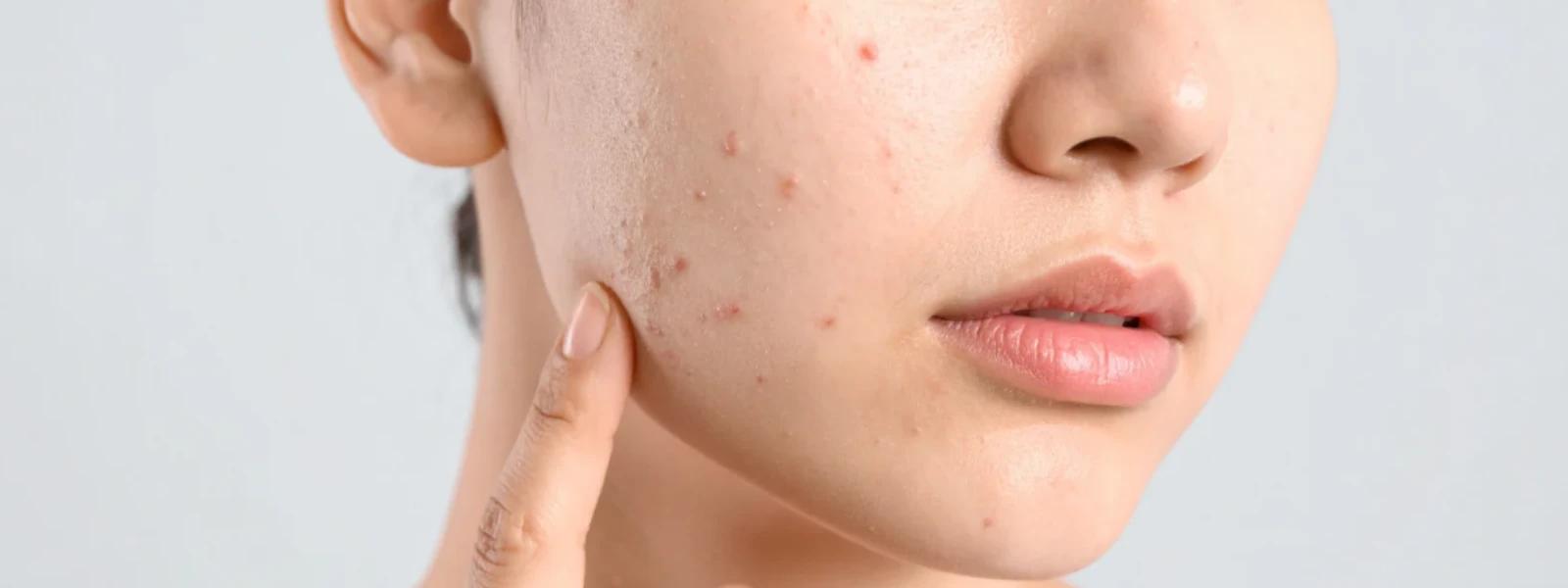
You've finally conquered that stubborn breakout, but now you're left staring at dark spots and red marks where the blemishes used to be. Sound familiar? Those lingering reminders of past acne can feel just as frustrating as the original spots themselves. The good news is that post-acne marks are treatable, and with the right approach, you can achieve the clearer, more even skin tone you're after. Whether you're dealing with dark patches, persistent redness, or textured scarring, understanding your options is the first step towards effective treatment.
Before diving into treatment options, it's crucial to understand what you're actually dealing with. Not all post-acne marks are created equal, and different types respond to different treatments. Getting this right from the start can save you months of trial and error.
There are three main types of marks that can linger after acne heals. Post inflammatory hyperpigmentation (PIH) appears as dark brown or black spots, particularly common on deeper skin tones. Post inflammatory erythema (PIE) shows up as red or pink marks, more visible on lighter skin. True atrophic scars are indented areas where the skin has lost volume during the healing process.
When your skin experiences inflammation from acne, it can trigger excess melanin production as part of the healing response. This results in those stubborn dark patches that seem to take forever to fade. Hyperpigmentation treatment focuses on inhibiting melanin production and encouraging cell turnover to reveal fresh, evenly-toned skin underneath.
Redness after acne occurs when dilated capillaries remain visible beneath the skin's surface. Unlike true scars, these red marks are flat and will eventually fade on their own, though treatment can speed up the process. True scars involve actual tissue damage and require more intensive intervention.
Several factors influence how your skin heals after breakouts. Picking at spots, sun exposure during the healing process, and your natural skin tone all play a role. Those with deeper skin tones are more prone to post inflammatory hyperpigmentation, while lighter skin types often experience more persistent redness.
The beauty of modern skincare is that many effective treatments are now available for home use. Building a targeted routine with the right active ingredients can deliver impressive results over time, often rivalling professional treatments when used consistently.
Retinoids are the gold standard for acne mark fading because they accelerate cell turnover and stimulate collagen production. Start with over-the-counter retinol products if you're new to retinoids, or consider adapalene (available without prescription) for more potent results. These ingredients help fade both dark spots and improve skin texture over time.
Vitamin C is a powerhouse antioxidant that inhibits melanin production whilst protecting against environmental damage. Look for stable forms like magnesium ascorbyl phosphate or sodium ascorbyl phosphate for sensitive skin, or L-ascorbic acid for maximum potency. Regular use can significantly improve uneven skin tone and prevent new discolouration from forming.

Asaya Rapid Dark Spot Correction Set | Reduces Dark Spots & Post-Acne Marks | Cleanser, Gel, Moisturizer & Sunscreen Kit
Chemical exfoliants work by dissolving the bonds between dead skin cells, revealing fresher skin beneath. Glycolic acid is particularly effective for surface-level pigmentation, while salicylic acid can penetrate pores to prevent new breakouts whilst addressing existing marks. Start slowly with these ingredients to avoid irritation.
These gentler actives are excellent for sensitive skin or those just starting their post-acne marks treatment journey. Niacinamide helps regulate oil production whilst reducing inflammation and improving skin barrier function. Azelaic acid offers both antibacterial and brightening properties, making it ideal for preventing new breakouts whilst fading existing marks.
Layering compatible actives can amplify your results. Try vitamin C in the morning with SPF, and alternate between retinoids and AHAs in the evening. Always introduce new products gradually and listen to your skin's response. The most effective acne scar serum routine is one you can maintain consistently.
When home treatments aren't delivering the results you're after, professional interventions can provide more dramatic improvements. These treatments typically work faster than at-home options but require proper consultation and aftercare.
Professional-strength peels use higher concentrations of acids to remove damaged skin layers more aggressively. Glycolic, salicylic, and TCA peels are commonly used for post-acne marks treatment. Multiple sessions are usually required, with costs ranging from ₹3,000 to ₹8,000 per session depending on the peel depth and clinic location.
This procedure creates controlled micro-injuries to stimulate collagen production and improve product absorption. It's particularly effective for textured scarring and can enhance the results of topical treatments. Professional microneedling typically costs between ₹5,000 to ₹12,000 per session.
Laser treatments target specific concerns with precision. IPL (Intense Pulsed Light) is excellent for reducing redness and mild pigmentation, whilst fractional lasers can address deeper scarring. These treatments require significant downtime and investment, with costs starting from ₹15,000 per session.
Consider professional treatment if you have deep, pitted scars, extensive pigmentation that hasn't responded to home care after six months, or if you're experiencing ongoing breakouts alongside scarring. A dermatologist can assess your specific needs and recommend the most appropriate treatment plan.

Asaya Target & Fade Duo for Hyperpigmentation | Even-Tone Underarms, Inner Thighs & Bum | Refines Skin Texture | For All Skin Types
Consistency is key when treating post-acne marks. A well-structured routine ensures your skin receives the right ingredients at the right time whilst maintaining its barrier function throughout the treatment process.
Start with a gentle cleanser to remove overnight buildup without stripping your skin. Apply vitamin C serum to damp skin, followed by a lightweight moisturiser. Finish with broad-spectrum SPF 30 or higher - this step is non-negotiable as UV exposure can darken existing marks and create new ones.
Cleanse thoroughly to remove sunscreen and daily buildup. This is when you'll apply your treatment products - retinoids, AHAs, or other actives. Always follow with a nourishing moisturiser to support your skin barrier. Start with actives 2-3 times per week and gradually increase frequency as your skin adapts.
Incorporate targeted treatments like clay masks for ongoing breakout prevention or hydrating masks to support healing. Acne scar serums with higher concentrations of actives can be used 1-2 times weekly for intensive treatment. Always patch test new products before full application.
Sun protection is arguably the most important step in any post-acne marks treatment routine. UV exposure can darken existing pigmentation and undo months of progress. Choose a broad-spectrum formula that doesn't clog pores, and reapply throughout the day if you're outdoors.
Avoid over-exfoliating, which can increase inflammation and slow healing. Don't pick at healing spots, as this can worsen scarring and pigmentation. Skipping moisturiser or sunscreen can compromise your skin barrier and hinder the healing process. Patience is crucial - rushing results often leads to setbacks.
Understanding realistic timelines helps set proper expectations and prevents frustration during your acne mark fading journey. Different types of marks respond at different rates, and individual factors can influence your results.
Red marks typically fade within 3-6 months with consistent treatment, whilst dark spots can take 6-12 months to significantly improve. True scars may require 12-18 months of treatment or professional intervention. Your skin naturally renews itself every 28 days, so visible improvements often become apparent after 2-3 skin cycles.
Age, skin type, mark severity, and treatment consistency all influence your results. Younger skin typically heals faster, whilst deeper skin tones may see slower pigmentation fading but often achieve more dramatic final results. Consistent product use and sun protection significantly impact treatment success.

Asaya Advanced Spot Targeting Gel | Fast-Acting Discolouration Care | Targets Stubborn Marks | Spicules + Biomimetic Peptides + Arbutin | 15g
Most people see 50-80% improvement in post inflammatory hyperpigmentation with consistent home treatment. Red marks often fade more completely, whilst textured scarring may require professional intervention for significant improvement. Progress photos taken monthly can help track subtle changes that might not be obvious day-to-day.
Take photos in consistent lighting every 2-4 weeks to monitor progress objectively. If you're not seeing improvement after 3 months of consistent use, consider adjusting your routine or consulting a dermatologist. Sometimes switching active ingredients or increasing frequency can jumpstart stalled progress.
The most effective approach combines consistent use of active ingredients like retinoids, vitamin C, and chemical exfoliants with diligent sun protection. Professional treatments like chemical peels or laser therapy can accelerate results for stubborn marks.
Red marks and surface pigmentation can fade completely with proper treatment. Deep, pitted scars typically improve significantly but may not disappear entirely without professional intervention like laser resurfacing or subcision.
Without treatment, red marks may fade within 6-12 months, whilst dark spots can persist for years. With consistent treatment, most marks show significant improvement within 3-6 months, though complete fading may take longer.
Look for serums containing retinol, vitamin C, niacinamide, or AHAs. The best choice depends on your skin type and mark type - vitamin C for pigmentation, retinoids for overall texture improvement, and niacinamide for sensitive skin.
Red marks typically fade naturally over 6-12 months, whilst dark spots may persist much longer without intervention. Treatment significantly accelerates the fading process and can prevent new marks from forming.
Yes, by treating breakouts promptly, avoiding picking, using anti-inflammatory ingredients during active breakouts, and maintaining consistent sun protection. Gentle skincare during healing also reduces the risk of persistent marks.
Treating post-acne marks requires patience, consistency, and the right approach for your specific skin concerns. Whether you're dealing with stubborn dark spots, persistent redness, or textured scarring, there are effective solutions available. The key is understanding your mark type, choosing appropriate treatments, and maintaining realistic expectations about timelines.
Remember that skincare is deeply personal, and what works for others might need adjustment for your skin. Platforms like Smytten Shop make it easier to discover and trial new products from trusted brands, helping you build an effective routine without the guesswork. With over 28 million users exploring curated beauty selections, you're not alone in your journey towards clearer, more confident skin. Your skin will notice the difference when you find the right combination of products and stick with them consistently.
