Monsoon Pimples FAQ: Your Questions on Acne in Rainy Season Answered
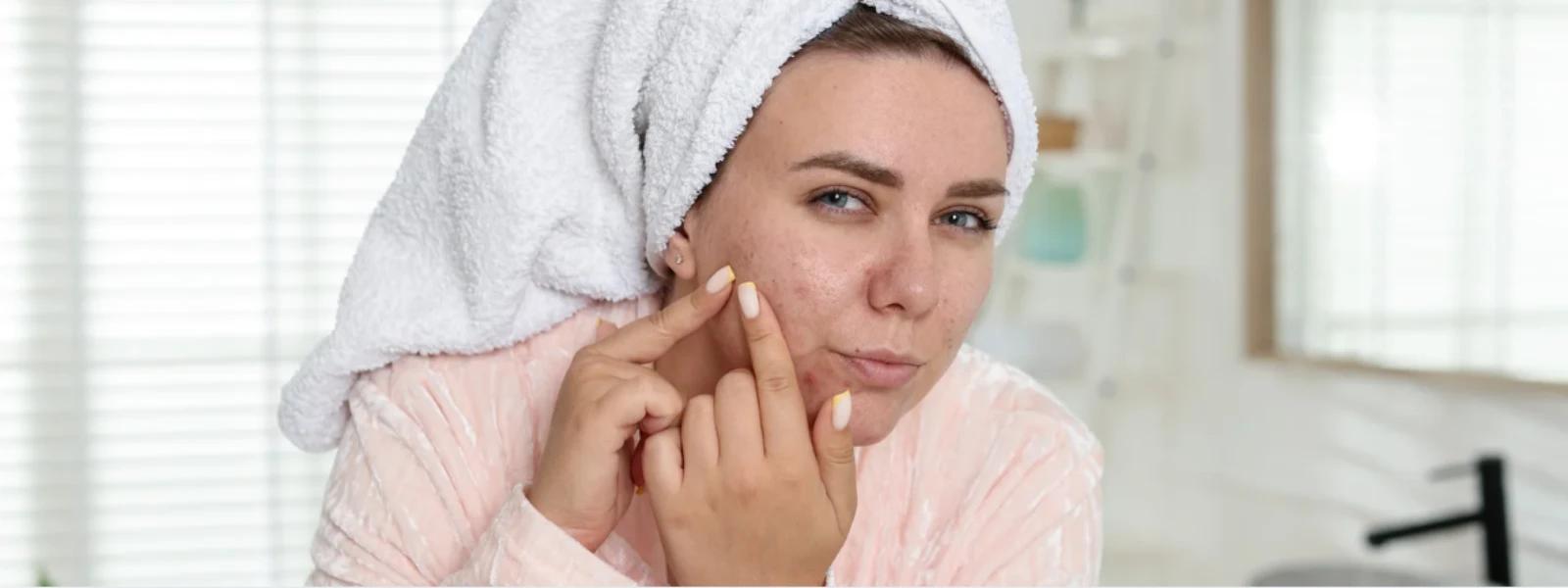

That first monsoon shower feels magical until you wake up the next morning with a fresh crop of pimples dotting your face. If you've noticed your skin acting up every rainy season, you're not alone. The combination of humidity, sweat, and environmental changes creates the perfect storm for monsoon acne, leaving many wondering why their usually manageable skin suddenly rebels against them.
The monsoon season brings relief from scorching heat, but it also creates conditions that can wreak havoc on your skin. Understanding why pimples in rainy season occur helps you tackle them more effectively.
When humidity levels spike during monsoon, your skin's sebaceous glands go into overdrive. The moisture in the air tricks your skin into thinking it needs to produce more oil to maintain balance. This excess sebum mixes with dead skin cells and bacteria, creating the perfect recipe for clogged pores and breakouts.
Even though temperatures drop during rainy season, the sticky humidity makes you sweat more than usual. This sweat doesn't evaporate quickly in humid conditions, instead sitting on your skin and mixing with oils and dirt. The result? Blocked pores that turn into those frustrating monsoon pimples.
Propionibacterium acnes, the bacteria responsible for acne, thrives in warm, moist environments. The monsoon season provides ideal breeding conditions, leading to increased bacterial activity on your skin. This explains why even people with normally clear skin experience breakouts during rainy months.
Monsoon winds carry more dust and pollutants, which stick to your damp skin more easily. These particles can irritate your skin and contribute to inflammation, making existing acne worse and triggering new breakouts.
Real talk: dealing with monsoon pimples requires a strategic approach that addresses both immediate concerns and long-term prevention. Here are methods that actually work for managing rainy season breakouts.
Switch to a gentle, salicylic acid-based cleanser that can cut through excess oil without over-drying your skin. Cleanse twice daily, but avoid scrubbing harshly as this can irritate already inflamed skin and trigger more oil production.
Use steam therapy once or twice a week to open pores and remove trapped debris. Add a few drops of tea tree oil to the water for its antibacterial properties. Follow immediately with a clay mask to draw out impurities whilst pores are still open.
During monsoon, your hands pick up more bacteria and pollutants from damp surfaces. Make it a habit to wash your hands thoroughly before applying any skincare products or touching your face. This simple step prevents transferring additional bacteria to already vulnerable skin.
Heavy foundations and concealers can trap moisture and bacteria against your skin. Opt for lightweight, non-comedogenic formulas or go makeup-free when possible. If you must wear makeup, choose water-resistant formulas that won't slide off in humidity.
Reduce dairy and high-glycemic foods during monsoon, as these can increase inflammation and oil production. Instead, focus on foods rich in omega-3 fatty acids and antioxidants like walnuts, green leafy vegetables, and berries to support skin healing from within.
Oily hair touching your face can transfer additional oils and bacteria. Keep hair clean and off your face, especially around the forehead and jawline. Use a gentle, sulphate-free shampoo to avoid stripping natural oils, which can cause your scalp to overproduce sebum.
Every product in your monsoon skincare routine should be labelled non-comedogenic. This includes moisturisers, sunscreens, and even hair products. These formulations won't clog pores, reducing your risk of developing new breakouts.
Building an effective skincare routine for monsoon requires balancing oil control with adequate hydration. Your skin still needs moisture, even when it's producing excess oil.
Start with a gentle gel cleanser containing niacinamide to control oil production without stripping your skin. Follow with a lightweight, oil-free moisturiser and broad-spectrum SPF 30 or higher. Yes, you need sunscreen even on cloudy monsoon days.
Double cleanse in the evening to remove all traces of pollution and sweat. Use a BHA exfoliant like salicylic acid 2-3 times per week to keep pores clear. Apply a targeted spot treatment with benzoyl peroxide on active breakouts, followed by a gentle moisturiser.
Incorporate a gentle AHA exfoliant once weekly to remove dead skin cells and improve skin texture. Use a clay mask with kaolin or bentonite clay to absorb excess oil and draw out impurities from pores.
Look for products with proven acne-fighting ingredients like salicylic acid, niacinamide, and zinc. Avoid products with heavy oils or fragrances that might irritate sensitive, breakout-prone skin during humid weather.
Sometimes the most effective solutions come from your kitchen. These pimples home remedies can complement your regular skincare routine and provide gentle relief for monsoon breakouts.
Tulsi and neem have powerful antibacterial properties that can help reduce acne-causing bacteria. Make a paste with fresh tulsi leaves and water, or use neem oil diluted with a carrier oil as a spot treatment. Both ingredients are particularly effective for Indian skin types.
Soak fennel seeds overnight and drink the water first thing in the morning. This helps flush toxins from your system and can reduce inflammation that contributes to acne. The cooling properties of fennel are especially beneficial during humid monsoon weather.
Mix multani mitti (fuller's earth) with rose water to create a natural clay mask. This combination absorbs excess oil whilst providing gentle antibacterial benefits. Use once or twice weekly to keep oily skin in check without over-drying.
Green tea, chamomile, and spearmint tea all have anti-inflammatory properties that can help reduce acne from the inside out. You can also use cooled green tea as a toner, applying it with a cotton pad to affected areas.
Raw honey has natural antibacterial properties and can be applied directly to pimples as an overnight treatment. Turmeric mixed with a small amount of water creates an anti-inflammatory paste that can reduce redness and swelling.
The best approach to acne prevention tips during monsoon focuses on creating an environment where breakouts are less likely to occur. Prevention is always easier than treatment.
Wear breathable, cotton fabrics that allow air circulation and absorb sweat. Avoid synthetic materials that trap moisture against your skin. Change clothes immediately after getting wet in the rain to prevent bacterial growth.
Use a dehumidifier in your bedroom to reduce moisture levels. Keep your living space well-ventilated and clean to minimise the accumulation of mould and bacteria that can aggravate skin conditions.
Weather changes can affect your mood and stress levels, which in turn impact your skin. Practice stress-reduction techniques like meditation, yoga, or deep breathing exercises to keep cortisol levels in check.
Change your pillowcases frequently during monsoon, as they can harbour bacteria and oils. Sleep with your hair tied back to prevent oils from transferring to your face overnight.
If you can't exercise outdoors due to rain, find indoor alternatives. Always shower immediately after working out to remove sweat and bacteria before they can clog pores.
Sometimes home care isn't enough, and professional pimples treatment becomes necessary. Knowing when to seek help can prevent scarring and long-term skin damage.
If you're experiencing painful cystic acne, widespread breakouts that don't respond to over-the-counter treatments, or if acne is affecting your mental health, it's time to see a dermatologist. Early intervention can prevent scarring and improve outcomes.
Dermatologists can offer treatments like chemical peels, LED light therapy, or prescription medications that aren't available over the counter. These treatments can be particularly effective for stubborn monsoon acne.
Topical retinoids, oral antibiotics, or hormonal treatments might be necessary for severe cases. Your dermatologist can determine the best approach based on your specific skin type and acne severity.
Professional treatments work best when combined with a consistent home skincare routine. Your dermatologist can recommend specific products that complement your prescribed treatments.
Focus on gentle cleansing with salicylic acid, spot treatments with benzoyl peroxide, and avoiding touching your face. Quick fixes include ice to reduce inflammation and clay masks to absorb excess oil. However, sustainable results require consistent skincare rather than quick solutions.
Whilst you can't permanently cure acne, you can effectively manage it with the right skincare routine and lifestyle changes. Many people find their skin improves significantly once they establish consistent habits and use appropriate products for their skin type.
Limit dairy products, sugary foods, and processed snacks as these can increase inflammation and oil production. Instead, focus on fresh fruits, vegetables, and foods rich in omega-3 fatty acids to support skin health from within.
Most people see initial improvements within 2-4 weeks of starting a new routine, but significant changes typically take 6-12 weeks. Be patient and consistent with your skincare routine, as rushing the process can actually make acne worse.
Monsoon pimples are triggered by increased humidity, sweat, and environmental factors, but they're essentially the same as regular acne. The treatment approach remains similar, though you might need to adjust your routine to account for increased oil production and humidity.
You might need to adjust your routine for different seasons. During monsoon, you may need lighter moisturisers, more frequent cleansing, and additional oil-control products. Listen to your skin and modify your routine as needed.
Managing monsoon pimples doesn't have to be a yearly struggle. With the right combination of gentle skincare, lifestyle adjustments, and patience, you can keep your skin clear even during the most humid months. Remember that consistency matters more than perfection – a simple routine followed daily will always outperform an elaborate one used sporadically.
The key is understanding your skin's unique needs during monsoon and adjusting accordingly. Whether you're exploring new products on platforms like Smytten Shop, where you can try samples before committing to full sizes, or sticking with tried-and-tested favourites, the most important thing is maintaining a routine that works for your lifestyle and skin type.
Your skin will thank you for the extra attention during monsoon season, and you'll feel more confident facing whatever weather comes your way. Remember, clear skin is a journey, not a destination – be kind to yourself along the way.
