Melasma Treatment FAQ: Everything About Skin Discoloration
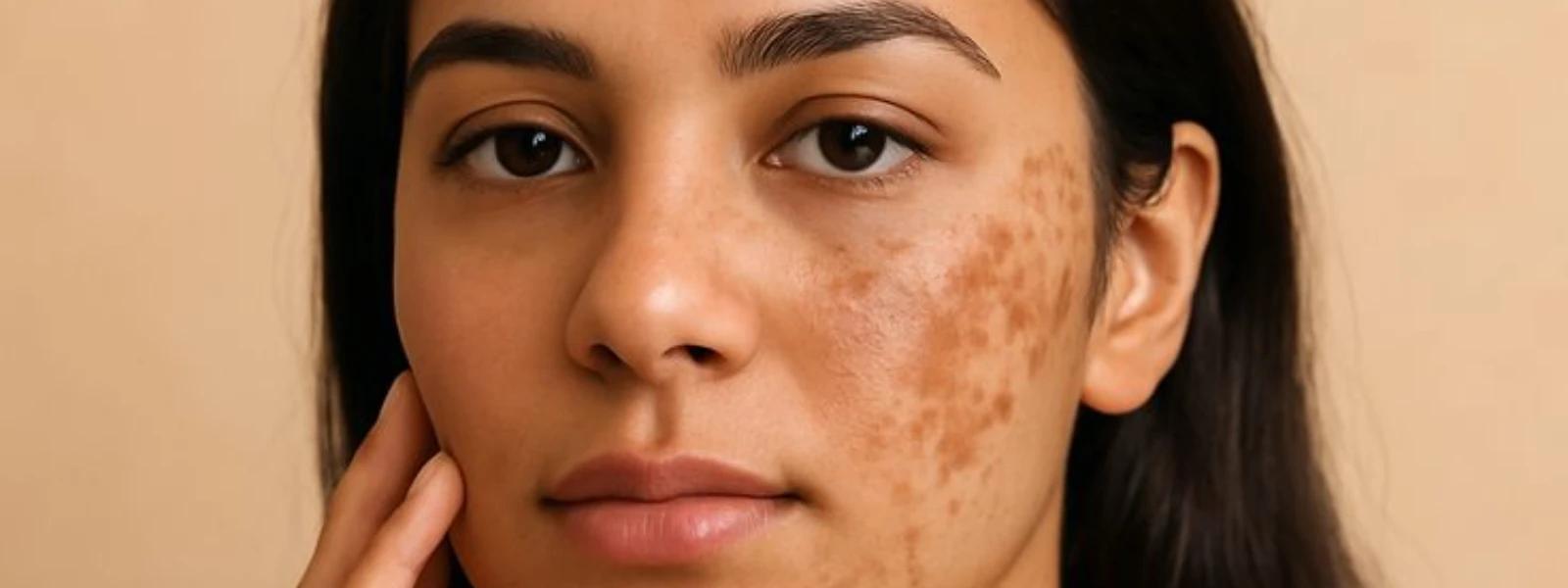

That stubborn patch of discolouration on your cheek that appeared during pregnancy and refuses to budge? Or those symmetrical dark spots that seem to deepen every summer despite your best SPF efforts? You're likely dealing with melasma, one of the most persistent forms of hyperpigmentation. Unlike post-acne marks that fade with time, melasma requires a strategic approach combining the right ingredients, professional treatments, and unwavering sun protection. The good news? With consistent care and realistic expectations, you can significantly improve uneven skin tone and regain confidence in your complexion.
Melasma presents as brown or grey-brown patches, typically appearing symmetrically across the face. Unlike other forms of skin discoloration, melasma has a distinctive pattern - you'll often see it on the forehead, cheeks, bridge of the nose, and upper lip area. The patches have irregular borders and can range from light brown to deep charcoal, depending on your skin tone.
The primary melasma causes stem from hormonal fluctuations combined with sun exposure. Pregnancy hormones, birth control pills, and hormone replacement therapy all trigger melanocyte activity - the cells responsible for pigment production. This is why melasma is sometimes called "the mask of pregnancy," affecting up to 70% of pregnant women. However, hormones alone don't cause melasma; UV exposure acts as the catalyst that activates dormant pigment cells.
Genetics also play a significant role. If your mother or grandmother experienced melasma, you're more likely to develop it. Additionally, certain medications like anti-seizure drugs can increase photosensitivity, making you more susceptible to dark spots on face when exposed to sunlight.
Melasma typically follows three distinct patterns. The centrofacial pattern affects the forehead, cheeks, nose, and upper lip - this is the most common type. The malar pattern appears on the cheeks and nose, whilst the mandibular pattern affects the jawline. Unlike post-inflammatory hyperpigmentation from acne, melasma patches are usually larger, more diffuse, and perfectly symmetrical on both sides of the face.
When it comes to melasma treatment, you have several pathways depending on the severity of your condition and your skin's tolerance. The most effective approach often combines multiple ingredients and treatment modalities, starting with topical options before considering professional procedures.
Prescription treatments remain the gold standard for moderate to severe melasma, offering higher concentrations of active ingredients than over-the-counter alternatives. However, many people see significant improvement with consistent use of well-formulated OTC products, especially when combined with religious sun protection.
Hydroquinone remains the most researched and effective topical treatment for melasma. Available in 2-4% concentrations by prescription, hydroquinone works by inhibiting tyrosinase, the enzyme responsible for melanin production. Most dermatologists recommend starting with 2% formulations to assess tolerance before moving to stronger concentrations.
The triple combination cream containing hydroquinone, tretinoin, and a mild corticosteroid offers the most comprehensive approach to melasma removal. Tretinoin accelerates cell turnover, helping to shed pigmented cells faster, whilst the corticosteroid reduces inflammation that can worsen pigmentation. This combination typically shows results within 8-12 weeks of consistent use.
For those preferring gentler alternatives, several OTC ingredients show promise for skin lightening. Azelaic acid offers anti-inflammatory and melanin-inhibiting properties without the potential irritation of hydroquinone. Kojic acid, derived from fungi, works similarly to hydroquinone but with a gentler profile suitable for sensitive skin.
Vitamin C in stable forms like magnesium ascorbyl phosphate provides antioxidant protection whilst inhibiting melanin formation. Niacinamide helps regulate melanin transfer from melanocytes to skin cells, making it an excellent supporting ingredient in any melasma routine. Tranexamic acid, originally used to control bleeding, has shown remarkable results in reducing melasma when applied topically, with some studies showing it's as effective as hydroquinone.
When topical treatments plateau or you're seeking faster results, professional procedures can accelerate melasma treatment. However, these treatments require careful consideration, as aggressive procedures can sometimes worsen melasma, particularly in darker skin tones.
Chemical peels using glycolic acid, lactic acid, or trichloroacetic acid can help address uneven skin tone by removing pigmented surface cells. Light peels can be performed monthly, whilst deeper peels require longer recovery periods but offer more dramatic results. The key is finding the right depth - too shallow won't affect melasma, whilst too deep can cause post-inflammatory hyperpigmentation.
Laser treatments specifically designed for melasma, such as Q-switched Nd:YAG laser toning, use low-energy pulses to break down melanin without damaging surrounding tissue. These treatments typically require 6-10 sessions spaced 2-4 weeks apart. Fractional lasers can also improve melasma by creating controlled micro-injuries that stimulate skin renewal, though they carry higher risks of complications in darker skin types.
Most professional treatments show initial results within 4-6 weeks, with optimal results appearing after 3-6 months of consistent treatment. The timeline varies significantly based on melasma depth, skin type, and individual healing response.
Whilst prescription treatments offer the fastest results, several natural approaches show promise as supportive therapies for melasma treatment. These beauty tips for melasma work best when combined with proven topical treatments and strict sun protection.
Aloe vera contains aloesin, a compound that inhibits tyrosinase activity. Studies show that aloe vera gel applied twice daily can reduce melasma severity over 4-8 weeks. Glutathione, taken orally or applied topically, acts as a powerful antioxidant that can shift melanin production from darker eumelanin to lighter pheomelanin.
Certain vitamins show promise for internal melasma support. Vitamin C supplements (500-1000mg daily) provide systemic antioxidant protection, whilst vitamin E works synergistically with vitamin C to enhance its effects. Polypodium leucotomos extract, taken orally, offers photoprotection from within, reducing UV-induced skin damage that can worsen melasma.
Dietary considerations include increasing antioxidant-rich foods like berries, leafy greens, and green tea, which provide natural photoprotection. However, it's crucial to maintain realistic expectations - natural treatments typically require 3-6 months of consistent use to show noticeable results, and they work best as part of a comprehensive treatment plan rather than standalone solutions.
No melasma treatment will succeed without rigorous sun protection. UV exposure not only triggers initial melasma development but can also reverse months of treatment progress in just days. This makes daily SPF application the most critical step in your routine.
Broad-spectrum SPF 50+ should be your minimum standard, applied generously 20 minutes before sun exposure and reapplied every two hours. Mineral sunscreens containing zinc oxide and titanium dioxide offer superior protection for melasma-prone skin, as they provide immediate protection without the potential irritation of chemical filters.
Recent research highlights the importance of protecting against visible light, not just UV rays. Iron oxide in tinted sunscreens provides additional protection against blue light and visible light that can worsen melasma. This is particularly important for those who spend significant time in front of screens or under artificial lighting.
Beyond sunscreen, physical protection through wide-brimmed hats, sunglasses, and seeking shade during peak hours (10am-4pm) significantly reduces melasma triggers. Even on cloudy days, up to 80% of UV rays penetrate clouds, making daily SPF application non-negotiable regardless of weather conditions.
Understanding the melasma treatment timeline helps set appropriate expectations and maintain consistency during the often lengthy improvement process. Unlike acne marks that may fade in weeks, melasma requires patience and persistence, with most people seeing initial improvements after 6-8 weeks of consistent treatment.
The first month typically involves skin adjustment to new products, with possible initial irritation or dryness. Weeks 6-12 often show the first signs of lightening, particularly in surface-level pigmentation. Deeper melasma may require 4-6 months or longer to show significant improvement, as the pigment sits deeper in the dermis and requires more time to reach the surface through natural skin turnover.
It's important to understand that melasma often recurs, particularly with hormonal changes or sun exposure. This makes maintenance treatment essential even after achieving desired results. Many people find they need to continue using gentler versions of their treatment products indefinitely to prevent recurrence.
Factors affecting treatment success include melasma depth, skin type, hormonal status, and adherence to sun protection. Those with surface-level melasma typically respond faster than those with deeper pigmentation. Additionally, melasma that developed recently often responds better than long-standing patches.
The fastest natural approach combines topical vitamin C serum, aloe vera gel, and oral antioxidants like glutathione or polypodium leucotomos. However, natural treatments typically require 3-4 months of consistent use to show noticeable results. Combining natural ingredients with proven treatments like azelaic acid or kojic acid can accelerate results whilst maintaining a gentler approach than prescription options.
Permanent melasma removal is challenging because the condition often recurs with hormonal changes or sun exposure. The most effective approach combines prescription treatments (hydroquinone or tretinoin), professional procedures (chemical peels or laser therapy), and lifelong sun protection. Even after successful treatment, maintenance therapy is usually necessary to prevent recurrence.
Whilst natural treatments can significantly improve melasma appearance, they rarely provide complete clearance on their own. Natural ingredients like vitamin C, kojic acid, and licorice root extract can lighten pigmentation over time, but they work best when combined with proven treatments and strict sun protection. Natural approaches require patience, typically showing results after 4-6 months of consistent use.
Vitamin C is the most researched vitamin for melasma, working both topically and internally to inhibit melanin production and provide antioxidant protection. Topical vitamin C in stable forms like magnesium ascorbyl phosphate shows the best results. Vitamin E works synergistically with vitamin C to enhance its effects, whilst oral vitamin C supplements (500-1000mg daily) provide systemic support.
Prescription hydroquinone (2-4%) remains the gold standard for melasma treatment, with triple combination creams (hydroquinone + tretinoin + corticosteroid) showing the highest success rates. For those preferring gentler options, tranexamic acid and azelaic acid offer effective alternatives. Professional treatments like Q-switched laser therapy can accelerate results when combined with topical treatments.
Internal melasma support includes oral antioxidants like glutathione (500-1000mg daily), vitamin C supplements, and polypodium leucotomos extract for photoprotection. Anti-inflammatory foods rich in antioxidants, omega-3 fatty acids, and avoiding known triggers like certain medications can support external treatments. However, internal approaches work best as supportive therapy rather than standalone treatment.
Successfully managing melasma requires a comprehensive approach combining the right active ingredients, professional treatments when needed, and unwavering commitment to sun protection. Whilst the journey can be lengthy, with most people seeing significant improvement within 3-6 months of consistent treatment, the results are worth the patience and persistence required.
Remember that melasma treatment is highly individual - what works brilliantly for one person may not suit another's skin type or lifestyle. Starting with gentler options like vitamin C, niacinamide, or azelaic acid allows you to assess your skin's tolerance before progressing to stronger treatments. For those exploring new skincare options, platforms like Smytten Shop offer the opportunity to try products from premium brands before committing to full sizes, helping you find the right melasma treatment without the guesswork.
The key to long-term success lies in viewing melasma management as a marathon, not a sprint. Consistent daily care, realistic expectations, and professional guidance when needed will help you achieve and maintain clearer, more even-toned skin. Your skin's journey is unique, and with the right approach, you can regain confidence in your complexion whilst preventing future pigmentation concerns.
