Melasma FAQ: Understanding What Causes Melasma & Triggers
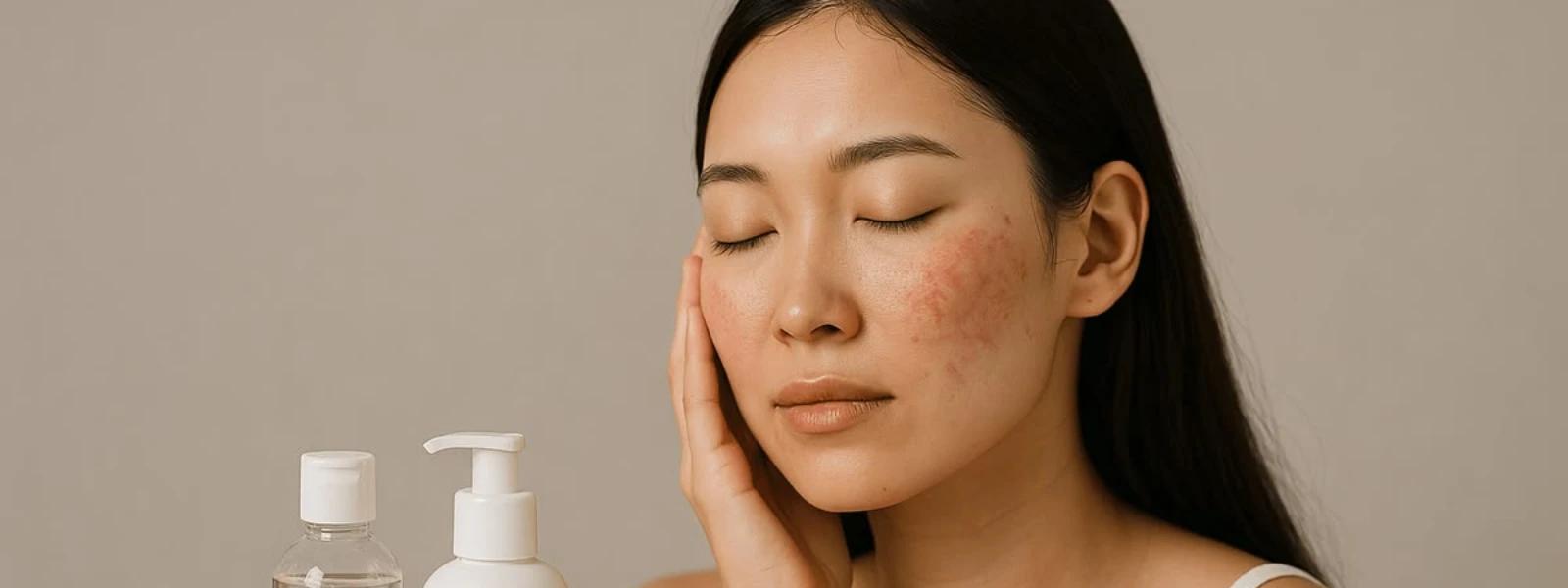

That stubborn patch of brown discolouration on your cheek isn't just another blemish—it's likely melasma, and you're definitely not alone in wondering what's behind it. This common skin condition affects millions of people worldwide, creating symmetrical patches of hyperpigmentation that can feel frustratingly persistent. Understanding what causes melasma is the first step towards managing it effectively, and the good news is that once you know your triggers, you can take meaningful action to protect your skin.
Melasma occurs when your skin's pigment-producing cells, called melanocytes, go into overdrive and create excess melanin in specific areas of your face. Think of it as your skin's overenthusiastic response to certain triggers, resulting in those telltale brown or grey patches that typically appear symmetrically across your cheeks, forehead, nose, and upper lip.
The condition rests on three main pillars: sun exposure, hormonal changes, and genetic predisposition. These factors work together like a perfect storm, with each one amplifying the others' effects. What makes melasma particularly tricky is that it's not just one thing causing it—it's usually a combination of these melasma triggers working together.
Research shows that melasma affects approximately 5-6 million people annually, with women being nine times more likely to develop it than men. This stark gender difference points directly to hormones playing a starring role in melasma causes skin changes. The condition typically emerges during reproductive years, particularly between the ages of 20 and 40, when hormonal fluctuations are most common.
UV radiation stands as the number one trigger for melasma development and worsening. When your skin encounters UV rays, it signals melanocytes to produce more melanin as a protective response. In melasma-prone skin, this process goes haywire, creating uneven patches of hyperpigmentation rather than an even tan.
But here's what many people don't realise: it's not just direct sunlight you need to worry about. Visible light and infrared heat can also trigger melanocyte activity. This means that even sitting by a sunny window or spending time near heat sources can potentially worsen existing melasma. Recent studies have shown that visible light, particularly blue light, can penetrate deeper into the skin than UV rays and may contribute to pigmentation issues.
Emerging research suggests that blue light from LED screens might contribute to skin discoloration causes, though the evidence is still developing. While the jury's still out on whether your laptop is directly worsening your melasma, it's worth noting that prolonged exposure to any light source can potentially affect pigment-producing cells.
Many people notice their melasma worsens during summer months or after holidays in sunny destinations. Geographic location plays a significant role too—those living closer to the equator or at higher altitudes face increased UV exposure and, consequently, higher melasma risk factors.
Hormonal melasma is so common during pregnancy that it's earned the nickname "chloasma" or the "mask of pregnancy." Rising levels of oestrogen and progesterone during pregnancy can trigger melanocyte activity, leading to the characteristic patches that appear on many expectant mothers' faces.
But pregnancy isn't the only hormonal culprit. Birth control pills and hormone replacement therapy can also trigger melasma in susceptible individuals. The synthetic hormones in these treatments can mimic the effects of pregnancy hormones, leading to similar pigmentation changes. Even natural hormonal fluctuations during your menstrual cycle can cause existing melasma to darken or lighten cyclically.
There's also an interesting connection between thyroid disease and melasma development. Hypothyroidism, in particular, has been linked to increased pigmentation issues. If you're dealing with persistent melasma alongside other symptoms like fatigue or weight changes, it might be worth discussing thyroid function with your healthcare provider.
Your family history plays a significant role in melasma development, with studies showing a 33-50% genetic predisposition rate. If your mother or sister has dealt with melasma, you're more likely to develop it yourself. This genetic component explains why certain families seem particularly prone to pigmentation issues.
Skin type also influences your melasma risk factors. People with medium to dark skin tones (Fitzpatrick skin types III-V) are more susceptible to developing melasma. This includes individuals of Latin, Asian, Black, and Native American descent, who have naturally higher melanin production capabilities.
The peak occurrence of melasma happens during reproductive years, typically between the 20s and 40s. This timing isn't coincidental—it aligns perfectly with the years when hormonal fluctuations are most dramatic, from menstrual cycles to pregnancy to perimenopause.
Some surprising hyperpigmentation causes lurk in your medicine cabinet. Phototoxic medications can make your skin more sensitive to light, potentially triggering or worsening melasma. These include certain antibiotics, anti-seizure medications, and even some NSAIDs (non-steroidal anti-inflammatory drugs).
Your skincare routine might also be contributing to the problem. Harsh products, particularly those containing strong fragrances or irritating ingredients, can cause chronic low-level inflammation that triggers melanocyte activity. This is why gentle, melasma-friendly skincare is so important for managing the condition.
Environmental pollution can compromise your skin barrier function, making it more susceptible to pigmentation issues. Urban environments with high pollution levels may contribute to skin discoloration causes through oxidative stress and inflammation.
Chronic stress also plays a role through cortisol elevation, which can influence melanogenesis (melanin production). While stress alone won't cause melasma, it can certainly make existing pigmentation issues worse.
Melasma prevention starts with rigorous sun protection. This means daily application of SPF 30 or higher, regardless of weather or season. Look for broad-spectrum formulas that protect against both UVA and UVB rays, as both can trigger melanocyte activity.
For melasma-prone skin, physical sunscreens containing zinc oxide or titanium dioxide are often better tolerated than chemical formulas. These ingredients sit on top of the skin and physically block UV rays, rather than absorbing them like chemical sunscreens do.
Beyond sunscreen, consider protective clothing, wide-brimmed hats, and seeking shade during peak UV hours (10 AM to 4 PM). If you're on hormonal medications and notice melasma developing, discuss alternatives with your healthcare provider—though never stop prescribed medications without medical guidance.
Treating melasma requires patience and often a multi-pronged approach. The gold standard treatment combines hydroquinone, tretinoin, and a mild topical steroid. This triple combination works by inhibiting melanin production, increasing cell turnover, and reducing inflammation.
Professional treatments like chemical peels, laser therapy, and microneedling can also be effective, though they require careful consideration in melasma-prone skin. Some laser treatments can actually worsen pigmentation if not performed correctly, so choosing an experienced practitioner is crucial.
For those seeking melasma home remedies, ingredients like vitamin C, kojic acid, and licorice extract can help brighten skin over time. While these natural options work more slowly than prescription treatments, they're generally gentler and can be good starting points for mild melasma.
Realistic expectations are important—melasma improvement typically takes 3-6 months of consistent treatment, and maintenance is usually required to prevent recurrence.
The most effective way to prevent melasma from spreading is consistent sun protection with broad-spectrum SPF 30+ sunscreen, protective clothing, and avoiding peak UV hours. Managing hormonal triggers and using gentle skincare products also help prevent worsening.
The main cause of facial melasma is UV exposure combined with hormonal influences, particularly oestrogen and progesterone. This combination triggers melanocytes to overproduce melanin in specific facial areas, creating the characteristic symmetrical patches.
Natural melasma treatments include vitamin C serums, kojic acid products, licorice extract, and gentle exfoliation with AHAs. However, natural remedies work slowly and may not be sufficient for moderate to severe melasma. Consistent sun protection remains the most important natural prevention method.
There's no permanent "cure" for melasma, but effective management combines prescription treatments (like hydroquinone and tretinoin), professional procedures, and strict sun protection. The best approach varies by individual and should be developed with a dermatologist.
Melasma isn't permanently curable because the underlying triggers (sun exposure, hormones, genetics) remain present. However, it can be effectively managed and significantly lightened with proper treatment. Maintenance therapy is usually required to prevent recurrence.
Yes, melasma can appear relatively suddenly, often triggered by hormonal changes (like starting birth control or pregnancy) combined with sun exposure. However, the underlying predisposition usually develops gradually over time before becoming visible.
Melasma typically worsens due to increased sun exposure, hormonal changes, use of irritating skincare products, or certain medications. Seasonal changes, stress, and inconsistent sun protection can also contribute to darkening patches.
Understanding what causes melasma empowers you to take control of this common skin condition. While the interplay of sun exposure, hormones, and genetics might seem overwhelming, remember that knowledge is your best tool for management. The key lies in consistent prevention through sun protection and working with skincare professionals to develop an effective treatment plan.
For those exploring treatment options, platforms like Smytten Shop offer access to premium skincare brands with ingredients that may help manage hyperpigmentation. With over 28 million users discovering effective products through samples and reviews, you can make informed decisions about what works for your unique skin needs. Remember, managing melasma is a journey, not a destination—and with the right approach, you can achieve significant improvement while protecting your skin for the future.
