Ingredients for Pigmentation FAQ: Your Guide to Even Skin Tone
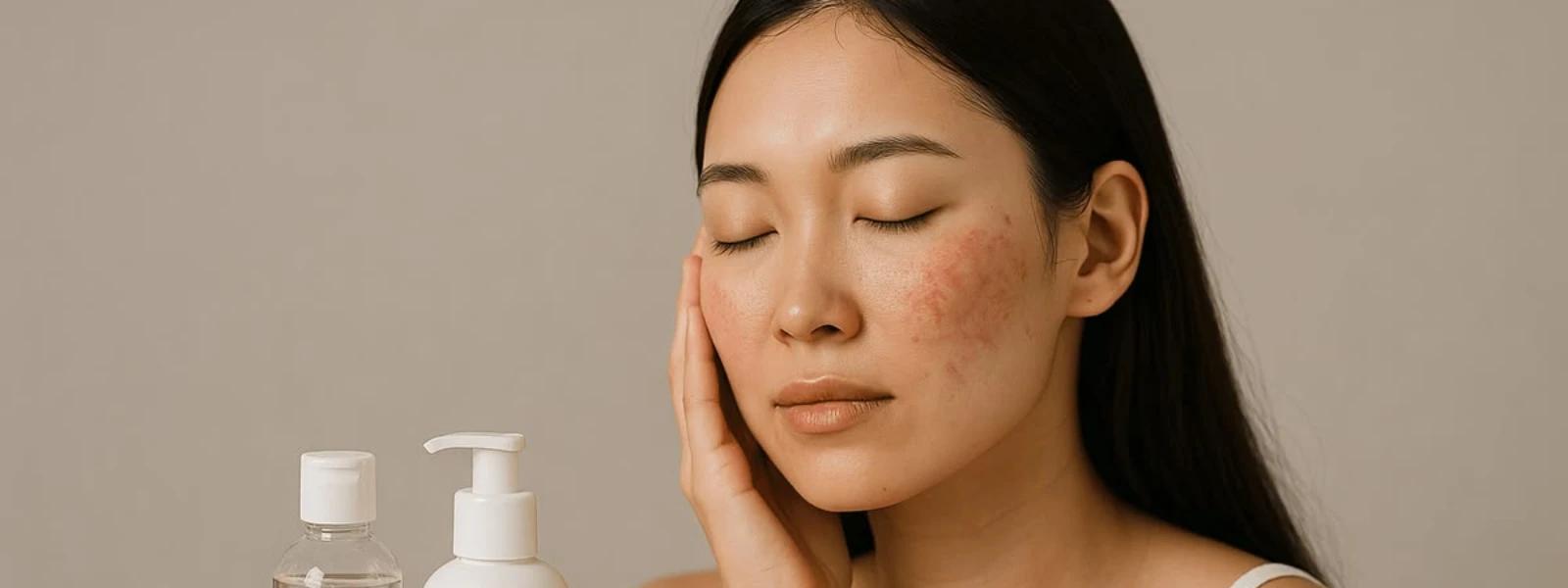

You've been staring at those stubborn dark spots for months now, trying everything from DIY turmeric masks to that expensive serum your friend swore by. Yet here you are, still googling "ingredients for pigmentation" at 2 AM, wondering if there's actually something out there that works. Real talk – pigmentation is one of the most frustrating skin concerns because it takes time, patience, and the right ingredients to see real change. The good news? Science has given us some genuinely effective options that can help fade those marks and even out your skin tone.
When it comes to tackling hyperpigmentation treatment, not all ingredients are created equal. The most effective ones work by either blocking melanin production at the source or speeding up cell turnover to help fade existing dark spots faster.
The gold standard ingredients include vitamin C (10-20% concentration), niacinamide, retinoids, hydroquinone (2-4%), and alpha arbutin. These powerhouses target pigmentation through different mechanisms – some prevent new melanin from forming, whilst others help existing dark spots fade more quickly.
Here's what makes these ingredients so effective: they either inhibit tyrosinase (the enzyme responsible for melanin production) or accelerate cellular turnover to bring fresh, unpigmented skin to the surface. Most people start seeing visible results within 4-12 weeks of consistent use, though deeper pigmentation may take longer to fade.
Let's break down the most proven skin brightening ingredients by their effectiveness and how they actually work on your skin.
Hydroquinone remains the gold standard for melanin reduction. At 2-4% concentrations, it blocks the enzyme tyrosinase, effectively putting the brakes on melanin production. It's particularly effective for melasma and post-inflammatory hyperpigmentation, though it requires careful use and sun protection.
Tretinoin and retinoids work differently – they speed up cell turnover, helping pigmented cells shed faster whilst promoting the growth of fresh, even-toned skin underneath. They're especially brilliant for acne-related dark spots and general skin texture improvement.
Vitamin C for skin, particularly L-ascorbic acid, offers dual benefits. It inhibits melanin production whilst providing antioxidant protection against future damage. The key is finding a stable formulation – look for concentrations between 10-20% for optimal results without irritation.
Niacinamide for hyperpigmentation has become a favourite for good reason. At 5-10% concentrations, it reduces melanin transfer from melanocytes to skin cells whilst calming inflammation. It's particularly brilliant for those with sensitive skin or darker skin tones who need gentler options.
Alpha arbutin acts like a gentler cousin to hydroquinone. Derived from bearberry plants, it inhibits tyrosinase activity without the potential side effects of its synthetic counterpart. It's particularly effective when combined with vitamin C or niacinamide.
Tranexamic acid (2-5%) is the breakthrough ingredient many dermatologists are excited about. Originally used to reduce bleeding, it's proven remarkably effective for stubborn melasma and hormonal pigmentation that doesn't respond to other treatments.
Azelaic acid deserves special mention for post-acne dark spots. It gently exfoliates whilst reducing inflammation, making it perfect for those dealing with both active breakouts and the marks they leave behind.
Kojic acid benefits include potent tyrosinase inhibition, though it can be irritating for some skin types. It's often combined with other ingredients to enhance effectiveness whilst minimising sensitivity.
AHAs like glycolic and mandelic acid work through exfoliation, helping remove pigmented surface cells whilst encouraging cellular renewal. Mandelic acid is particularly gentle, making it suitable for darker skin tones prone to post-inflammatory hyperpigmentation.
You've probably seen countless posts about natural remedies for pigmentation – from lemon juice to turmeric masks. Whilst some natural ingredients do have scientific backing, others are more myth than miracle.
Licorice extract, specifically glabridin, has genuine clinical evidence for melanin reduction. It inhibits tyrosinase activity whilst providing anti-inflammatory benefits, making it a gentle option for sensitive skin types.
Bakuchiol, often called "nature's retinol," has shown promising results in clinical studies. It provides similar benefits to retinol – increased cell turnover and collagen production – without the potential irritation, making it suitable for pregnant women and those with sensitive skin.
Green tea extract offers antioxidant and anti-inflammatory properties that can help prevent future pigmentation whilst providing some mild brightening effects. However, it's more of a supporting player than a star ingredient.
Apple cider vinegar contains mild acids that can provide gentle exfoliation, but it's often too harsh and can cause chemical burns if used incorrectly. The risks generally outweigh the benefits for most people.
Aloe vera is brilliant for soothing irritated skin and reducing inflammation, but its direct brightening effects are minimal. It's better used as a supporting ingredient to calm skin whilst other actives do the heavy lifting.
Traditional remedies like tomato powder and milk have minimal scientific backing. Whilst they're generally safe, don't expect dramatic results from these kitchen ingredients.
Your skin type and specific concerns should guide your ingredient choices. What works brilliantly for one person might cause irritation or ineffective results for another.
For melanin-rich skin, gentler acids like mandelic acid are preferable to glycolic acid, which can sometimes trigger post-inflammatory hyperpigmentation. Niacinamide is particularly beneficial as it reduces irritation risk whilst effectively addressing pigmentation concerns.
Those with sensitive skin should start with alpha arbutin and licorice extract before progressing to stronger actives. Azelaic acid offers dual benefits without the harsh side effects of some other options.
For acne-prone skin dealing with uneven skin tone, niacinamide offers oil regulation alongside pigmentation benefits. Salicylic acid provides gentle exfoliation whilst reducing inflammation that can lead to dark spots.
Hormonal pigmentation often requires a combination approach. Tranexamic acid has shown particular promise for melasma, whilst vitamin C helps prevent oxidative stress that can worsen hormonal dark spots.
Post-inflammatory hyperpigmentation responds well to azelaic acid and gentle retinoids. The key is addressing both the pigmentation and any underlying inflammation to prevent new marks from forming.
Knowing which ingredients work well together – and which don't – is crucial for building an effective routine without irritating your skin. The wrong combinations can cause sensitivity or reduce the effectiveness of your products.
Morning routines should focus on protection and gentle brightening. Vitamin C works beautifully in the morning when followed by broad-spectrum SPF 30 or higher. This combination provides antioxidant protection whilst preventing new pigmentation from forming.
Evening routines can handle stronger actives like retinoids or AHAs. However, these should be introduced gradually and never used simultaneously with vitamin C to avoid irritation.
Niacinamide and alpha arbutin work synergistically – niacinamide reduces inflammation whilst alpha arbutin inhibits melanin production. This combination is particularly effective for sensitive skin types.
Vitamin C and hyaluronic acid make an excellent morning pairing. The vitamin C provides brightening benefits whilst hyaluronic acid ensures your skin stays hydrated and plump.
For evening routines, azelaic acid can be layered under a gentle moisturiser. It's one of the few actives that plays well with most other ingredients without causing sensitivity.
Vitamin C and retinoids should be used at different times of day. Both are potent actives that can cause irritation when combined, and they work best in different pH environments.
Multiple exfoliating acids (like glycolic and salicylic acid together) can over-exfoliate your skin, leading to irritation and potentially worsening pigmentation through inflammation.
Benzoyl peroxide can deactivate retinoids, so if you're using both for acne and pigmentation, apply them at different times or on alternating days.
Realistic expectations are crucial – most effective ingredients require 4-12 weeks of consistent use before showing visible results. Professional treatments like chemical peels or laser therapy can work faster, but at-home ingredients need time to work safely. The fastest results typically come from combining multiple approaches: consistent active ingredients, religious sun protection, and patience.
True permanent removal is challenging because pigmentation can return with sun exposure, hormonal changes, or inflammation. The key is maintenance – continuing to use effective ingredients even after seeing results, wearing daily SPF, and addressing any underlying causes like hormonal imbalances or inflammation. Professional treatments may offer longer-lasting results but still require ongoing maintenance.
There's no single "best" ingredient because pigmentation responds differently to various treatments depending on its cause, depth, and your skin type. Hydroquinone is considered the gold standard for effectiveness, but vitamin C, niacinamide, and retinoids can be equally effective with fewer side effects. The best approach often involves combining multiple ingredients rather than relying on just one.
FDA-approved options include hydroquinone (up to 2% over-the-counter, higher concentrations by prescription), tretinoin (prescription), and various AHAs and BHAs. Over-the-counter alternatives like vitamin C, niacinamide, alpha arbutin, and azelaic acid are also effective with good safety profiles. Professional treatments may use higher concentrations of these ingredients or combinations not available for home use.
Evidence-based natural options include licorice extract, bakuchiol, green tea extract, and vitamin C from natural sources. However, lifestyle factors play a huge role – consistent sun protection, adequate sleep, stress management, and a diet rich in antioxidants all support skin health. Natural doesn't always mean gentler, so patch testing is still important with any new ingredient.
Vitamin C is the most researched and effective vitamin for pigmentation, particularly L-ascorbic acid and its stable derivatives like magnesium ascorbyl phosphate. Vitamin A (retinoids) is also highly effective, whilst vitamin E provides supporting antioxidant benefits. B vitamins, particularly niacinamide (B3), offer excellent results with minimal irritation risk.
Tackling pigmentation isn't about finding one miracle ingredient – it's about understanding your skin's specific needs and building a consistent routine with proven actives. Whether you're dealing with post-acne marks, sun damage, or hormonal pigmentation, the right combination of ingredients can make a real difference over time.
Remember that patience is your best friend in this journey. Most effective ingredients need 8-12 weeks to show their full potential, and consistency matters more than perfection. Start with one active ingredient, introduce others gradually, and always prioritise sun protection to prevent new pigmentation from forming.
The beauty of platforms like Smytten Shop is that you can explore different formulations and brands without committing to full-sized products immediately. With access to premium skincare brands and the ability to try before you buy, you can find the perfect combination of ingredients that work for your unique skin concerns. Your skin's journey to evenness and clarity is worth the investment in both time and the right products.
