Indian Skin Concerns Guide: Your Questions Answered


Target & Fade Duo for Hyperpigmentation | Even-Tone Underarms, Inner Thighs & Bum | Refines Skin Texture | For All Skin Types
Ever wondered why that expensive serum worked brilliantly for your friend but left your skin looking irritated and patchy? Or why certain skincare advice seems to miss the mark when it comes to Indian skin? You're not alone. Indian skin has unique characteristics that require tailored approaches, and understanding these differences is the first step towards achieving the healthy, radiant complexion you've been working towards. From stubborn dark spots that refuse to fade to uneven skin tone that makeup can't quite cover, Indian skin presents specific challenges that deserve specific solutions.
Indian skin is beautifully diverse, ranging from fair to deep tones, but certain scientific factors unite most Indian skin types. The higher melanin content in Indian skin provides natural protection against UV damage but also makes us more prone to hyperpigmentation and uneven skin tone. When your skin experiences trauma—whether from a breakout, scratch, or inflammation—those melanin-producing cells can go into overdrive, creating dark spots that linger for months.
Our tropical climate adds another layer of complexity. The combination of high humidity, intense UV exposure, and pollution creates a perfect storm for skin concerns. Your skin produces more oil to cope with humidity, leading to clogged pores and breakouts. Meanwhile, pollution particles settle on your skin, causing oxidative stress and premature ageing. The intense Indian sun doesn't just cause immediate tanning—it triggers long-term pigmentation issues that can take years to address.
Genetically, Indian skin tends to have a thicker dermis and more active sebaceous glands compared to other ethnicities. This means we're more resilient to certain types of damage but also more prone to oily skin, enlarged pores, and post-inflammatory hyperpigmentation. Understanding these unique characteristics helps explain why generic skincare advice often falls short for Indian skin types.
After years of research and countless conversations with dermatologists treating Indian patients, certain skin problems emerge as universal challenges. These aren't just cosmetic issues—they're concerns that affect confidence and quality of life for millions of Indians.
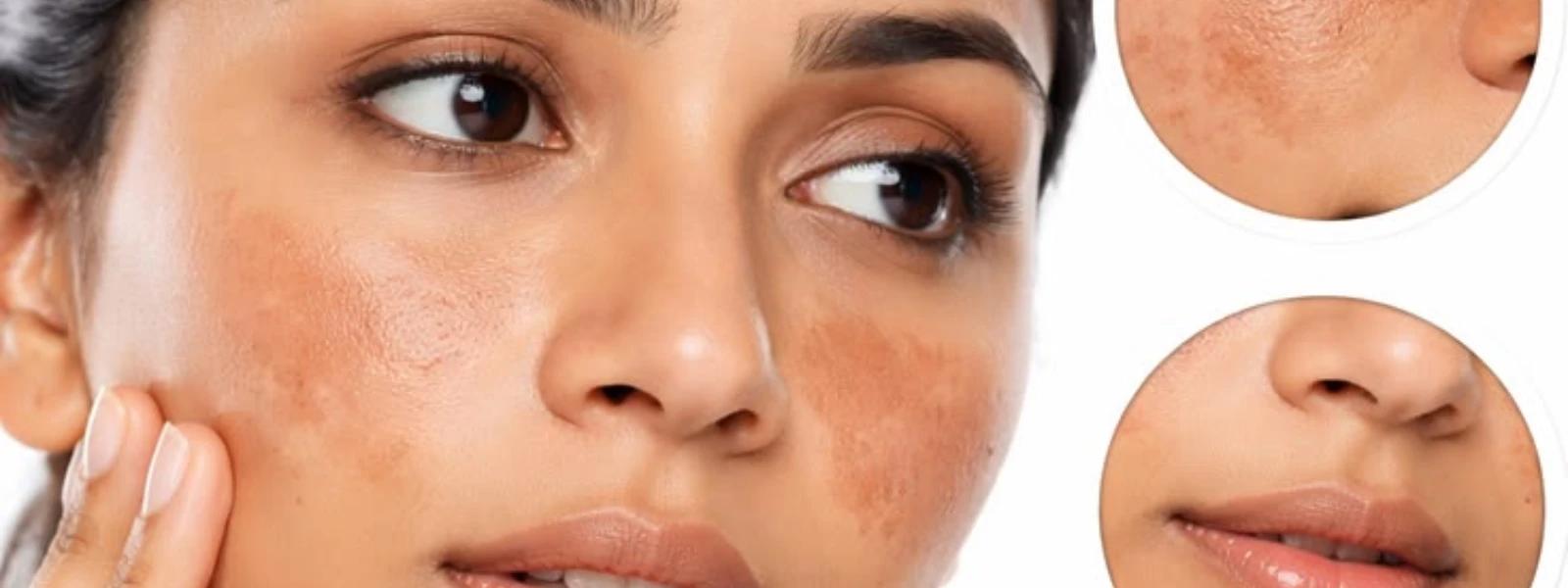
Hyperpigmentation tops the list for good reason. Whether it's melasma triggered by hormonal changes, post-acne marks that refuse to fade, or sun spots from years of UV exposure, dark spots are the most persistent concern for Indian skin. The higher melanin content that protects us also works against us when skin trauma occurs.
That patchy, uneven complexion isn't just in your head. Indian skin often develops areas of varying pigmentation due to sun exposure, pollution, and natural ageing processes. Dead skin cell buildup, common in humid climates, contributes to the dull, lacklustre appearance that makeup struggles to brighten.
The combination of oily skin, humidity, and pollution creates ideal conditions for acne. What's worse is that Indian skin's tendency towards post-inflammatory hyperpigmentation means every breakout can leave a lasting mark. These dark spots often persist longer than the original acne.

Mineral Sunscreen SPF 50 | Matte Finish | No White Cast | Non-Nano Zinc Oxide | Cica | Pregnancy Safe | All Skin Types | 50ml
Despite our natural protection, prolonged sun exposure leads to cumulative damage. Tanning that doesn't fade, sun spots, and premature ageing are common results of inadequate sun protection in India's intense climate.
Pollution, UV exposure, and lifestyle factors contribute to premature ageing in Indian skin. Fine lines around the eyes, loss of elasticity, and age spots can appear earlier than expected, particularly in urban environments.
Treating hyperpigmentation in Indian skin requires patience and the right approach. The goal isn't to lighten your natural skin tone but to even out areas of excess pigmentation and restore your skin's natural radiance.
Vitamin C serums work as powerful antioxidants, preventing new dark spots while gradually lightening existing ones. Look for stable forms like magnesium ascorbyl phosphate or sodium ascorbyl phosphate, which are less likely to irritate sensitive Indian skin. Niacinamide is another gentle yet effective option that reduces melanin transfer and strengthens the skin barrier.
Kojic acid and arbutin are natural alternatives to harsh bleaching agents. These ingredients inhibit melanin production without the irritation associated with hydroquinone. Alpha hydroxy acids (AHAs) like glycolic and lactic acid help accelerate cell turnover, revealing brighter skin underneath.
Most people see initial improvements in 4-6 weeks, but significant dark spot reduction takes 3-6 months of consistent treatment. The key is patience and consistency—sporadic use won't deliver the results you're hoping for.
A well-structured skincare routine addresses Indian skin's unique needs while remaining practical for our climate and lifestyle. The key is layering products correctly and choosing formulations that work with, not against, your skin's natural tendencies.
Start with a gentle cleanser that removes overnight buildup without stripping natural oils. Follow with a vitamin C serum for antioxidant protection, then a lightweight moisturiser that won't feel heavy in humidity. Never skip SPF—choose a broad-spectrum sunscreen with at least SPF 30 that doesn't leave a white cast on Indian skin tones.

Salicylic Acid Face Cleanser | Deep Cleansing Formula for Breakouts | Unclogs Pores & Controls Oil | For Oily & Acne-Prone Skin | 100ml
Evening routines can be more intensive since your skin repairs itself overnight. Double cleanse to remove pollution and makeup, then apply treatment serums like niacinamide or gentle retinol. Finish with a nourishing moisturiser that supports overnight repair processes.
Monsoon season calls for lighter formulations and increased antifungal protection. Summer requires extra sun protection and oil control, while winter might need richer moisturisers to combat AC-induced dryness. Adapting your routine seasonally prevents many common skin concerns.
Treating acne in Indian skin requires a delicate balance. Aggressive treatments can trigger post-inflammatory hyperpigmentation, making the cure worse than the original problem. The goal is gentle yet effective treatment that clears breakouts without causing lasting dark spots.
Salicylic acid penetrates pores to clear blockages while being gentler than benzoyl peroxide on pigmented skin. Tea tree oil provides natural antibacterial benefits without the harsh side effects of stronger treatments. For hormonal acne, ingredients like zinc and spearmint can help balance oil production from within.
Prevention is easier than treatment when it comes to acne marks. Never pick or squeeze breakouts, as this increases inflammation and pigmentation risk. Use gentle, non-comedogenic products and incorporate brightening ingredients like vitamin C even during active breakouts to prevent dark spot formation.
Creating an even, radiant complexion goes beyond treating individual dark spots. It's about improving overall skin health and addressing the underlying factors that contribute to uneven skin tone.
Chemical exfoliation with AHAs and BHAs removes dead skin cells that contribute to dullness while promoting cell turnover for brighter skin. Peptides support collagen production, improving skin texture and firmness. Regular use of brightening masks with ingredients like turmeric or liquorice extract can provide additional radiance.
For stubborn pigmentation, professional treatments like chemical peels or microneedling can accelerate results. However, these should always be performed by experienced practitioners familiar with treating Indian skin to avoid complications.

Hydrating Moisturizer | Non-Comedogenic | Boosts Collagen & Hydrates Deeply | Ceramides + Niacinamide | For Normal to Dry Skin | 50g
Most people notice initial improvements within 4-6 weeks of consistent treatment, but significant reduction in dark spots typically takes 3-6 months. The timeline depends on the severity of pigmentation, the products used, and individual skin response. Patience and consistency are crucial for success.
Look for broad-spectrum sunscreens with SPF 30 or higher that don't leave a white cast. Zinc oxide and titanium dioxide formulations work well, but newer chemical sunscreens are often more cosmetically elegant. The best sunscreen is one you'll actually use daily, so prioritise texture and finish over specific ingredients.
Yes, many natural ingredients like kojic acid (from rice), arbutin (from bearberry), and vitamin C (from various fruits) effectively treat pigmentation. However, natural doesn't always mean gentle—some natural acids can be quite potent. Always patch test and introduce new ingredients gradually.
Look at your wrist veins in natural light. Green veins typically indicate warm undertones, blue veins suggest cool undertones, and a mix indicates neutral undertones. Indian skin often has warm or neutral undertones, which affects how products and makeup appear on your skin.
Over-cleansing strips natural oils and triggers more oil production. Skipping sunscreen allows UV damage to worsen pigmentation. Using too many active ingredients at once can cause irritation and inflammation. Picking at breakouts increases the risk of permanent scarring and dark spots.
Not necessarily. Many affordable products contain effective ingredients for treating common Indian skin concerns. The key is choosing products with proven ingredients like niacinamide, vitamin C, and salicylic acid rather than focusing on price. Consistency matters more than cost when building an effective routine.
Understanding your skin's unique needs is the foundation of any successful skincare journey. Indian skin's beautiful diversity comes with specific challenges, but armed with the right knowledge and products, these concerns are entirely manageable. Remember that skincare is a marathon, not a sprint—the most dramatic transformations happen with consistent, gentle care over time.
Whether you're dealing with stubborn hyperpigmentation, fighting breakouts, or simply wanting to achieve that coveted healthy glow, the key is finding products that work with your skin's natural tendencies. Platforms like Smytten Shop make this journey easier by offering access to premium brands and curated selections, allowing you to discover what truly works for your unique skin without the guesswork. With over 28 million users trusting the platform for their beauty discoveries, you're in good company on your path to healthier, more radiant skin.
Your skin tells the story of your life—late nights, stress, celebrations, and everything in between. Treat it with the understanding and care it deserves, and it will reward you with the confidence that comes from truly healthy, glowing skin.
