Hyperpigmentation Treatment Guide FAQ: Your Questions Answered


Target & Fade Duo for Hyperpigmentation | Even-Tone Underarms, Inner Thighs & Bum | Refines Skin Texture | For All Skin Types
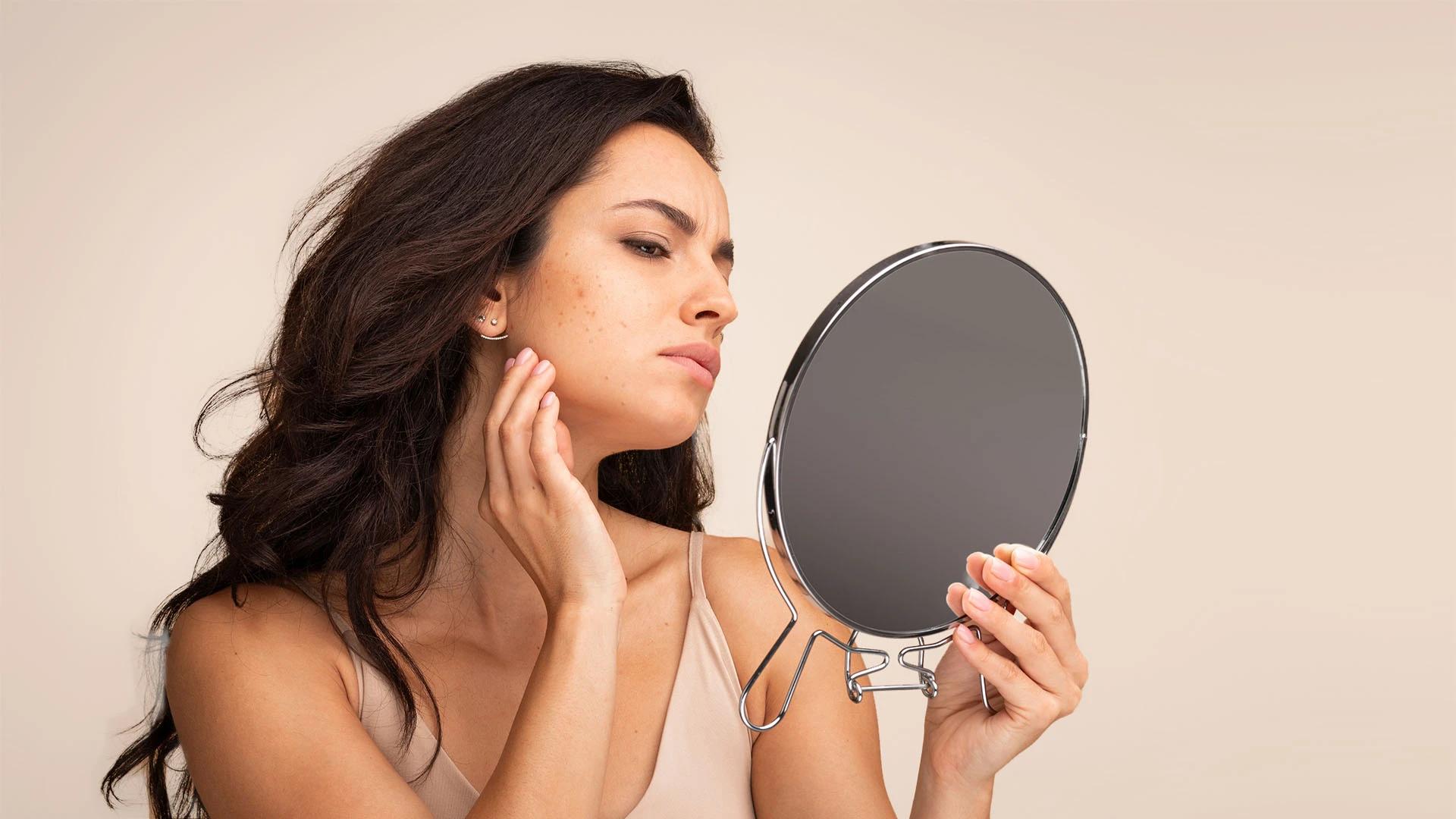
You've been staring at those stubborn dark patches on your cheek for months now, wondering if they'll ever fade. Whether it's leftover marks from last summer's breakouts, mysterious spots that appeared during pregnancy, or sun damage that's finally catching up with you, hyperpigmentation can feel overwhelming. The good news? You're not alone in this journey, and there are proven solutions that actually work. Let's dive into the most common questions about treating uneven skin tone and get you the clear answers you've been searching for.
Hyperpigmentation occurs when your skin produces excess melanin, the pigment responsible for your natural skin colour. Think of it as your skin's overenthusiastic response to various triggers, creating patches that are darker than your surrounding skin tone. Understanding what type you're dealing with is crucial for choosing the right treatment approach.
There are three main types of hyperpigmentation you'll encounter. Post-inflammatory hyperpigmentation (PIH) appears after your skin heals from acne, cuts, or other injuries. These dark spots are essentially your skin's memory of trauma, and they're particularly common if you've been picking at breakouts or dealing with hormonal acne.
Melasma presents as symmetrical patches, usually on your face, and is often triggered by hormonal changes during pregnancy or from birth control pills. You might notice it appearing as a "pregnancy mask" across your cheeks, forehead, or upper lip. Solar lentigines, commonly called age spots or sunspots, develop from cumulative sun exposure over the years and typically appear on areas that see the most sunlight.
Several factors can trigger or worsen hyperpigmentation. UV exposure is the biggest culprit, which is why you'll notice dark spots becoming more pronounced after summer holidays. Hormonal fluctuations, particularly oestrogen changes, can activate melanin production. Inflammation from acne, eczema, or even aggressive skincare treatments can leave lasting marks. Genetics also play a role – if your family members struggle with uneven skin tone, you're more likely to experience it too.
When it comes to proven hyperpigmentation remedies, certain ingredients have decades of research backing their effectiveness. Let's focus on what actually delivers results rather than getting caught up in marketing claims.
Hydroquinone remains the gold standard for treating dark spots. This ingredient works by inhibiting tyrosinase, the enzyme responsible for melanin production. You'll find it in concentrations up to 2% in over-the-counter products, though dermatologists can prescribe stronger formulations. Many people see noticeable improvement within 6-8 weeks of consistent use.
Vitamin C is your daily defence against both existing pigmentation and future damage. L-ascorbic acid, magnesium ascorbyl phosphate, and sodium ascorbyl phosphate are the most researched forms. This antioxidant not only helps fade dark spots but also protects against environmental damage that could create new ones.
Retinoids accelerate cell turnover, helping to shed pigmented cells more quickly whilst preventing new melanin clusters from forming. Start with retinyl palmitate or retinol if you're new to this ingredient family, then work up to stronger formulations as your skin adapts.

Mineral Sunscreen SPF 50 | Matte Finish | No White Cast | Non-Nano Zinc Oxide | Cica | Pregnancy Safe | All Skin Types | 50ml
Azelaic acid offers gentle yet effective pigmentation reduction, making it perfect for sensitive skin types. It works by normalising skin cell turnover and has anti-inflammatory properties that prevent new PIH from forming. Kojic acid and arbutin are natural alternatives that inhibit melanin production with fewer side effects than hydroquinone.
Newer ingredients like tranexamic acid and cysteamine are showing promising results in clinical studies. Tranexamic acid is particularly effective for melasma, whilst cysteamine works well for various types of hyperpigmentation. Niacinamide helps reduce melanin transfer to skin cells and provides additional anti-inflammatory benefits.
Sometimes at-home treatments aren't enough, especially for stubborn melasma or deep-set age spots. Professional treatments can provide faster, more dramatic results when used alongside a solid home routine.
Chemical peels use controlled acids to remove damaged skin layers, revealing fresher, more even-toned skin underneath. Glycolic acid peels work well for surface-level pigmentation, whilst TCA peels can address deeper discolouration. Expect some downtime with stronger peels, but the results can be quite impressive for age spots and sun damage.
Laser treatments target pigmented cells with precise light energy. Pico lasers break up melanin clusters without damaging surrounding tissue, making them suitable for darker skin tones. IPL (Intense Pulsed Light) works well for sunspots and general skin brightening, though it's not recommended for darker skin types due to the risk of creating more pigmentation.
Microneedling creates controlled micro-injuries that stimulate collagen production and help topical treatments penetrate deeper. When combined with vitamin C or tranexamic acid serums, it can significantly improve pigmentation over a series of treatments.
Professional treatments typically range from ₹3,000-₹15,000 per session, depending on the type and clinic location. Most people need 3-6 sessions spaced 4-6 weeks apart for optimal results. The investment can be worthwhile for stubborn pigmentation that hasn't responded to topical treatments alone.
Your skin type and the specific type of hyperpigmentation you're dealing with will determine which brightening methods work best for you. A one-size-fits-all approach rarely delivers optimal results.
If you have darker skin tones, you'll need to be particularly careful with treatment choices. Avoid aggressive treatments that could trigger more PIH. Gentle acids like lactic acid and mandelic acid are safer options than glycolic acid. Hydroquinone can sometimes cause paradoxical darkening in darker skin, so consider alternatives like kojic acid or arbutin instead.

Salicylic Acid Face Cleanser | Deep Cleansing Formula for Breakouts | Unclogs Pores & Controls Oil | For Oily & Acne-Prone Skin | 100ml
For sensitive skin, start slowly with lower concentrations and patch test everything. Azelaic acid and niacinamide are generally well-tolerated, whilst vitamin C in magnesium ascorbyl phosphate form is less irritating than L-ascorbic acid. Always introduce one new ingredient at a time and give your skin 2-3 weeks to adjust.
Body hyperpigmentation on areas like elbows, knees, or underarms requires different strategies. These areas have thicker skin that can tolerate stronger treatments. Body lotions with glycolic acid, urea, or ammonium lactate can help improve texture and tone. For larger areas, professional treatments like chemical peels might be more cost-effective than expensive serums.
Melasma is notoriously stubborn and often requires a multi-pronged approach. Combination treatments work best – think hydroquinone or tranexamic acid paired with retinoids and religious sun protection. Heat can trigger melasma flares, so avoid hot yoga, saunas, and even very hot showers during treatment.
Preventing new hyperpigmentation is just as important as treating existing spots. Without proper protection, you'll find yourself in an endless cycle of treating new dark patches as they appear.
Sun protection is non-negotiable. Use broad-spectrum SPF 30 or higher every single day, even when you're indoors near windows. Tinted sunscreens provide additional protection against visible light, which can worsen melasma. Reapply every two hours when you're outdoors, and consider wearing wide-brimmed hats for extra protection.
Your daily skincare routine should focus on gentle, consistent care. Morning routines should include vitamin C serum followed by moisturiser and SPF. Evening routines can incorporate active ingredients like retinoids or acids, but never use them together initially. Always follow with a nourishing moisturiser to maintain your skin barrier.
Lifestyle factors play a bigger role than you might think. Stress can trigger hormonal fluctuations that worsen melasma. Heat from cooking, hot showers, or intense workouts can also trigger pigmentation in susceptible individuals. Consider your diet too – antioxidant-rich foods support your skin's natural repair processes.
Avoid picking at your skin, which can create new PIH. If you're dealing with active acne, treat it promptly to prevent scarring and pigmentation. Be gentle with your skincare routine – aggressive scrubbing or over-exfoliation can actually worsen hyperpigmentation.

Hydrating Moisturizer | Non-Comedogenic | Boosts Collagen & Hydrates Deeply | Ceramides + Niacinamide | For Normal to Dry Skin | 50g
Most types of hyperpigmentation can be significantly improved, but "permanent" removal depends on several factors. Surface-level PIH often fades completely with consistent treatment, whilst deeper pigmentation like melasma may require ongoing maintenance. Sun damage and age spots can be effectively treated, but new ones may develop without proper sun protection. The key is realistic expectations – most people see 70-90% improvement with proper treatment, which is often enough to feel confident going makeup-free.
Patience is crucial when treating hyperpigmentation. Surface-level PIH may start fading within 4-6 weeks of consistent treatment, whilst deeper pigmentation can take 3-6 months or longer. Melasma is particularly slow to respond and may require 6-12 months of treatment. Professional treatments can accelerate results, but your skin still needs time to heal and regenerate. Factors like your age, skin type, and the depth of pigmentation all influence healing speed.
The best treatment depends on your specific type of pigmentation, skin tone, and sensitivity level. PIH responds well to vitamin C, retinoids, and gentle acids. Melasma often requires combination therapy with hydroquinone or tranexamic acid plus strict sun protection. Age spots may benefit from stronger treatments like chemical peels or laser therapy. If you're unsure about your pigmentation type, consider consulting a dermatologist for proper diagnosis and treatment planning.
Oral supplements like tranexamic acid, glutathione, and vitamin C are sometimes used for hyperpigmentation, particularly in Asian countries. Whilst some studies show promise, topical treatments generally provide more direct and predictable results. Oral tranexamic acid can be effective for melasma when prescribed by a dermatologist, but it's not suitable for everyone and requires medical supervision. Focus on proven topical treatments first, and discuss oral options with a healthcare provider if needed.
Professional hyperpigmentation treatments vary widely in cost. Chemical peels typically range from ₹3,000-₹8,000 per session. Laser treatments can cost ₹5,000-₹15,000 per session depending on the type and clinic location. Microneedling sessions usually range from ₹2,500-₹6,000. Most people need multiple sessions for optimal results, so budget accordingly. Many clinics offer package deals that can reduce per-session costs.
Treating hyperpigmentation successfully requires patience, consistency, and the right approach for your specific skin type and concerns. Remember that this is a marathon, not a sprint – the most effective treatments work gradually to reveal clearer, more even-toned skin over time.
Start with gentle, proven ingredients like vitamin C and niacinamide, then gradually introduce stronger actives as your skin adapts. Never skip sun protection, as it's your best defence against both existing and future pigmentation. If you're dealing with stubborn melasma or extensive sun damage, don't hesitate to consult a dermatologist for professional guidance.
The beauty community at Smytten understands that finding the right hyperpigmentation treatment can feel overwhelming with so many options available. That's why exploring curated selections of proven skincare brands can help you discover what works for your unique skin needs without the guesswork. With over 28 million users sharing their experiences, you're never alone in your skincare journey.
Your skin has an incredible ability to heal and renew itself when given the right support. Trust the process, be consistent with your routine, and celebrate the small improvements along the way. Clearer, more radiant skin is absolutely achievable with the right knowledge and approach.
