Hyperpigmentation Treatment FAQ: Your Questions Answered
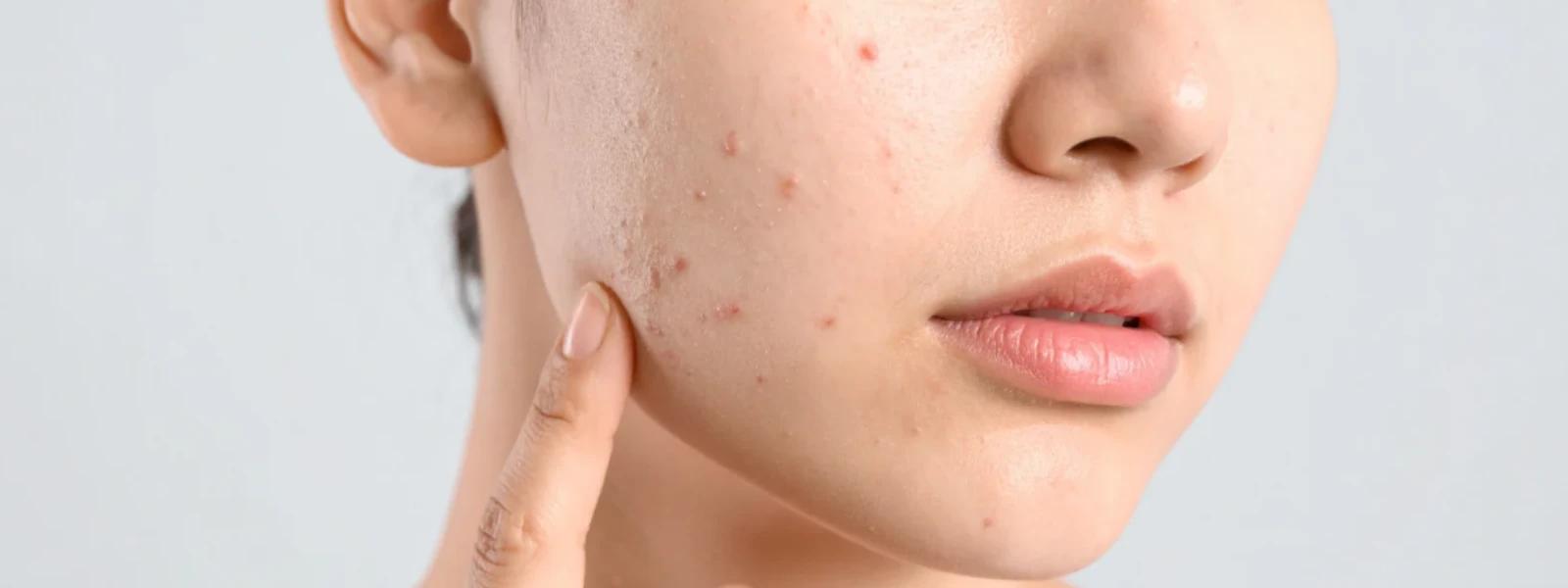

You've noticed those stubborn dark patches on your cheeks that seem to have appeared overnight, or perhaps you're dealing with the lingering reminders of last summer's breakouts. Hyperpigmentation affects nearly everyone at some point, yet the sheer volume of conflicting advice online can make treatment feel overwhelming. From vitamin C serums to professional peels, the options seem endless—but which ones actually work? Real talk: treating uneven skin tone requires patience, consistency, and the right approach for your specific type of skin discoloration. Let's cut through the noise and answer the questions that matter most for achieving clearer, more even-toned skin.
Hyperpigmentation occurs when your skin produces excess melanin—the pigment responsible for your natural skin colour. Think of melanin as your skin's natural defence system; it ramps up production when triggered by inflammation, sun exposure, or hormonal changes. The result? Those frustrating dark spots that seem determined to overstay their welcome.
The most common types include melasma (those symmetrical patches often triggered by hormones), sunspots (flat brown spots from UV damage), age spots (similar to sunspots but typically larger), and post-inflammatory hyperpigmentation or PIH (dark marks left behind after acne or injury). Each type responds differently to treatment, which is why a one-size-fits-all approach rarely works.
Sun exposure remains the primary culprit behind most pigmentation issues. UV rays don't just cause immediate tanning—they create long-term changes in melanin production that can surface months or even years later. Hormonal fluctuations, particularly during pregnancy or whilst taking contraceptives, can trigger melasma. Even seemingly minor skin trauma from picking at spots or aggressive scrubbing can leave lasting dark marks, especially on deeper skin tones.
Your genetics also play a significant role in how your skin responds to these triggers. Some people naturally produce more melanin in response to inflammation, making them more prone to PIH. Understanding your skin's particular tendencies helps tailor your hyperpigmentation treatment approach for better results.
The foundation of any successful dark spots removal routine starts with prevention. Daily broad-spectrum SPF isn't negotiable—it's the difference between progress and perpetual frustration. Look for SPF 30 or higher, and consider tinted formulations that provide additional coverage whilst you're treating existing spots.
Vitamin C serums work by inhibiting tyrosinase, the enzyme responsible for melanin production. L-ascorbic acid remains the most researched form, though magnesium ascorbyl phosphate offers a gentler alternative for sensitive skin. Apply vitamin C in the morning under your SPF for maximum skin brightening benefits.
Retinoids accelerate cell turnover, helping to shed pigmented cells more quickly whilst preventing new dark spots from forming. Start with over-the-counter retinol twice weekly, gradually increasing frequency as your skin adapts. Prescription tretinoin offers stronger results but requires dermatologist supervision.
Hydroquinone remains the gold standard for stubborn spots, working by directly inhibiting melanin production. Available in 2% concentrations over-the-counter, it's particularly effective for melasma treatment when used consistently. However, it's not suitable for long-term use and should be cycled with other ingredients.
Alternative brightening ingredients include azelaic acid (gentle yet effective for sensitive skin), kojic acid (derived from fungi), and tranexamic acid (particularly effective for melasma). Niacinamide offers additional benefits by reducing inflammation whilst gently inhibiting melanin transfer to skin cells.
When at-home treatments plateau, professional procedures can provide the deeper intervention needed for stubborn pigmentation correction. Chemical peels use controlled acids to remove pigmented skin layers, with glycolic and trichloroacetic acid peels showing excellent results for surface-level discoloration.
Laser treatments target melanin directly, breaking down pigment deposits that your body then naturally eliminates. Q-switched lasers excel at treating age spots and sunspots, whilst IPL (intense pulsed light) works well for diffuse pigmentation. These treatments require multiple sessions spaced 4-6 weeks apart for optimal results.
Microneedling stimulates collagen production whilst creating channels for better product penetration, making it particularly effective when combined with brightening serums. The controlled injury triggers your skin's healing response, gradually improving both texture and pigmentation over several months.
Your skin type significantly influences treatment selection. Darker skin tones require extra caution with laser treatments to avoid triggering additional pigmentation. Always consult with experienced practitioners who understand how different skin tones respond to various procedures.
Patience becomes your greatest asset when treating hyperpigmentation. Surface-level spots may show improvement within 6-8 weeks, whilst deeper pigmentation can take 6-12 months to significantly fade. The depth of pigment, your skin type, and treatment consistency all influence your timeline.
Expecting complete removal isn't always realistic, particularly for deeper pigmentation or genetic predispositions. However, significant improvement—often 70-80% fading—is achievable with the right approach. Some types of pigmentation, like certain melasma patterns, may require ongoing maintenance to prevent recurrence.
Document your journey with consistent lighting and angles for accurate progress assessment. Many people notice gradual improvements that become more apparent when comparing photos from several months apart. Remember that your skin may look worse before it looks better, particularly when starting active ingredients that increase cell turnover.
Seasonal factors also influence results. Summer heat and increased sun exposure can temporarily darken existing spots, whilst winter months often show the most dramatic improvement as UV exposure decreases and treatments have time to work effectively.
The most effective approach combines professional treatments with consistent at-home care. A dermatologist-administered chemical peel or laser treatment can jumpstart the process, whilst daily use of vitamin C, retinoids, and religious SPF application maintains momentum. Realistic expectations suggest 3-6 months for noticeable improvement, though some surface spots may fade within 6-8 weeks.
Some superficial pigmentation may gradually fade over 6-24 months without intervention, particularly post-inflammatory marks from minor breakouts. However, sun-induced spots and deeper pigmentation typically persist or even worsen without active treatment. The natural fading process is significantly slower and less predictable than targeted hyperpigmentation treatment.
Vitamin C works by inhibiting tyrosinase activity and providing antioxidant protection against further damage. Studies show 10-20% L-ascorbic acid can reduce pigmentation by 20-40% over 12 weeks when used consistently. It's particularly effective for prevention and mild to moderate skin discoloration, though stubborn spots may require additional active ingredients.
Significant pigmentation reduction in one week isn't realistic with topical treatments alone. However, gentle exfoliation with AHAs, consistent moisturising, and strategic makeup application can create the appearance of more even skin tone. Professional treatments like light chemical peels may show initial improvement within a week, though full results develop over several weeks.
Consult a dermatologist if your pigmentation appears suddenly, changes in size or colour, or doesn't respond to 3-4 months of consistent at-home treatment. Professional evaluation is particularly important for suspected melasma, extensive sun damage, or if you have darker skin tones that require specialised treatment approaches.
Pregnancy hormones can trigger or worsen melasma, but treatment options are limited during this time. Avoid hydroquinone, retinoids, and high-concentration acids. Safe options include vitamin C, azelaic acid, and gentle exfoliation, though many practitioners recommend waiting until after breastfeeding for more aggressive treatments.
Different light sources reveal various aspects of pigmentation. Fluorescent lighting often makes spots appear more prominent, whilst warm incandescent light may minimise their appearance. Natural daylight provides the most accurate assessment of your skin's true condition and treatment progress.
Layering compatible ingredients can enhance results, but requires careful consideration. Vitamin C pairs well with niacinamide and hyaluronic acid. Avoid combining retinoids with AHAs or vitamin C in the same application to prevent irritation. When in doubt, alternate ingredients between morning and evening routines.
Treating hyperpigmentation successfully requires understanding your specific type of pigmentation, choosing appropriate ingredients, and maintaining realistic expectations about timelines. The combination of consistent at-home care with professional treatments when needed offers the best path to clearer, more even-toned skin.
Your skin will notice the difference when you approach pigmentation correction with patience and the right products. Smytten Shop's curated selection makes it easier to explore proven ingredients from trusted brands, with the added benefit of trying samples before committing to full sizes. With over 28 million users discovering their perfect skincare matches, you're in good company on this journey to healthier, more radiant skin.
Remember that consistency trumps perfection every time. Even the most effective hyperpigmentation treatment requires time to work, but the results—clearer, more confident skin—are worth the investment in yourself.
