How to Treat PIH: Causes and Effective Treatments for Dark Spots


Asaya Dark Spot Reduction Set | 3-Step Routine for Hyperpigmentation & Even Skin Tone | Cleanser, Serum & Moisturizer | Skin Care Routine Kit
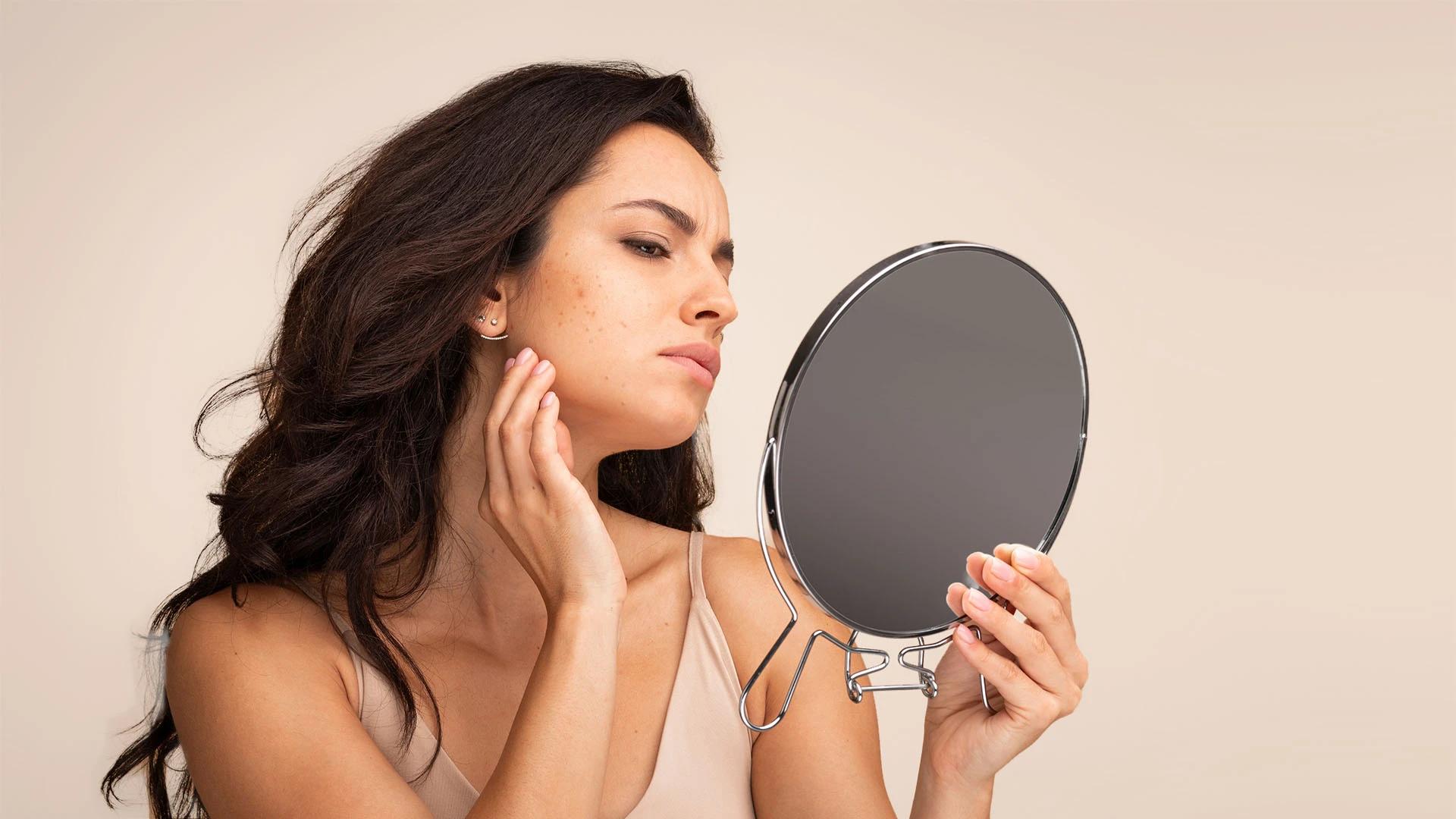
You've noticed those stubborn dark spots that appeared after your last breakout finally healed, and now you're wondering if they'll ever fade. Those marks that linger long after the inflammation has gone are called post inflammatory hyperpigmentation (PIH), and you're definitely not alone in dealing with them. Whether it's from acne, a scratch that took too long to heal, or even an insect bite, PIH can affect anyone and often feels more frustrating than the original skin issue itself.
Post inflammatory hyperpigmentation is your skin's way of responding to trauma or inflammation by producing excess melanin in the affected area. Think of it as your skin's overzealous healing response - whilst it's trying to protect and repair itself, it ends up creating those persistent dark patches that can take months or even years to fade naturally.
PIH appears as flat, discoloured spots that can range from light brown to deep black, depending on your natural skin tone. Unlike raised acne scars, these marks are purely pigmentation changes - they don't alter your skin's texture, just its colour. The deeper your natural skin tone, the more likely you are to develop PIH, as your skin naturally produces more melanin.
It's worth understanding that skin discoloration isn't all the same. PIH specifically follows inflammation, whilst melasma is hormone-related and age spots develop from cumulative sun damage. Acne scars, on the other hand, involve actual changes to your skin's structure - think indented or raised areas rather than just colour changes.
The science behind hyperpigmentation causes is actually quite fascinating. When your skin experiences trauma - whether from a spot, cut, or irritation - your immune system springs into action. This inflammatory response triggers your melanocytes (pigment-producing cells) to work overtime, depositing extra melanin in the healing area.
Acne breakouts are probably the most common culprit, especially those deep, inflamed spots that take ages to heal. But PIH can develop from virtually any skin trauma - eczema flare-ups, cuts from shaving, insect bites, or even aggressive scrubbing. The key factor isn't the size of the initial problem, but how much inflammation it causes.
Your skin's response can be influenced by several factors. Picking at spots or wounds significantly increases your risk of developing PIH, as does sun exposure during the healing process. Even something as simple as using harsh products on already irritated skin can trigger this pigmentation response.
Some people are simply more prone to developing uneven skin tone after inflammation. If you have a deeper skin tone, your melanocytes are naturally more active, making PIH more likely and often more pronounced. Hormonal fluctuations - think periods, pregnancy, or stress - can also make your skin more reactive.
Sun exposure is particularly problematic because UV rays stimulate melanin production. If you're dealing with fresh PIH, even brief sun exposure without proper protection can darken the spots further and extend their healing time significantly.

Asaya Rapid Dark Spot Correction Set | Reduces Dark Spots & Post-Acne Marks | Cleanser, Gel, Moisturizer & Sunscreen Kit
Not all dark spots on skin look the same, and understanding what you're dealing with helps determine the best treatment approach. PIH typically appears in shades of brown, ranging from light tan to deep chocolate, depending on your skin tone and the depth of pigmentation.
On lighter skin tones, PIH often appears as brown or black spots, whilst on deeper skin tones, it can range from dark brown to almost black. Sometimes you might notice reddish or purple marks instead - this is called post-inflammatory erythema (PIE) and represents dilated capillaries rather than excess pigmentation.
The location and pattern of your skin pigmentation can also provide clues about the cause. Acne-related PIH typically appears on your face, chest, and back, whilst shaving-related marks might be concentrated around your jawline or legs.
The good news about PIH skincare is that these marks will eventually fade on their own - but we're talking months to years without intervention. Fortunately, there are several effective treatments that can significantly speed up the process and help you achieve more even skin tone much sooner.
Vitamin C is one of the gentlest yet effective options for fading dark spots. This antioxidant not only helps lighten existing pigmentation but also prevents new PIH from forming by reducing inflammation. Look for stable forms like magnesium ascorbyl phosphate or sodium ascorbyl phosphate if you have sensitive skin.
Niacinamide is another brilliant ingredient that works on multiple levels - it reduces inflammation, regulates melanin production, and strengthens your skin barrier. Many people find it less irritating than other actives, making it perfect for those dealing with sensitive, post-breakout skin.
Retinoids accelerate cell turnover, helping pigmented cells shed faster whilst preventing new dark spots from forming. Start slowly with retinol products, as your skin needs time to adjust, especially if you're already dealing with post-inflammatory sensitivity.
AHAs like glycolic and lactic acid work by dissolving the bonds between dead skin cells, encouraging faster turnover of pigmented cells. BHAs like salicylic acid are particularly useful if you're still dealing with active breakouts alongside PIH, as they can penetrate pores and reduce inflammation.
The key with any hyperpigmentation treatment is consistency and patience. Most people start seeing improvements after 6-8 weeks of regular use, with significant fading typically occurring over 3-6 months.
Creating a routine that addresses how to fade dark spots doesn't require a dozen products - it's about choosing the right ingredients and using them consistently. Your morning routine should focus on protection, whilst your evening routine can incorporate more active treatments.

Asaya Dark Spot Serum For Pigmentation | With Niacinamide & Alpha Arbutin | Fades Melasma & Acne Marks | For Oily & Dry Skin | Pack of 2 | 30ml
Start with a gentle cleanser that won't strip your skin barrier. Follow with a vitamin C serum to provide antioxidant protection and gradual lightening benefits. Always finish with a broad-spectrum SPF of at least 30 - this step is absolutely non-negotiable when treating PIH.
Sun protection isn't just about preventing new damage; it's crucial for allowing existing PIH to fade. Even indoor lighting and brief sun exposure can darken healing spots, so make SPF a daily habit regardless of the weather.
Your evening routine is where you can incorporate stronger actives. After cleansing, apply treatments like retinol or niacinamide to clean skin. If you're using multiple actives, introduce them gradually and consider alternating nights to avoid irritation.
Always follow active treatments with a nourishing moisturiser to support your skin barrier. Compromised barrier function can actually worsen PIH and slow healing, so keeping your skin well-hydrated is essential.
Whilst treating existing PIH is important, preventing new spots from forming is equally crucial. The best acne scars treatment is often prevention - addressing breakouts quickly and gently to minimise inflammation and subsequent pigmentation.
Consistent SPF use is your most powerful tool against PIH. Choose a formula you actually enjoy using - whether that's a lightweight fluid, tinted moisturiser, or powder - because the best sunscreen is the one you'll apply every day.
Reapplication is crucial if you're spending time outdoors, but even for indoor days, a single morning application provides significant protection against incidental UV exposure through windows.
Resist the urge to pick at spots or scabs - this is probably the single most important thing you can do to prevent PIH. Keep your hands busy with a stress ball or fidget toy if picking is a nervous habit, and consider using hydrocolloid patches on active breakouts to create a physical barrier.
When treating active acne, opt for gentle, anti-inflammatory approaches rather than harsh scrubs or aggressive treatments that can increase inflammation and subsequent pigmentation.

Asaya Dark Spot Serum For Pigmentation | With Niacinamide, Alpha Arbutin & MelaMe Complex | Fades Melasma & Acne Marks | For Oily & Dry Skin | 30ml
PIH develops when inflammation triggers your melanocytes to produce excess melanin in the affected area. This can happen after acne, cuts, insect bites, or any trauma that causes your skin to become inflamed. The deeper your natural skin tone, the more likely you are to develop PIH.
Without treatment, PIH can take anywhere from 6 months to 2 years to fade completely, depending on the depth of pigmentation and your skin tone. Consistent use of appropriate treatments can reduce this timeline to 3-6 months for most people.
Whilst you can't prevent all PIH, you can significantly reduce your risk by avoiding picking at spots, using gentle skincare products, treating acne promptly, and wearing SPF daily. Quick, gentle treatment of any skin inflammation helps minimise the pigmentation response.
PIH is purely a pigmentation change - flat, discoloured spots that don't affect skin texture. Acne scars involve changes to skin structure, appearing as indented (atrophic) or raised (hypertrophic) areas. PIH is generally easier to treat than structural scarring.
Some natural ingredients like kojic acid (from fermented rice), arbutin (from bearberry), and liquorice root extract have mild lightening properties. However, proven ingredients like vitamin C, niacinamide, and retinoids tend to be more effective and work faster than natural alternatives.
Consider professional help if your PIH isn't responding to consistent at-home treatment after 3-4 months, if you're developing new spots frequently, or if the pigmentation is affecting your confidence significantly. Dermatologists can offer stronger treatments like prescription retinoids or professional peels.
Dealing with PIH requires patience and consistency, but the right approach can significantly speed up the fading process. Remember that everyone's skin responds differently, so what works brilliantly for your friend might need tweaking for your skin type and concerns.
The key is starting with gentle, proven ingredients and building your routine gradually. Whether you're exploring new treatments through Smytten's curated selection of skincare brands or working with products you already trust, consistency trumps complexity every time. With over 28 million users discovering effective skincare solutions, you're in good company on this journey to clearer, more even skin.
Your skin will notice the difference when you treat it with patience and the right ingredients. Those stubborn dark spots that feel permanent today will fade - it's just a matter of giving them the right encouragement and protection they need to heal properly.
