How to Treat Dark Knees: Effective Remedies for Hyperpigmentation

 70 ml
70 mlIntimate Brightening Roll-On Serum | Inner Thighs & Bum | 10% AHA + PHA | Evens Skin Tone | Lightweight & Non-Sticky | 70ml
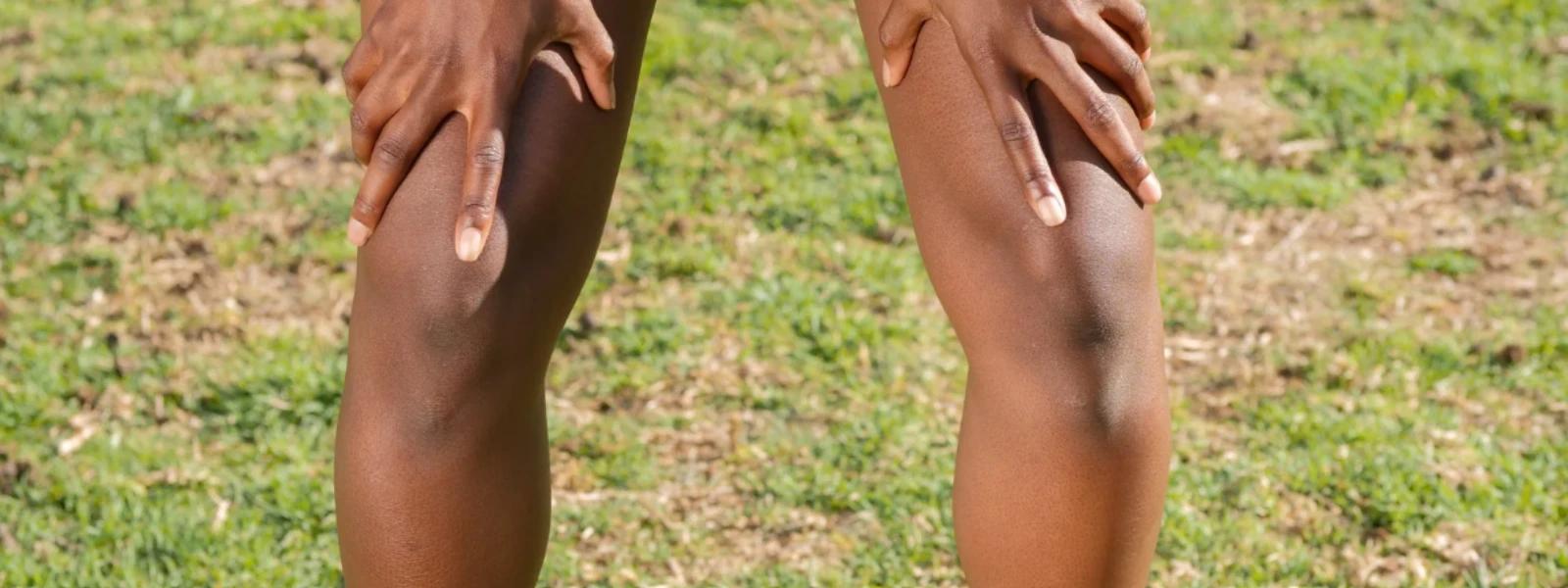
You've noticed them in the mirror, haven't you? Those darker patches on your knees that seem to have appeared out of nowhere. Whether it's from years of kneeling, dry skin, or simply genetics, dark knees are incredibly common—yet rarely talked about. The good news? With the right approach and a bit of patience, you can absolutely improve the appearance of hyperpigmentation on your knees. Let's explore proven methods that actually work, from gentle daily routines to targeted treatments that deliver real results.
Before diving into solutions, it's worth understanding why your knees might be darker than the surrounding skin. Knees discoloration happens for several reasons, and knowing the cause helps you choose the most effective treatment approach.
The most common culprit is friction. Every time you kneel, your skin rubs against surfaces, causing the area to thicken and darken as a protective response. This is completely normal and happens to most people who kneel regularly—whether for work, exercise, or daily activities like gardening or cleaning.
Dry skin also plays a significant role. Knees naturally have fewer oil glands than other parts of your body, making them prone to dryness. When skin is consistently dry, it can appear darker and feel rougher to the touch. Genetics matter too—some people are simply more prone to developing darker patches on pressure points like knees and elbows.
Absolutely. Dark knees affect people of all skin tones, though they're often more noticeable on deeper skin tones due to higher melanin production. In most cases, darker knees are purely cosmetic and nothing to worry about medically. However, if you notice sudden darkening, unusual texture changes, or if the darkness spreads rapidly, it's worth consulting a dermatologist to rule out conditions like acanthosis nigricans.
Ready to tackle those dark patches? This systematic approach addresses the root causes whilst being gentle enough for daily use. Consistency is key—you'll likely start seeing improvements within 4-6 weeks of regular treatment.
Exfoliation is your first line of defence against dark knees. By removing dead skin cells, you're revealing the fresher, lighter skin underneath whilst helping other treatments penetrate better. But here's the thing—harsh scrubbing will only make matters worse.
Chemical exfoliants work brilliantly for knees. Look for products containing glycolic acid (start with 5-10%) or salicylic acid (1-2%). These AHAs and BHAs dissolve dead skin cells without the abrasive action of physical scrubs. Apply 2-3 times per week initially, then adjust based on how your skin responds.
Knees need serious moisture—more than your regular body lotion can provide. Look for thick, occlusive moisturisers containing urea (5-10%), which not only hydrates but also gently exfoliates. Ceramides help repair the skin barrier, whilst shea butter provides long-lasting moisture.
Apply moisturiser twice daily, paying extra attention to your knees. For best results, apply whilst your skin is still slightly damp from showering—this helps lock in moisture more effectively.
This is where you'll see the most dramatic improvements. Vitamin C serums work wonderfully for gradual brightening, whilst niacinamide (5-10%) helps regulate melanin production and improves skin texture. Kojic acid is another gentle option that's particularly effective for post-inflammatory hyperpigmentation.

Dark Spot Reduction Set | 3-Step Routine for Hyperpigmentation & Even Skin Tone | Cleanser, Serum & Moisturizer | Skin Care Routine Kit
Apply brightening treatments to clean, dry skin, then follow with your moisturiser. Start with one active ingredient and introduce others gradually to avoid irritation.
Don't skip this step! UV exposure can worsen existing hyperpigmentation and create new dark spots. Apply SPF 30 or higher to your knees daily, especially if you're wearing shorts or skirts. Reapply every two hours if you're spending time outdoors.
Whilst professional treatments often deliver faster results, several natural remedies for dark knees can be effective when used consistently. The key is managing expectations—natural treatments typically take longer to show results but can be gentler on sensitive skin.
Aloe vera gel is brilliant for soothing irritated skin whilst providing hydration. Fresh aloe contains compounds that may help with mild brightening over time. Apply pure aloe gel twice daily for best results.
The classic lemon juice and honey combination does have some merit—lemon contains natural citric acid (a mild AHA), whilst honey provides moisture and has gentle antimicrobial properties. However, use this sparingly and always follow with moisturiser, as lemon can be drying.
Green tea extract contains antioxidants that may help with inflammation and mild brightening. You can apply cooled green tea directly to the skin or look for products containing green tea extract.
If you're keen to try home remedies for dark knees, here's a gentle approach: mix equal parts honey and plain yoghurt (the lactic acid in yoghurt provides mild exfoliation), apply to clean knees, leave for 15 minutes, then rinse with warm water. Use this treatment 2-3 times per week.
Always patch test any new ingredient on a small area first. Natural doesn't always mean gentle, and some people may react to ingredients like lemon juice or essential oils.
Sometimes, despite your best efforts with at-home treatments, dark knees persist. This is when professional intervention might be worth considering, especially if the darkening is affecting your confidence or seems to be worsening.
Book an appointment if you notice sudden darkening, if the skin feels unusually thick or velvety, or if home remedies for dark knees haven't shown any improvement after 8-12 weeks of consistent use. These could be signs of acanthosis nigricans, which sometimes indicates underlying health conditions like insulin resistance.
A dermatologist can also help if you're dealing with very stubborn hyperpigmentation that doesn't respond to over-the-counter treatments.
 30 ml
30 mlDark Spot Serum For Pigmentation | With Niacinamide, Alpha Arbutin & MelaMe Complex | Fades Melasma & Acne Marks | For Oily & Dry Skin | 30ml
Dermatologists have access to stronger treatments like hydroquinone (2-4%), which is highly effective for reducing melanin production. Tretinoin (prescription retinoid) can also help by increasing cell turnover and improving skin texture.
Professional chemical peels using higher concentrations of glycolic or salicylic acid can provide more dramatic results than at-home treatments. These typically require multiple sessions but can significantly improve the appearance of dark knees.
In the quest to lighten dark knees quickly, many people inadvertently make the problem worse. Understanding these common pitfalls can save you time, money, and potential skin damage.
Real talk: there's no such thing as an overnight cure for dark knees. Hyperpigmentation develops over months or years, and it takes time to reverse. Products promising instant results often contain harsh bleaching agents that can cause irritation, inflammation, and paradoxically, more darkening.
Aggressive scrubbing is another common mistake. Whilst exfoliation is important, over-scrubbing can cause micro-tears in the skin, leading to inflammation and potentially darker pigmentation as the skin tries to heal itself.
Steer clear of products containing harsh bleaching agents like mercury or high concentrations of hydrogen peroxide. These can cause serious skin damage and aren't worth the risk. Similarly, avoid using lemon juice or baking soda daily—whilst these ingredients can be helpful occasionally, daily use can disrupt your skin's natural pH balance.
Lifestyle-wise, try to minimise excessive kneeling on hard surfaces. If your job requires kneeling, consider using knee pads to reduce friction and pressure on the area.
Once you've successfully improved your uneven skin tone knees, maintaining those results requires ongoing care. Prevention is always easier than treatment, so building good habits now will serve you well long-term.
Choose clothing wisely—tight jeans or leggings that constantly rub against your knees can contribute to darkening over time. Opt for looser-fitting clothes when possible, especially during exercise or long periods of sitting.
When you do need to kneel, try to use a cushion or mat to reduce direct pressure and friction. This simple change can prevent new darkening from developing whilst you're treating existing hyperpigmentation.

Target & Fade Duo for Hyperpigmentation | Even-Tone Underarms, Inner Thighs & Bum | Refines Skin Texture | For All Skin Types
Once you've achieved your desired results, you can typically reduce the frequency of active treatments. Continue with gentle exfoliation once or twice weekly and maintain daily moisturising and sun protection. Think of it as maintenance rather than intensive treatment.
Seasonal adjustments matter too—you might need richer moisturisers during winter months when skin tends to be drier, and more diligent sun protection during summer when UV exposure is higher.
Whilst there's no truly "fast" solution, the quickest results come from combining gentle chemical exfoliation with targeted brightening ingredients like niacinamide or vitamin C. Most people start seeing improvements within 4-6 weeks of consistent treatment. Remember, patience is crucial for lasting results—rushing the process often leads to irritation and setbacks.
The most effective approach combines regular exfoliation (2-3 times weekly), daily moisturising with ingredients like urea or ceramides, targeted brightening treatments, and consistent sun protection. Professional treatments like chemical peels can accelerate results for stubborn cases.
Natural brightening methods include regular application of aloe vera gel, gentle exfoliation with oatmeal scrubs, and occasional use of honey and lemon masks. However, natural remedies typically take longer to show results compared to products containing proven active ingredients.
Dark knees usually result from friction (from kneeling), dry skin, or genetic predisposition. The skin darkens as a protective response to repeated pressure or irritation. This is completely normal and affects people of all skin types.
Whilst significant improvement is possible for most people, complete "curing" depends on the underlying cause. Friction-related darkening often improves dramatically with proper treatment, whilst genetic predisposition may require ongoing maintenance to keep results.
Most people notice initial improvements within 4-6 weeks of consistent treatment. Significant changes typically become apparent after 8-12 weeks. Professional treatments may show faster results, with some improvement visible after just a few sessions.
Treating dark knees requires patience, consistency, and the right approach for your skin type. Whether you choose gentle natural remedies for dark knees or opt for targeted skincare products with proven active ingredients, the key is maintaining a regular routine and realistic expectations.
Remember, dark knees are incredibly common and nothing to be ashamed of. With the strategies outlined above, you can absolutely improve their appearance and feel more confident in your skin. For those exploring new skincare products, platforms like Smytten offer the perfect opportunity to try different treatments through samples before committing to full-size products—helping you find what works best for your unique skin needs without the guesswork.
Start with gentle methods, be consistent with your routine, and don't hesitate to consult a dermatologist if you need additional support. Your skin journey is unique, and with the right approach, you can achieve the even-toned, healthy-looking knees you're after.
