How to Safely Use Lemon for Brown Skin: A Guide
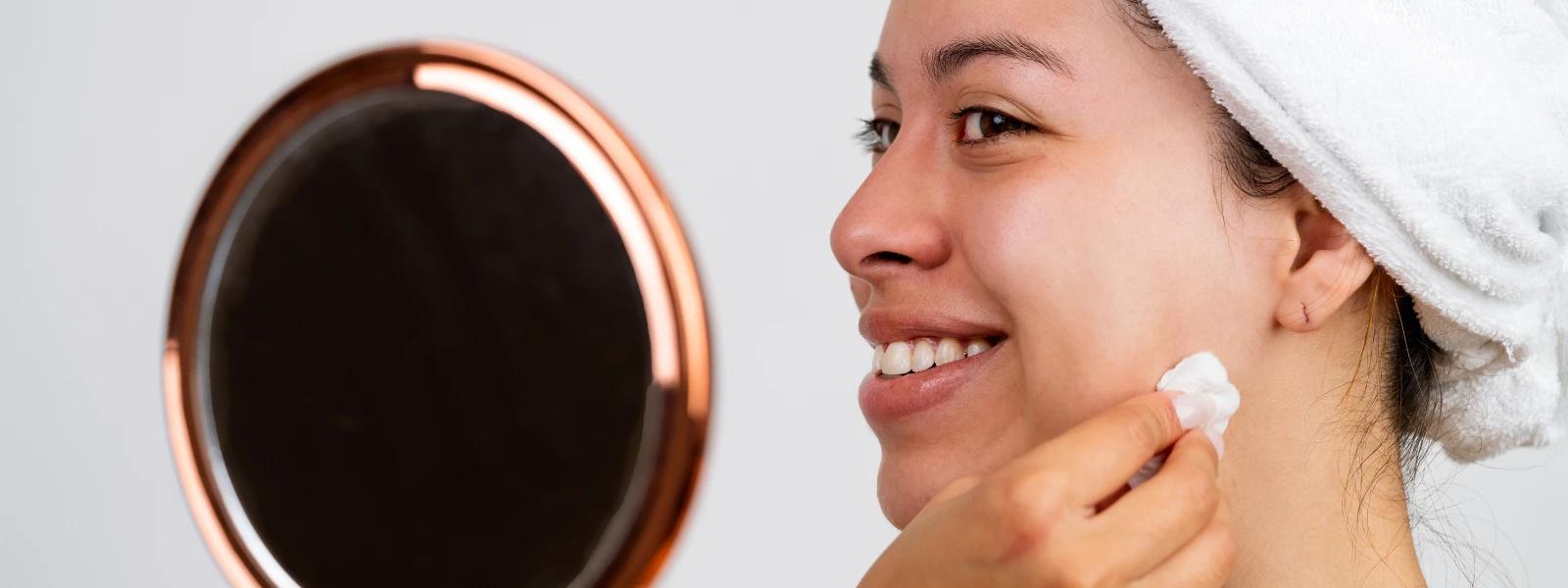

You've seen the DIY skincare videos, read the beauty blogs, and heard whispers about lemon benefits for skin. But if you have brown skin, you might be wondering: is this citrus fruit friend or foe? Real talk — lemon can be both brilliant and brutal for melanin-rich skin, depending entirely on how you use it. The difference between achieving that coveted glow and dealing with unwanted dark patches often comes down to understanding your skin's unique needs and respecting the power of citric acid.
When it comes to how to treat lemon for skin for brown skin tones safely, knowledge is your best defence. Brown skin contains higher levels of melanin, which provides natural protection against UV damage but also means your skin responds differently to acidic treatments like lemon juice.
The science is straightforward: lemon contains citric acid and vitamin C, both of which can help with gentle exfoliation and brightening. However, brown skin is more prone to post-inflammatory hyperpigmentation (PIH), meaning any irritation can lead to dark spots that last for months. This is why the "just rub lemon on your face" advice you see online can be particularly problematic for deeper skin tones.
Many people confuse skin whitening with skin brightening. Lemon for dark spots works by gently exfoliating the top layer of dead skin cells and providing vitamin C, which can help fade existing hyperpigmentation over time. It doesn't change your natural skin colour — and frankly, your beautiful brown skin doesn't need changing.
The key difference lies in melanin production. When brown skin experiences irritation from undiluted lemon juice, melanocytes (the cells that produce melanin) can go into overdrive, creating more pigmentation rather than less. This is why proper dilution and application methods aren't just recommended — they're essential.
Before we dive into the how-to, let's establish what lemon benefits for skin are actually backed by science. Understanding these benefits helps you make informed decisions about whether lemon deserves a spot in your skincare routine.
Vitamin C is lemon's star ingredient, making up about 50-60mg per 100g of fresh lemon juice. This antioxidant helps protect skin from free radical damage and supports collagen production, which can improve skin texture over time. For brown skin dealing with acne scars or uneven texture, this collagen boost can be particularly beneficial.
The citric acid in lemon acts as a natural alpha hydroxy acid (AHA), providing gentle chemical exfoliation. This can help remove dead skin cells that make your complexion look dull, revealing the brighter skin underneath. Think of it as a very mild version of what you'd get from a glycolic acid treatment.
Lemon for dark spots works through this exfoliation process combined with vitamin C's ability to interfere with melanin production. Studies suggest that vitamin C can help inhibit tyrosinase, an enzyme involved in melanin synthesis. However, this process takes time — we're talking weeks to months, not days.
The antibacterial properties of lemon can also help with acne-prone skin, though this benefit comes with significant caveats for brown skin tones. The pH of lemon juice (around 2.0) is quite acidic, which can disrupt your skin's natural barrier if used incorrectly.
Now for the crucial part: safe lemon skincare practices that won't leave you with more problems than you started with. The golden rule for brown skin is dilution, dilution, dilution.
Start with a 1:2 ratio — one part fresh lemon juice to two parts water. For sensitive skin or first-time users, consider a 1:3 ratio. Never, and we mean never, apply undiluted lemon juice directly to your face. Your skin will thank you for this patience.
Always perform a patch test 24-48 hours before applying any DIY skin treatments to your face. Apply the diluted lemon mixture to a small area on your inner forearm and wait. If you notice any redness, itching, or irritation, lemon isn't for you — and that's perfectly fine.
Choose your timing wisely. Lemon juice for skin should only be applied in the evening, never before sun exposure. The compounds in lemon can make your skin photosensitive, increasing your risk of burns and hyperpigmentation when exposed to UV light.
Mix your diluted lemon solution fresh each time — don't store it. Using a cotton pad or clean fingertips, gently apply the mixture to clean skin, avoiding the delicate eye area. Leave it on for no more than 5-10 minutes initially, gradually working up to 15 minutes maximum as your skin builds tolerance.
Rinse thoroughly with cool water and immediately follow with a gentle, fragrance-free moisturiser. Your skin barrier needs support after any acidic treatment, especially if you have brown skin that's prone to dryness.
If you're specifically interested in lemon for hyperpigmentation, understanding realistic expectations is crucial. Brown skin often deals with melasma, post-acne marks, and sun damage differently than lighter skin tones.
Skin brightening with lemon works best when combined with other gentle ingredients. Consider mixing your diluted lemon juice with honey (which has antibacterial properties and helps retain moisture) or aloe vera gel (which soothes and hydrates). These combinations can help buffer lemon's acidity while providing additional skin benefits.
For stubborn dark spots, consistency matters more than concentration. Using a properly diluted lemon treatment 2-3 times per week for several months will yield better results than aggressive daily application that irritates your skin.
Most people start noticing subtle improvements in skin brightness after 4-6 weeks of consistent use. Significant changes in hyperpigmentation typically take 3-6 months. If you're not seeing any improvement after 8 weeks, or if your skin is becoming more irritated, it's time to stop and consider professional alternatives.
Remember, natural skin lighteners work slowly and gently. If someone promises overnight results with lemon, they're either exaggerating or suggesting unsafe concentrations that could damage brown skin.
Let's address the elephant in the room: lemon side effects on skin can be serious, particularly for brown skin tones. Understanding these risks helps you make informed decisions about whether DIY lemon treatments are right for you.
Phototoxicity is the biggest concern. Compounds in lemon juice called furocoumarins can cause severe burns when exposed to sunlight. This reaction, called phytophotodermatitis, can leave brown skin with long-lasting hyperpigmentation that's much worse than whatever you were trying to treat originally.
Contact dermatitis is another risk, especially with repeated use. Signs include redness, swelling, burning sensations, or increased sensitivity. Brown skin may not show redness as obviously as lighter skin, so pay attention to sensations like burning, tightness, or unusual warmth.
Discontinue lemon treatments if you experience persistent burning, increased dark spots, excessive dryness, or any signs of chemical burns. If you accidentally get undiluted lemon juice on your skin, rinse immediately with cool water and avoid sun exposure for at least 24 hours.
Some skin conditions make lemon treatments particularly risky. If you have active eczema, rosacea, or very sensitive skin, skip the DIY approach entirely and consult a dermatologist who understands brown skin.
Sometimes the best approach to skin brightening isn't the DIY route. Professional treatments designed for brown skin can be more effective and safer than home remedies, especially for stubborn hyperpigmentation.
Dermatologist-recommended vitamin C serums provide the benefits of vitamin C without the risks of citric acid irritation. Look for serums with L-ascorbic acid or magnesium ascorbyl phosphate, which are formulated at appropriate pH levels for daily use.
Chemical peels performed by professionals who understand brown skin can address hyperpigmentation more effectively than lemon juice. Glycolic acid, lactic acid, and mandelic acid peels can be customised for your skin tone and concerns.
If you're dealing with melasma, severe acne scarring, or widespread hyperpigmentation, professional treatments often provide better value for money than months of DIY experimentation. A dermatologist can also rule out underlying conditions that might be causing your skin concerns.
Prescription treatments like tretinoin, hydroquinone (used carefully), or azelaic acid are often more effective for brown skin than natural skin lighteners. These ingredients have extensive research backing their safety and efficacy for melanin-rich skin.
No, lemon cannot permanently change your natural skin colour. It may temporarily brighten skin and reduce dullness by exfoliating dead skin cells, but results are temporary and require consistent, safe application. Your natural skin tone is beautiful and doesn't need permanent alteration.
Never apply undiluted lemon directly to brown skin. Always dilute with water in at least a 1:2 ratio and perform patch tests. Brown skin is more prone to post-inflammatory hyperpigmentation from irritation, making proper dilution essential.
For brown skin tones, limit application to 5-10 minutes maximum initially. Start with 2-3 minutes for the first few applications to assess tolerance. Never leave lemon treatments on overnight.
While vitamin C-rich fruits can help with radiance, professionally formulated vitamin C serums are safer and more effective than direct fruit application on brown skin. Consider ingredients like niacinamide, kojic acid, or arbutin for gentle brightening.
Yes, always follow lemon treatments with a gentle, fragrance-free moisturiser. This helps restore your skin barrier and prevents excessive dryness. Avoid petroleum-based products immediately after acidic treatments.
Understanding how to treat lemon for skin for brown skin tones safely comes down to respect — respect for your skin's unique needs, respect for the power of natural acids, and respect for the process of gradual improvement. While lemon can offer benefits for some people with brown skin, it's not a magic solution and certainly isn't suitable for everyone.
Your skin deserves ingredients that work with its natural processes, not against them. If you're curious about exploring safe lemon skincare or other natural approaches, platforms like Smytten offer the opportunity to try different products and formulations before committing to full sizes. With over 28 million users discovering new skincare solutions, you can explore professionally formulated vitamin C serums and gentle brightening treatments that might be more suitable for your skin than DIY approaches.
Remember, the goal isn't to change your beautiful brown skin — it's to help it look and feel its healthiest. Whether that journey includes carefully diluted lemon treatments or professionally formulated alternatives, the choice is yours to make with full knowledge of the benefits and risks involved.
