How to Reduce Skin Redness: Soothing Skin for Relief


Head to Toe Anti-Pigmentation Set | Brightens & Evens Skin Tone from Head to Toe | Targets Dark Spots | Nourishing & Brightening Routine
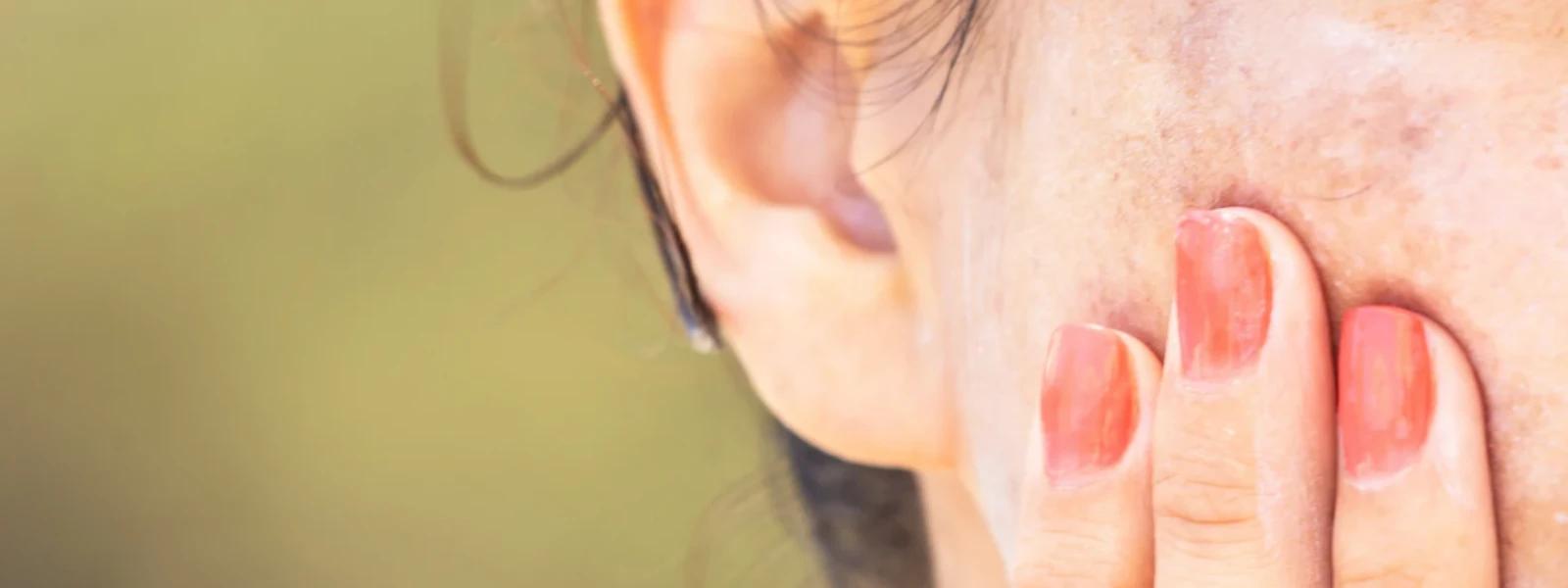
You've just finished a lovely dinner with friends, but when you catch your reflection in the restaurant's mirror, your cheeks are blazing red again. Whether it's the spicy food, the warm room, or simply your skin's way of reacting to the day, facial redness can feel frustrating and unpredictable. The good news? Understanding why your skin gets red and learning how to reduce skin redness can help you achieve the calm, comfortable complexion you're after.
Before diving into solutions, it's worth understanding what's actually happening when your skin turns red. Facial redness causes range from temporary reactions to underlying conditions that need ongoing management. Your skin's blood vessels dilate in response to various triggers, creating that telltale flush or persistent redness that can affect your confidence.
The key to effective red skin relief lies in identifying your specific triggers and choosing the right approach for your skin type. Some people experience occasional redness from environmental factors, whilst others deal with chronic conditions like rosacea that require more targeted care.
Sun exposure remains one of the most frequent culprits behind angry, red skin. UV damage doesn't just cause immediate sunburn—it can lead to ongoing sensitivity and broken capillaries that create persistent redness. Even on cloudy days, UV rays can trigger flare-ups in sensitive skin.
Harsh skincare ingredients often surprise people as redness triggers. Alcohol-based toners, fragrances, and essential oils might smell lovely, but they can cause significant irritation. Even products marketed as "natural" can contain potent botanical extracts that inflame sensitive skin.
Environmental factors play a huge role too. Hot showers, central heating, air conditioning, wind, and pollution all stress your skin's protective barrier. When this barrier becomes compromised, redness and irritation follow quickly behind.
Temporary redness after exercise or a warm meal is normal, but persistent redness that doesn't fade might indicate an underlying condition. Rosacea, eczema, or contact dermatitis all present with chronic redness that requires specific treatment approaches.
Pay attention to patterns in your redness. Does it appear after using certain products? Does it worsen with stress or specific foods? Tracking these patterns helps you identify triggers and choose appropriate skin irritation remedies.
When your skin is actively red and irritated, quick action can provide significant relief. These immediate techniques help calm irritated skin and reduce inflammation whilst you work on longer-term solutions.
The most effective immediate relief comes from cooling and hydrating your skin. This combination helps constrict dilated blood vessels whilst supporting your skin's natural healing process.
A cool compress offers one of the fastest ways to reduce facial redness. Wrap a clean cloth around ice cubes or use a chilled, damp flannel. Apply gently to red areas for 10-15 minutes maximum—longer can actually worsen irritation by disrupting circulation.
Never apply ice directly to your skin, as this can cause additional damage. The goal is gentle cooling that helps constrict blood vessels and reduce inflammation without shocking your skin.

Anti-Pigmentation Set | Brightening & Pigmentation Reduction Kit | Cleanser, Serum, Moisturizer & Sunscreen | Complete Skin Care Routine
Aloe vera provides immediate cooling relief and contains anti-inflammatory compounds that help reduce redness. Look for pure aloe vera gel without added fragrances or colours. Store it in the fridge for extra cooling power.
Niacinamide (Vitamin B3) works brilliantly for reducing redness and strengthening your skin barrier. This gentle ingredient rarely causes irritation and can be used even on inflamed skin. Many people notice improvement within hours of application.
Centella asiatica (also called Cica) has been used for centuries to heal irritated skin. This botanical ingredient contains compounds that specifically target inflammation and help repair damaged skin barriers.
Consistent anti-inflammatory skincare forms the foundation of long-term redness management. Your routine should focus on gentle cleansing, barrier repair, and avoiding ingredients that trigger flare-ups.
The key principle for sensitive skin care is "less is more." Overloading irritated skin with multiple products often worsens redness rather than improving it. Start with basic steps and gradually introduce new products only after your skin has calmed.
Choose fragrance-free, non-comedogenic cleansers that won't strip your skin's natural oils. Cream or lotion cleansers work better than foaming formulas for red, sensitive skin. Avoid physical scrubs entirely—they're too harsh for inflamed skin.
Cleanse with lukewarm water rather than hot, and pat your skin dry instead of rubbing. This gentle approach prevents further irritation whilst still removing dirt and impurities effectively.
Ceramides and hyaluronic acid work together to repair and strengthen your skin barrier. Ceramides help seal gaps between skin cells, whilst hyaluronic acid draws moisture into your skin. This combination is particularly effective for reducing redness caused by barrier damage.
Apply moisturiser to slightly damp skin to lock in hydration. This technique, called "wet skin moisturising," helps your skin absorb more moisture and creates a protective barrier against environmental irritants.
For soothing skin, focus on proven anti-inflammatory ingredients. Niacinamide at 2-5% concentration reduces redness without irritation. Vitamin C in stable forms like magnesium ascorbyl phosphate provides antioxidant protection whilst calming inflammation.
Avoid alcohol-based products, witch hazel, essential oils (especially lavender and eucalyptus), and harsh acids during active flare-ups. These ingredients can worsen redness and delay healing.
Rosacea treatment requires a different approach than general skin sensitivity. This chronic condition affects millions of people and presents with persistent facial redness, often accompanied by bumps, burning sensations, and visible blood vessels.
Understanding your rosacea subtype helps determine the most effective treatment approach. Some people experience mainly redness and flushing, whilst others develop papules and pustules that resemble acne.
Rosacea typically appears as persistent redness across the central face—cheeks, nose, chin, and forehead. Unlike temporary sensitivity, rosacea redness doesn't fully fade between flare-ups. Many people also experience burning or stinging sensations with rosacea.
Professional diagnosis is important because rosacea requires specific treatment approaches. What works for general sensitivity might actually worsen rosacea symptoms.
Redness reducing serums containing azelaic acid work particularly well for rosacea. This ingredient reduces inflammation, kills bacteria, and helps normalise skin cell turnover. It's gentler than many other active ingredients whilst still providing significant results.
Prescription treatments like metronidazole gel can provide additional relief for moderate to severe rosacea. These work alongside gentle skincare to manage symptoms effectively.
Preventing redness is often easier than treating active flare-ups. Daily prevention focuses on protecting your skin barrier, avoiding known triggers, and maintaining consistent skincare habits.
Sun protection forms the cornerstone of redness prevention. UV exposure not only triggers immediate redness but also causes long-term damage that makes your skin more prone to future irritation.
Mineral sunscreens containing zinc oxide or titanium dioxide work best for sensitive, red-prone skin. These ingredients sit on your skin's surface rather than absorbing into it, reducing the risk of irritation whilst providing excellent protection.
Choose broad-spectrum SPF 30 or higher and reapply every two hours. Many people with rosacea find that consistent sun protection alone significantly reduces their baseline redness.
Heat exposure from hot showers, saunas, or even heated cars can trigger redness. Keep water temperature lukewarm and limit exposure to very warm environments when possible.
Indoor air quality matters too. Dry air from heating or air conditioning can worsen skin sensitivity. Using a humidifier helps maintain optimal moisture levels for your skin.
Sometimes home care isn't enough to manage persistent redness. Knowing when to see a dermatologist can save you time and prevent your condition from worsening.
Professional treatments offer options that aren't available over-the-counter, particularly for redness caused by broken capillaries or chronic conditions like rosacea.
Seek professional help if your redness is painful, accompanied by swelling, or doesn't improve with gentle care. Sudden onset of severe redness might indicate an allergic reaction or infection requiring immediate attention.
Persistent redness that interferes with your daily life or confidence also warrants professional evaluation. Dermatologists can offer prescription treatments and procedures that provide significant improvement.
Laser therapy can effectively treat broken capillaries and persistent redness. IPL (Intense Pulsed Light) treatments target red blood vessels whilst leaving surrounding skin undamaged.
Prescription topicals like azelaic acid, metronidazole, or low-strength retinoids can provide relief when over-the-counter options aren't sufficient.
Cool compresses, aloe vera gel, and products containing niacinamide provide the quickest relief. Apply for 10-15 minutes maximum and always patch test new products first, even during flare-ups.
Use a gentle, fragrance-free moisturiser with ceramides, sleep with a humidifier running, and apply a calming serum with centella asiatica before bed. Avoid hot showers and harsh products in the evening.
Yes, vitamin C's anti-inflammatory properties help reduce redness and protect against environmental damage. Choose stable forms like magnesium ascorbyl phosphate, which are less likely to irritate sensitive skin.
Common causes include sun damage, harsh skincare ingredients, environmental triggers like heat and wind, stress, hormonal changes, and underlying conditions like rosacea or eczema.
Light, mineral-based makeup is usually fine, but avoid heavy coverage or products with fragrances. Green-tinted primers can help neutralise redness whilst allowing your skin to breathe and heal.
Managing skin redness successfully combines understanding your triggers, choosing gentle products, and maintaining consistent habits. Whether you're dealing with occasional sensitivity or chronic rosacea, the right approach can help you achieve calmer, more comfortable skin.
Remember that improvement takes time—most people notice significant changes within 4-6 weeks of consistent care. Be patient with your skin and avoid the temptation to try multiple new products at once.
For those exploring new skincare options, platforms like Smytten Shop offer the opportunity to try products before committing to full sizes. This approach is particularly valuable for sensitive skin, as it allows you to test how your skin responds to new formulations without the risk of purchasing products that might trigger redness. With access to premium brands and the ability to discover what works for your unique skin needs, you can build an effective routine with confidence.
