How to Reduce Redness: Soothe Irritated Skin Effectively
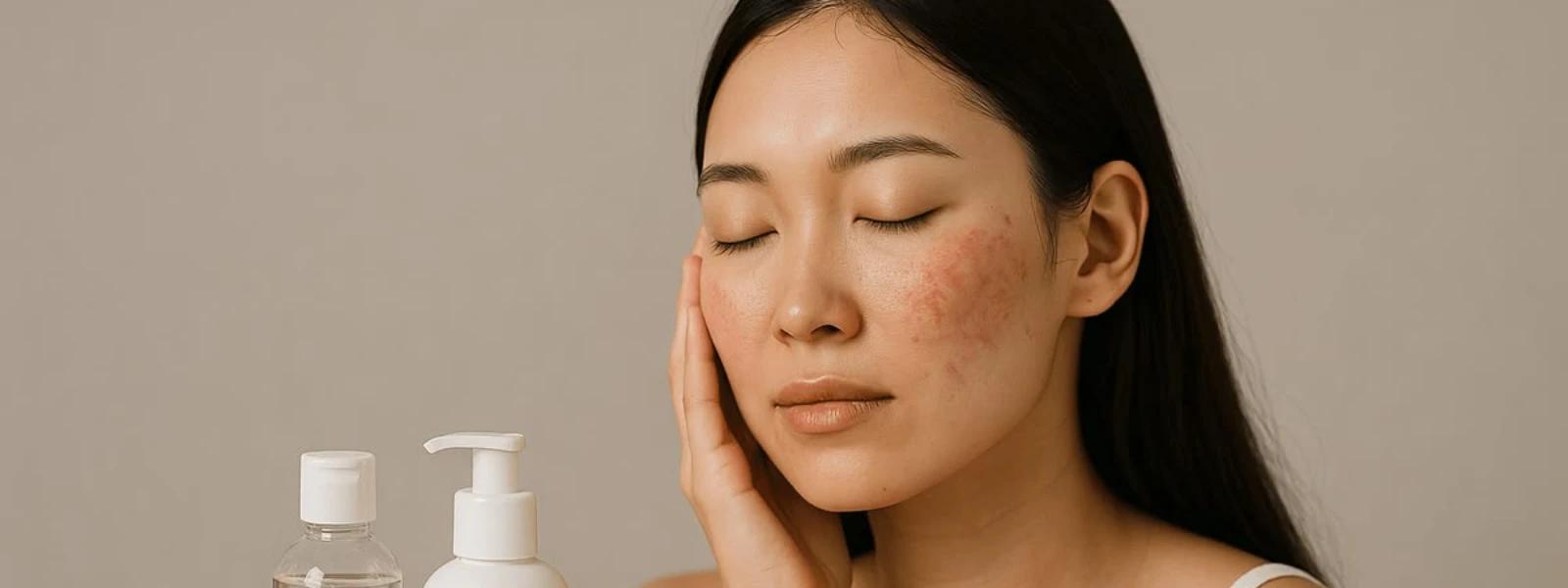

You're rushing to get ready for an important meeting when you catch your reflection – your cheeks are blazing red, and no amount of concealer seems to help. Whether it's a sudden flare-up from trying a new product, the aftermath of a stressful week, or that familiar flush that appears whenever temperatures change, dealing with facial redness can feel overwhelming. The good news? Understanding what triggers your skin's inflammatory response and knowing how to reduce redness effectively can transform your relationship with your complexion. Let's explore the science-backed methods that actually work to calm irritated skin and restore your confidence.
Before diving into solutions, it's crucial to understand why your skin turns red in the first place. Skin inflammation occurs when your body's immune system responds to perceived threats, causing blood vessels to dilate and creating that telltale flush. This response can be triggered by various factors, from medical conditions to everyday lifestyle choices.
Rosacea affects millions of people worldwide and typically presents as persistent redness across the cheeks, nose, chin, and forehead. Unlike temporary flushing, rosacea-related redness tends to be chronic and may worsen over time without proper management. Eczema and contact dermatitis can also cause significant redness, often accompanied by itching, scaling, or burning sensations.
Your surroundings play a massive role in skin reactivity. Sun exposure remains one of the most common culprits – UV rays trigger inflammation and can cause immediate redness that lasts for hours. Temperature extremes, whether it's stepping from air conditioning into summer heat or facing harsh winter winds, can cause blood vessels to react dramatically. Even indoor heating systems can contribute to facial flushing by creating dry, irritating environments.
What you eat, drink, and how you manage stress directly impacts your skin's tendency to flush. Spicy foods containing capsaicin, alcohol (particularly red wine), and hot beverages can trigger immediate facial flushing. Stress hormones like cortisol increase inflammation throughout the body, including your skin. Even seemingly innocent activities like taking very hot showers can strip your skin's protective barrier and trigger reactive redness.
Ironically, many people develop redness from products meant to improve their skin. Over-exfoliation with harsh scrubs or strong acids, using products with high concentrations of active ingredients, or introducing multiple new products simultaneously can overwhelm your skin's defences. Fragrances, essential oils, and alcohol-based formulations are particularly problematic for sensitive skin.
When you're dealing with acute redness, whether from a product reaction or environmental trigger, quick action can prevent the situation from worsening. The key is to calm inflammation immediately whilst avoiding anything that might further irritate your compromised skin barrier.
The most effective immediate red face remedy is applying cold to constrict dilated blood vessels. Wrap ice cubes in a clean cloth or use a cold, damp flannel – never apply ice directly to skin. Hold the compress against affected areas for 10-15 minutes, taking breaks every few minutes to prevent ice burn. This simple technique can reduce visible redness by up to 50% within the first hour.
When redness strikes, simplify your routine immediately. Cleanse gently with lukewarm water and a fragrance-free cleanser, then apply a basic, soothing moisturiser whilst your skin is still damp. Look for products containing ceramides or hyaluronic acid to restore barrier function. Avoid any active ingredients, exfoliants, or products with potential irritants until the redness subsides.
Resist the urge to pile on products or try new treatments when your skin is already inflamed. Avoid hot water, steam, saunas, and intense exercise until redness calms. Don't use makeup wipes, toners with alcohol, or any products containing retinoids, acids, or vitamin C during acute episodes.
Understanding which ingredients actually work to soothe irritated skin can help you build an effective anti-redness arsenal. These scientifically-backed compounds target inflammation at different stages, providing both immediate relief and long-term improvement.
Niacinamide (vitamin B3) is perhaps the most versatile ingredient for reducing redness. Studies show it can decrease inflammatory markers by up to 68% when used consistently. It works by strengthening the skin barrier, reducing water loss, and regulating sebum production. Most people can tolerate concentrations between 5-10% without irritation, making it ideal for sensitive skin types.
These botanical powerhouses have been used for centuries to treat inflamed skin. Aloe vera contains compounds called polysaccharides that create a protective film on skin whilst delivering anti-inflammatory benefits. Centella asiatica (also known as cica) contains madecassoside and asiaticoside – compounds that specifically target redness and help repair damaged capillaries.
Unlike other acids that can worsen redness, azelaic acid actually reduces inflammation whilst providing gentle exfoliation. It's particularly effective for rosacea treatment and post-inflammatory redness from acne. Available in concentrations from 10-20%, it's well-tolerated by most skin types and can be used long-term.
Chamomile contains apigenin and bisabolol – compounds that inhibit inflammatory pathways. Green tea extract provides powerful antioxidants called catechins that protect against environmental damage. Licorice extract contains glabridin, which helps fade post-inflammatory redness over time.
Creating a routine specifically designed for redness relief requires careful product selection and strategic layering. The goal is to strengthen your skin barrier whilst providing consistent anti-inflammatory support without overwhelming sensitive skin.
Start with a cream or lotion cleanser that won't strip your skin's natural oils. Look for formulations with ceramides, glycerin, or squalane. Avoid foaming cleansers, which can be too harsh for reactive skin. Cleanse with lukewarm water and pat dry – never rub vigorously.
Apply products from thinnest to thickest consistency. Start with a niacinamide serum on damp skin, followed by a hydrating essence or lightweight moisturiser. If using multiple active ingredients, introduce them one at a time over several weeks to monitor your skin's response.
Mineral sunscreens containing zinc oxide or titanium dioxide provide broad-spectrum protection without chemical irritants. Look for SPF 30 or higher and reapply every two hours. Many mineral formulas also provide immediate colour correction, helping neutralise redness whilst protecting against further UV damage.
Whilst professional skincare products offer targeted solutions, several natural approaches can complement your routine and provide additional redness relief. These methods work by supporting your skin's natural healing processes and reducing systemic inflammation.
Create soothing masks using ingredients from your kitchen. Blend cucumber with plain yoghurt for a cooling, anti-inflammatory treatment. Oatmeal mixed with honey creates a gentle mask that soothes irritation whilst providing moisture. Apply these treatments for 10-15 minutes, then rinse with cool water.
What you eat directly impacts skin inflammation. Incorporate omega-3 rich foods like salmon, walnuts, and flaxseeds to support skin barrier function. Green tea, turmeric, and berries provide antioxidants that help reduce facial flushing from within. Stay hydrated with at least 8 glasses of water daily to maintain optimal skin function.
Chronic stress elevates cortisol levels, which can worsen redness and sensitivity. Practice deep breathing exercises, meditation, or gentle yoga to activate your parasympathetic nervous system. Even 10 minutes of daily stress reduction can significantly impact your skin's reactivity over time.
For those dealing with chronic redness or diagnosed conditions like rosacea, long-term management strategies become essential. These approaches focus on strengthening skin resilience and minimising trigger exposure over time.
Dermatologists may recommend IPL (intense pulsed light) or laser treatments for persistent redness. These procedures target dilated blood vessels directly, providing significant improvement for many people. Prescription treatments like metronidazole gel or oral antibiotics may be necessary for severe rosacea treatment.
Focus on products that support your skin's natural protective barrier. Look for formulations with ceramides, cholesterol, and fatty acids that mimic your skin's natural lipid structure. Consistent use of barrier-supporting products can reduce reactivity and improve overall skin resilience over 3-6 months.
Keep a skin diary noting when redness occurs and potential triggers. Common culprits include specific foods, weather changes, stress levels, or product ingredients. Once you identify patterns, you can make targeted lifestyle adjustments to minimise flare-ups.
Cold compresses provide the fastest relief by constricting blood vessels. Apply for 10-15 minutes using a clean, cold cloth. Follow with a gentle, fragrance-free moisturiser containing niacinamide or aloe vera for additional anti-inflammatory benefits.
Consistent use of gentle, anti-inflammatory skincare combined with trigger avoidance provides the best long-term results. Focus on strengthening your skin barrier with ceramides and using proven ingredients like azelaic acid or centella asiatica daily.
Absolutely. Spicy foods, alcohol, and hot beverages commonly trigger flushing. Anti-inflammatory foods rich in omega-3 fatty acids and antioxidants can help reduce overall skin reactivity when consumed regularly.
Immediate relief from cold compresses and soothing products can be seen within hours. However, significant improvement in chronic redness typically takes 6-12 weeks of consistent skincare routine and trigger avoidance.
Learning how to reduce redness effectively requires patience, consistency, and often some detective work to identify your personal triggers. Remember that everyone's skin responds differently – what works brilliantly for your friend might not suit your skin type. The key is starting with gentle, proven ingredients and building your routine slowly.
If you're ready to explore targeted solutions for your specific skin concerns, platforms like Smytten Shop offer curated selections from premium brands, allowing you to discover products that work for your unique needs. With access to samples and expert recommendations, you can build an effective anti-redness routine without the guesswork. Your skin deserves gentle, effective care – and with the right approach, that persistent redness can become a thing of the past.
