How to Reduce Dark Spots on Face: Your Complete FAQ
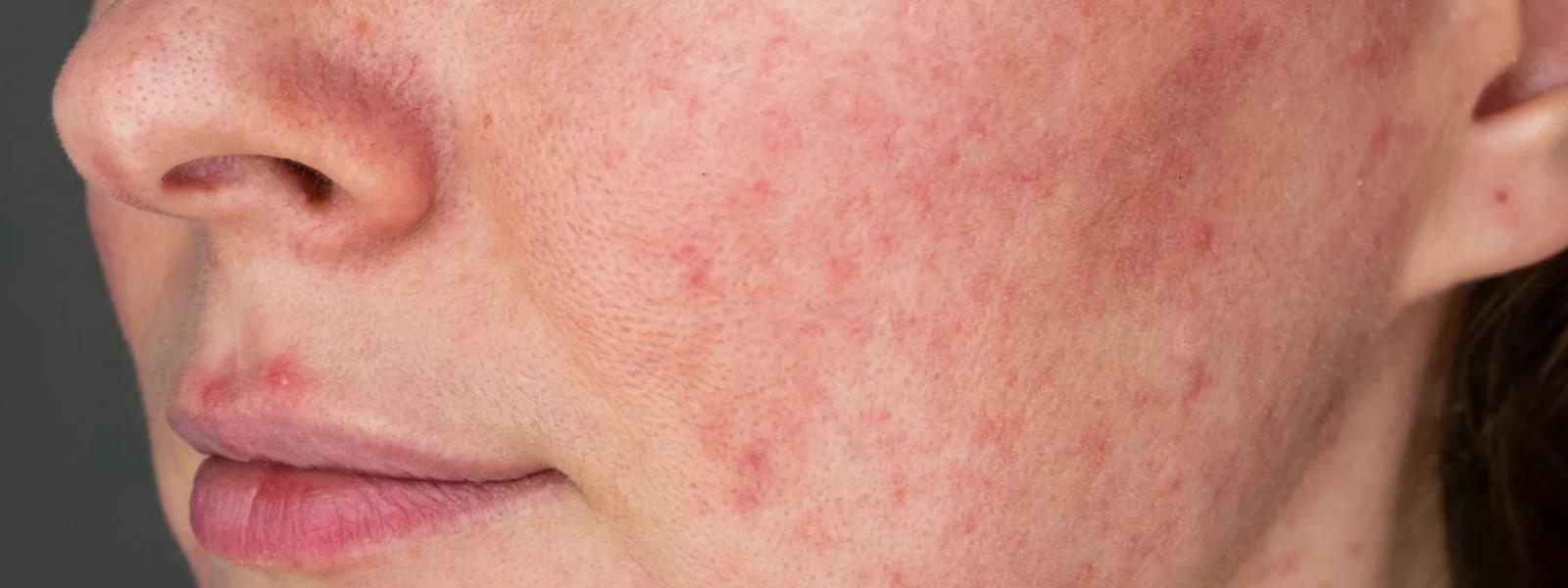

You've been staring at that stubborn dark spot for weeks now, wondering if it'll ever fade. Whether it's a reminder of last summer's breakout or a new mark that appeared seemingly overnight, dark spots can feel like unwelcome guests on your face. The good news? You're not stuck with them forever. Understanding how to reduce dark spots on face effectively starts with knowing what you're dealing with and choosing the right approach for your skin.
Dark spots, also known as hyperpigmentation, occur when your skin produces excess melanin in certain areas. Think of melanin as your skin's natural defence mechanism - it kicks into overdrive when it senses damage or irritation, creating those concentrated patches of colour that stand out against your natural skin tone.
Several factors contribute to uneven skin tone and dark spot formation. Sun exposure tops the list - those UV rays trigger melanin production as your skin tries to protect itself. Post-inflammatory hyperpigmentation follows closely behind, appearing after acne, cuts, or any skin trauma heals.
Hormonal changes, particularly during pregnancy or when taking certain medications, can trigger melasma - those symmetrical patches that often appear on the cheeks and forehead. Age spots develop over time as cumulative sun damage catches up with us, whilst genetics play a role in how prone your skin is to developing skin discoloration.
Not all dark spots are created equal. Age spots tend to be flat, brown patches that appear on sun-exposed areas. Melasma creates larger, irregular patches with defined borders. Post-acne marks can range from red to brown, depending on your skin tone and how recent the breakout was.
Understanding whether your pigmentation sits in the surface layers or deeper in the skin helps determine which treatments will work best. Surface-level spots respond faster to topical treatments, whilst deeper pigmentation may need more intensive approaches.
Before reaching for harsh chemicals, many people find success with gentler, natural approaches to fade dark spots. These methods work gradually but can be particularly suitable for sensitive skin types or those preferring a more natural skincare routine.
Vitamin C stands out as one of the most effective natural ingredients for skin lightening. Found naturally in citrus fruits, it works by inhibiting melanin production whilst providing antioxidant protection. Fresh lemon juice contains natural vitamin C, though it should always be diluted and used carefully to avoid irritation.
Aloe vera offers gentle healing properties that can help fade post-inflammatory hyperpigmentation whilst soothing the skin. Its natural compounds support skin repair and can gradually lighten dark spots with consistent use.
Apple cider vinegar contains natural acids that provide mild exfoliation, helping to remove the top layer of pigmented skin cells. Green tea extract brings powerful antioxidants to the table, protecting against further damage whilst supporting the skin's natural healing process.
A simple brightening mask combines one tablespoon of honey, half a teaspoon of turmeric, and a few drops of lemon juice. Apply this mixture to clean skin for 15 minutes twice weekly. The honey moisturises whilst turmeric and lemon work to brighten skin naturally.
Always perform a patch test before trying new ingredients, especially citrus-based treatments. Apply a small amount to your inner wrist and wait 24 hours to check for any adverse reactions.
When natural remedies aren't delivering the results you're after, professional-grade ingredients and treatments can accelerate your progress. These options typically work faster than natural alternatives but require more careful introduction to your routine.
Kojic acid effectively inhibits melanin production and works well for various types of dark spots. Niacinamide, also known as vitamin B3, not only helps with pigmentation but also strengthens the skin barrier and reduces inflammation.
Alpha hydroxy acids (AHAs) like glycolic and lactic acid provide gentle exfoliation, removing pigmented skin cells and revealing brighter skin underneath. Retinol accelerates cell turnover, helping to fade dark spots whilst improving overall skin texture.
Hydroquinone remains one of the most effective ingredients for dark spot removal, though it requires careful use and isn't suitable for long-term application without professional guidance.
Chemical peels offer deeper exfoliation than at-home treatments, with options ranging from gentle lactic acid peels to stronger TCA peels for stubborn pigmentation. Laser therapy can target specific spots with precision, breaking down melanin deposits effectively.
Microdermabrasion provides physical exfoliation that can improve the appearance of surface-level dark spots whilst stimulating skin renewal. Professional-grade spot correctors often contain higher concentrations of active ingredients than over-the-counter options.
One of the biggest misconceptions about hyperpigmentation treatment involves timeline expectations. Understanding what's actually possible helps set realistic goals and prevents disappointment with legitimate treatments.
Despite what some products claim, you cannot safely remove established dark spots in 2-3 days. Melanin deposits take time to break down and fade, and attempting to speed this process with harsh treatments often leads to irritation or even more pigmentation.
The skin's natural cell turnover cycle takes approximately 28 days, which means even the most effective treatments need at least this long to show noticeable results. Factors like spot depth, skin type, and the underlying cause all influence how quickly you'll see improvement.
Most people begin noticing subtle improvements within 2-4 weeks of consistent treatment. Surface-level spots typically respond faster than deeper pigmentation. By 8-12 weeks, significant fading should be visible with appropriate treatments.
Combining gentle exfoliation with targeted ingredients often produces better results than using harsh treatments sporadically. Consistency matters more than intensity when it comes to safe, effective dark spot removal.
Preventing new dark spots from forming is just as important as treating existing ones. A proactive approach saves time and frustration whilst maintaining the results you've worked to achieve.
Daily SPF application remains the most crucial step in preventing dark spots. Choose a broad-spectrum sunscreen with at least SPF 30 and reapply every two hours when outdoors. Even on cloudy days, UV rays can trigger melanin production.
Physical barriers like wide-brimmed hats and UV-protective clothing provide additional protection, especially during peak sun hours between 10 AM and 4 PM.
A consistent routine that includes gentle exfoliation, antioxidant protection, and proper moisturisation supports your skin's natural repair processes. Avoid picking at blemishes or irritating the skin, as this can lead to post-inflammatory hyperpigmentation.
Products containing vitamin C, niacinamide, or gentle AHAs can help maintain an even skin tone whilst providing ongoing protection against environmental damage.
Whilst you cannot completely remove a dark spot in 3 days, you can begin treatment with gentle exfoliation and targeted ingredients like vitamin C or niacinamide. Consistent daily application of these ingredients, combined with sun protection, will start the fading process, though visible results typically take 2-4 weeks.
The safest approach combines gentle daily exfoliation with proven ingredients like kojic acid, niacinamide, or vitamin C. Professional treatments like chemical peels can accelerate results but should be performed by qualified practitioners. Always prioritise skin health over speed to avoid irritation or worsening pigmentation.
Whilst natural ingredients can begin working within a week, complete spot removal in 7 days isn't realistic. Natural treatments like vitamin C, aloe vera, and gentle fruit acids can start the lightening process, but expect to see gradual improvement over 4-8 weeks rather than dramatic changes in one week.
Sometimes spots may appear darker initially as deeper pigmentation rises to the surface during the exfoliation process. This is normal with treatments like retinoids or AHAs. However, if you experience irritation, burning, or new dark spots, discontinue use and consult a dermatologist.
Avoid combining multiple strong actives like retinol and AHAs in the same routine without proper guidance. Skip harsh scrubs or DIY treatments with undiluted lemon juice, as these can cause irritation and worsen pigmentation. Always introduce new ingredients gradually.
Consider professional help if spots haven't improved after 3 months of consistent at-home treatment, if they're very dark or extensive, or if you're unsure about the cause. Dermatologists can determine whether spots are benign and recommend the most effective treatment approach.
Reducing dark spots on your face requires patience, consistency, and the right approach for your specific skin concerns. Whether you choose natural remedies or professional treatments, remember that safe, effective results take time to develop.
The key lies in understanding your skin type, choosing appropriate treatments, and maintaining realistic expectations about timelines. With platforms like Smytten, you can explore various skincare products through samples before committing to full sizes, helping you find the most effective treatments for your unique skin needs without the guesswork.
Your skin's journey to a more even tone is worth the investment in time and proper care. Focus on gentle, consistent treatment combined with diligent sun protection, and you'll be well on your way to achieving the clearer, more radiant complexion you're working towards.
