How to Prevent Underarm Roll-On in Summer Heat


Target & Fade Duo for Hyperpigmentation | Even-Tone Underarms, Inner Thighs & Bum | Refines Skin Texture | For All Skin Types
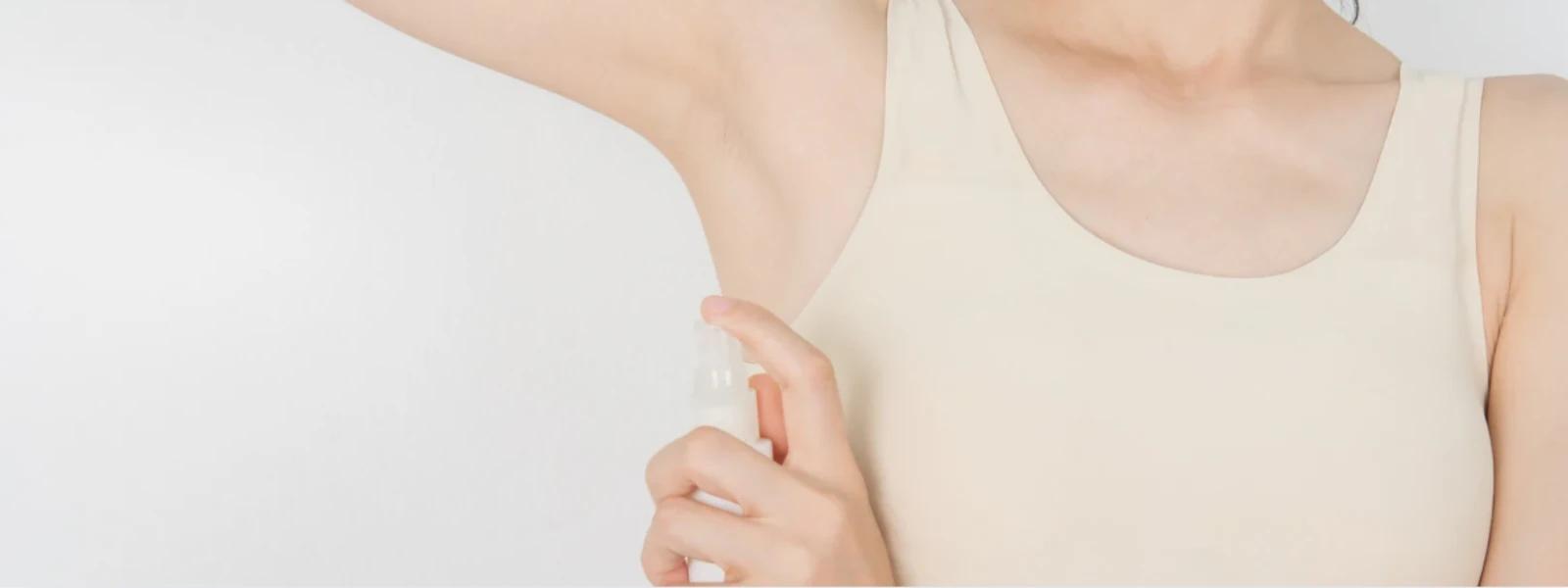
That moment when you lift your arms and realise your trusty roll-on has completely given up in the summer heat. You're not alone—millions of us face this sticky situation every year when temperatures soar. The combination of increased sweating, humidity, and our body's natural cooling response can make even the most reliable deodorants feel utterly useless. But here's the thing: staying fresh and dry during summer isn't about finding a miracle product. It's about understanding why your current routine fails and building a proper strategy that actually works when the heat is on.
Your body produces sweat as a natural cooling mechanism, and during summer, this process goes into overdrive. When temperatures rise, your eccrine glands—particularly concentrated in your underarms—work harder to regulate your body temperature. This increased activity means more moisture, which can dilute or wash away your deodorant before it has a chance to work properly.
The science behind underarm sweat prevention reveals that heat doesn't just increase the volume of sweat; it changes its composition too. Summer sweat tends to be more watery and flows more freely, making it harder for traditional roll-on formulations to maintain their protective barrier. Additionally, humidity in the air prevents sweat from evaporating efficiently, creating that uncomfortable, sticky feeling that no amount of reapplication seems to fix.
Understanding the difference between sweating and body odour is crucial here. Sweat itself is largely odourless—it's when bacteria on your skin break down the proteins and fats in sweat that unpleasant smells develop. This process accelerates in warm, moist conditions, which explains why summer can feel like an uphill battle against both wetness and odour.
Creating an effective underarm care routine for summer requires more than just switching products—it's about timing, technique, and consistency. The foundation of any successful routine starts the night before, not the morning of a hot day.
Your evening preparation should begin with a thorough cleanse using a gentle, pH-balanced soap. This removes the day's buildup of bacteria, dead skin cells, and product residue that can interfere with your next application. After patting the area completely dry, apply your roll on antiperspirant to clean, dry skin. This overnight application allows the active ingredients to form a more effective barrier while you sleep and your sweat glands are less active.
Morning application should focus on reinforcement rather than replacement. If you've applied antiperspirant the night before, a light layer of deodorant in the morning can provide additional odour protection without interfering with the antiperspirant's effectiveness. The key is ensuring your skin is completely dry—even the slightest moisture can prevent proper adhesion.
For those particularly challenging days when you know you'll be exposed to intense heat, consider the layering technique. Apply a thin layer of cornstarch-based powder after your deodorant has dried completely. This creates an additional moisture-absorbing barrier that can extend protection throughout the day.
 100 ml x 2
Even Tone Underarm Mist | Brightening Spray for Dark Underarms | 48H Odour Protection | 7% Glycolic + 3% Lactic Acid | Pack of 2 | 100ml
While commercial products form the backbone of most routines, natural remedies can provide valuable support for sweat control methods. Apple cider vinegar, when diluted and applied to clean skin before your regular deodorant, can help balance your skin's pH and create an environment less favourable to odour-causing bacteria.
Baking soda treatments offer another layer of protection, though they require careful application. Mix a small amount with water to create a paste, apply for just a few minutes, then rinse thoroughly before applying your regular products. This can help neutralise existing odours and absorb excess moisture, but overuse can cause irritation, so limit this to once or twice weekly.
For those seeking completely natural alternatives, cornstarch-based powders combined with essential oils like tea tree or lavender can provide moderate protection for lighter activity days. While these won't match the effectiveness of clinical formulations for heavy sweating, they can be excellent for maintaining freshness during less demanding periods.
Not all deodorants and antiperspirants are created equal when it comes to summer performance. The best deodorant for summer typically contains higher concentrations of active ingredients and formulations designed to withstand moisture and heat. Clinical-strength options often contain 15-25% aluminium salts compared to the 10-15% found in regular formulations.
When exploring options, platforms like Smytten Shop offer the perfect opportunity to test different formulations before committing to full-size purchases. With access to premium brands and the ability to try products through samples, you can discover what works best for your specific needs without the frustration of buying products that don't deliver.
Gel formulations often perform better in high humidity than traditional roll-ons because they dry faster and create a more resilient barrier. Look for products containing ingredients like aluminium chloride, which forms stronger plugs in sweat ducts, or newer technologies like encapsulated fragrances that release throughout the day.
The choice between aluminium-based and aluminium-free products often comes down to effectiveness versus personal preference. Aluminium-based antiperspirants work by temporarily blocking sweat ducts, which is why they're most effective when applied to dry skin before bed. Aluminium-free options focus on odour control and moisture absorption rather than sweat prevention.
For summer heat, aluminium-based products generally provide superior protection against wetness, while aluminium-free options can be excellent for those with sensitive skin or concerns about aluminium exposure. Many people find success using aluminium-based products during particularly challenging periods and switching to natural alternatives during cooler months.
Your approach to how to stay dry in summer extends far beyond the products you apply. What you eat, drink, and wear can significantly impact your body's sweat production and the effectiveness of your chosen products.
 100 ml x 2
Even Tone Underarm Mist | Brightening Spray for Dark Underarms | 48H Odour Protection | 7% Glycolic + 3% Lactic Acid | Pack of 2 | 100ml
Dietary modifications can play a surprising role in sweat control. Spicy foods, caffeine, and alcohol can all trigger increased sweating by raising your core body temperature or stimulating your nervous system. During particularly hot periods, reducing these triggers can help your deodorant work more effectively.
Hydration strategy matters too, though not in the way you might expect. While staying hydrated is crucial for overall health, the timing of your fluid intake can impact sweating patterns. Drinking cold water can help lower your core temperature, while avoiding large amounts of fluids right before important events can prevent sudden increases in sweat production.
Your clothing choices can make or break even the most carefully planned routine. Natural fibres like cotton and linen allow better air circulation, while moisture-wicking synthetic fabrics can help draw sweat away from your skin. Loose-fitting garments create air pockets that promote cooling, while tight clothing can trap heat and moisture against your skin.
Consider keeping a spare shirt or blouse available during particularly challenging days. Sometimes the confidence that comes from knowing you have a backup option can actually reduce stress-induced sweating.
Even the best-planned routines sometimes need backup support. Beauty tips for summer heat include keeping blotting papers or tissues handy for quick moisture removal, and carrying a small container of cornstarch or baby powder for emergency touch-ups.
For immediate relief when you notice breakthrough sweating, step into an air-conditioned space if possible and allow your body temperature to normalise before reapplying products. Wet wipes designed for sensitive skin can help remove excess moisture and bacteria before fresh application.
Strategic clothing adjustments can also help manage unexpected situations. Keeping a lightweight cardigan or blazer available can provide coverage when needed, while choosing patterns and darker colours can help camouflage any visible signs of perspiration.
For some people, standard approaches to excessive sweating solutions simply aren't enough. If you find yourself changing clothes multiple times daily or avoiding certain activities due to sweating concerns, it might be time to explore clinical options.
Prescription-strength antiperspirants containing higher concentrations of active ingredients can provide significantly better protection than over-the-counter options. These are typically applied less frequently but offer longer-lasting results.
 100ml
100mlFace Wash for Dark Spots & Marks | Alpha Arbutin + Kojic Acid | Evens Skin Tone | Non-Stripping Gentle Formula | For All Skin Types | 100ml
For severe cases, treatments like iontophoresis or botulinum toxin injections can provide months of relief by temporarily disabling sweat glands. While these require professional consultation, they can be life-changing for those dealing with hyperhidrosis.
Most people need to reapply deodorant once during the day in summer, typically after lunch or before afternoon activities. However, if you've applied antiperspirant properly the night before, you may only need a light refresh rather than a full reapplication. Listen to your body and adjust based on your activity level and the day's temperature.
Yes, layering different products can be effective when done correctly. Apply antiperspirant to clean, dry skin at night, then add deodorant in the morning after the antiperspirant has fully dried. Avoid mixing products simultaneously, as this can reduce effectiveness and potentially cause irritation.
Several factors affect deodorant performance, including stress levels, hormonal fluctuations, diet, clothing choices, and how thoroughly you cleansed before application. Consistency in your routine and paying attention to these variables can help improve overall effectiveness.
Absolutely. Your body's sweat response is designed to increase with temperature as a cooling mechanism. This is completely normal and healthy. The goal isn't to stop sweating entirely but to manage it effectively while maintaining comfort and confidence.
Managing underarm freshness during summer heat requires a comprehensive approach that goes beyond simply applying more product. By understanding why traditional methods fail in hot weather and building a routine that addresses the root causes, you can maintain confidence even on the most challenging days.
The key lies in preparation, consistency, and finding the right combination of products and techniques for your individual needs. Platforms like Smytten Shop make this discovery process easier by offering access to premium brands and the opportunity to test products before committing to full sizes. With over 28 million users trusting the platform for their beauty discoveries, you're in good company when exploring new solutions.
Remember, everyone's body responds differently to heat and stress. What works perfectly for your friend might need adjustment for your skin type and lifestyle. Be patient with the process, stay consistent with your routine, and don't hesitate to seek professional advice if standard approaches aren't providing the relief you need. Your comfort and confidence are worth the investment in finding the right solution.
