How to Manage Melasma: Effective Treatments for Hyperpigmentation


Asaya Dark Spot Reduction Set | 3-Step Routine for Hyperpigmentation & Even Skin Tone | Cleanser, Serum & Moisturizer | Skin Care Routine Kit
You've noticed those stubborn brown patches on your cheeks that seem to darken every summer, despite your best SPF efforts. Or perhaps you've developed symmetrical discolouration across your forehead since starting hormonal contraception. If this sounds familiar, you're likely dealing with melasma — a common but frustrating form of hyperpigmentation that affects millions of people worldwide. The good news? While melasma can be persistent, understanding how to manage it properly can help you regain confidence in your skin.
Before diving into treatment options, it's crucial to understand what you're dealing with. Melasma isn't just another type of dark spots — it's a specific condition with unique characteristics and triggers that require a tailored approach.
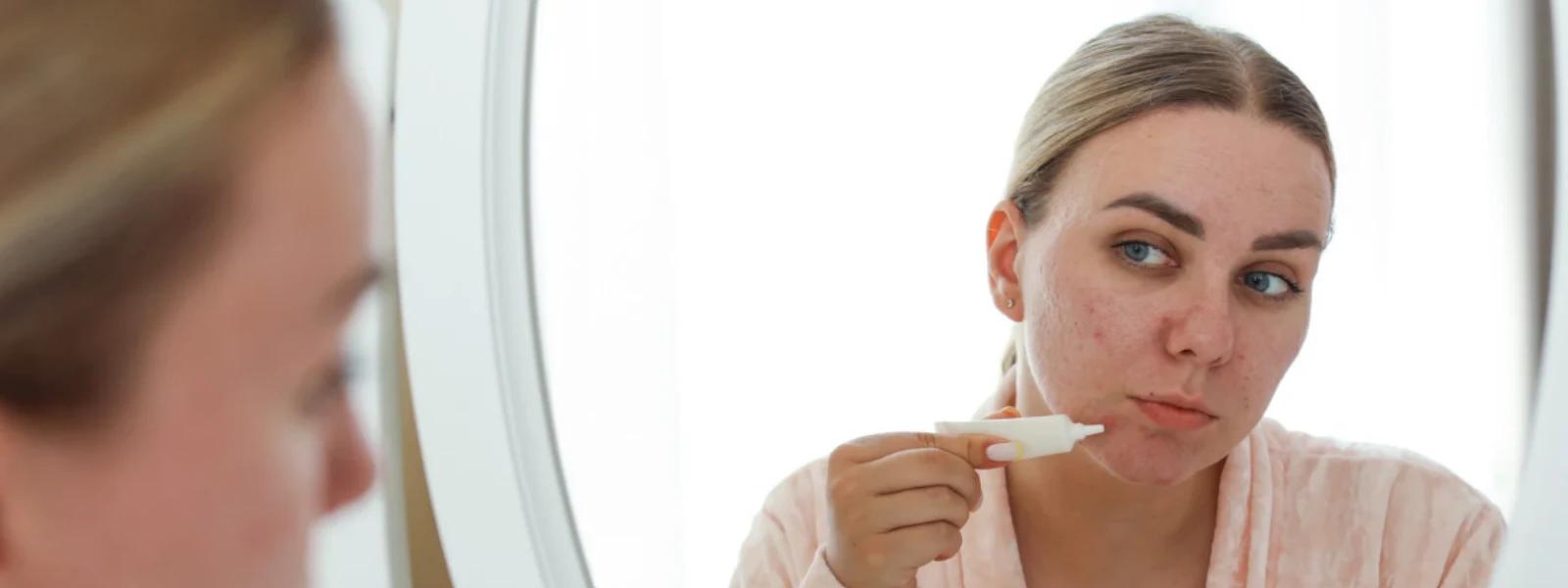
Melasma appears as brown or grey-brown patches, typically in a symmetrical pattern across the face. Unlike age spots or sun damage, which tend to be more random and circular, melasma creates larger, irregular patches that often mirror each other on both sides of your face. The most common locations include the forehead, cheeks, bridge of the nose, and upper lip area.
What sets melasma apart from other forms of hyperpigmentation is its tendency to worsen with heat and light exposure, including visible light from screens. This makes it particularly challenging to manage in our modern, screen-heavy lifestyle.
The primary culprit behind melasma is hormonal fluctuation, which explains why it's often called "the mask of pregnancy." Hormonal changes during pregnancy, whilst taking oral contraceptives, or during hormone replacement therapy can trigger melanocytes (pigment-producing cells) to become overactive.
UV radiation acts as a significant trigger, but melasma is also sensitive to visible light and infrared radiation. This means that even sitting by a sunny window or spending time near heat sources can worsen the condition. Additionally, genetic predisposition plays a role — if your mother or grandmother dealt with melasma, you're more likely to develop it yourself.
Beyond the primary causes, several factors can exacerbate existing melasma. Heat exposure from cooking, saunas, or even hot yoga classes can darken patches. Certain skincare ingredients, particularly those that cause irritation or inflammation, can worsen uneven skin tone. Stress and poor sleep can also contribute to hormonal imbalances that fuel melasma development.
Prevention remains the most effective approach to managing melasma. Since this condition is notoriously stubborn once established, stopping it from worsening is often easier than trying to fade existing patches.
Your first line of defence is a broad-spectrum SPF 50+ sunscreen applied generously every morning, regardless of weather or indoor plans. Look for formulations containing iron oxides, which provide additional protection against visible light that can trigger melasma. Mineral sunscreens with zinc oxide and titanium dioxide are often gentler and less likely to cause the irritation that can worsen pigmentation.
Complement your sunscreen with a wide-brimmed hat when outdoors. The brim should be at least 3.5 inches wide to provide adequate facial coverage. Remember to reapply sunscreen every two hours, especially if you're spending time near windows or in bright indoor lighting.
Managing hormonal triggers involves working with your healthcare provider to find alternatives to hormone-containing medications when possible. If you're pregnant or planning to become pregnant, focus heavily on sun protection, as pregnancy-related melasma often fades naturally after delivery.
Consider blue light filters for your devices and take regular breaks from screens. Position your workspace away from direct sunlight, and use window films that block UV and visible light if necessary.

Asaya Rapid Dark Spot Correction Set | Reduces Dark Spots & Post-Acne Marks | Cleanser, Gel, Moisturizer & Sunscreen Kit
When prevention isn't enough, several evidence-based treatments can help fade existing melasma and prevent new patches from forming. The key is patience and consistency — melasma responds slowly to treatment, often requiring months of dedicated care.
Hydroquinone remains the gold standard for melasma treatment. This ingredient works by inhibiting tyrosinase, the enzyme responsible for melanin production. Typically used in 2-4% concentrations, hydroquinone should be applied in cycles — usually 3-4 months on, followed by a break to prevent potential side effects.
Triple combination creams containing hydroquinone, tretinoin, and a mild corticosteroid offer enhanced effectiveness. The tretinoin accelerates cell turnover, helping to shed pigmented cells faster, whilst the corticosteroid reduces inflammation that can worsen melasma.
Alternative agents like azelaic acid, kojic acid, and tranexamic acid provide options for those who can't tolerate hydroquinone. These ingredients work through different mechanisms but can be equally effective with consistent use.
Tretinoin and other prescription retinoids play a crucial role in melasma removal by accelerating skin cell turnover. This process helps bring pigmented cells to the surface more quickly, where they can be shed naturally. Retinoids also help other lightening ingredients penetrate more effectively.
Start with a low concentration and gradually increase as your skin builds tolerance. Apply retinoids only in the evening, and always follow with a gentle moisturiser to minimise irritation that could worsen pigmentation.
Vitamin C serums offer gentle skin lightening properties whilst providing antioxidant protection. Look for stable forms like magnesium ascorbyl phosphate or sodium ascorbyl phosphate, which are less likely to cause irritation than L-ascorbic acid.
Niacinamide helps regulate melanin transfer and can reduce the appearance of existing pigmentation whilst preventing new spots from forming. Arbutin, derived from bearberry plants, provides a natural alternative to hydroquinone with similar but gentler effects.
When topical treatments aren't sufficient, professional procedures can provide additional improvement. However, these treatments require careful consideration, as aggressive approaches can sometimes worsen melasma, particularly in darker skin tones.
Superficial chemical peels using glycolic acid, lactic acid, or mandelic acid can help accelerate the removal of pigmented skin cells. These treatments are typically performed every 2-4 weeks and require minimal downtime. Deeper peels may be more effective but carry higher risks of post-inflammatory hyperpigmentation.
The key is starting gently and building up intensity gradually. Your skin should be pre-treated with topical lightening agents for several weeks before beginning chemical peels.
Certain laser treatments can target melanin deposits directly, breaking them down for natural elimination. However, laser therapy for melasma requires expertise, as inappropriate settings can worsen the condition. IPL (Intense Pulsed Light) and specific laser wavelengths may be effective when combined with topical treatments.

Asaya Head to Toe Anti-Pigmentation Set | Brightens & Evens Skin Tone from Head to Toe | Targets Dark Spots | Nourishing & Brightening Routine
Always consult with a dermatologist experienced in treating melasma in your skin type before considering laser options.
Microneedling combined with topical lightening agents can enhance penetration and effectiveness. Some practitioners combine this with platelet-rich plasma (PRP) for additional healing benefits. Combination therapy approaches, using multiple modalities simultaneously, often provide the best results for stubborn melasma.
Success in managing melasma requires a consistent, gentle approach that supports your skin's barrier function whilst delivering active ingredients effectively.
Start with a gentle, non-foaming cleanser that won't strip your skin's protective barrier. Apply your melasma cream or serum to clean, dry skin, allowing it to absorb fully before layering additional products. Follow with a lightweight moisturiser if needed, then finish with your broad-spectrum sunscreen.
The order matters: active ingredients should go on clean skin first, followed by moisturiser, then sunscreen as your final step. This ensures maximum absorption of treatment ingredients whilst maintaining proper protection.
Double cleansing in the evening ensures complete removal of sunscreen and environmental pollutants that could interfere with treatment products. Start with an oil-based cleanser or micellar water, followed by your gentle morning cleanser.
Apply treatment products to completely dry skin, waiting 10-15 minutes between different active ingredients to prevent irritation. Always finish with a nourishing moisturiser to support barrier repair overnight.
Steer clear of harsh scrubs, alcohol-based toners, and fragranced products that can cause inflammation. Avoid over-exfoliation, which can worsen hyperpigmentation through irritation. Be cautious with essential oils and natural extracts that may cause photosensitivity.
Managing expectations is crucial for successful melasma treatment. This condition requires patience and persistence, with most people seeing initial improvements after 3-6 months of consistent treatment.
Expect to see the first signs of improvement after 6-8 weeks of consistent treatment. Significant fading typically occurs between 3-6 months, with optimal results often taking 9-12 months or longer. Factors affecting treatment speed include the depth of pigmentation, skin type, hormonal status, and adherence to sun protection.
Remember that melasma often lightens gradually and unevenly. Some areas may respond faster than others, and patience is essential throughout the process.
 30 ml X 2
Asaya Dark Spot Serum For Pigmentation | With Niacinamide & Alpha Arbutin | Fades Melasma & Acne Marks | For Oily & Dry Skin | Pack of 2 | 30ml
Take weekly photos in consistent lighting conditions to track your progress objectively. Look for gradual lightening of patches, improved skin texture, and more even overall skin tone. Keep a skincare diary noting any flare-ups or improvements related to specific products or lifestyle factors.
If you don't see any improvement after 3 months of consistent treatment, it's time to reassess your approach with a dermatologist.
Melasma is a chronic condition that requires ongoing management. Even after successful fading, continue using gentle lightening agents and strict sun protection to prevent recurrence. Adjust your routine seasonally, intensifying protection during summer months when UV exposure is highest.
Regular dermatologist check-ups help ensure your treatment remains effective and appropriate for any changes in your skin or lifestyle.
There's no quick cure for melasma, as it's a chronic condition requiring long-term management. The fastest improvement typically comes from combining prescription topical treatments with strict sun protection. Most people see initial results after 6-8 weeks, with significant improvement taking 3-6 months of consistent treatment.
The most effective approach combines topical treatments (like hydroquinone or tretinoin), strict sun protection with SPF 50+, and professional treatments when needed. Triple combination creams containing hydroquinone, tretinoin, and a mild steroid are often considered the gold standard for initial treatment.
Prevention focuses on rigorous sun protection using broad-spectrum SPF 50+ daily, avoiding heat exposure, managing hormonal triggers when possible, and using gentle skincare products that don't cause irritation. Consistent use of mild lightening agents can also help prevent worsening.
Melasma is typically a chronic condition that can be managed and significantly improved but rarely "cured" permanently. With proper treatment, patches can fade substantially, but ongoing maintenance is usually required to prevent recurrence, especially with sun exposure or hormonal changes.
Whilst some natural ingredients like vitamin C, kojic acid, and arbutin may help, home remedies alone are rarely sufficient for significant melasma improvement. Professional-grade treatments combined with proper skincare typically provide better results than DIY approaches.
Consider professional treatment if over-the-counter products haven't shown improvement after 3 months, if your melasma is severe or rapidly worsening, or if you're unsure about your diagnosis. A dermatologist can provide stronger treatments and rule out other pigmentation disorders.
Learning how to manage melasma effectively requires understanding that this is a marathon, not a sprint. The combination of consistent topical treatments, unwavering sun protection, and patience forms the foundation of successful management. Remember that every skin journey is unique — what works brilliantly for one person may need adjustment for another.
The beauty community at Smytten understands these challenges, offering access to premium skincare brands and treatments that can support your melasma management journey. With over 28 million users discovering effective products through trials and reviews, you can explore options with confidence, knowing others have tested and shared their experiences.
Your skin deserves the patience and care required to manage melasma successfully. Focus on gentle, consistent care, protect yourself from triggers, and celebrate the gradual improvements that come with dedicated treatment. With the right approach, clearer, more even-toned skin is absolutely achievable.
