How to Identify the Causes of Uneven Skin and Discoloration


Asaya Even Tone Restore Set | 3-Step Brightening Routine for Hyperpigmentation | Serum, Moisturizer & Sunscreen | Daily Skincare Kit
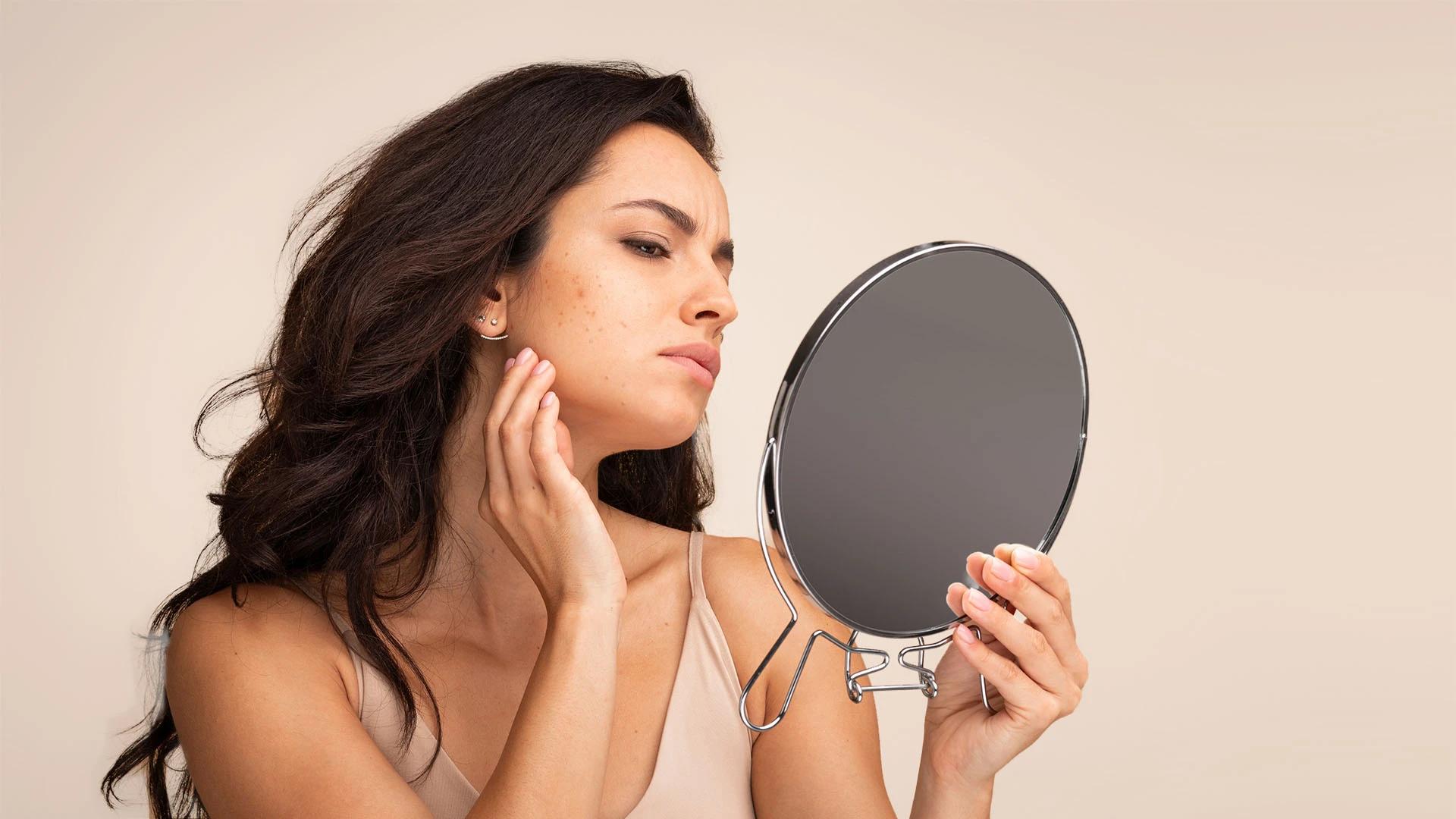
You've been staring at your reflection, wondering when those patches of darker skin appeared on your cheeks, or why your once-even complexion now looks like a patchwork quilt. Maybe it's the stubborn dark spots from last summer's breakouts, or perhaps you've noticed your skin tone looking duller and more uneven after months of working from home. Understanding the causes of uneven skin is the first step towards reclaiming that smooth, radiant complexion you remember. Let's dive into what's really happening beneath the surface and how you can identify the culprits behind your skin discoloration.
Uneven skin tone refers to areas where your skin appears darker, lighter, or different in colour compared to your overall complexion. Unlike skin texture irregularities that you can feel (think bumps or rough patches), skin discoloration is primarily a visual concern affecting how light reflects off your skin.
Your skin produces melanin, the pigment responsible for your natural skin colour, through specialised cells called melanocytes. When these cells become overactive or damaged, they can produce too much melanin in certain areas, creating those frustrating dark patches. Conversely, when melanin production decreases or stops entirely, you might notice lighter spots or areas of hypopigmentation.
The key difference between temporary and permanent skin pigmentation problems lies in what's causing them. Temporary discoloration often results from inflammation, minor injuries, or hormonal fluctuations and typically fades within months. Permanent changes usually stem from deeper damage to melanocytes or surrounding skin structures, requiring more targeted treatment approaches.
Common areas affected include the face (particularly the cheeks, forehead, and around the mouth), hands, arms, and any body parts frequently exposed to sun or friction. Your face tends to show the most noticeable changes because facial skin is thinner and more sensitive to environmental factors.
Understanding what triggers uneven skin helps you address the root cause rather than just treating symptoms. Here are the main culprits behind most skin discoloration concerns.
Sun damage skin represents one of the most common causes of uneven pigmentation. UV rays penetrate your skin and trigger melanocytes to produce excess melanin as a protective response. This process doesn't happen immediately – those sun spots you're noticing now might be the result of UV exposure from years ago.
Sun spots typically appear as flat, brown patches on areas that receive the most sun exposure: your face, hands, shoulders, and arms. Age spots, technically called solar lentigines, are essentially the same thing but tend to appear later in life as cumulative sun damage becomes more visible.
Post-inflammatory hyperpigmentation occurs when your skin produces excess melanin in response to inflammation or injury. This is why acne breakouts often leave behind dark spots long after the pimple has healed. The inflammation triggers melanocytes to go into overdrive, depositing extra pigment in the affected area.
PIH can result from various triggers: acne, eczema flare-ups, cuts, burns, or even aggressive skincare treatments. The timeline varies, but PIH typically develops within days to weeks of the initial inflammation and can take months to years to fade naturally.
Melasma presents as symmetrical brown patches, usually on the cheeks, bridge of the nose, forehead, or upper lip. Often called the "pregnancy mask," melasma frequently develops during pregnancy due to hormonal fluctuations, particularly increased oestrogen and progesterone levels.

Asaya Dark Spot Reduction Set | 3-Step Routine for Hyperpigmentation & Even Skin Tone | Cleanser, Serum & Moisturizer | Skin Care Routine Kit
Birth control pills, hormone replacement therapy, and other hormonal medications can also trigger melasma. The condition tends to worsen with sun exposure and may improve after hormonal levels stabilise, though some cases persist long-term.
As you age, your skin's natural renewal process slows down significantly. Dead skin cells accumulate on the surface, creating a dull appearance and emphasising existing pigmentation irregularities. Additionally, years of cumulative damage from various sources become more apparent as your skin's repair mechanisms become less efficient.
Collagen production also decreases with age, affecting how light reflects off your skin surface and potentially making discoloration more noticeable.
Beyond the obvious culprits, several environmental and lifestyle factors contribute to uneven skin tone that many people overlook.
Air pollution doesn't just affect your lungs – it also impacts your skin. Particulate matter and environmental toxins can penetrate your skin barrier, triggering inflammatory responses that lead to increased melanin production. Studies show that people living in highly polluted urban areas often experience more skin pigmentation problems than those in cleaner environments.
The combination of pollution and UV exposure creates a particularly damaging environment for your skin, accelerating the development of dark spots and uneven tone.
Ironically, some skincare products meant to improve your complexion can actually cause discoloration. Harsh ingredients, over-exfoliation, or allergic reactions can trigger inflammation leading to PIH. Certain fragrances, essential oils, and chemical exfoliants can also increase photosensitivity, making your skin more susceptible to UV damage.
Always patch-test new products and introduce active ingredients gradually to minimise the risk of product-induced hyperpigmentation.
Your skin reflects your overall health, and nutritional deficiencies can manifest as uneven skin tone. Vitamin C deficiency affects collagen production and can lead to dull, uneven skin. Iron deficiency might cause pallor, while inadequate antioxidant intake leaves your skin more vulnerable to environmental damage.
Proper identification helps you choose the most effective uneven skin tone treatment approach. Here's how to assess your specific concerns.

Asaya Even Skin Duo for Hyperpigmentation | Even-Tone Inner Thighs, Knees, Neck & Elbows | Works on High-Friction Zones | For All Skin Types
Start by examining your skin in natural daylight, as artificial lighting can distort how discoloration appears. Map out areas of concern, noting whether patches are brown, red, or lighter than your surrounding skin. Take photos from the same angle and lighting conditions to track changes over time.
Pay attention to patterns – symmetrical discoloration often suggests hormonal causes, while random patches might indicate sun damage or PIH from individual breakouts.
Dermatologists use specialised tools like Wood's lamps, which emit UV light to reveal pigmentation not visible to the naked eye. Dermatoscopy allows for detailed examination of pigmentation patterns and can help distinguish between different types of discoloration.
Consider professional skin analysis if you're unsure about the cause of your discoloration or if you notice sudden changes in existing spots.
While most uneven skin tone is cosmetic, certain signs warrant immediate professional attention. Sudden onset of asymmetrical discoloration, rapidly changing spots, or patches with irregular borders could indicate more serious conditions.
Any spot that bleeds, itches persistently, or changes dramatically in size, colour, or texture should be evaluated by a dermatologist. Additionally, if you notice widespread changes in skin pigmentation without an obvious cause, this might indicate an underlying health condition affecting melanin production.
Trust your instincts – if something looks or feels different about your skin, it's always better to have it checked professionally.
Understanding the causes of uneven skin empowers you to take preventive action and choose appropriate treatments.
Consistent sun protection remains your most powerful tool against further discoloration. Choose a broad-spectrum SPF of at least 30 and reapply every two hours when outdoors. Don't forget often-missed areas like your ears, neck, and hands.
Antioxidant serums containing vitamin C, vitamin E, or niacinamide can help neutralise free radicals and support your skin's natural repair processes. These ingredients work synergistically with sunscreen to provide comprehensive protection.

Asaya Rapid Dark Spot Correction Set | Reduces Dark Spots & Post-Acne Marks | Cleanser, Gel, Moisturizer & Sunscreen Kit
Start with gentle exfoliation to encourage cellular turnover and help fade existing discoloration. Chemical exfoliants like AHAs and BHAs can be more effective than physical scrubs, which might cause irritation and worsen PIH.
Introduce active ingredients gradually – your skin needs time to adjust to new treatments. Consistency matters more than intensity when addressing hyperpigmentation causes.
Focus on gentle exfoliation with AHAs, consistent sun protection, and vitamin C serums. Natural ingredients like kojic acid, arbutin, and liquorice root can help fade discoloration over time. However, natural doesn't always mean faster – patience and consistency are key for seeing results.
Sudden skin changes often result from hormonal shifts, new medications, increased sun exposure, or inflammatory skin conditions. Recent lifestyle changes, stress, or new skincare products might also be contributing factors. Track any recent changes and consult a dermatologist if you're concerned.
Some temporary discoloration from minor inflammation may fade naturally over several months. However, most established uneven skin tone requires consistent treatment and prevention strategies. Early intervention typically yields better and faster results than waiting for natural fading.
Vitamin C, E, and B12 deficiencies can contribute to uneven skin tone and poor healing. Iron deficiency may cause pallor, while inadequate vitamin D affects overall skin health. A balanced diet rich in antioxidants supports healthy skin pigmentation and repair processes.
Most people notice initial improvements in 4-6 weeks with consistent treatment, while significant changes typically occur within 3-6 months. The timeline depends on the cause and severity of discoloration, your skin type, and the treatments you're using.
Identifying the causes of uneven skin is your first step towards achieving the clear, even complexion you're after. Whether you're dealing with sun damage, hormonal changes, or post-inflammatory hyperpigmentation, understanding what's behind your skin concerns helps you choose the most effective approach.
Remember that addressing uneven skin tone is a journey, not a sprint. Consistency with sun protection, gentle treatment, and patience will serve you better than aggressive approaches that might worsen the problem. If you're exploring new products to address your concerns, platforms like Smytten Shop offer the opportunity to try samples from premium brands before committing to full sizes – a smart approach when building an effective routine for your specific skin needs.
Your skin tells the story of your life experiences, and while some discoloration is inevitable, you have more control over your complexion than you might think. Start with protection, add gentle treatment, and give your skin the time it needs to reveal its natural radiance.
